9 Smart Roof Leak Fix Guide Safety Rules to Avoid Accidents
9 Smart Roof Leak Fix Guide Safety Rules to Avoid Accidents
There is something deceptively simple about a leaking roof. A drip here, a stain there, and suddenly the problem feels manageable—almost trivial. But anyone who has ever climbed a ladder in a hurry, tools in hand and frustration in mind, knows how quickly a small leak can turn into a dangerous situation. Roof repair is not just about fixing what’s broken; it is about doing it safely, methodically, and with a mindset that respects both the structure and your own well-being.
This guide walks through nine essential safety rules that can help you avoid accidents while fixing a roof leak. Along the way, you will find practical insights, small stories, and thoughtful reminders that go beyond the usual checklist. Because in real life, safety is not a list—it is a habit.
understanding why roof work is risky in the first place
Before jumping into rules, it helps to understand what makes roof repair dangerous. The obvious answer is height, but the real risks run deeper. Surfaces can be slippery even when they appear dry. Tiles or shingles may look solid but give way under pressure. Sudden weather changes can turn a manageable task into a hazard within minutes.
There is also the psychological factor. When water is leaking into your home, urgency takes over. People rush. They skip steps. They improvise. And that is when accidents happen—not because the job is impossible, but because it is approached carelessly.
Recognizing this mindset is the first step toward working safely.
rule 1: never rush the inspection phase
It is tempting to climb up immediately and start patching the visible problem. But leaks are rarely straightforward. Water travels, sometimes far from the original entry point. Fixing the wrong spot not only wastes time but increases the amount of time you spend exposed to risk.
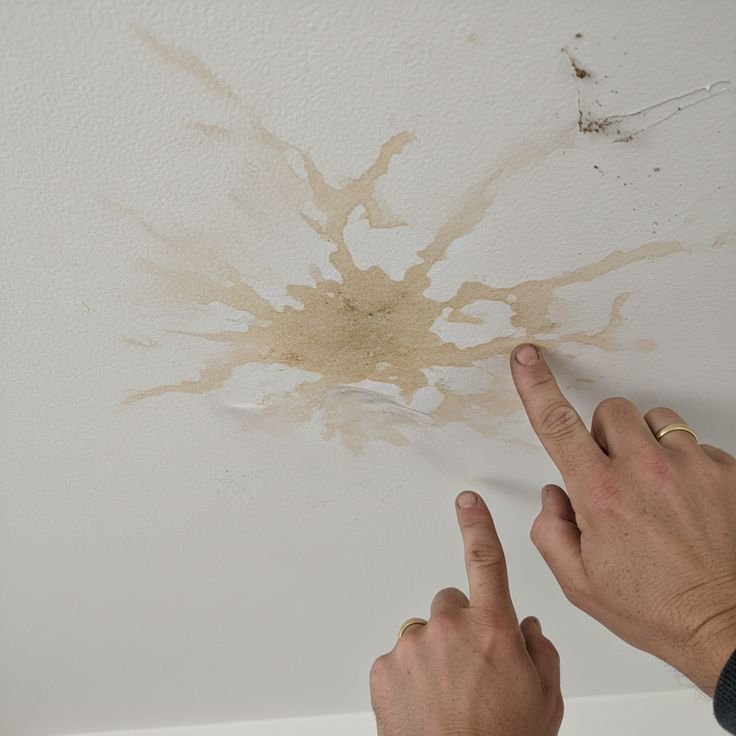
A careful inspection should always come first. Walk around the house. Look for damaged shingles, sagging sections, or clogged gutters. If possible, check the attic for moisture trails. This helps you pinpoint the source more accurately.
Taking an extra twenty minutes on the ground can save hours on the roof—and significantly reduce your exposure to danger.
rule 2: choose the right time and weather conditions
Weather is one of the most underestimated factors in roof safety. Even a light drizzle can make surfaces dangerously slick. Strong winds can throw off your balance or shift your ladder.
The ideal time to work on a roof is during clear, dry weather with mild temperatures. Early morning or late afternoon often provides better conditions than midday, especially in hotter climates where heat can cause fatigue and reduce concentration.
If the forecast looks uncertain, postpone the repair. Waiting a day is far safer than risking a fall.
rule 3: use a stable and properly positioned ladder
The ladder is your first point of contact with the roof, and it deserves careful attention. A poorly placed ladder is one of the leading causes of accidents.
Make sure the ladder is on firm, level ground. The angle should be neither too steep nor too shallow—roughly a 75-degree angle is considered safe. The top of the ladder should extend at least a few feet above the roof edge to give you something to hold onto when stepping on or off.
If possible, have someone hold the ladder while you climb. This small step adds a significant layer of safety.
rule 4: wear appropriate footwear and clothing
It might seem obvious, but the difference between the right and wrong footwear can be dramatic. Shoes with good grip are essential. Smooth-soled shoes or sandals are a recipe for disaster.
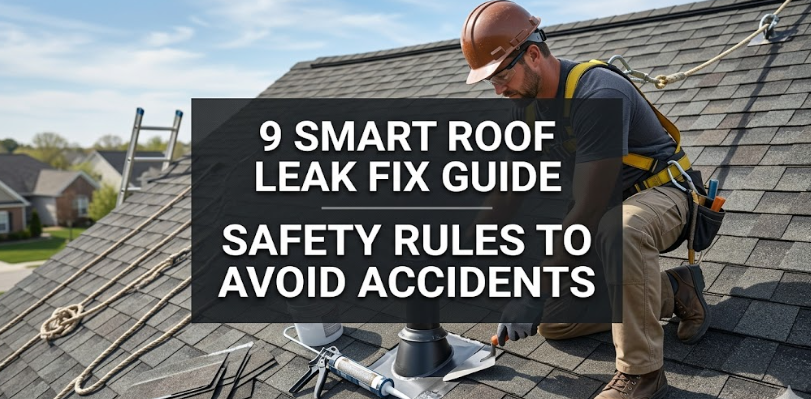
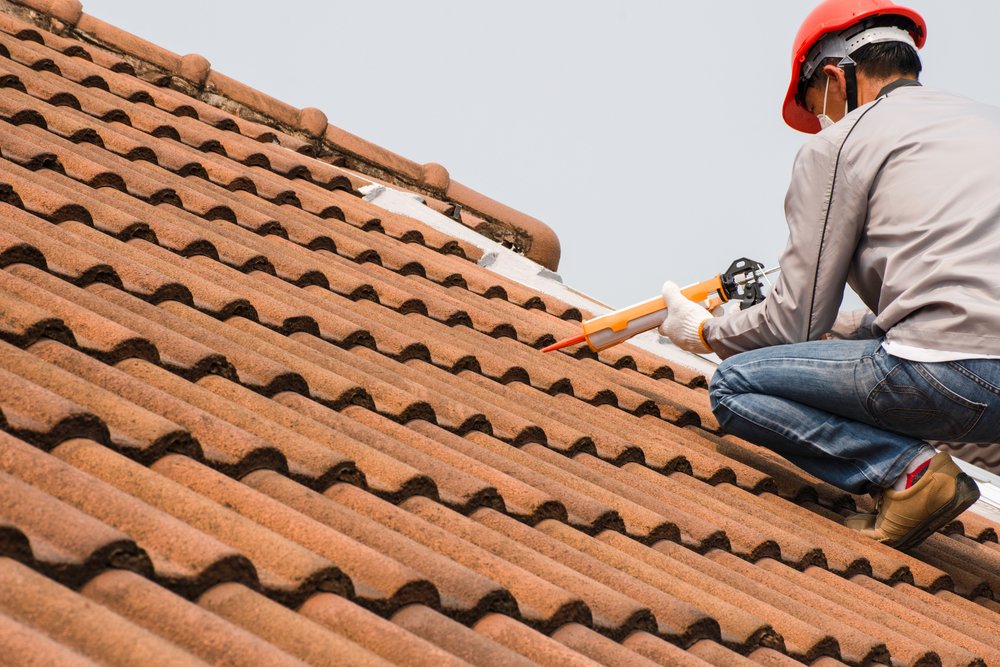
Clothing should allow free movement without being loose enough to catch on objects. Gloves can improve grip and protect your hands from sharp edges. A helmet may feel excessive for small jobs, but it can be a wise choice, especially if you are working on a steep or complex roof.
Comfort and safety often go hand in hand. When you feel secure, you move more confidently and make better decisions.
rule 5: secure yourself when working on steep roofs
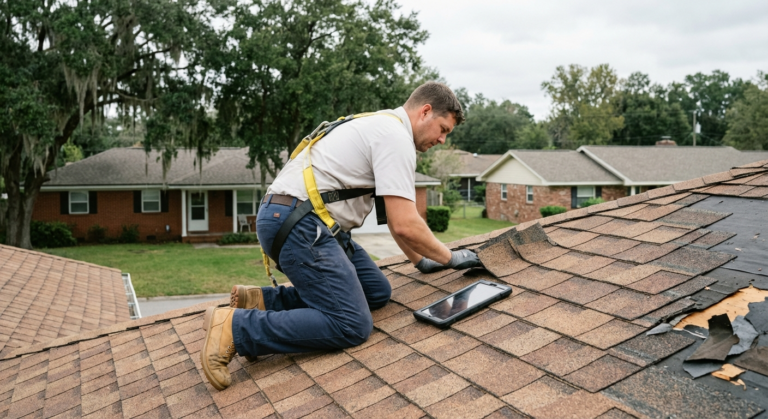
Not all roofs are created equal. A gentle slope may feel manageable, but a steep pitch demands extra precautions. This is where safety harnesses and ropes come into play.
Even if you have experience, do not rely solely on balance. A harness attached to a secure anchor point can prevent a minor slip from becoming a serious fall. It might take a bit more time to set up, but the peace of mind it provides is invaluable.
Think of it as an investment in your safety rather than an inconvenience.
rule 6: keep your work area organized
A cluttered roof is a dangerous roof. Tools left lying around can become tripping hazards. Loose materials can slide off and cause injury to people below.
Before starting, plan where your tools and materials will go. Use a tool belt or a small container to keep essentials within reach. Regularly check your surroundings and remove anything that is no longer needed.
Organization is not just about efficiency—it is about maintaining control over your environment.
rule 7: be mindful of electrical hazards
Roof work often brings you close to power lines or electrical fixtures. Water and electricity are a dangerous combination, and even indirect contact can pose serious risks.
Maintain a safe distance from power lines at all times. If your repair involves areas near electrical components, consider turning off the power supply. Use insulated tools where necessary and avoid working in wet conditions.
Electrical safety is not something to take lightly. A moment of carelessness can have severe consequences.
rule 8: know your limits and ask for help
There is no shame in admitting that a job is beyond your skill level. In fact, recognizing your limits is a sign of good judgment.
If the leak is extensive, the roof is too steep, or the structure seems unstable, it is better to call a professional. Even for smaller repairs, having a second person nearby can make a big difference. They can assist with tools, stabilize the ladder, and respond quickly in case of an emergency.
Working alone increases risk. Having support reduces it.
rule 9: take breaks and stay aware of fatigue
Roof work can be physically demanding. Climbing, bending, and balancing require energy and focus. As fatigue sets in, reaction times slow down and mistakes become more likely.
Take regular breaks, especially during longer repairs. Stay hydrated and pay attention to how your body feels. If you notice signs of exhaustion or dizziness, stop immediately.
Safety is not just about avoiding hazards—it is also about managing your own condition.
bringing it all together: a practical scenario
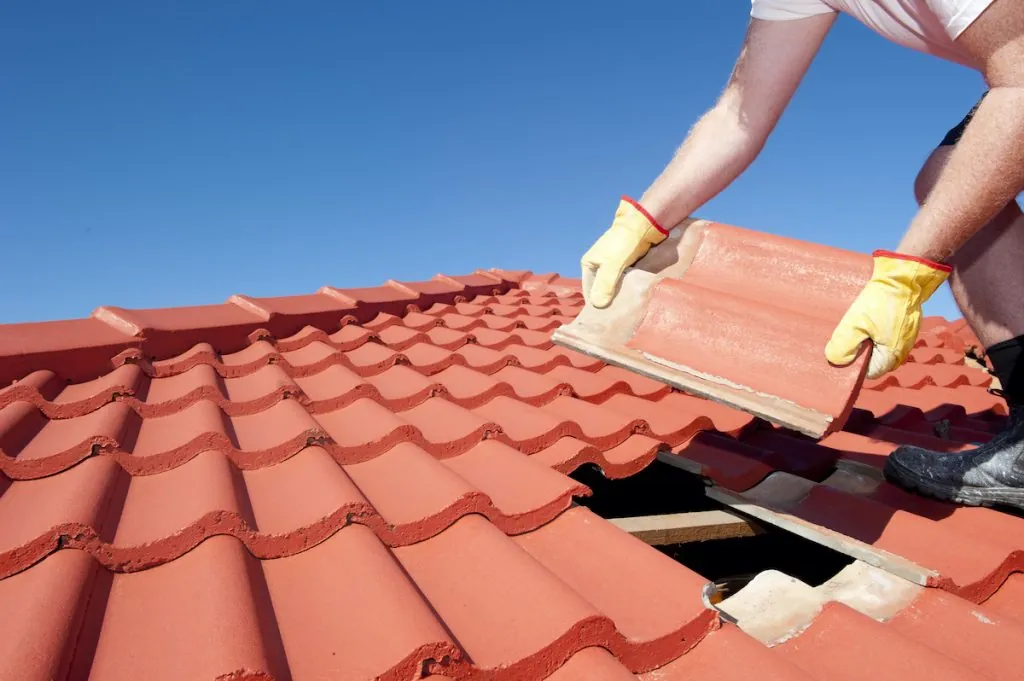
Imagine you notice a small leak after a night of heavy rain. Instead of rushing up with a patch kit, you take a step back. You inspect the area from the ground, check the weather forecast, and gather the right equipment.
You set up your ladder carefully, wear proper footwear, and organize your tools. As you work, you remain aware of your surroundings, take breaks when needed, and avoid unnecessary risks.
The repair might take a bit longer, but you complete it without incident. More importantly, you build a habit of working safely—one that will serve you well in future projects.
small habits that make a big difference
Safety is often built on small, consistent actions. Double-checking your ladder. Taking an extra minute to secure a tool. Pausing to reassess when something feels off.
These habits may seem minor, but they add up. Over time, they become second nature, reducing the likelihood of accidents and making every task more manageable.
It is not about being overly cautious—it is about being prepared.
the emotional side of safety
There is also an emotional aspect to consider. Working on a roof can be stressful, especially when dealing with leaks that affect your home. Stress can cloud judgment and lead to rushed decisions.
Taking a calm, measured approach helps you stay focused and make better choices. It turns a potentially chaotic situation into a controlled process.
In many ways, safety begins with mindset.
conclusion
Fixing a roof leak is not just a technical task—it is a test of awareness, patience, and respect for the risks involved. By following these nine safety rules, you can significantly reduce the chances of accidents and approach the job with confidence.
Remember, the goal is not just to fix the leak, but to do so in a way that keeps you safe. Because at the end of the day, no repair is worth compromising your well-being.
frequently asked questions
- how dangerous is it to fix a roof leak by yourself
Fixing a roof leak can be risky, especially if you lack experience or proper equipment. The main dangers include falls, slips, and electrical hazards. However, with careful planning and adherence to safety rules, small repairs can be done safely. - what is the safest way to climb onto a roof
Use a sturdy ladder placed on level ground, ensure it extends above the roof edge, and maintain three points of contact while climbing. Having someone hold the ladder adds extra safety. - can i fix a roof leak during rainy weather
It is not recommended. Wet surfaces are slippery, and visibility may be reduced. Always wait for dry, stable weather conditions before attempting repairs. - do i need special equipment for minor roof repairs
Even for minor repairs, basic safety gear such as non-slip shoes, gloves, and a stable ladder is essential. For steeper roofs, a harness is highly recommended. - how do i know if i should call a professional
If the roof is steep, the damage is extensive, or you feel unsure about any aspect of the repair, it is best to call a professional. Safety should always come first. - how can i prevent roof leaks in the future
Regular inspections, cleaning gutters, and addressing small issues early can help prevent leaks. Maintenance is often easier and safer than emergency repairs.
About the Author