7 Powerful Roof Leak Fix Guide Basics That Prevent Future Damage
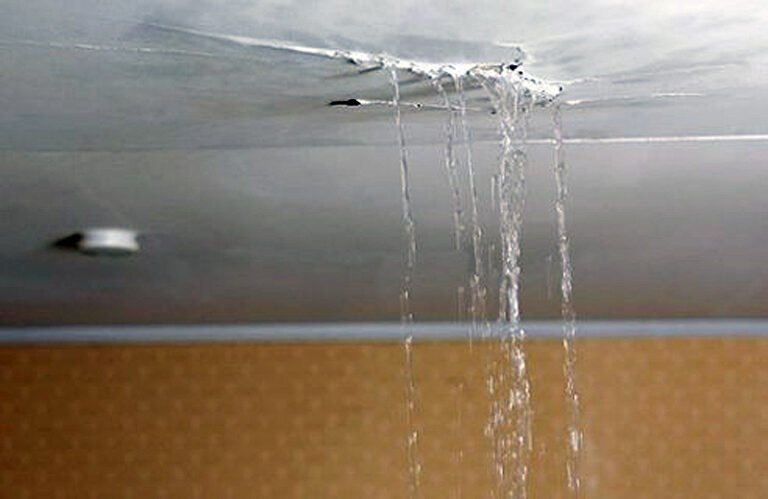
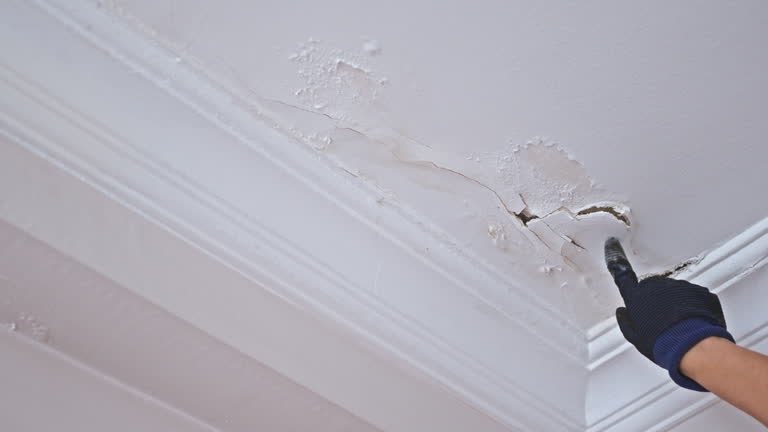
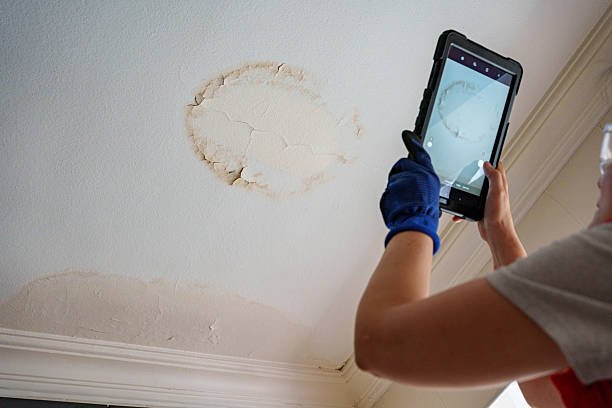
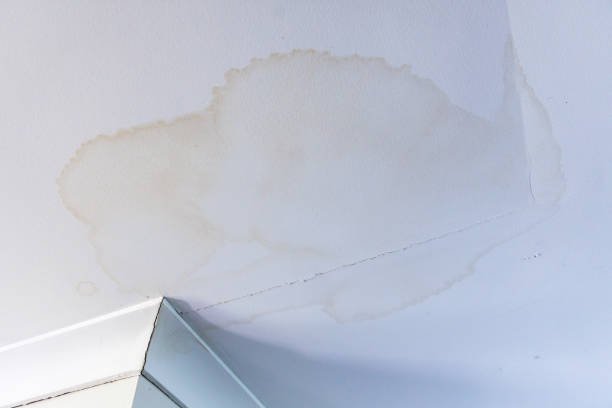
A roof leak rarely begins as a dramatic event. Most of the time, it starts as a tiny crack, a loose nail, or a worn-out shingle quietly allowing moisture to sneak into your home. Unfortunately, by the time homeowners notice water stains on ceilings or peeling paint, the damage has often been growing for months.
Many people focus only on fixing the immediate leak. While patching the visible problem may stop water temporarily, ignoring the root cause often leads to recurring leaks and costly structural damage.
That’s where understanding the basics of roof leak prevention becomes essential.
This detailed roof leak fix guide explores 7 powerful basics that help stop leaks and prevent future damage. These principles are used by professional roofers and can help homeowners maintain a stronger, longer-lasting roof.
Why Roof Leak Prevention Matters
A small roof leak might appear harmless at first. However, untreated leaks can cause serious issues such as:
- Structural wood rot
- Mold growth inside walls
- Insulation damage
- Electrical hazards
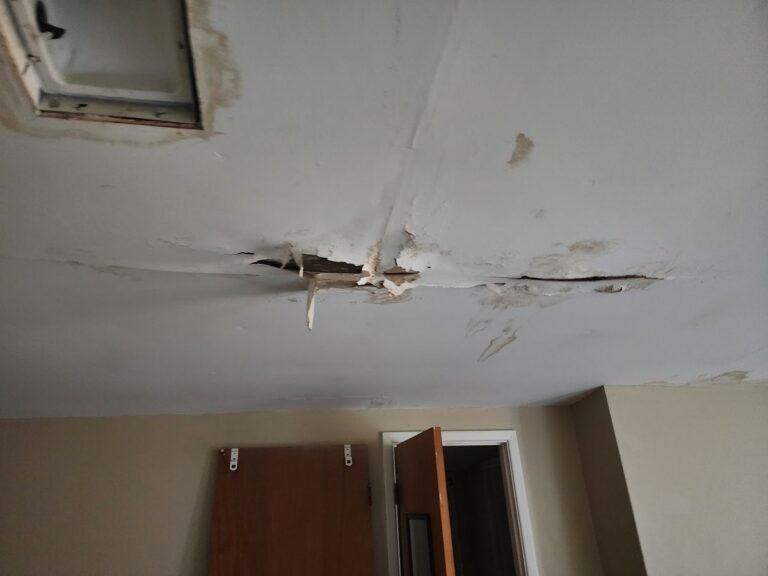
- Ceiling collapse
- Higher energy bills
Even a tiny hole the size of a nail can allow surprising amounts of water inside your roof structure over time.
Common Problems Caused by Roof Leaks
| Problem | What Happens | Long-Term Risk |
|---|---|---|
| Wood Rot | Moisture weakens roof decking and beams | Structural failure |
| Mold Growth | Damp insulation and drywall attract mold | Health issues |
| Ceiling Damage | Water stains and sagging plaster | Costly repairs |
| Electrical Risk | Water reaches wiring | Fire hazard |
| Higher Energy Bills | Wet insulation loses efficiency | Increased heating/cooling costs |
Understanding the root causes of leaks helps prevent these problems before they start.
Basic #1: Perform Regular Roof Inspections
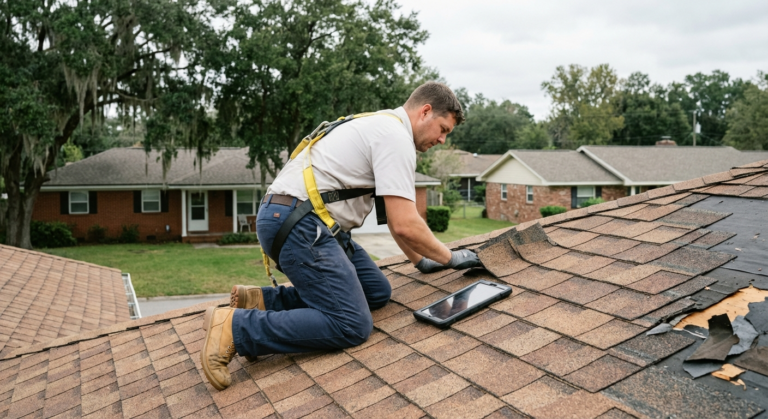
One of the most powerful habits in roof maintenance is routine inspection. Most roof leaks start from small defects that can easily be fixed if caught early.
Experts recommend inspecting your roof at least twice a year.
Best Times to Inspect a Roof
| Season | Reason |
|---|---|
| Spring | Check winter storm damage |
| Late Summer | Prepare before heavy rains |
| After Major Storms | Identify loose shingles or cracks |
What to Look For During Inspection
During inspection, watch for:
- Missing or curled shingles
- Cracked flashing
- Rust around vents
- Loose nails
- Sagging roof areas
- Water stains in attic
Even minor visual changes can signal a potential leak.
Quick Inspection Checklist
| Area | What to Check |
|---|---|
| Shingles | Cracks, curling, missing pieces |
| Flashing | Rust or separation |
| Roof Valleys | Debris accumulation |
| Chimneys | Loose flashing |
| Gutters | Shingle granules buildup |
Catching these problems early can prevent expensive repairs later.
Basic #2: Maintain Roof Flashing
Roof flashing is one of the most important components in preventing leaks.
Flashing is a thin metal material installed around roof openings such as:
- Chimneys
- Skylights
- Roof vents
- Dormers
- Valleys
Its job is to direct water away from vulnerable areas.
Common Flashing Failure Points
| Location | Common Issue |
|---|---|
| Chimney flashing | Sealant cracks |
| Skylight edges | Water seepage |
| Roof valleys | Rust or separation |
| Vent pipes | Loose flashing collars |
When flashing becomes damaged, water can easily slip underneath roofing materials.
Signs Flashing Needs Repair
- Rust stains
- Visible gaps
- Loose metal edges
- Cracked sealant
Quick Flashing Repair Tip
Small gaps can sometimes be sealed using roofing cement or waterproof sealant until a permanent repair is made.
However, severely damaged flashing should always be replaced.
Basic #3: Keep Gutters Clean and Functional
Many homeowners don’t realize that clogged gutters are one of the biggest causes of roof leaks.
When gutters become filled with debris like leaves and dirt, rainwater cannot flow properly. This causes water to back up onto the roof.
Over time, standing water can seep beneath shingles.
How Clogged Gutters Cause Roof Leaks
Rainfall
   ↓
Blocked Gutter
   ↓
Water Backup
   ↓
Shingle Edge Damage
   ↓
Roof Leak
Common Gutter Blockage Materials
| Debris Type | Source |
|---|---|
| Leaves | Nearby trees |
| Pine needles | Conifer trees |
| Dirt and dust | Wind and storms |
| Bird nests | Wildlife |
Gutter Maintenance Schedule
| Task | Frequency |
|---|---|
| Clean gutters | Twice a year |
| Check downspouts | Every 6 months |
| Inspect gutter slope | Once a year |
| Install gutter guards | Optional upgrade |
Maintaining gutters ensures rainwater flows away from the roof instead of under it.
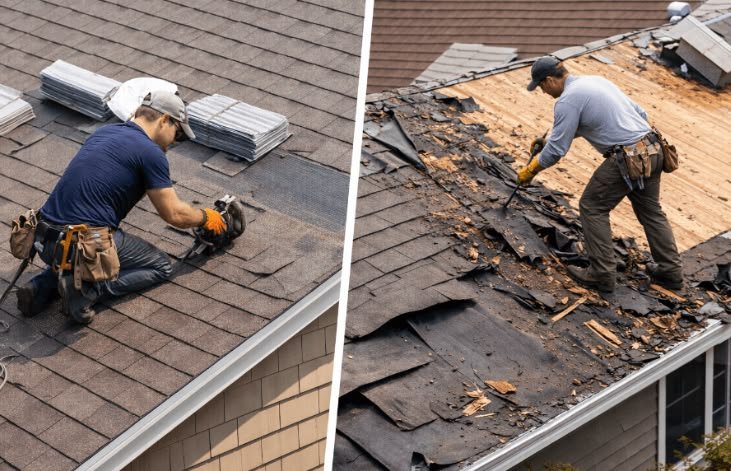
Basic #4: Replace Damaged or Missing Shingles
Shingles form the primary protective layer of your roof. When they become cracked, curled, or missing, water can quickly reach the underlying roof structure.
Common Causes of Shingle Damage
| Cause | Impact |
|---|---|
| Strong winds | Shingles lift or blow away |
| UV sunlight | Material becomes brittle |
| Aging | Shingles lose protective granules |
| Heavy rain | Water penetrates weakened spots |
Signs Your Shingles Need Replacement
- Bald spots (missing granules)
- Cracks or curling edges
- Dark streaks
- Missing pieces
Shingle Lifespan Comparison
| Shingle Type | Average Lifespan |
|---|---|
| Asphalt | 20–25 years |
| Architectural | 25–30 years |
| Metal roofing | 40–70 years |
| Clay tiles | 50+ years |
Replacing damaged shingles quickly can prevent a small leak from becoming a major repair project.
Basic #5: Seal Roof Penetrations Properly
Every opening in a roof increases the risk of leaks.
Common roof penetrations include:
- Vent pipes
- Satellite mounts
- Solar panel brackets
- Skylights
- Exhaust vents
These areas must be sealed correctly to stop water from entering.
Typical Leak-Prone Roof Penetrations
| Penetration Type | Leak Risk |
|---|---|
| Plumbing vents | Rubber boot cracks |
| Skylights | Frame seal failure |
| Satellite mounts | Loose fasteners |
| HVAC vents | Sealant wear |
Recommended Sealants
| Sealant Type | Best For |
|---|---|
| Silicone sealant | Metal flashing |
| Roofing cement | Asphalt shingles |
| Polyurethane sealant | High durability |
Proper sealing can dramatically reduce the chances of water infiltration.
Basic #6: Improve Roof Ventilation
Poor roof ventilation may not seem related to leaks, but it actually plays a major role.
When ventilation is poor:
- Moisture accumulates in the attic
- Heat builds up under the roof
- Shingles deteriorate faster
This weakens roofing materials and increases the chance of leaks.
How Roof Ventilation Works
Cool air enters through soffit vents
        ↓
Air flows through attic
        ↓
Warm air exits through ridge or roof vents
Benefits of Good Ventilation
| Benefit | Result |
|---|---|
| Moisture control | Prevents mold |
| Temperature balance | Reduces shingle damage |
| Energy efficiency | Lower cooling costs |
| Longer roof life | Delays roof replacement |
Common Roof Vent Types
| Vent Type | Location |
|---|---|
| Ridge vents | Roof peak |
| Soffit vents | Roof edge |
| Box vents | Roof surface |
| Turbine vents | Wind-powered |
Balanced ventilation protects both the roof structure and the home interior.

Basic #7: Address Small Leaks Immediately
One of the biggest mistakes homeowners make is delaying roof repairs.
Even small leaks should be fixed as soon as they appear.
Warning Signs of an Early Roof Leak
| Symptom | Meaning |
|---|---|
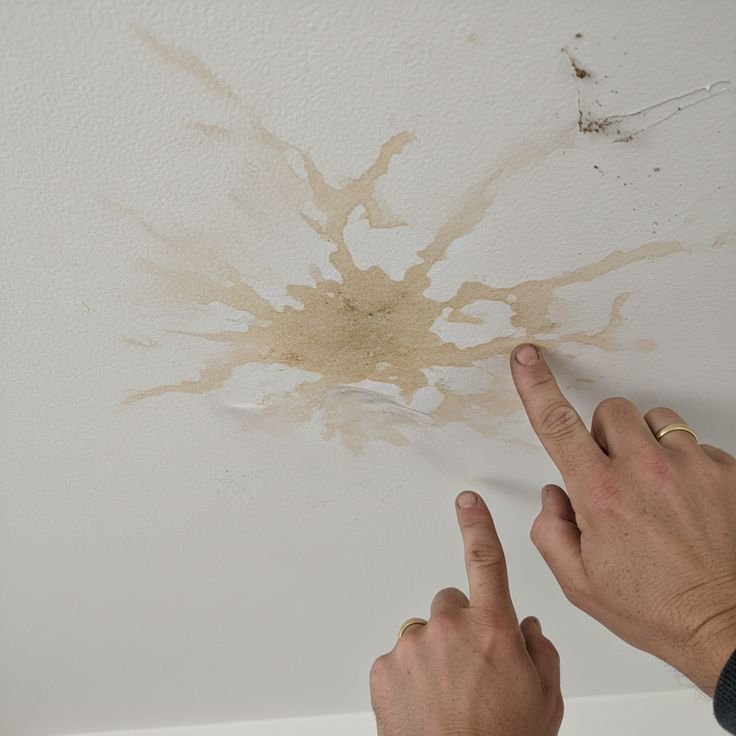
| Ceiling stains | Water infiltration |
| Musty smell | Hidden moisture |
| Peeling paint | Damp drywall |
| Dripping during rain | Active leak |
Typical Leak Progression Timeline
| Time | Damage Level |
|---|---|
| Week 1 | Minor ceiling stain |
| Month 1 | Insulation damage |
| Month 3 | Mold growth |
| Month 6 | Structural rot |
Addressing leaks early prevents thousands of dollars in damage.
Estimated Roof Repair Cost Comparison
| Repair Type | Average Cost Range |
|---|---|
| Minor sealant repair | $150 – $400 |
| Flashing replacement | $300 – $900 |
| Shingle repair | $200 – $700 |
| Major leak repair | $1,000 – $3,500 |
| Roof replacement | $6,000 – $15,000 |
Preventative maintenance is far cheaper than major roof repairs.
Simple Roof Leak Prevention Maintenance Plan
Monthly
- Check ceilings for stains
- Inspect attic for moisture
Every 6 Months
- Clean gutters
- Inspect roof surface
Annually
- Professional roof inspection
- Flashing seal check
After Storms
- Check for missing shingles
- Inspect roof edges
Following this routine can extend your roof’s life by many years.
Final Thoughts
Roof leaks rarely appear overnight. They usually begin with small issues like worn flashing, clogged gutters, or damaged shingles. Ignoring these warning signs allows moisture to slowly damage your home’s structure.
By applying these 7 powerful roof leak fix guide basics, homeowners can prevent future damage and maintain a stronger, safer roof.
Regular inspections, proper maintenance, and quick repairs form the foundation of long-term roof protection. A little preventative care today can save thousands of dollars tomorrow.
Frequently Asked Questions (FAQs)
1. What is the most common cause of roof leaks?
The most common cause of roof leaks is damaged or missing shingles. Over time, weather exposure can weaken shingles, allowing water to penetrate the roof surface.
2. How often should a roof be inspected?
Experts recommend inspecting your roof at least twice a year, usually in spring and late summer, and after major storms.
3. Can a small roof leak fix itself?
No. Roof leaks never fix themselves. Even small leaks tend to grow worse over time as water continues to damage roofing materials.
4. Are roof leaks expensive to repair?
Minor leaks may cost only $150–$400 to fix, but if ignored, repairs can exceed $3,000 or more due to structural damage.
5. Do clogged gutters really cause roof leaks?
Yes. Blocked gutters cause water to back up under roof shingles, which can eventually lead to leaks inside the home.
6. When should a roof be replaced instead of repaired?
If a roof is over 25 years old or has widespread shingle damage, replacement is often more cost-effective than repeated repairs.
About the Author