6 Fast Roof Leak Fix Guide Fixing Tricks You Can Try Today
6 Fast Roof Leak Fix Guide Fixing Tricks You Can Try Today
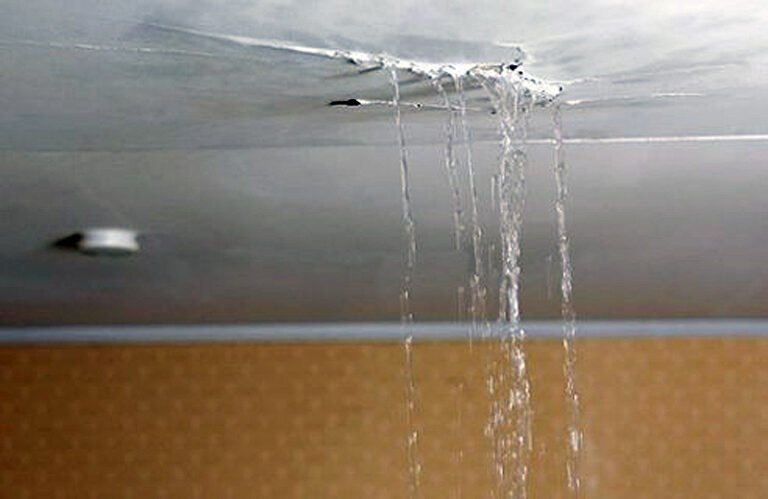
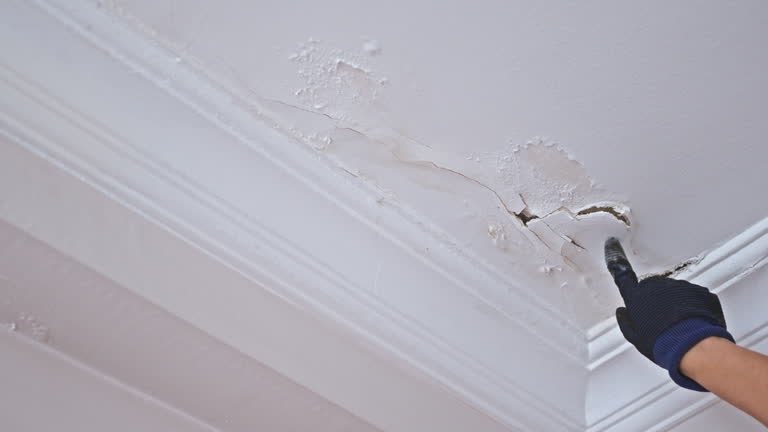
A roof leak never arrives politely. It shows up during a heavy rain, in the middle of the night, or just when you thought your home was in perfect shape. That small drip can quickly turn into stained ceilings, damaged insulation, peeling paint, and even structural trouble if ignored. The good news is that not every leak demands an immediate, expensive professional repair. Sometimes, with a bit of awareness and the right approach, you can slow it down—or even stop it—before things get worse.
This guide is not just about quick fixes. It’s about understanding how leaks behave, recognizing the signs early, and applying practical solutions that real homeowners use when time is limited. Think of it as a blend of hands-on advice, cautionary insights, and lived experience.
Let’s walk through six fast and effective roof leak fixing tricks you can try today.
finding the source before fixing the problem
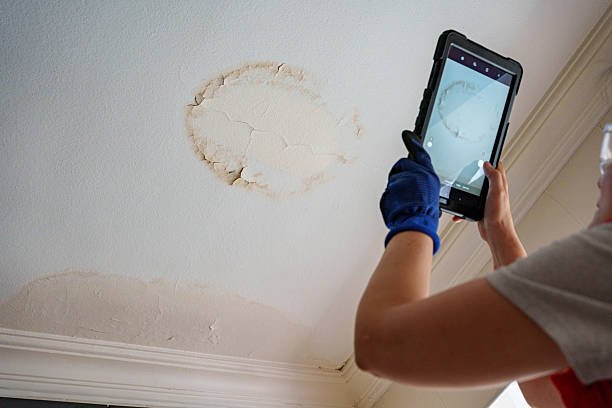
Before jumping into any repair, it’s important to understand one simple truth: water rarely leaks directly below the damaged spot. It travels. It sneaks along beams, insulation, and roof decking before finally dripping down.
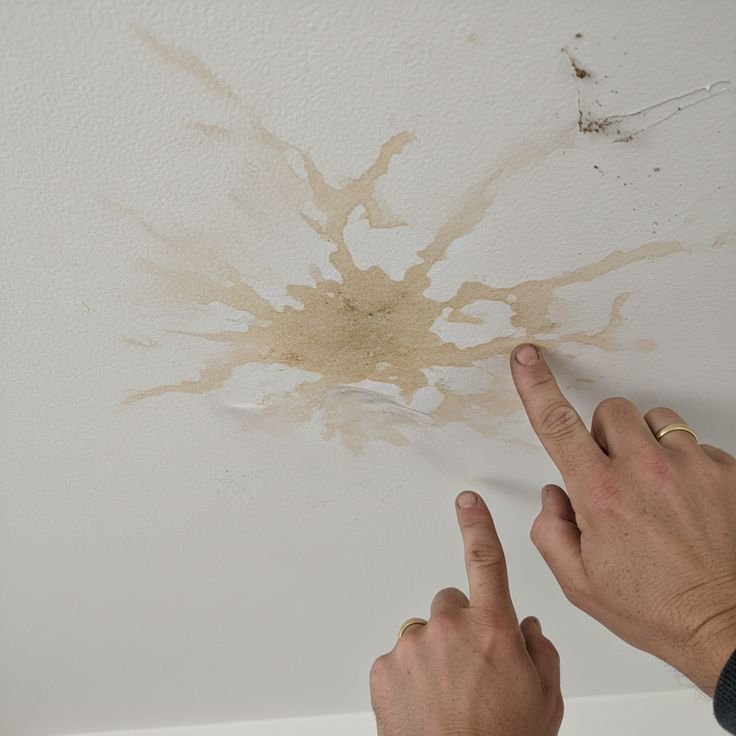
So if you see a stain on your ceiling, the actual problem might be a few feet—or even several feet—away.
Start inside your home:
- Look for discoloration or damp patches on ceilings and walls
- Check attic spaces if accessible
- Follow water trails or darkened wood
A flashlight becomes your best friend here. If it’s raining, even better—you might catch the leak in action.
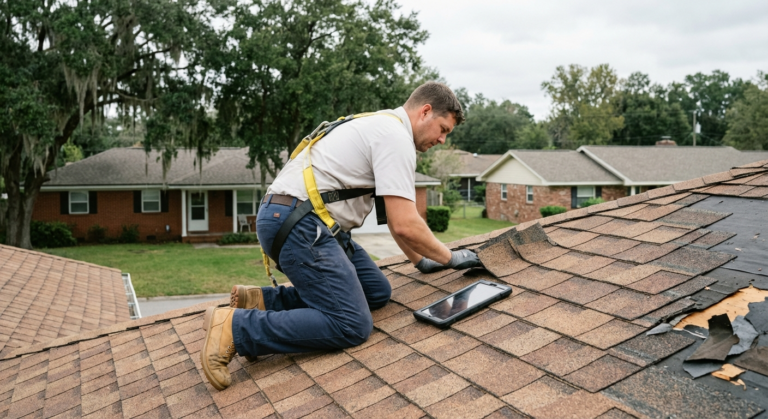
Once you have a general idea, move outside carefully. Look for:
- Missing or cracked shingles
- Damaged flashing around chimneys or vents
- Clogged gutters causing water backup
Fixing a leak without locating its origin is like patching a pipe without turning off the water. It might help briefly, but the problem will return.
trick one using a tarp as an emergency shield
When rain is pouring and the leak is active, speed matters more than perfection. One of the fastest ways to control water intrusion is by covering the affected roof area with a tarp.
This isn’t a permanent fix, but it can buy you valuable time.
What you’ll need:
- A heavy-duty waterproof tarp
- Wooden boards or strips
- Nails or screws
Steps:
- Spread the tarp over the suspected leak area
- Ensure it extends beyond the damaged section on all sides
- Secure it tightly using wooden strips along the edges
- Anchor it firmly so wind doesn’t lift it
Think of the tarp as a temporary roof over your roof. It redirects water away from the vulnerable area and prevents further damage inside.
One important note: safety comes first. Avoid climbing on a slippery roof during heavy rain or strong winds. If conditions are risky, wait until it’s safer or focus on indoor containment.
trick two sealing cracks with roofing sealant
If you’ve identified small cracks, gaps, or holes, a roofing sealant can be a quick and effective solution.
Roofing sealants are designed to:
- Bond strongly to roofing materials
- Resist weather changes
- Stay flexible over time
Common problem areas include:
- Around vents and pipes
- Edges of flashing
- Small holes in shingles
How to apply:
- Clean the area thoroughly—remove dirt and debris
- Dry the surface as much as possible
- Apply sealant generously over the crack
- Smooth it out for even coverage
This method works best for minor leaks. If the damage is widespread, sealant alone won’t be enough, but it can still reduce water entry significantly.
trick three replacing damaged shingles on the spot
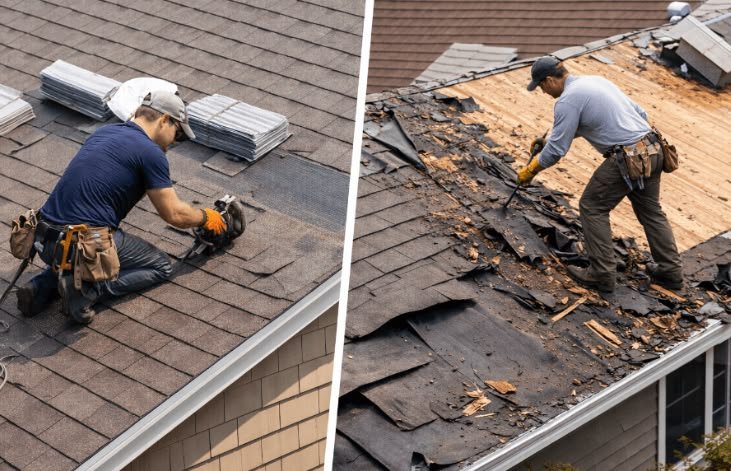
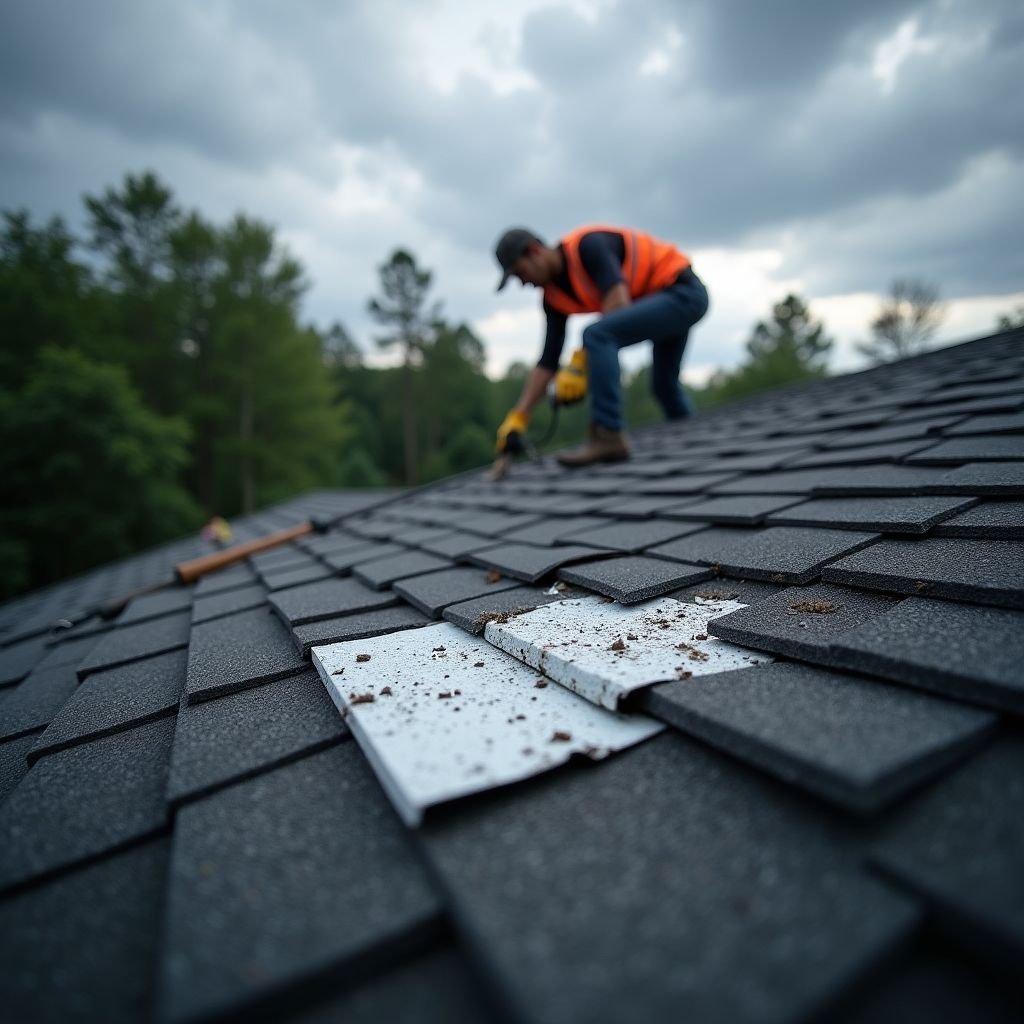
Sometimes, the issue is right in front of you—a missing or broken shingle.
Shingles act as the first line of defense against water. When one fails, it exposes the layer beneath, making leaks almost inevitable.
Replacing a shingle is simpler than many people think.
Basic process:
- Lift the edges of surrounding shingles carefully
- Remove nails from the damaged shingle
- Slide it out
- Insert a new shingle in its place
- Nail it down securely
- Seal the edges with roofing adhesive
If you don’t have a matching shingle, even a temporary substitute is better than leaving the area exposed.
A small repair like this can stop a leak instantly if the problem is localized.
trick four clearing blocked gutters to stop overflow leaks
Not all roof leaks start on the roof itself. Sometimes, the culprit is your gutter system.
Clogged gutters cause water to back up. Instead of flowing away, it pools and seeps under shingles or along the roof edge.
Signs of gutter-related leaks:
- Water spilling over during rain
- Plants or debris visible in gutters
- Damp areas near roof edges
Quick fix:
- Remove leaves, dirt, and debris
- Flush gutters with water
- Check downspouts for blockages
This simple task can prevent water from entering your home in the first place. It’s often overlooked, but incredibly effective.
trick five patching with roofing tape for instant coverage
Roofing repair tape is one of those tools that feels almost too simple to be effective—but it works surprisingly well.
It’s designed for quick application and can seal leaks instantly.
Best used for:
- Small holes
- Cracks
- Temporary emergency repairs
How to use:
- Clean and dry the area
- Cut the tape to size
- Press it firmly over the damaged spot
- Smooth out air bubbles
The adhesive forms a waterproof barrier that can hold up even in challenging conditions.
While it’s not a permanent fix, it’s perfect for stopping a leak until a more thorough repair is possible.
trick six managing interior damage while fixing the exterior
Sometimes, even after applying a quick fix, water may continue to drip for a while. That’s because moisture has already soaked into materials.
While working on the roof, don’t ignore the inside.
Steps to protect your interior:
- Place buckets or containers under leaks
- Move furniture and valuables away
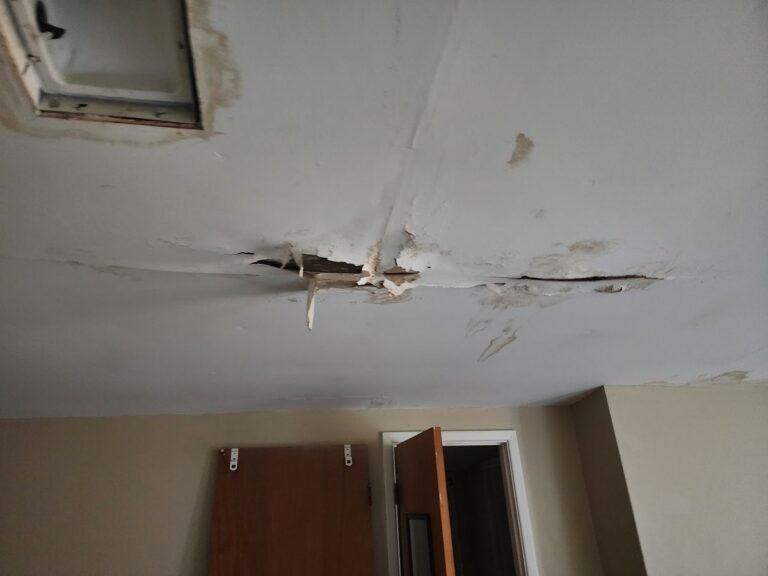
- Poke a small hole in bulging ceiling areas to release trapped water
That last step might feel counterintuitive, but it prevents a larger ceiling collapse. Controlled drainage is safer than sudden failure.
Drying out the area is just as important as stopping the leak. Use fans, open windows, or dehumidifiers if available.
understanding when quick fixes are not enough
There’s a line between a manageable leak and a serious roofing issue. Quick fixes are meant to buy time, not replace proper repairs.
You should consider professional help if:
- Leaks keep returning
- Large sections of the roof are damaged
- Structural elements feel weak or soft
- Mold or persistent dampness appears
Ignoring these signs can lead to bigger problems down the road.
common mistakes people make during quick repairs
In the rush to fix a leak, it’s easy to make mistakes that worsen the situation.
Some common ones include:
- Applying sealant on a wet or dirty surface
- Using the wrong materials
- Ignoring safety precautions
- Fixing symptoms instead of the root cause
Taking a few extra minutes to assess the situation can save hours of frustration later.
the role of weather in roof leak behavior
Weather plays a huge role in how leaks develop and spread.
Heavy rain can expose weak spots, while wind can lift shingles and create openings. Temperature changes cause materials to expand and contract, leading to cracks over time.
Understanding this helps you anticipate problems.
For example:
- After a storm, inspect your roof
- Before rainy seasons, check for vulnerabilities
- During hot weather, look for signs of wear
Prevention often starts with awareness.

building a habit of regular roof checks
Quick fixes are helpful, but the best strategy is to catch problems early.
Simple routine:
- Inspect your roof every few months
- Check after major weather events
- Keep gutters clean
- Look for small signs of damage
A few minutes of inspection can prevent hours of repair work later.
why small leaks should never be ignored
A tiny drip might seem harmless, but over time, it can:
- Rot wooden structures
- Damage insulation
- Encourage mold growth
- Increase repair costs
Water is persistent. It finds its way into places you wouldn’t expect.
Addressing leaks early is always the smarter choice.
balancing speed and effectiveness in repairs
When dealing with a leak, there’s often a trade-off between speed and thoroughness.
Quick fixes focus on immediate control. Long-term repairs focus on durability.
The key is knowing when to switch from one to the other.
Start with:
- Emergency measures to stop water
Then move to: - Proper repairs for lasting results
This approach keeps your home protected while giving you time to plan.
real-life insight why experience matters
Many homeowners learn about roof leaks the hard way. It’s not just about tools or materials—it’s about recognizing patterns.
For example:
- A recurring leak might indicate a deeper issue
- Water stains in the same area suggest an unresolved problem
- Temporary fixes that fail quickly often point to incorrect diagnosis
Experience teaches you to look beyond the obvious.
But even without years of experience, careful observation and patience can take you a long way.
practical checklist for quick roof leak fixes
Here’s a simple checklist you can follow when a leak appears:
- Locate the source of the leak
- Protect the interior space
- Apply a temporary fix (tarp, sealant, tape)
- Inspect surrounding areas
- Plan for a permanent repair
Keeping this process in mind helps you stay organized during a stressful situation.
frequently asked questions
- can i fix a roof leak without professional help
Yes, small leaks can often be managed with temporary fixes like sealants, tape, or shingle replacement. However, larger or recurring issues usually require professional attention. - how long do temporary roof leak fixes last
It depends on the method used and weather conditions. Some fixes may last a few days, while others can hold for several weeks. They are not meant to replace permanent repairs. - is it safe to work on a roof during rain
No, it’s risky. Wet surfaces are slippery and increase the chance of accidents. It’s better to wait for safer conditions or focus on indoor measures. - what is the fastest way to stop a roof leak
Using a tarp or roofing tape is often the quickest way to stop water from entering your home during an active leak. - can clogged gutters really cause roof leaks
Yes, blocked gutters can cause water to back up and seep under roofing materials, leading to leaks. - how do i know if the leak is serious
Signs of a serious leak include large water stains, structural weakness, repeated leaks, or mold growth. These indicate the need for a thorough inspection and repair.
closing thoughts
A leaking roof can feel overwhelming, especially when it happens unexpectedly. But with the right mindset and a few practical tricks, you can take control of the situation.
The key is to act quickly, stay safe, and understand the limits of temporary fixes. Every small step you take to manage the leak reduces the risk of bigger damage.
In the end, it’s not just about fixing a roof—it’s about protecting the space you call home.
About the Author