9 Essential Roof Leak Fix Guide Fixing Tips That Actually Work
9 essential roof leak fix guide fixing tips that actually work
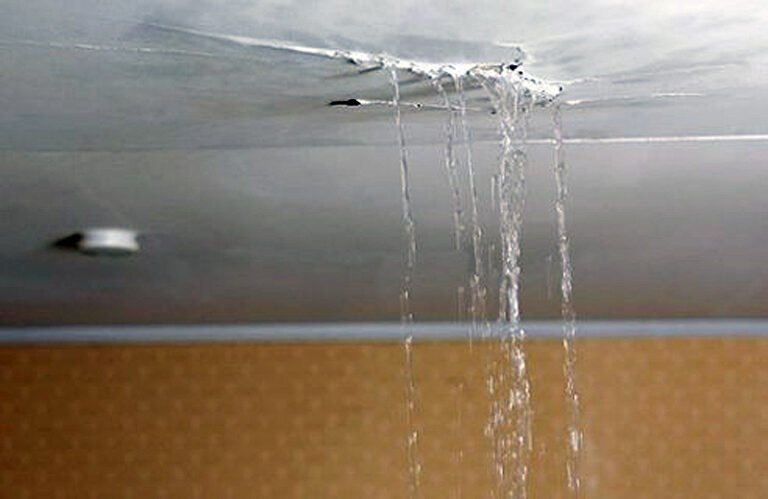
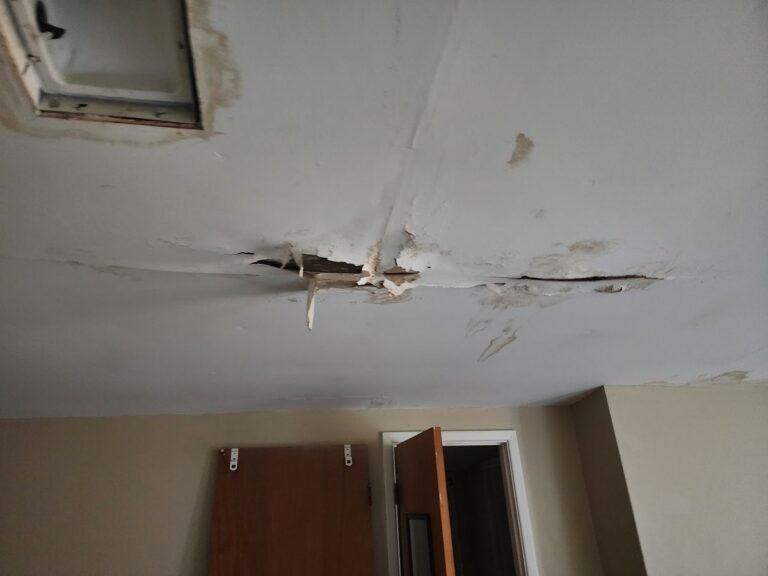
Rain has a way of revealing truths your house has been hiding. The first drip rarely feels dramatic. It’s quiet, almost polite, tapping into a bucket or soaking into a ceiling stain that you try to ignore for a day too long. But roof leaks don’t stay small. They spread, they stain, they rot, and if left unchecked, they rewrite the story of your home in ways that cost far more than a little time and attention.
This guide isn’t just a checklist. It’s a lived-in, practical, and sometimes hard-earned collection of methods that homeowners, handymen, and roofers rely on when leaks show up uninvited. You’ll find techniques that work in real weather, not just in theory, along with insights that make the difference between a temporary patch and a lasting fix.
Let’s get into it.
understanding what a roof leak really is
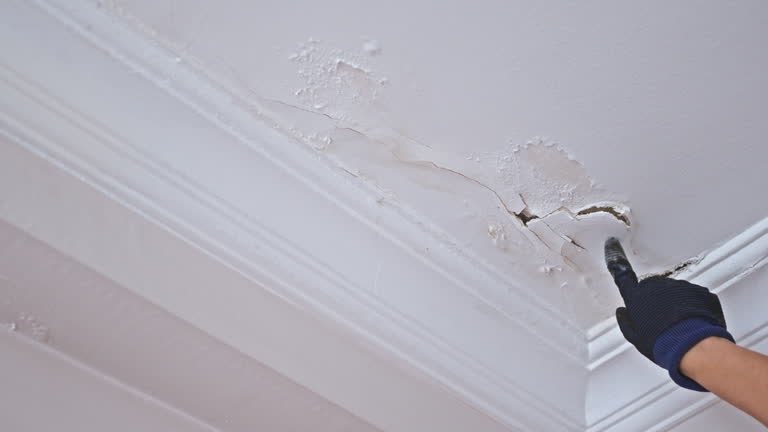
A roof leak is rarely just a hole. It’s a system failure. Water travels, sometimes far from the original entry point. That means the damp spot on your ceiling could be several feet away from the actual damage on your roof.
Think of your roof as layers: shingles, underlayment, decking, insulation. A leak happens when one or more of these layers fail. The visible symptom inside your home is often the last stage of the problem, not the beginning.
So before rushing to fix what you see, you need to understand where the water is actually coming from. That mindset alone will save you time, money, and frustration.
tip 1: trace the leak before touching anything
It sounds obvious, but many people skip this and go straight to patching the visible spot. That’s how leaks keep coming back.
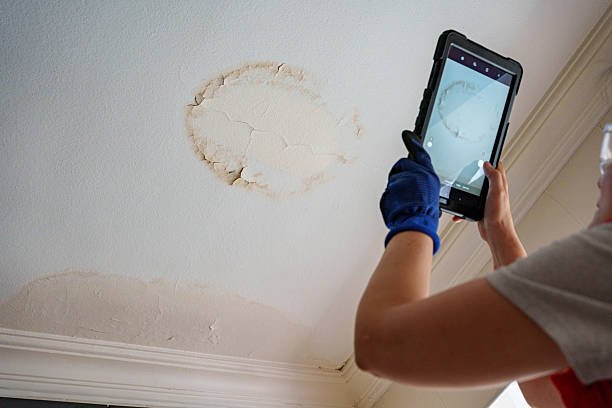
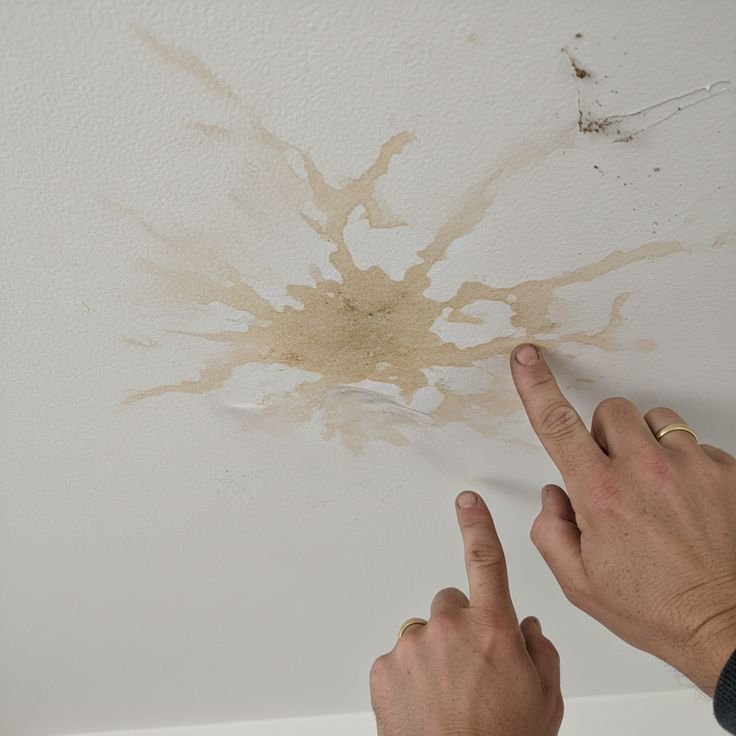
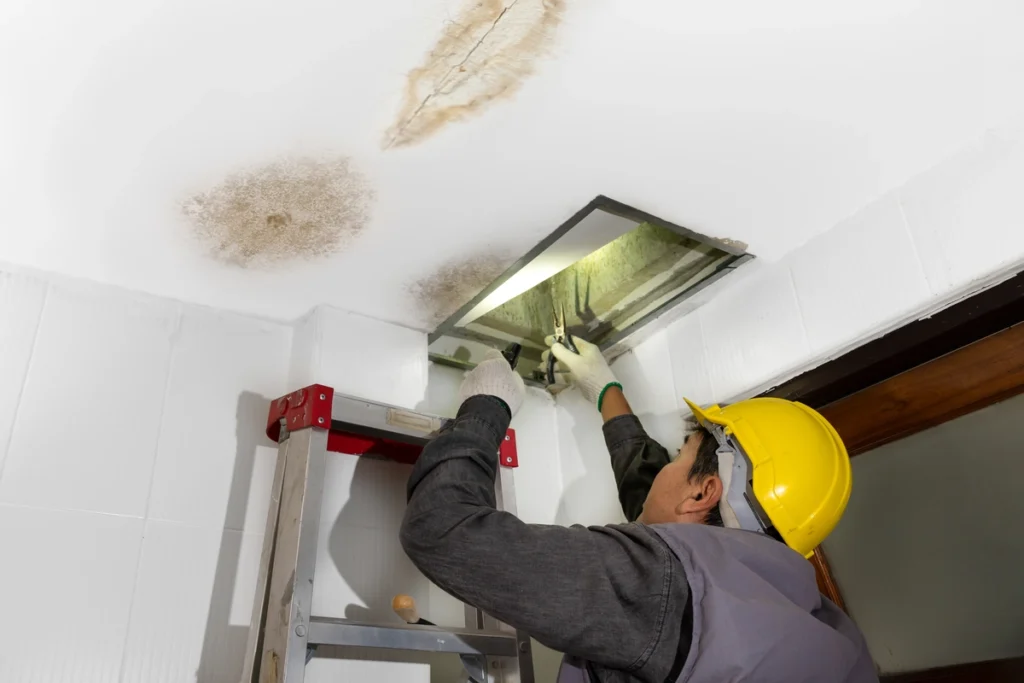
Start inside. Look at the ceiling stain. Is it directly below a roof valley, chimney, or vent? These are common weak points. Then head to the attic if you have one. Use a flashlight and look for water trails, mold, or darkened wood.
Water leaves clues. It follows gravity, but it can also travel sideways along beams before dripping down. If possible, have someone spray water on the roof while you watch from inside. It’s a simple method, but incredibly effective.
Don’t rush this step. The more accurately you trace the leak, the cleaner and more permanent your fix will be.
tip 2: fix flashing before blaming shingles
Many homeowners assume shingles are always the problem. Often, they’re not.
Flashing—the thin metal pieces installed around chimneys, vents, skylights, and edges—is one of the most common sources of leaks. Over time, flashing can rust, warp, or pull away from the roof surface.
When flashing fails, water slips in easily, especially during heavy rain or wind-driven storms.
To fix it, gently lift the surrounding shingles and inspect the flashing underneath. If it’s cracked or corroded, replace it. If it’s loose, reseal it with roofing cement and secure it properly.
A small flashing repair can solve what looks like a major leak. That’s why experienced roofers always check it early.
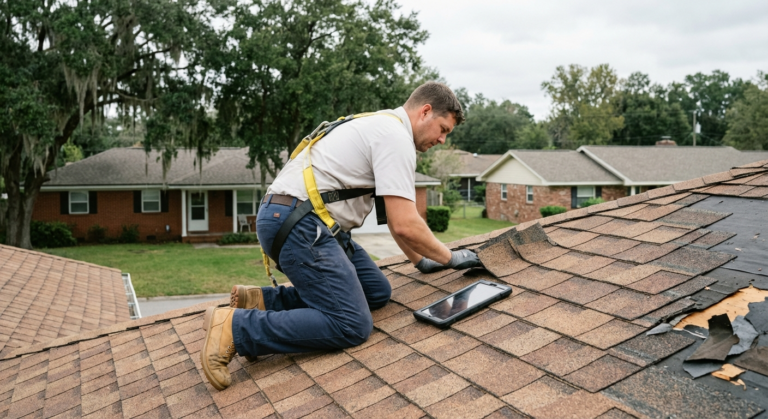
tip 3: replace damaged shingles the right way
A cracked, curled, or missing shingle is an open invitation for water. But replacing shingles isn’t just about swapping one piece for another.
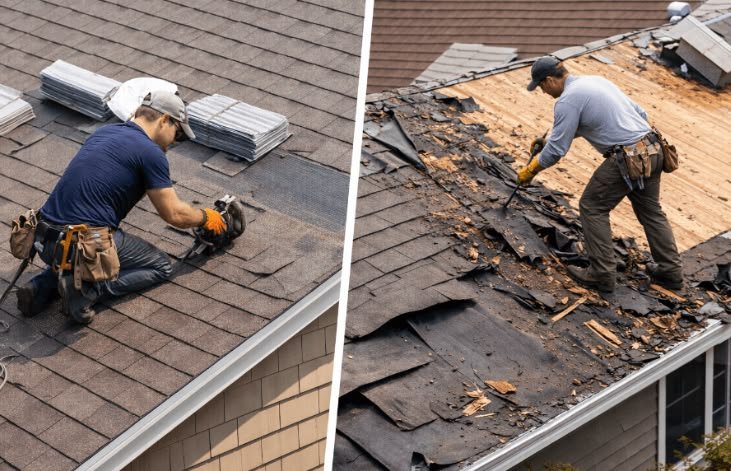
You need to remove the nails from the damaged shingle carefully, without disturbing the surrounding ones. Slide the new shingle into place, align it properly, and secure it with roofing nails in the correct spots—not randomly.
Seal the edges with roofing adhesive to prevent wind from lifting it later.
A sloppy shingle replacement might stop the leak today but create a new one next month. Precision matters more than speed here.
tip 4: seal small cracks before they grow
Not every leak starts big. Tiny cracks in shingles, around vents, or along seams can slowly let water in over time.
These are perfect candidates for roofing sealant. It’s affordable, easy to apply, and surprisingly effective when used correctly.
Clean the area first. Dirt and debris reduce adhesion. Then apply the sealant generously, covering the crack completely. Smooth it out so water can’t pool around it.
This is one of those fixes that feels minor but prevents major repairs later. Catching problems early is half the battle.
tip 5: don’t ignore clogged gutters
It might not seem directly related, but clogged gutters are a hidden cause of roof leaks.
When gutters are blocked, water backs up and can seep under shingles or into the roof edge. Over time, this weakens the structure and leads to leaks.
Cleaning gutters regularly is one of the simplest ways to protect your roof. Make sure downspouts are clear too, so water flows away from your home instead of sitting where it shouldn’t.
Think of gutters as your roof’s drainage system. When they fail, everything above them is at risk.
tip 6: check roof valleys carefully
Roof valleys—the areas where two slopes meet—handle a lot of water. They’re designed to channel rain efficiently, but they’re also more vulnerable to wear and tear.
Leaves, debris, and even ice can accumulate in valleys, trapping moisture and causing damage over time.
Inspect these areas closely. Look for worn shingles, exposed underlayment, or gaps. Reinforce them with proper sealing or replace damaged materials as needed.
Ignoring valleys is like ignoring the busiest highway on your roof. It’s where problems are most likely to show up first.
tip 7: use temporary fixes wisely
Sometimes you don’t have the luxury of a full repair right away. Maybe it’s raining, or you don’t have the materials yet.
In those moments, temporary fixes are valuable—but only if you treat them as temporary.
A tarp secured over the damaged area can prevent further water intrusion. Roofing tape can seal small leaks quickly. Even a bucket in the attic can protect your ceiling for a short time.
But don’t let temporary solutions become permanent habits. They’re meant to buy time, not replace proper repairs.
tip 8: improve attic ventilation
This one surprises a lot of people. Poor attic ventilation can contribute to roof leaks.
When warm, moist air gets trapped in the attic, it can condense on the underside of the roof. Over time, this creates moisture damage that looks like a leak—even if no rain is getting in.
Proper ventilation allows air to circulate, reducing moisture buildup and extending the life of your roof.
Check vents for blockages. Make sure insulation isn’t covering airflow paths. A well-ventilated attic is a quiet but powerful defense against hidden damage.
tip 9: know when to call a professional
There’s a fine line between a DIY fix and a situation that requires professional help.
If the leak is widespread, if the roof structure is compromised, or if you’re dealing with steep or unsafe conditions, it’s time to step back.
Professionals have the tools, experience, and safety equipment to handle complex repairs. More importantly, they can spot underlying issues you might miss.
Trying to fix everything yourself can sometimes make things worse. Knowing your limits is part of being a smart homeowner.
a practical walkthrough: from leak discovery to repair
Imagine this: it’s a rainy evening, and you notice a water stain spreading across your ceiling. What do you do?
First, place a container under the drip to prevent further damage. Then, inspect the attic if possible. Look for the source, not just the symptom.
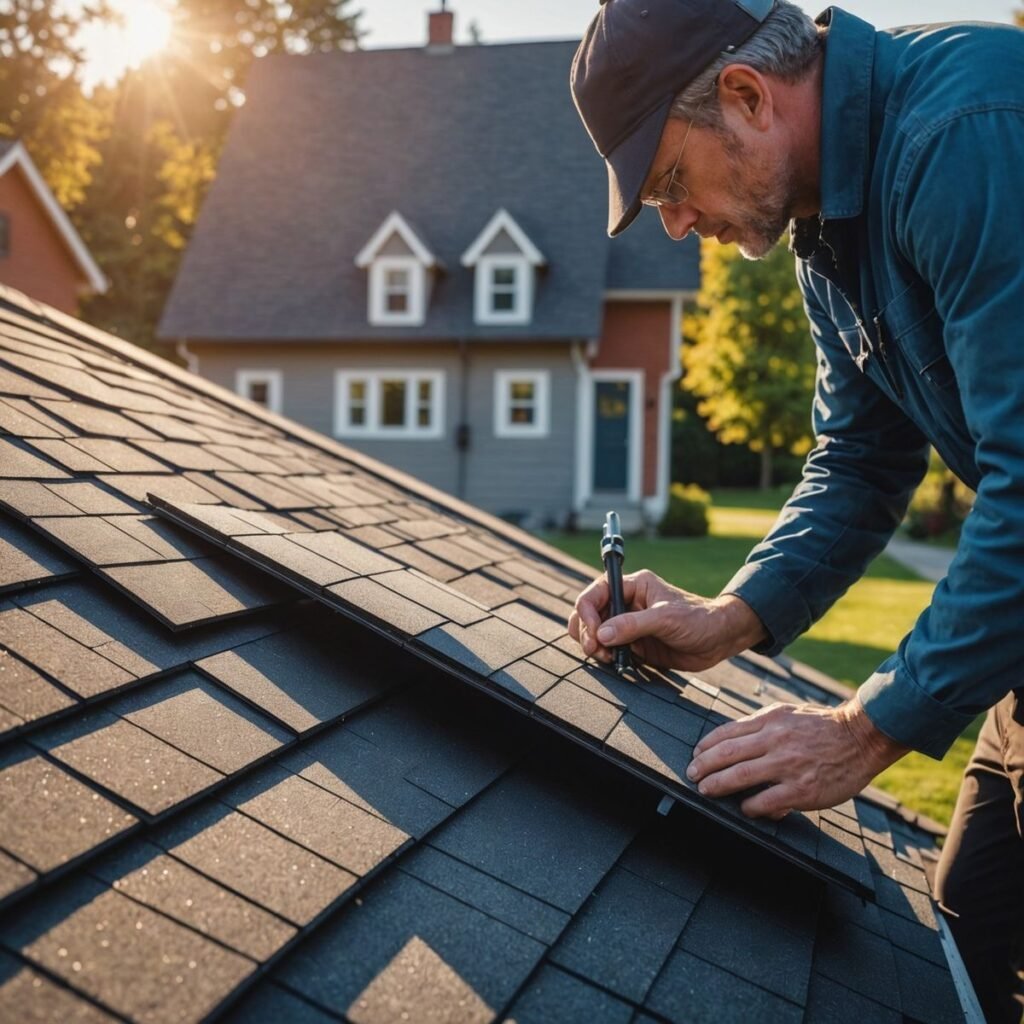
Next, wait for safe weather conditions before heading onto the roof. Once there, trace the area above the leak and inspect flashing, shingles, and nearby features.
Identify the problem. Apply the appropriate fix—whether it’s replacing a shingle, sealing a crack, or repairing flashing.
Finally, monitor the area during the next rain. A successful repair doesn’t just look good; it holds up under pressure.
common mistakes that make leaks worse
One of the biggest mistakes is rushing. Quick fixes without proper inspection often fail.
Another is using the wrong materials. Not all sealants or adhesives are suitable for roofing. Using interior products outside can lead to faster deterioration.
Ignoring safety is another issue. Wet roofs are slippery, and falls can be serious. Always prioritize safe conditions and proper equipment.
And perhaps the most costly mistake is delay. Small leaks become big problems when ignored. Acting early is always cheaper and easier.
maintenance habits that prevent future leaks
Fixing a leak is only part of the story. Preventing the next one is where real value lies.
Inspect your roof at least twice a year. Look for damaged shingles, debris buildup, and signs of wear.
Clean gutters regularly. Trim overhanging branches that can damage shingles or drop debris.
Check attic conditions for moisture or poor ventilation. Address small issues before they grow.
These habits don’t take much time, but they significantly extend the life of your roof and reduce the chances of future leaks.
materials that actually make a difference
Not all roofing materials are created equal. Investing in quality products pays off in durability and performance.
High-quality shingles resist weather better. Proper underlayment adds an extra layer of protection. Good flashing materials prevent leaks at critical points.
Even the best installation can fail if the materials are poor. Choosing wisely upfront saves trouble later.
the emotional side of home repairs
It might sound unusual, but dealing with a roof leak can be stressful. It disrupts your sense of security. Your home is supposed to protect you, not surprise you with water damage.
Taking control of the situation—understanding the problem, applying the fix, and seeing the result—restores that sense of stability.
There’s satisfaction in solving a problem with your own hands. And there’s peace of mind in knowing your home is safe again.
frequently asked questions
- how do i know if my roof leak is serious
If the leak is spreading, causing structural damage, or appearing in multiple areas, it’s likely serious. Small, isolated leaks are easier to fix, but anything widespread should be assessed carefully or by a professional. - can i fix a roof leak from inside the house
You can manage the symptoms temporarily, like catching water or sealing minor gaps in the attic, but proper repairs usually require access to the roof itself. - how long does a typical roof repair last
A well-done repair using quality materials can last several years. However, temporary fixes may only last weeks or months depending on conditions. - is roofing sealant enough to stop leaks permanently
It depends on the cause. Sealant works well for small cracks and minor issues, but larger problems like damaged flashing or missing shingles need more comprehensive repairs. - what is the best time to fix a roof leak
Dry, mild weather is ideal. Working on a wet or icy roof is dangerous and less effective for repairs. - how can i prevent leaks during heavy rain seasons
Regular maintenance is key. Clean gutters, inspect your roof before the rainy season, and address small issues early to prevent major leaks.
closing thoughts
Roof leaks are one of those problems that test both patience and practicality. They rarely show up at convenient times, and they often seem worse than they are at first glance.
But with the right approach—careful inspection, thoughtful repairs, and consistent maintenance—you can handle them effectively.
These nine essential tips aren’t just theory. They’re grounded in what actually works, in real homes, under real conditions. And once you’ve dealt with a leak properly, you’ll find that the fear of the next one fades.
Because you’ll know exactly what to do.
About the Author