
5 Powerful Roof Leak Fix Guide Fixing Secrets Pros Use
5 powerful roof leak fix guide fixing secrets pros use
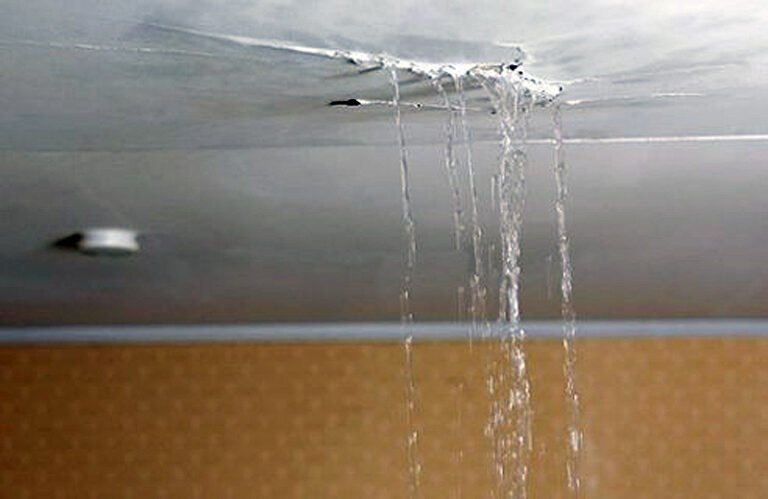
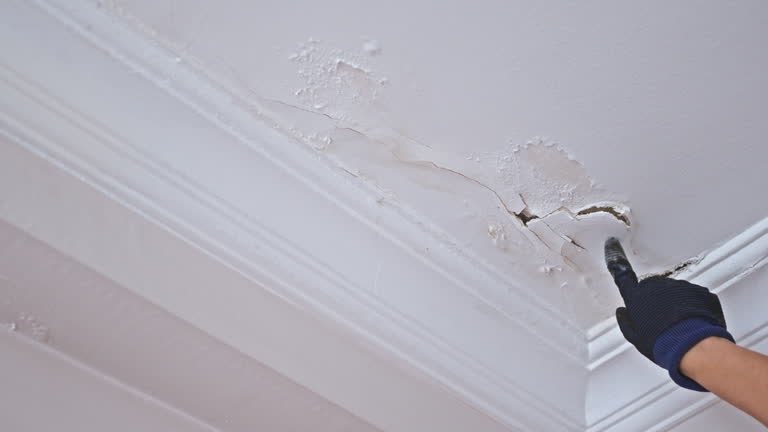
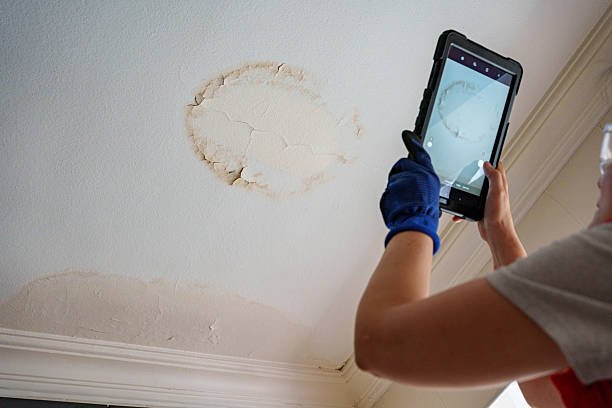
There is a particular kind of frustration that only a leaking roof can create. It starts quietly, often unnoticed, a faint discoloration on a ceiling or a subtle drip during a heavy rain. Then it grows into something louder, more intrusive, and sometimes expensive. The truth is, roof leaks are rarely about a single problem. They are usually the result of small oversights, overlooked maintenance, or materials slowly giving in to time and weather.
Professionals who deal with roofing every day rarely panic when they see a leak. Instead, they follow a set of habits, techniques, and observations that turn what seems like a disaster into a manageable fix. These aren’t just tricks—they are principles shaped by experience, trial, and countless hours spent under harsh sun and unexpected rain.
This guide explores five powerful secrets that professionals rely on when fixing roof leaks. It goes beyond quick patches and dives into how to understand, diagnose, and fix leaks in a way that lasts.
secret one: finding the real source instead of the visible damage
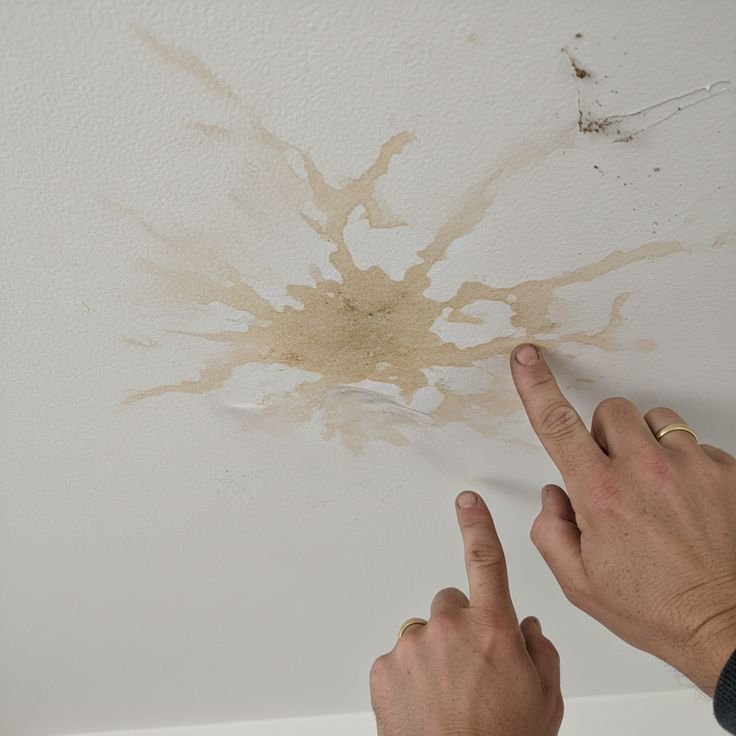
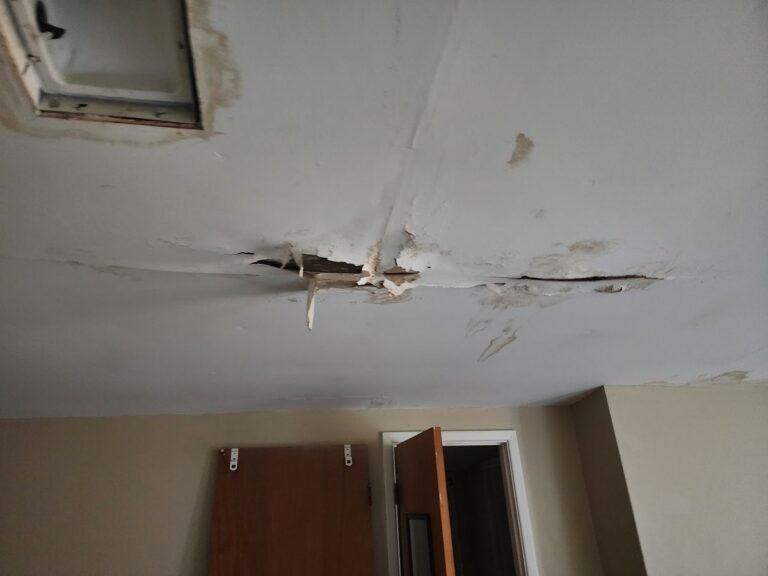
One of the biggest mistakes homeowners make is assuming that the leak is directly above the stain. In reality, water is clever. It travels along beams, insulation, and even wiring before it finally drips down into your living space. What you see inside your home is often just the end of a much longer journey.
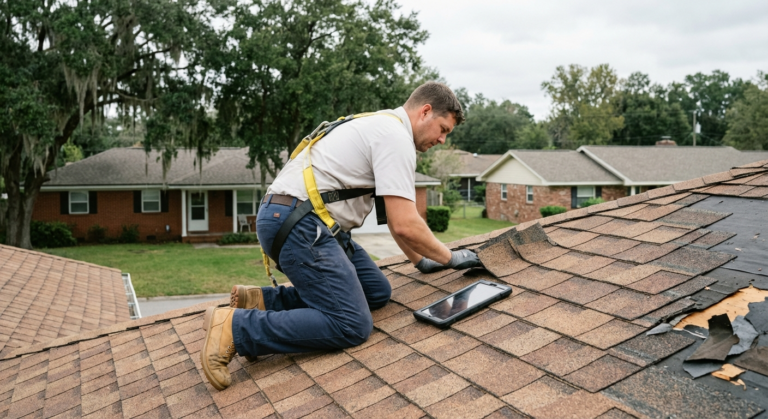
Professionals begin by stepping back and thinking like water. They look at the slope of the roof, the direction of rainfall, and any possible entry points such as vents, chimneys, or damaged shingles. Instead of focusing on the stain, they trace the path backwards.
A practical way to do this is to inspect the attic during daylight. Turn off all lights and look for tiny beams of sunlight entering through cracks or holes. These are often the same pathways that water uses. If sunlight can pass through, water certainly can.
Another approach involves controlled testing. With a helper, one person stays inside while the other sprays sections of the roof with a hose. By isolating sections, it becomes easier to pinpoint where the leak begins. This method requires patience, but it is far more effective than guessing.
It’s also important to pay attention to roof penetrations. Areas where something passes through the roof—like pipes or vents—are naturally vulnerable. The seals around these features degrade over time, creating hidden entry points for water.
By focusing on the true origin of the leak rather than the visible damage, professionals save time, avoid unnecessary repairs, and ensure that the problem is fully resolved.
secret two: understanding materials and how they fail
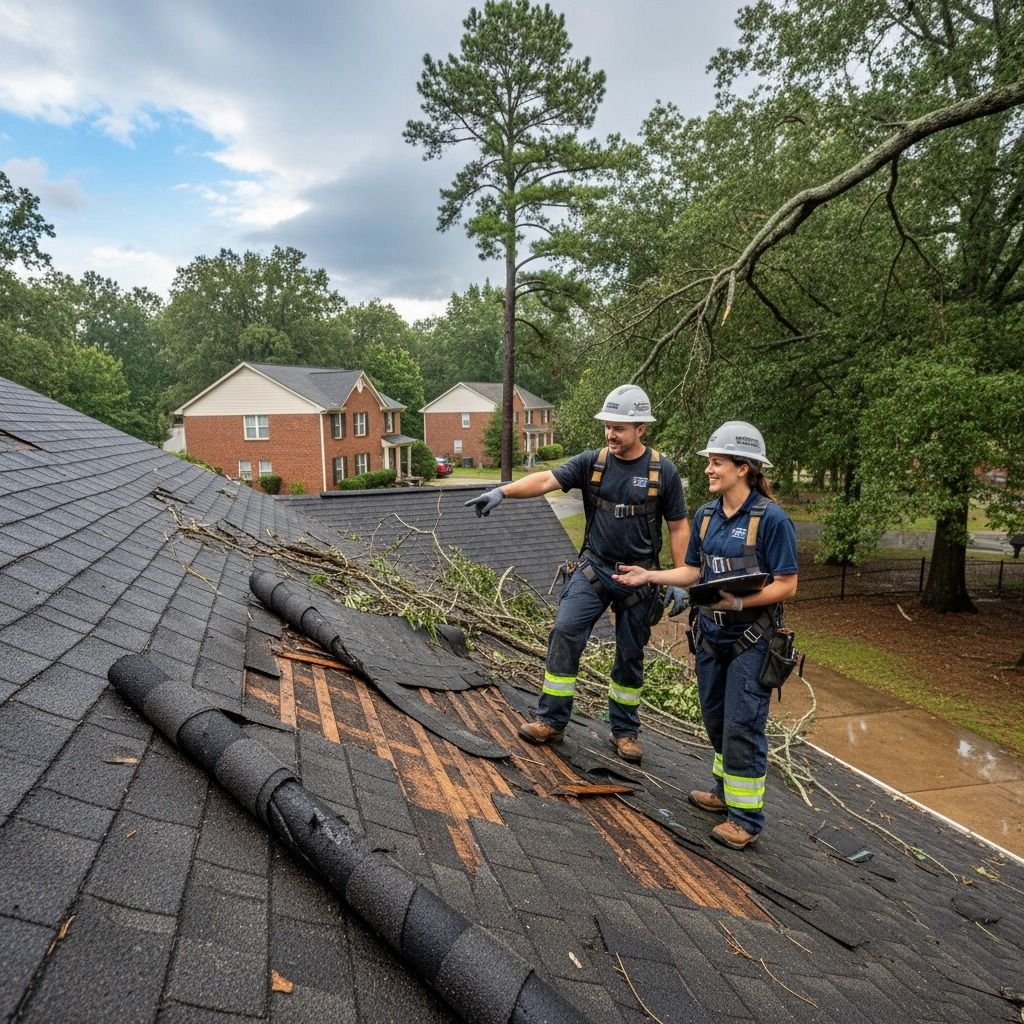
Not all roofs are built the same, and not all leaks behave the same way. A professional understands the materials they are working with and how those materials age.
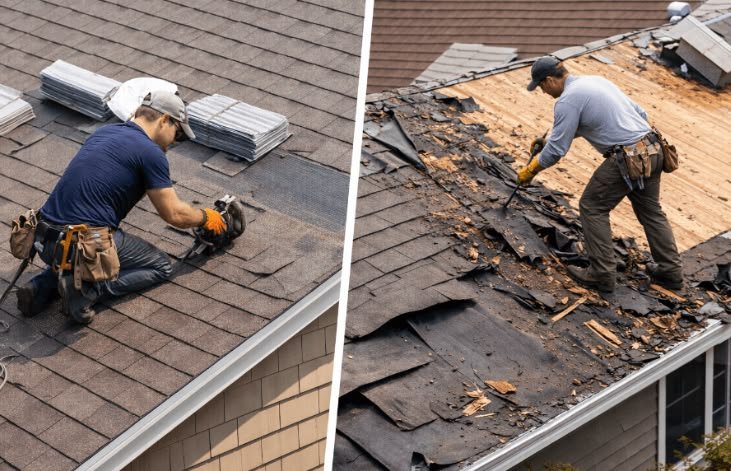
Asphalt shingles, for example, are common and relatively durable, but they become brittle over time. Sun exposure dries them out, causing cracks that may not be visible from a distance. Once cracked, they allow water to seep underneath.
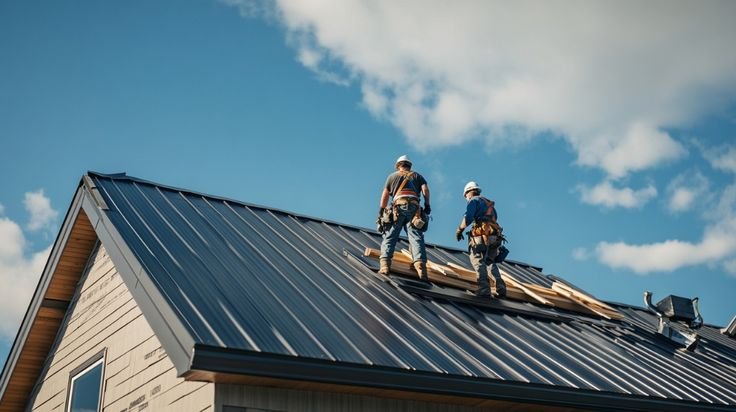
Metal roofs have their own challenges. They expand and contract with temperature changes, which can loosen fasteners or create tiny gaps along seams. Even a small opening can let water in, especially during wind-driven rain.
Tile roofs are strong but can shift or break under pressure. When one tile moves out of place, it exposes the underlayment beneath, which may not be designed for long-term exposure.
Professionals don’t just look at what is broken—they look at why it broke. Was it age, poor installation, weather damage, or something else? This understanding influences how they fix the problem.
For instance, replacing a single damaged shingle may solve the immediate issue, but if the surrounding shingles are also nearing the end of their lifespan, a larger repair may be more effective. Similarly, resealing a vent might stop a leak temporarily, but if the flashing around it is corroded, it will fail again soon.
Knowing how materials behave allows professionals to choose the right fix, not just a quick one.
secret three: mastering the art of proper sealing and flashing
If there is one area where professional skill truly shines, it is in sealing and flashing. Flashing refers to thin pieces of metal installed around roof features to direct water away from vulnerable areas. When done correctly, it acts as a barrier that prevents water from entering the structure.
Improper flashing is one of the leading causes of roof leaks. It may be installed incorrectly, damaged over time, or simply worn out. Professionals pay close attention to these areas because they know how critical they are.
When repairing flashing, the goal is not just to cover the gap but to integrate the new material seamlessly with the existing roof. This often involves lifting surrounding shingles, removing old sealant, and carefully installing new flashing in layers that guide water downward and away.
Sealants are also used, but professionals treat them as a supplement, not a primary defense. A common mistake is relying too heavily on caulk or roof cement. While these materials can be useful, they degrade over time and should not replace proper flashing techniques.
Temperature and weather conditions also matter. Applying sealant in cold or wet conditions can reduce its effectiveness. Professionals choose the right time and conditions to ensure a strong, lasting bond.
By focusing on proper sealing and flashing, professionals create repairs that stand up to rain, wind, and time.
secret four: addressing underlying structural issues
Sometimes, a leak is just a symptom of a deeper problem. Professionals know that fixing the surface without addressing the underlying issue is like treating a symptom without curing the disease.
One common underlying issue is poor ventilation. When a roof lacks proper airflow, heat and moisture build up in the attic. This can cause materials to deteriorate faster and even lead to condensation that mimics a leak.
Another issue is sagging or weakened roof decking. If the structure beneath the roofing material is compromised, it can create low spots where water collects. Over time, this standing water finds its way through even the smallest imperfections.
Gutters and drainage systems also play a role. Clogged or poorly designed gutters can cause water to back up onto the roof, increasing the likelihood of leaks. Professionals often inspect and clean gutters as part of their repair process.
In some cases, the problem may be related to the slope of the roof itself. Areas with insufficient pitch may not shed water effectively, leading to pooling and eventual leakage.
By looking beyond the immediate problem, professionals ensure that their repairs address the root cause, not just the visible damage.
secret five: using layered repairs instead of quick fixes
A quick fix might stop a leak temporarily, but professionals aim for durability. They use layered repairs that combine multiple techniques to create a stronger, more reliable solution.
For example, instead of simply applying sealant to a crack, they might remove the damaged material, install a patch, add flashing, and then seal the edges. Each layer serves a purpose, working together to prevent water from entering.
This approach takes more time and effort, but it significantly reduces the chances of the leak returning. It also provides peace of mind, knowing that the repair is built to last.
Layered repairs are especially important in areas that experience heavy rainfall or extreme weather. In these conditions, even small weaknesses can quickly become major problems.
Professionals also test their repairs whenever possible. After completing the work, they may simulate rain or wait for natural rainfall to confirm that the leak has been fully resolved.
This commitment to thoroughness is what sets professional repairs apart from temporary fixes.
bringing it all together
Fixing a roof leak is not just about stopping water—it’s about understanding how water behaves, how materials respond, and how small issues can grow into larger ones. The five secrets outlined in this guide are not isolated techniques. They work together as part of a larger approach to roofing.
Finding the true source ensures that the problem is correctly identified. Understanding materials helps in choosing the right solution. Proper sealing and flashing create a strong defense against water. Addressing underlying issues prevents future problems. And layered repairs provide long-term reliability.
When combined, these principles transform roof repair from a reactive task into a proactive process.
homeowner reflections and practical takeaways
If you are dealing with a roof leak, it can feel overwhelming. But with the right mindset and approach, it becomes manageable. Start by observing carefully. Take your time to understand what is happening before jumping into repairs.
Invest in quality materials and tools. While it may be tempting to choose cheaper options, they often lead to more frequent repairs. Quality materials, when used correctly, save money in the long run.
Don’t hesitate to seek professional help for complex issues. Some problems require experience and specialized knowledge. Knowing when to call a professional is just as important as knowing how to fix something yourself.
Regular maintenance is also key. Inspect your roof periodically, especially after storms. Clean gutters, check for damaged shingles, and address small issues before they become larger ones.
A roof is more than just a covering—it is a system that protects your home and everything inside it. Treating it with care and attention ensures that it continues to do its job effectively.
frequently asked questions
what is the most common cause of roof leaks
The most common cause is damaged or missing shingles, often combined with deteriorated flashing. Weather exposure and aging materials play a major role in creating these vulnerabilities.
can i fix a roof leak myself
Yes, small and simple leaks can often be fixed by homeowners with basic tools and safety precautions. However, complex issues or structural problems are better handled by professionals.
how long does a typical roof repair last
A well-done repair can last several years or even decades, depending on the materials used and the quality of the work. Temporary fixes may only last a few months.
is it better to repair or replace a roof
It depends on the extent of the damage and the age of the roof. If the roof is relatively new and the damage is localized, repair is usually sufficient. If the roof is old and has multiple issues, replacement may be more cost-effective.
how can i prevent future roof leaks
Regular maintenance, proper ventilation, clean gutters, and timely repairs are the best ways to prevent leaks. Keeping an eye on your roof after storms also helps catch problems early.
what should i do immediately after noticing a leak
Contain the water to prevent interior damage, then try to identify the source. If possible, apply a temporary fix until a permanent repair can be made. Acting quickly reduces the risk of further damage.
In the end, the difference between a recurring problem and a lasting solution often comes down to approach. Professionals rely on observation, understanding, and precision. By adopting these same principles, you can handle roof leaks with greater confidence and success.
About the Author