11 Ultimate Roof Leak Fix Guide Fixing Tips for Homeowners
11 ultimate roof leak fix guide fixing tips for homeowners
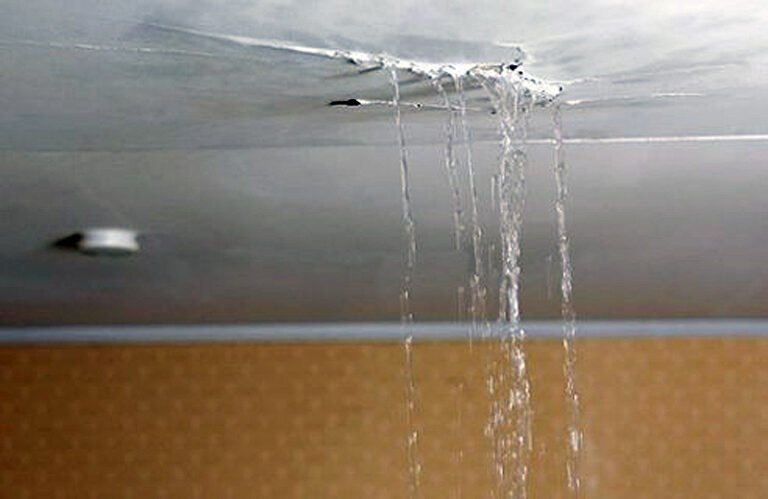
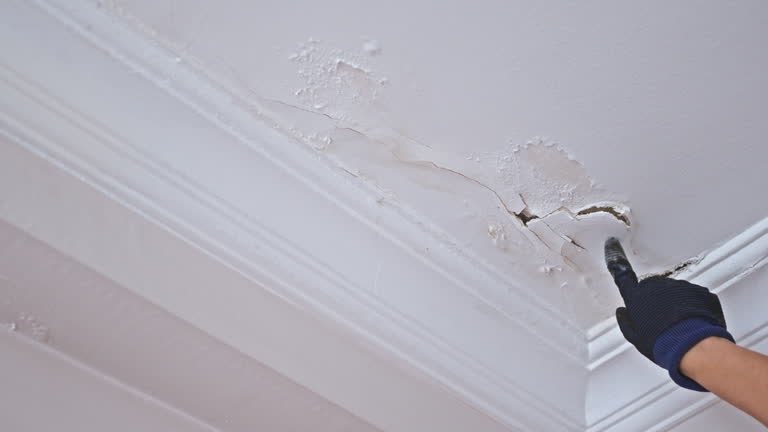
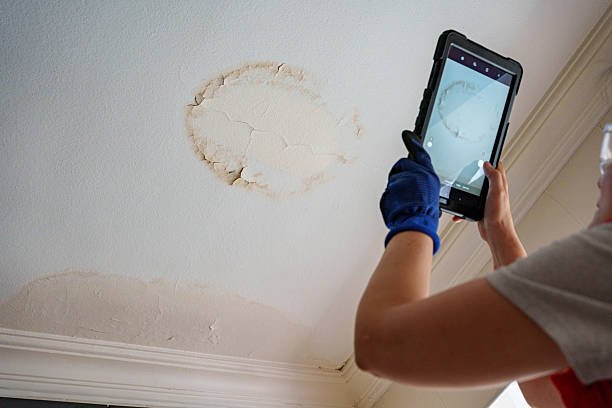
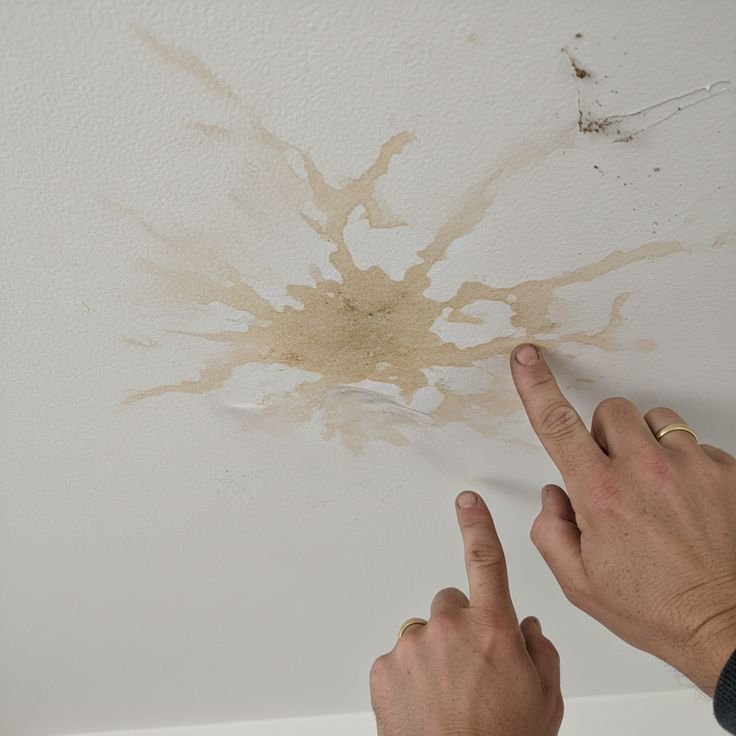
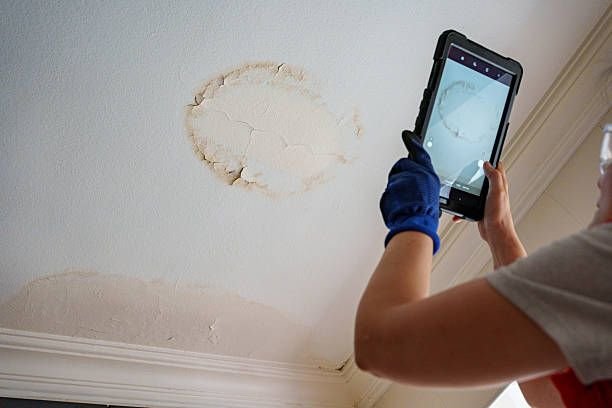
There is a particular kind of frustration that only a roof leak can create. It often begins quietly—a faint stain on the ceiling, a musty smell that wasn’t there last week, or a single drop hitting the floor during a storm. And then, before you fully process it, the problem grows. Water spreads, paint bubbles, wood softens, and what could have been a simple fix turns into a costly repair.
Most homeowners don’t think much about their roof until something goes wrong. Yet, the roof is your home’s first line of defense against nature. When it fails, even in a small way, the entire structure becomes vulnerable. The good news is that many roof leaks can be understood, managed, and even fixed without immediately calling a professional—if you know what to look for and how to act.
This guide goes beyond surface-level advice. It dives into real-world fixing tips, practical thinking, and lessons that homeowners often learn only after damage has already occurred.
understanding how roof leaks actually start
Before you grab tools or sealants, it helps to understand how leaks begin. Roof leaks rarely happen because of one dramatic failure. Instead, they develop from small weaknesses that worsen over time.
Weather plays a big role. Sun exposure can crack shingles, wind can lift them, and rain finds even the tiniest opening. Over time, materials expand and contract, nails loosen, and seals break down. Debris like leaves can trap moisture, slowly rotting sections of the roof.
Another common cause is poor installation. Even a new roof can leak if flashing is incorrectly placed or shingles are misaligned. That’s why even newer homes are not immune.
The key takeaway is simple: leaks are often slow problems that suddenly become visible.
tip 1: trace the leak backwards, not forwards
One of the biggest mistakes homeowners make is trying to fix the spot where water appears inside. Water travels. It can run along beams, insulation, and drywall before it finally drips.
Instead of focusing on the visible damage, think like water. Start from the interior leak and move upward and outward. Check the attic if possible. Look for damp insulation, water trails, or darkened wood. These clues often point to the actual entry point.
Sometimes the leak origin is several feet away from where you see the damage. Fixing the wrong spot wastes time and allows the real problem to grow.
tip 2: inspect your roof regularly, not just after storms
Waiting for a leak to appear is like waiting for a car engine to fail before checking the oil. Preventive inspection saves money and stress.
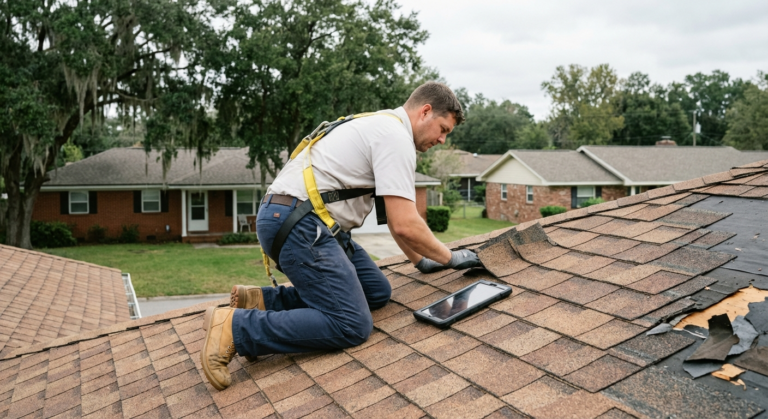
Walk around your home every few months and look at the roof from the ground. Notice any missing, curled, or cracked shingles. Check for sagging areas or debris buildup.
If you can safely access the roof, do a closer inspection. Pay special attention to areas around chimneys, vents, and skylights—these are common leak zones.
Consistency matters more than perfection. A simple inspection routine can catch issues before they become emergencies.
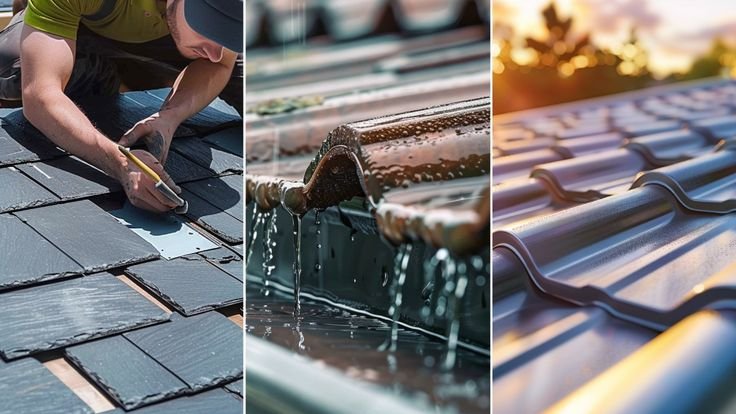
tip 3: understand flashing—it’s often the real culprit
Flashing is the thin metal installed around roof features like chimneys, vents, and valleys. Its job is to direct water away from seams and joints.
When flashing fails, leaks are almost inevitable.
Look for rust, cracks, or loose sections. Even a small gap can allow water to seep underneath. In many cases, repairing or replacing flashing solves the problem without touching the shingles.
Applying roofing sealant around flashing edges can be a quick fix, but long-term solutions may require removing and reinstalling the flashing properly.
tip 4: don’t ignore small leaks—they rarely stay small
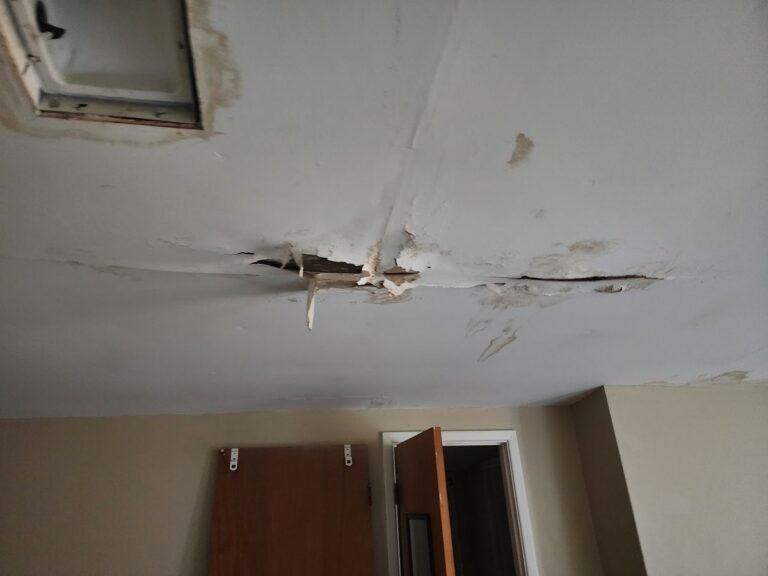
A tiny drip might seem harmless, especially if it only appears during heavy rain. But water is persistent. It seeps into materials, weakens structures, and encourages mold growth.
Ignoring a small leak can lead to:
rotted wood framing
damaged insulation
mold and mildew issues
ceiling collapse in extreme cases
Addressing a leak early is always cheaper and easier than dealing with the consequences later.
tip 5: clean your gutters more often than you think
Clogged gutters are a hidden cause of roof leaks. When water cannot flow away properly, it backs up under shingles and into the roof structure.
Leaves, dirt, and debris create blockages that trap moisture. Over time, this standing water finds its way inside.
Cleaning gutters at least twice a year is a good rule, but more frequent cleaning may be needed if you have nearby trees.
Also check that downspouts are directing water away from your home’s foundation.
tip 6: use the right sealant—not all are equal
When fixing a leak, many homeowners grab whatever sealant is available. This can lead to temporary fixes that fail quickly.
Roofing sealants are designed to withstand weather changes, UV exposure, and moisture. Using the wrong type can result in cracking, peeling, or ineffective sealing.
Choose products specifically labeled for roofing applications. Pay attention to compatibility with your roof material, whether it’s asphalt shingles, metal, or tile.
Applying sealant properly is just as important as choosing the right one. Clean and dry the area before application for best results.
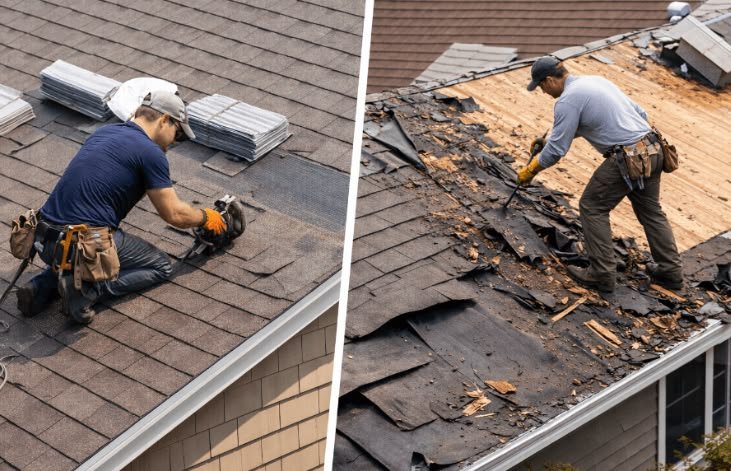
tip 7: replace damaged shingles instead of patching them
It can be tempting to patch a cracked or missing shingle with sealant. While this might work temporarily, it’s not a long-term solution.
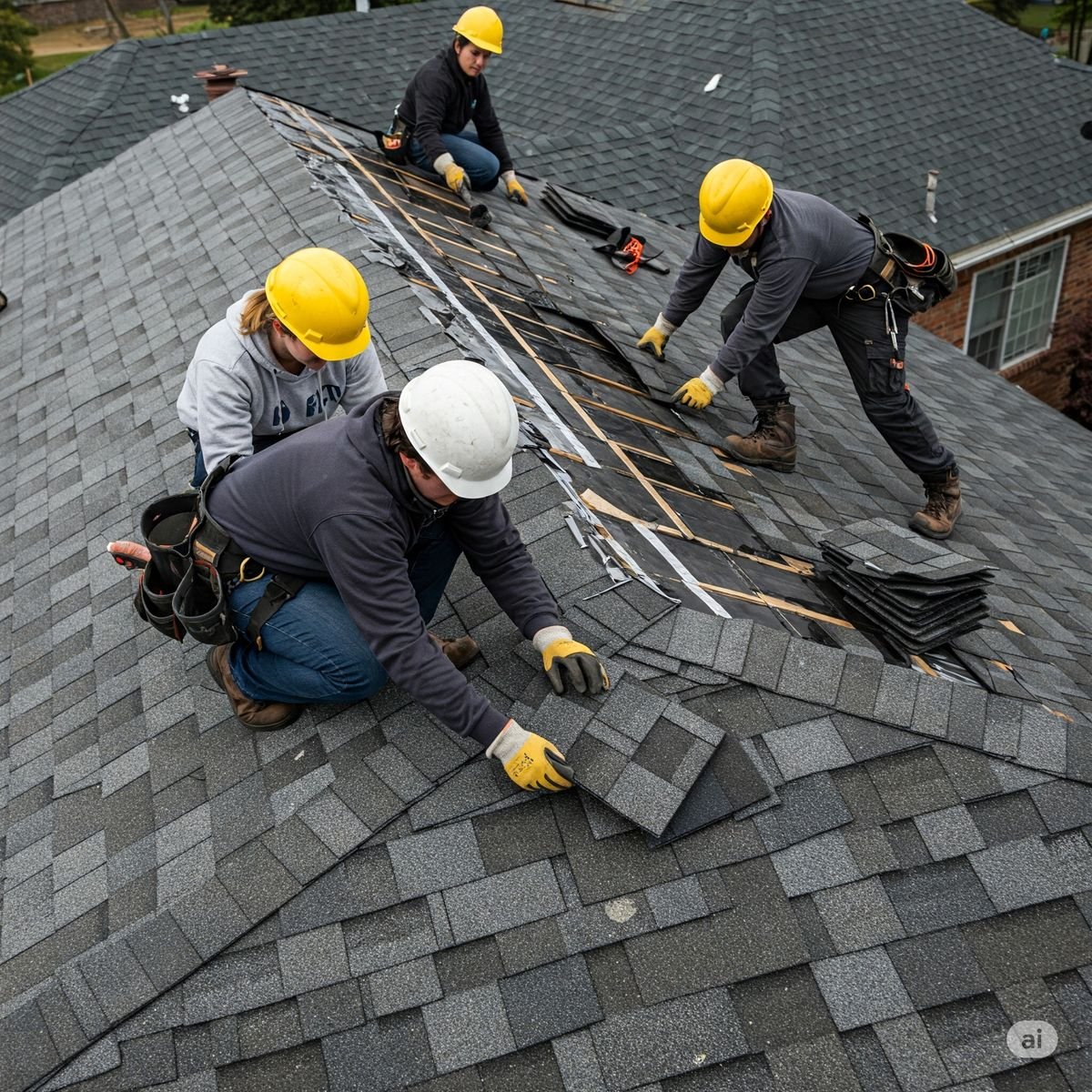
Replacing the damaged shingle restores the roof’s integrity. It also prevents water from getting underneath adjacent shingles.
The process usually involves lifting surrounding shingles, removing nails, sliding in a new shingle, and securing it properly.
It may take a bit more effort, but it significantly reduces the chance of recurring leaks.
tip 8: check attic ventilation—it affects moisture buildup
Roof leaks are not always caused by external water. Sometimes, moisture builds up inside the attic due to poor ventilation.
Warm air from inside the house rises and condenses on the cooler underside of the roof. Over time, this moisture can mimic a leak.
Proper ventilation allows air to circulate, reducing condensation and preventing damage.
Look for signs like damp insulation, mold, or a musty smell in the attic. Improving ventilation can solve these issues without any exterior repairs.
tip 9: be cautious when walking on your roof
Fixing a leak often requires getting onto the roof. While this might seem straightforward, it carries risks.
Stepping incorrectly can damage shingles or even create new leaks. More importantly, it can be dangerous.
Use proper safety equipment, wear non-slip shoes, and avoid working on wet or steep roofs. If the roof feels unsafe, it’s better to call a professional.
Sometimes the cost of hiring help is far less than the risk of injury or further damage.
tip 10: temporary fixes are useful—but don’t rely on them
In emergencies, temporary fixes can prevent immediate damage. Using a tarp, applying quick sealant, or redirecting water can buy you time.
However, these are not permanent solutions.
A tarp may stop water for a while, but it won’t address the underlying issue. Sealant can degrade over time.
Always plan for a proper repair as soon as possible. Treat temporary fixes as a short-term strategy, not a final answer.
tip 11: know when to call a professional
There is a point where DIY efforts are no longer practical. Large leaks, structural damage, or complex roof designs require professional expertise.
If you notice widespread damage, sagging areas, or multiple leak points, it’s time to bring in a roofing specialist.
Professionals have the tools, experience, and knowledge to diagnose and fix problems efficiently. They can also identify issues you might miss.
Recognizing your limits is part of being a responsible homeowner.
a real-world perspective: lessons learned over time
Many homeowners only realize the importance of roof maintenance after experiencing a leak. The common pattern is delay—waiting too long to inspect, ignoring early signs, or opting for quick fixes.
Those who stay proactive often avoid major problems altogether. They treat their roof as a system that needs attention, not just a structure that sits above them.
The difference is not luck. It’s awareness and action.
simple maintenance habits that prevent future leaks
prevention is always easier than repair. A few consistent habits can significantly reduce the risk of leaks:
inspect your roof regularly
keep gutters clean
trim overhanging branches
check attic conditions
fix minor issues immediately
These small actions add up over time, protecting your home and saving money.
how weather patterns influence your roof
Different climates create different challenges. Heavy rainfall increases the risk of leaks, while intense heat can cause materials to crack.
Wind can lift shingles, and hail can create small impacts that weaken the roof’s surface.
Understanding your local weather helps you prepare better. For example, after a strong storm, a quick inspection can catch damage early.
your roof as a long-term investment
A roof is not just a protective layer—it’s an investment. Taking care of it extends its lifespan and maintains your home’s value.
Neglect leads to costly repairs and potential structural issues. Proper maintenance ensures that your roof continues to perform effectively for years.
thinking long-term changes how you approach even small repairs.
frequently asked questions
- how do i know if my roof leak is serious
If the leak is consistent, spreading, or causing visible damage like sagging ceilings or mold, it’s serious. Even small leaks should be addressed quickly to prevent escalation. - can i fix a roof leak without replacing the entire roof
Yes, most leaks can be fixed by repairing specific areas such as flashing or damaged shingles. Full replacement is only necessary in cases of widespread damage. - how long does a roof repair usually last
A proper repair can last many years, depending on materials and workmanship. Temporary fixes may only last a few weeks or months. - is it safe to fix a roof leak myself
It depends on the roof’s condition and your experience. Flat or low-slope roofs are generally safer, but steep or damaged roofs can be dangerous. Safety should always come first. - what is the most common cause of roof leaks
Damaged shingles and faulty flashing are among the most common causes. Clogged gutters and poor installation also contribute significantly. - how much does it typically cost to fix a roof leak
Costs vary widely based on the severity of the issue. Minor repairs can be inexpensive, while major damage may require significant investment.
closing thoughts
A roof leak is never convenient, but it doesn’t have to be overwhelming. With the right mindset and knowledge, you can approach the problem calmly and effectively.
The key is to act early, understand the root cause, and choose the right solution. Whether it’s a simple fix or a more involved repair, every step you take protects your home and gives you peace of mind.
In the end, maintaining your roof is not just about preventing leaks—it’s about preserving the place you call home.
About the Author