
11 Fast Roof Leak Fix Guide Safety Tips That Actually Work
11 Fast Roof Leak Fix Guide Safety Tips That Actually Work
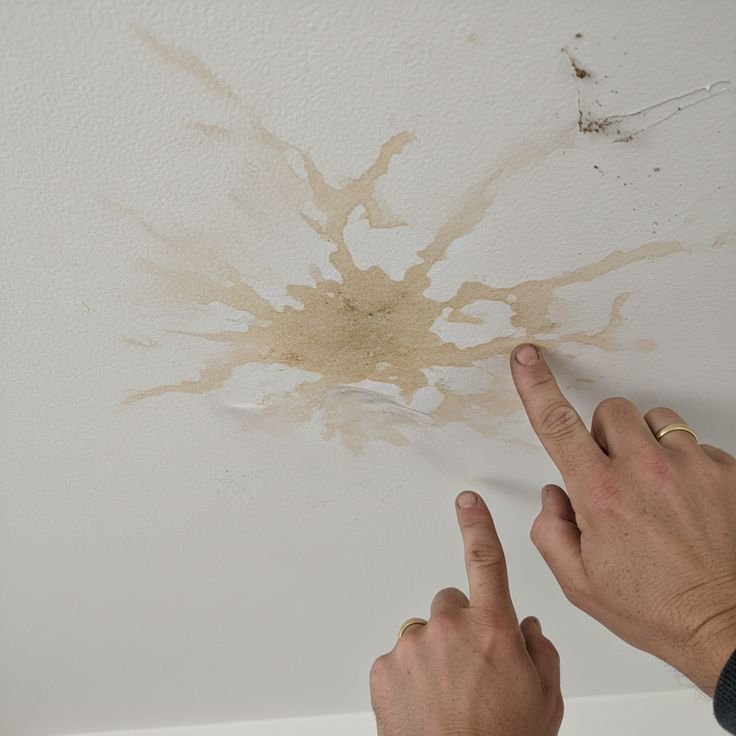
There’s something strangely humbling about standing under a leaking roof. The steady drip feels louder than it should, each drop a reminder that your home — the place that’s supposed to protect you — suddenly needs protection itself. I remember the first time I dealt with a roof leak. It wasn’t dramatic. No storm, no broken tiles flying across the yard. Just a quiet stain spreading across the ceiling like a secret I had ignored too long.
If you’ve found yourself in a similar situation, you already know this isn’t just about fixing a leak. It’s about doing it safely, quickly, and without turning a small issue into a dangerous one. Because while roof repairs may seem straightforward, they can quickly become risky if handled carelessly.
This guide isn’t just a checklist. It’s a mix of practical steps, small lessons learned the hard way, and realistic advice that actually works when you’re dealing with a leak under pressure.
- Start inside before you climb outside
The instinct is always to grab a ladder and head straight to the roof. But that’s rarely the smartest first move. Start inside your home.
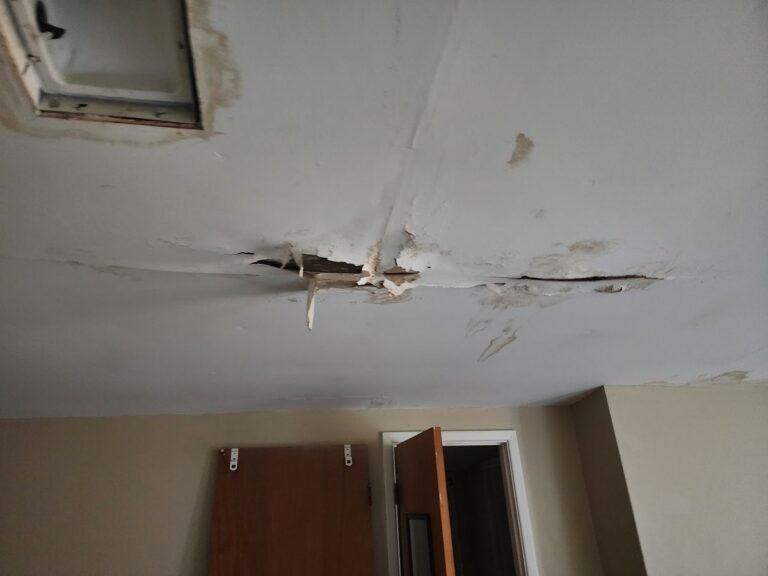
Look for water stains, damp insulation, or peeling paint. Follow the path of the moisture. Water doesn’t always drip straight down—it travels. A leak in one spot on the roof can show up somewhere completely different indoors.
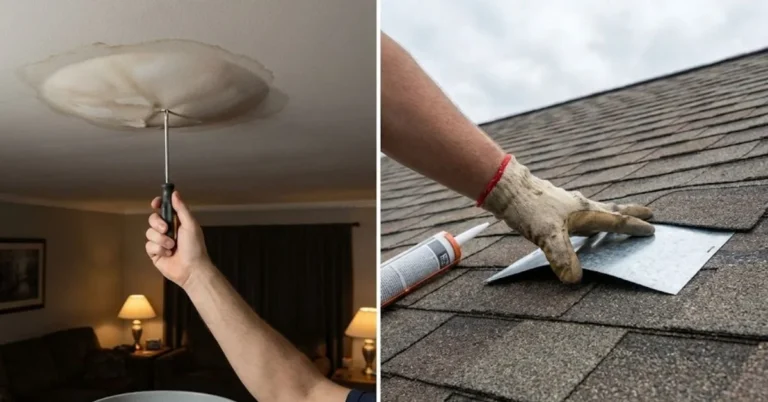
Put a bucket or container under the drip. It sounds simple, but controlling the water buys you time and prevents further damage. If the ceiling is bulging, carefully puncture it to release trapped water. This might feel wrong, but it prevents a sudden collapse.
Safety tip: turn off electricity in affected areas if water is near wiring. This is one of the most overlooked risks.
- Never rush onto a wet or unstable roof
Speed matters when dealing with leaks, but rushing onto a slippery roof is a mistake many people regret.
Wet shingles, moss, or even dust can turn your roof into a hazard. Add in poor footwear, and it becomes dangerous within seconds.
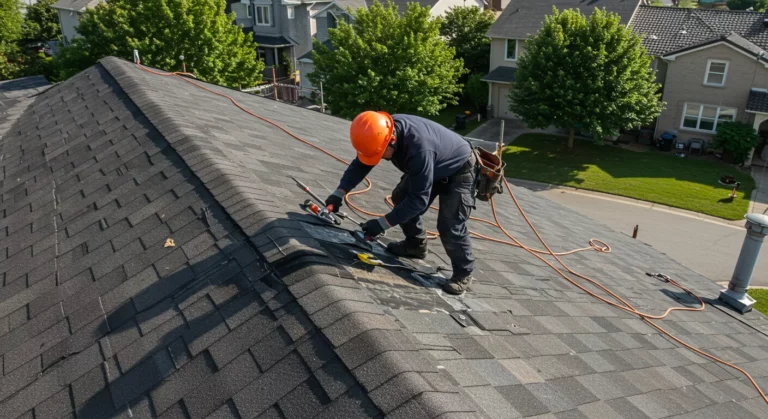
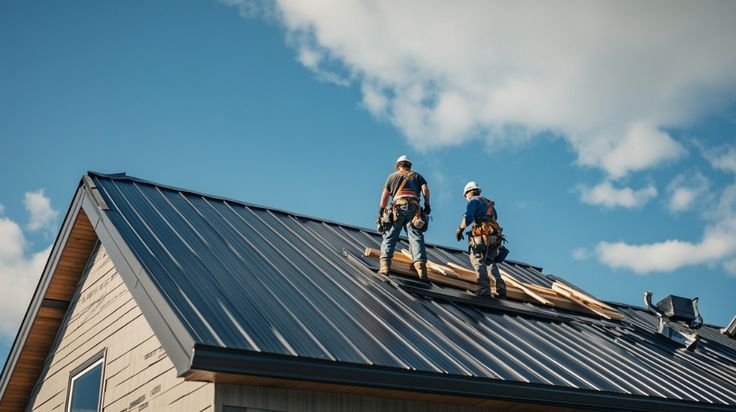
Wait until conditions are as dry as possible. If you must go up, wear shoes with strong grip and avoid loose clothing. Use a sturdy ladder placed on level ground.
Safety tip: always have someone nearby. Not to “help” necessarily, but to be there if something goes wrong.
- Temporary fixes are not a failure
There’s a mindset that if you’re not fixing the problem permanently, you’re doing it wrong. That’s not true—especially with roof leaks.
A well-placed tarp, roofing tape, or sealant can stop water intrusion immediately. These are not shortcuts; they are smart, controlled responses.
Secure a tarp over the affected area, extending it beyond the leak. Anchor it properly so wind doesn’t turn it into a sail.
Safety tip: never try to stretch or secure a tarp alone in windy conditions. That’s one of the easiest ways to lose balance.
- Identify the real source, not just the symptom
One of the trickiest parts of fixing roof leaks is misdiagnosis. You see water in one spot, fix that area, and assume the problem is solved—until the next rain proves otherwise.
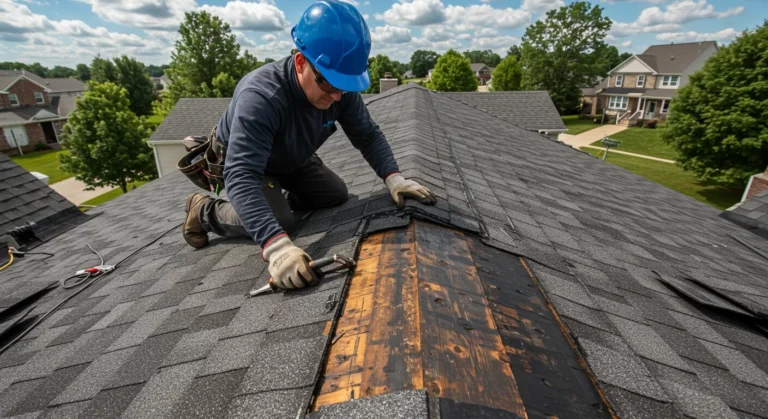
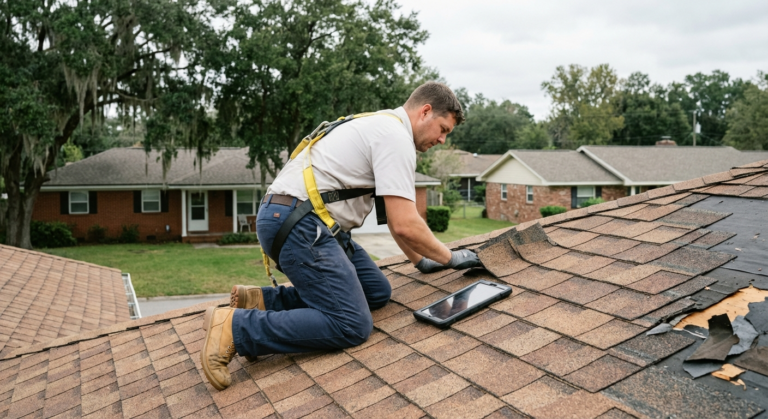
Check for cracked shingles, damaged flashing, clogged gutters, or even small holes around vents. Pay close attention to roof valleys and joints, where water naturally collects.
Sometimes, what looks like a major issue is just a loose nail or minor gap. Other times, the damage is hidden under layers.
Safety tip: avoid lifting large sections of roofing unless you’re sure of what you’re doing. This can cause more damage than the leak itself.
- Use the right tools, even for quick fixes
In urgent situations, it’s tempting to improvise. A piece of cloth, random adhesive, or anything nearby might seem “good enough.”
But using the wrong materials often makes things worse. Cheap fixes fail quickly and may even trap moisture, leading to mold or rot.
Basic tools worth having include roofing sealant, a hammer, roofing nails, a pry bar, and a reliable ladder.
Safety tip: keep tools organized and within reach. Reaching too far or moving awkwardly on a roof increases the chance of slipping.
- Pay attention to your body and balance
Roof work is physically demanding, even for small repairs. It’s not just about strength—it’s about balance and awareness.
Move slowly. Keep your center of gravity low. Avoid sudden shifts in weight.
If you feel tired, dizzy, or unsure, stop. No repair is worth risking a fall.
Safety tip: hydration matters more than people think. Even mild dehydration can affect coordination and judgment.
- Watch the weather like it matters—because it does
Weather isn’t just background noise when working on a roof—it’s a critical factor.
Wind, heat, rain, and even cloud cover can change how safe your work environment is. A calm morning can turn into a gusty afternoon faster than expected.
Check forecasts before starting. If conditions look unpredictable, delay the repair if possible.
Safety tip: avoid working during extreme heat. Roof surfaces can become dangerously hot and cause burns or exhaustion.
- Don’t ignore small leaks
One of the most common mistakes is underestimating a small leak. A tiny drip can lead to major structural damage over time.
Water weakens wood, corrodes metal, and encourages mold growth. What starts as a minor issue can quickly become expensive and hazardous.
Fixing leaks early is not just about saving money—it’s about preventing bigger risks later.
Safety tip: regular inspections can catch problems before they escalate. Even a quick visual check after heavy rain helps.
- Know when to step back
There’s a fine line between a manageable DIY fix and a situation that requires professional help.
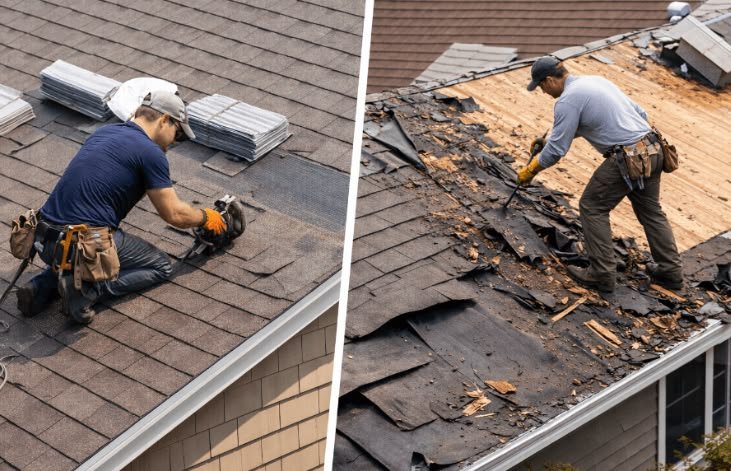
If the damage is extensive, the roof is steep, or you’re unsure about what you’re seeing, stepping back is the safest decision.
Trying to push through uncertainty often leads to mistakes—and those mistakes can be costly or dangerous.
Safety tip: confidence is good, but overconfidence is risky. Recognize your limits.
- Protect more than just the roof
When dealing with leaks, it’s easy to focus only on stopping water from coming in. But there’s more to protect.
Move furniture away from affected areas. Cover belongings with plastic sheets. Check insulation and walls for moisture.
A roof leak doesn’t just damage the roof—it affects the entire space below it.
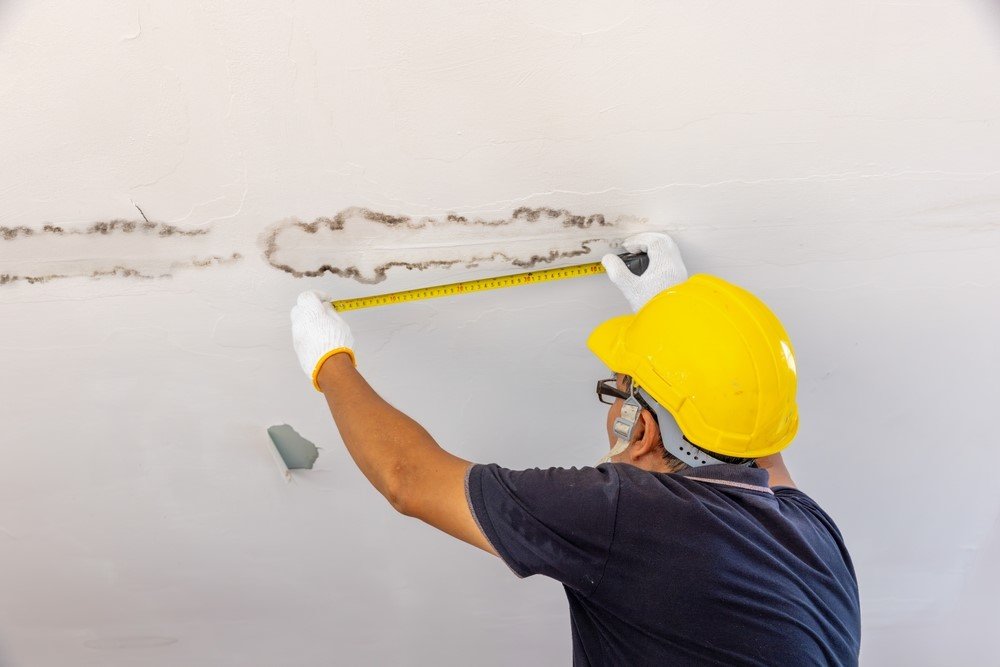
Safety tip: mold can develop quickly in damp conditions. Address moisture thoroughly, not just visibly.
- Learn from every repair
Every roof leak tells a story. Maybe it’s about aging materials, poor installation, or simply wear and tear over time.
Take note of what caused the issue and how you fixed it. This knowledge builds confidence and prepares you for future problems.
The goal isn’t just to fix leaks—it’s to understand them.
Safety tip: keep a small record of repairs. Even simple notes can help you track patterns and prevent recurring issues.
A final thought on working smart, not just fast
Fast fixes are important when water is entering your home, but speed should never come at the expense of safety. The best repairs are the ones that solve the problem without creating new ones.
Roof work has a way of teaching patience. It reminds you that sometimes the smartest move is to slow down, think clearly, and act carefully.
If you approach each repair with that mindset, you’re not just fixing leaks—you’re protecting yourself and your home in a way that lasts.
Frequently Asked Questions
- What is the quickest way to stop a roof leak temporarily
The fastest way is to place a waterproof tarp over the damaged area or apply roofing sealant directly to the leak. Inside, use buckets to catch water and reduce damage. - Is it safe to fix a roof leak by myself
It can be safe for minor issues if you take proper precautions. However, steep roofs, large damage, or bad weather conditions increase risk and may require professional help. - How can I find the exact source of a leak
Start inside by tracing water stains and then inspect the roof for damaged shingles, flashing, or vents. Remember that water can travel, so the source may not be directly above the leak. - Can a small leak really cause serious damage
Yes. Even a small leak can lead to mold, rot, and structural damage over time if left untreated. - What should I avoid doing during a roof repair
Avoid working on a wet roof, using improper tools, rushing the process, and attempting repairs beyond your skill level. - How often should I inspect my roof for leaks
It’s a good idea to check your roof at least twice a year and after major storms to catch potential issues early.
About the Author