7 Powerful Roof Leak Fix Guide Maintenance Hacks That Work
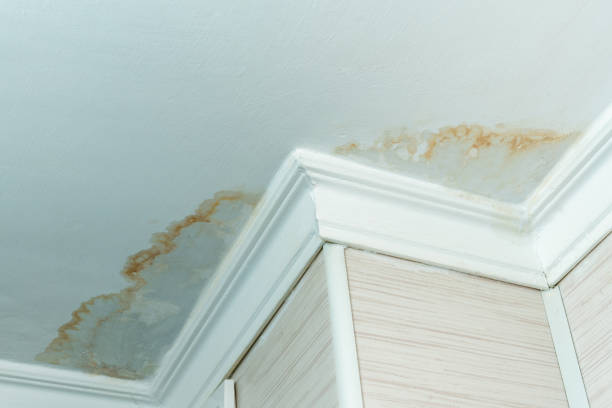
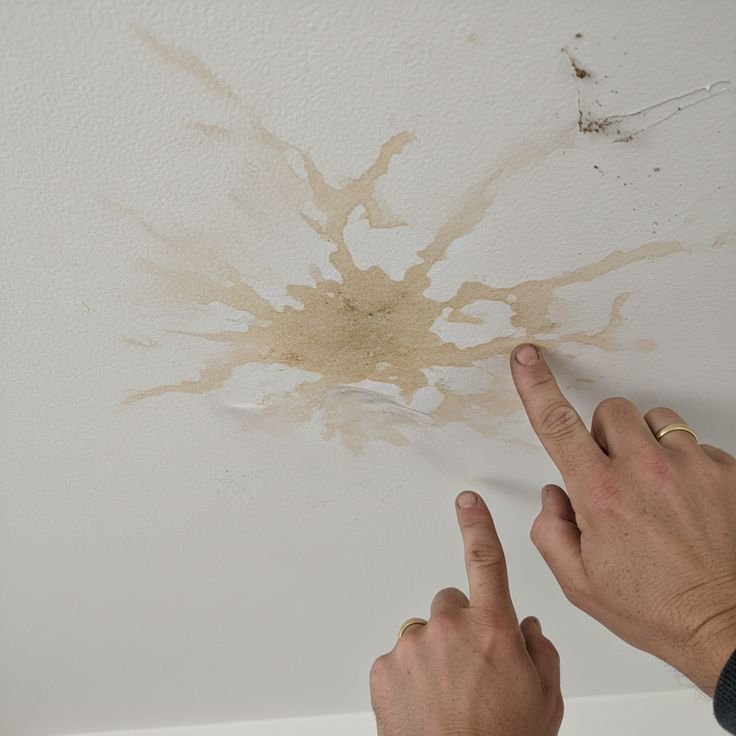
Roof leaks are one of the most frustrating problems homeowners face. A small drip today can turn into a costly structural repair tomorrow. What starts as a minor stain on the ceiling can quickly spread into mold growth, insulation damage, wood rot, and expensive repairs.
The good news is that roof leaks are often preventable. With the right maintenance habits and a few practical repair strategies, homeowners can dramatically reduce the risk of leaks while extending the life of their roofing system.
This Roof Leak Fix Guide walks you through 7 powerful maintenance hacks that actually work. These are practical methods used by experienced homeowners and roofing professionals to prevent leaks, detect problems early, and protect homes from water damage.
This guide goes beyond simple tips. You will also find maintenance tables, inspection charts, seasonal checklists, and troubleshooting guides to help you manage your roof like a pro.
Why Roof Maintenance Matters More Than You Think
Many homeowners only think about their roof when something goes wrong. Unfortunately, by the time a leak becomes visible, the damage has often already spread.
A poorly maintained roof can lead to:
- Water damage inside walls
- Mold and mildew growth
- Insulation failure
- Structural wood rot
- Higher energy bills
- Shortened roof lifespan
Routine maintenance prevents these issues.
Roof Damage Cost Comparison
| Problem Type | Average Repair Cost | If Ignored |
|---|---|---|
| Small leak repair | $100 – $400 | Ceiling damage |
| Flashing repair | $150 – $500 | Interior water damage |
| Shingle replacement | $200 – $800 | Large leak areas |
| Mold removal | $500 – $3000 | Health risks |
| Structural roof repair | $3000 – $10,000 | Major renovation |
The takeaway is simple: small fixes prevent expensive disasters.
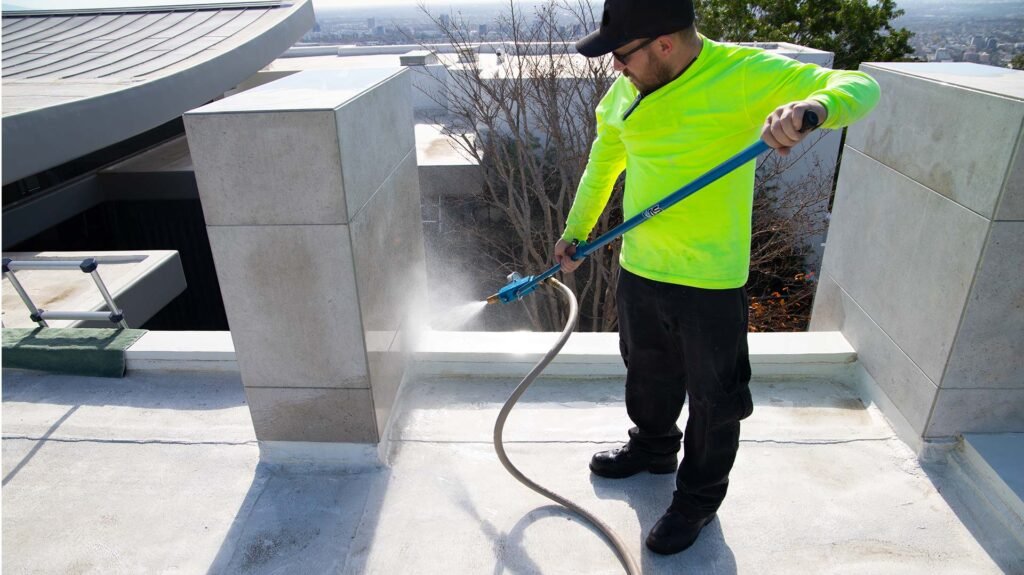
Hack #1: Perform Seasonal Roof Inspections
One of the most powerful roof maintenance habits is performing seasonal inspections.
Most leaks begin as tiny problems that grow over time. Regular inspections allow you to catch these early.
Best Times to Inspect Your Roof
| Season | Why Inspection Matters |
|---|---|
| Spring | Check winter damage |
| Summer | Inspect heat-related cracks |
| Fall | Prepare for heavy rain |
| After storms | Identify immediate damage |
What to Look for During Inspection
- Missing shingles
- Cracked flashing
- Loose nails
- Damaged vents
- Debris buildup
- Water stains in attic
Even a 5-minute inspection from the ground with binoculars can reveal many issues.
Pro Tip
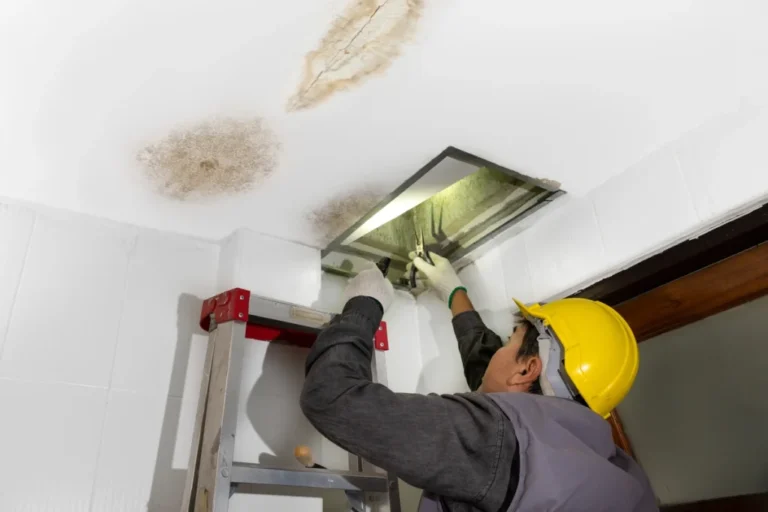
Check the attic as well. Water stains, damp insulation, or mold smell are early signs of roof leaks.
Hack #2: Keep Gutters Clean and Functional
Clogged gutters are one of the most common causes of roof leaks.
When gutters are blocked with leaves or debris, rainwater backs up and begins seeping under shingles.
Signs of Clogged Gutters
- Water spilling over the sides
- Plants growing inside gutters
- Rust spots
- Sagging sections
Gutter Cleaning Frequency
| Home Environment | Cleaning Frequency |
|---|---|
| Few nearby trees | Once per year |
| Moderate tree coverage | Twice per year |
| Heavy tree coverage | Every 3 months |
Simple Gutter Cleaning Steps
- Use gloves and a small scoop
- Remove leaves and debris
- Flush with a garden hose
- Check downspouts for blockage
Installing gutter guards can also reduce maintenance dramatically.
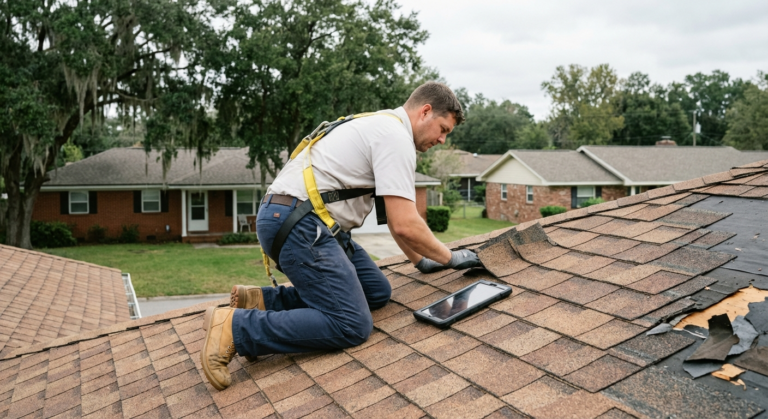
Hack #3: Replace Damaged Shingles Immediately
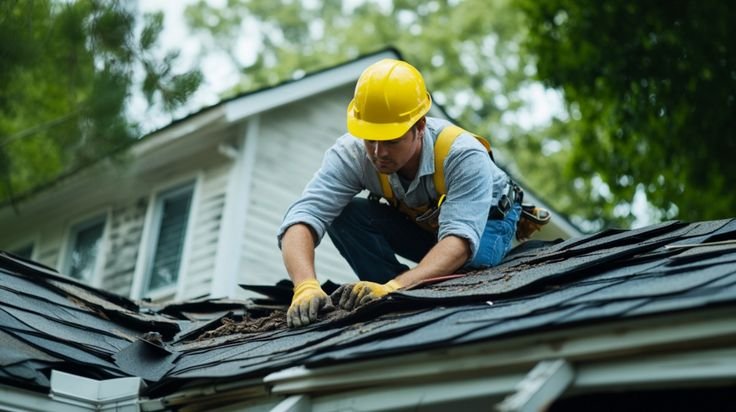
Roof shingles are your home’s first defense against water. When even a single shingle becomes damaged, water can start penetrating the roof deck.
Common Shingle Problems
| Problem | Cause | Solution |
|---|---|---|
| Curling | Age and heat | Replace shingle |
| Cracking | Weather exposure | Install new shingles |
| Missing shingles | Wind damage | Patch immediately |
| Granule loss | Aging roof | Consider replacement |
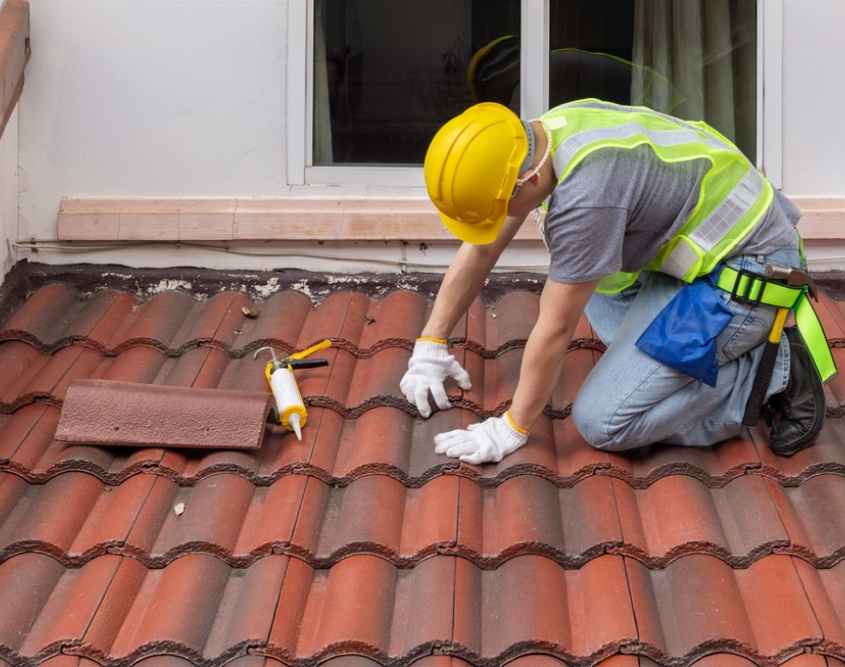
Quick Shingle Repair Method
Basic tools required:
- Roofing nails
- Replacement shingle
- Roofing cement
- Hammer
Steps:
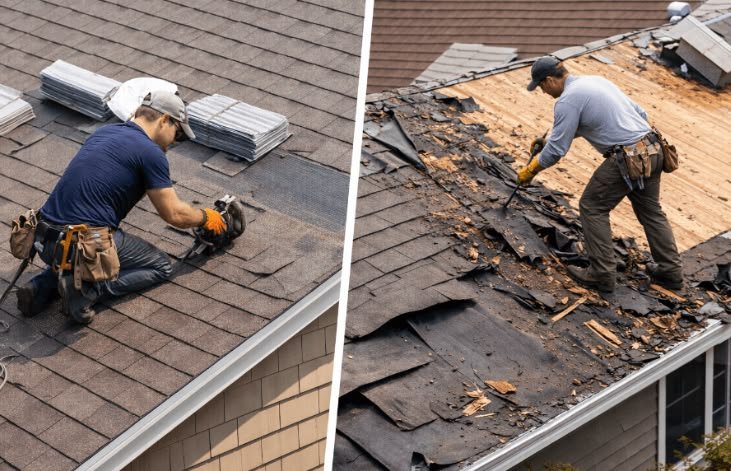
- Lift surrounding shingles carefully
- Remove damaged shingle
- Slide in replacement
- Nail securely
- Seal edges with roofing cement
A repair like this can prevent thousands of dollars in water damage.
Hack #4: Seal Flashing Around Roof Openings
Flashing is the thin metal material installed around:
- Chimneys
- Skylights
- Roof vents
- Valleys
- Dormers
It is designed to redirect water away from vulnerable areas.
However, flashing can loosen or crack over time.
Flashing Failure Warning Signs
| Sign | Meaning |
|---|---|
| Rust spots | Metal deterioration |
| Loose edges | Sealant failure |
| Water stains near chimney | Flashing gap |
| Cracks in sealant | Water entry risk |
How to Maintain Flashing
- Inspect sealant annually
- Reapply roofing sealant if cracked
- Replace rusted flashing sections
- Ensure tight fit around roof openings
Many roof leaks originate from flashing failure rather than shingles.
Hack #5: Remove Roof Debris Regularly
Leaves, branches, and dirt may seem harmless, but they trap moisture against your roof.
Over time, this moisture causes:
- Mold growth
- Shingle deterioration
- Wood rot
Common Roof Debris Sources
| Debris Type | Source |
|---|---|
| Leaves | Nearby trees |
| Pine needles | Conifer trees |
| Moss | Moist climates |
| Dirt buildup | Wind |
Safe Roof Cleaning Method
- Use a soft broom
- Remove debris gently
- Avoid pressure washers
- Clean valleys carefully
Pressure washing can damage shingles and shorten roof lifespan.
Moss Removal Tip
If moss is present:
- Apply moss killer solution
- Let it dry
- Gently brush away growth
Moss retains moisture and accelerates roof decay.
Hack #6: Improve Attic Ventilation
Poor attic ventilation is a hidden cause of roof leaks.
When heat and moisture build up inside the attic, they damage roofing materials from underneath.
Problems Caused by Poor Ventilation
| Issue | Result |
|---|---|
| Moisture buildup | Mold growth |
| Heat accumulation | Shingle cracking |
| Ice dams | Winter leaks |
| Insulation damage | Higher energy bills |
Ideal Attic Ventilation Components
- Ridge vents
- Soffit vents
- Roof vents
- Gable vents
Recommended Ventilation Ratio
Experts recommend:
1 square foot of ventilation per 150 square feet of attic space
This allows airflow that keeps roofing materials dry.
Hack #7: Apply Preventative Roof Sealant
Preventative roof sealants add an extra protective layer against water penetration.
They are especially useful for:
- Older roofs
- Flat roofs
- Minor leak areas
- Roof seams
Types of Roof Sealants
| Sealant Type | Best For |
|---|---|
| Silicone | Waterproof protection |
| Acrylic | UV resistance |
| Polyurethane | Flexible repairs |
| Rubber coating | Flat roofs |
Sealant Application Steps
- Clean the roof surface
- Remove debris and dirt
- Apply sealant with brush or roller
- Allow proper drying time
Sealants can extend roof lifespan by 5–10 years when applied correctly.
Roof Leak Detection Checklist
Use this checklist regularly to catch early signs of leaks.
| Inspection Point | What to Check |
|---|---|
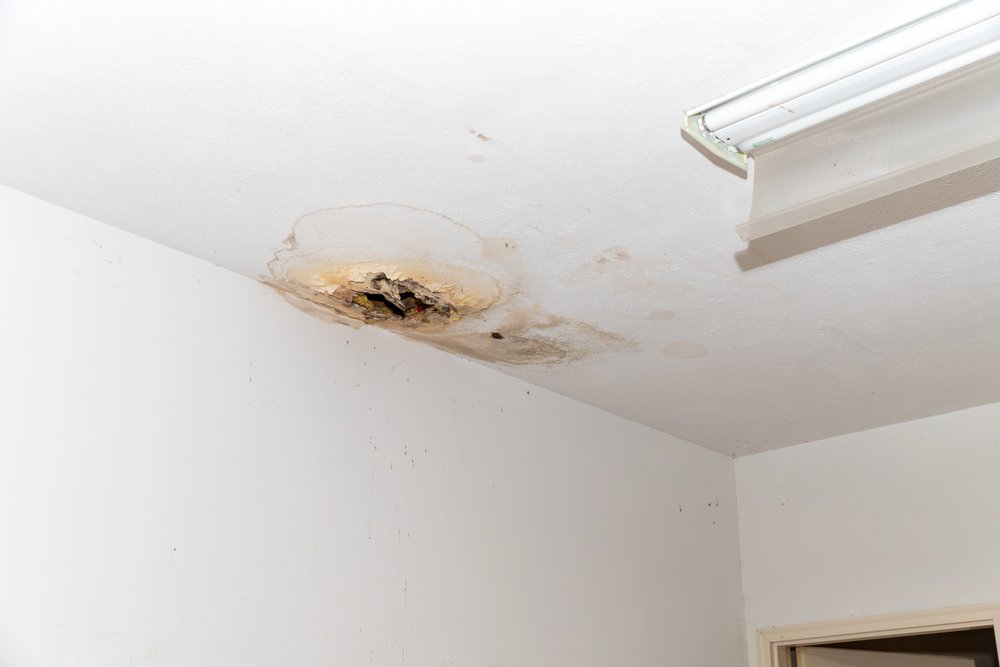
| Ceiling stains | Brown or yellow spots |
| Attic insulation | Damp or moldy areas |
| Roof shingles | Missing or cracked |
| Flashing | Rust or separation |
| Gutters | Blockage or overflow |
| Roof valleys | Debris buildup |
Even small clues can indicate larger hidden issues.
Preventative Roof Maintenance Calendar
A simple maintenance schedule keeps your roof in excellent condition.
| Month | Task |
|---|---|
| January | Check attic for leaks |
| March | Spring roof inspection |
| May | Clean gutters |
| July | Inspect flashing |
| September | Remove roof debris |
| November | Prepare roof for winter |
Consistency is the key to long-term roof health.
Warning Signs That Your Roof Leak Is Getting Worse
Some leaks appear minor but indicate serious structural issues.
Watch for these warning signs:
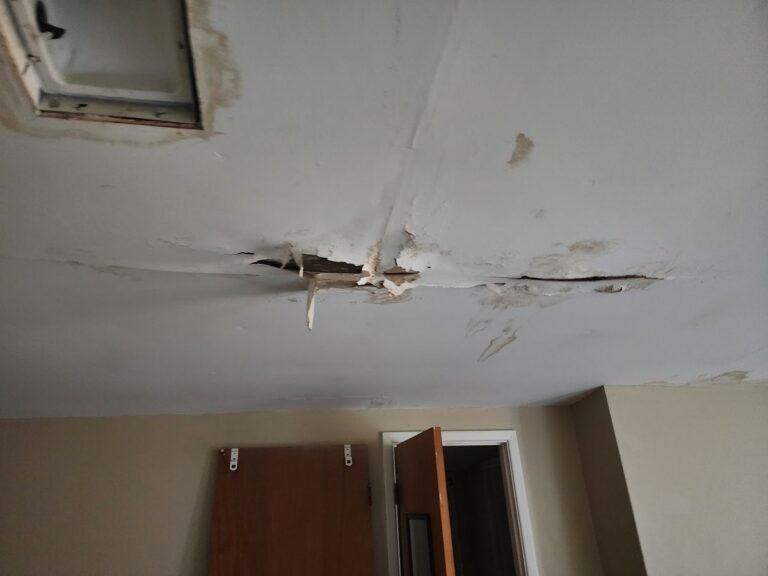
- Sagging ceiling
- Peeling paint
- Mold smell
- Electrical short circuits
- Constant dripping sounds
- Warped drywall
If you notice these, immediate action is necessary.
When DIY Roof Repairs Are Not Enough
While many small maintenance tasks are DIY-friendly, certain situations require professional help.
Call a Roofing Professional If:
- Leak source cannot be located
- Structural damage is visible
- Roof is older than 20 years
- Multiple leak points appear
- Storm damage occurred
Professional roof inspections typically cost $150–$400, which is often worth the peace of mind.
Long-Term Roof Protection Strategies
To keep your roof leak-free for decades, combine these strategies:
Smart Roofing Habits
- Perform seasonal inspections
- Clean gutters regularly
- Replace damaged shingles quickly
- Maintain flashing
- Improve attic ventilation
- Remove debris
- Apply sealants when needed
Roof Lifespan Comparison
| Roofing Material | Average Lifespan |
|---|---|
| Asphalt shingles | 20–30 years |
| Metal roofing | 40–70 years |
| Clay tiles | 50–100 years |
| Slate roofing | 75–150 years |
Good maintenance can extend lifespan by 25–40%.
Final Thoughts
Roof leaks rarely appear suddenly. They usually begin as small maintenance issues that grow over time.
By applying the 7 powerful Roof Leak Fix Guide maintenance hacks, homeowners can prevent most common leak problems before they escalate.
Remember these key principles:
- Inspect your roof regularly
- Clean gutters and remove debris
- Repair shingles immediately
- Maintain flashing and ventilation
- Use preventative sealants
These simple actions can protect your home, reduce repair costs, and extend the life of your roof by many years.
A well-maintained roof doesn’t just stop leaks—it protects everything beneath it.
Frequently Asked Questions (FAQs)
1. What is the most common cause of roof leaks?
The most common cause of roof leaks is damaged or missing shingles. Other frequent causes include clogged gutters, cracked flashing, and poor roof ventilation.
2. How often should I inspect my roof?
Roof inspections should ideally be performed twice a year, usually in spring and fall. Additional inspections should be done after severe storms or heavy rainfall.
3. Can a small roof leak fix itself?
No. Roof leaks do not fix themselves. In fact, they typically worsen over time as water continues penetrating roofing materials and structural components.
4. How long does a typical roof repair last?
A properly completed roof repair can last 5 to 15 years, depending on the materials used and the overall condition of the roof.
5. Is roof sealant a permanent solution?
Roof sealant is usually a temporary or preventative solution rather than a permanent fix. It works best when combined with proper maintenance and structural repairs.
6. Should I repair my roof myself or hire a professional?
Minor repairs such as replacing a shingle or sealing small gaps can be done by homeowners. However, large leaks, structural damage, or steep roofs should be handled by professional roofing contractors.
About the Author