7 Smart Roof Leak Fix Guide Prevention Tips That Actually Work
7 smart roof leak fix and prevention tips that actually work
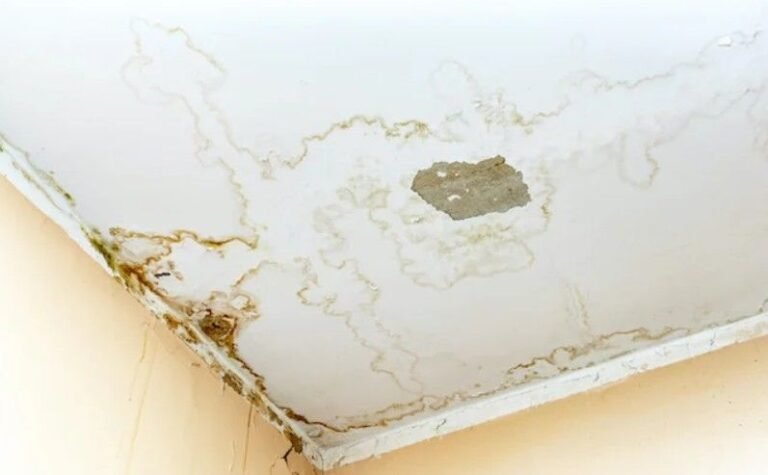
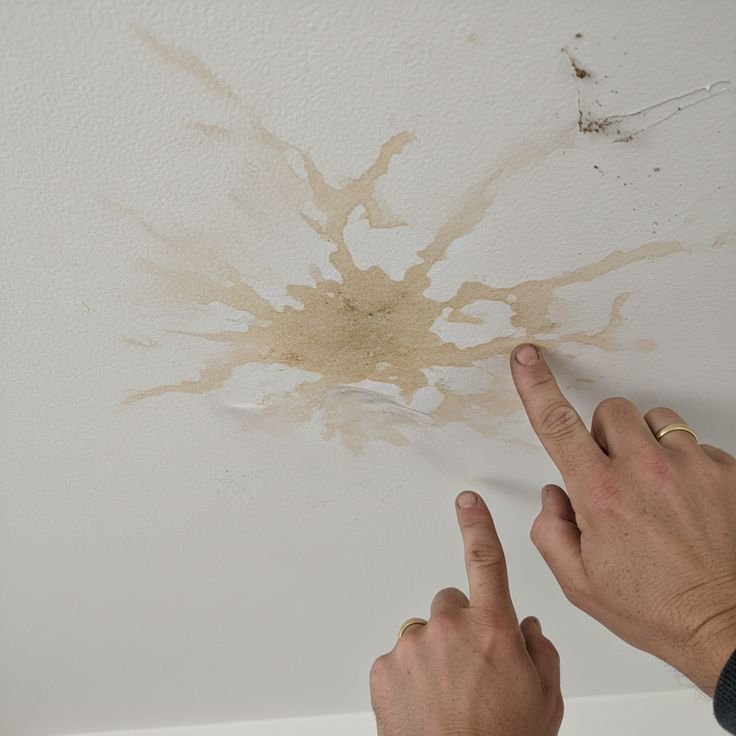
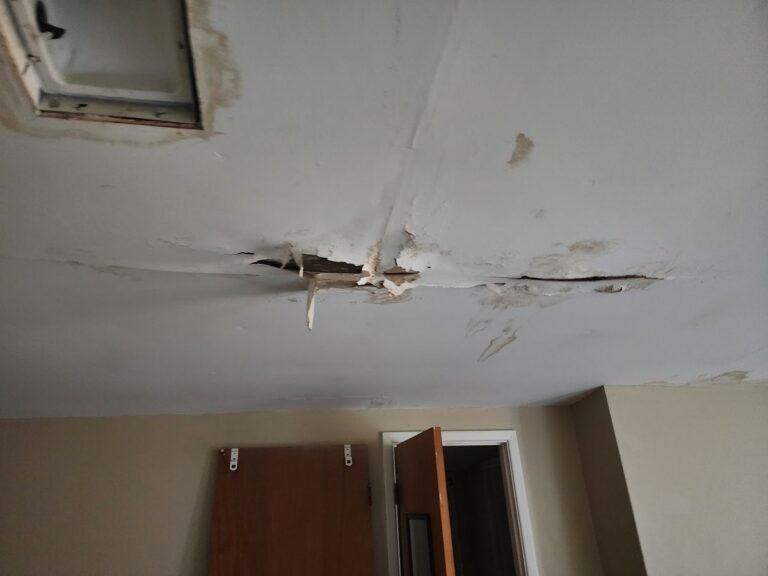
A leaking roof rarely announces itself politely. It creeps in through a faint stain, a musty smell, or that quiet, persistent drip that only seems to happen at night. For homeowners, it’s one of those problems that feels both urgent and confusing. Do you patch it? Replace something? Call someone? Ignore it for a few days and hope it disappears?
The truth is, roof leaks don’t fix themselves. But the good news is that many of them can be understood, slowed, and even resolved with the right approach. This guide isn’t just about slapping on a quick fix—it’s about learning how leaks happen, how to respond intelligently, and how to prevent them from coming back.
What follows is a practical, experience-driven walkthrough of seven smart roof leak fixes and prevention tips that genuinely work—not just in theory, but in real homes with real weather and real wear.
understanding where leaks actually come from
Before jumping into fixes, it helps to know that leaks rarely originate directly above the spot where water shows up inside. Water travels. It can slip under shingles, run along beams, and emerge several feet away from its entry point.
Common entry points include:
- cracked or missing shingles
- damaged flashing around chimneys or vents
- clogged gutters causing water backup
- worn-out sealant
- nail holes or poorly installed fixtures
If you treat the symptom instead of the source, the problem will return. That’s why every smart fix starts with careful observation.
tip 1: trace the leak before you fix it
One of the biggest mistakes people make is reacting too quickly without understanding the source. You see a wet ceiling, panic, and start sealing the nearest visible crack. But the leak might be coming from somewhere entirely different.
A better approach:
- inspect your attic during daylight
- turn off lights and look for sunlight coming through the roof
- check for damp insulation or wood discoloration
- follow water stains upward to their highest point
If possible, have someone spray water on the roof while you observe inside. This simple test often reveals the exact entry point.
This step alone can save hours of guesswork and prevent unnecessary repairs.
tip 2: use temporary patches wisely
Not every leak can be fixed immediately—especially during heavy rain. In such cases, a temporary patch can prevent further damage.
Effective temporary solutions include:
- roofing tape or sealant
- plastic sheeting secured with nails or staples
- tarps weighted down properly
The key word here is temporary. These fixes are not meant to last months. They are emergency measures to buy you time until proper repairs can be made.
A common mistake is relying on a tarp for too long. Wind, UV exposure, and shifting can render it useless quickly. Always plan for a permanent fix as soon as possible.
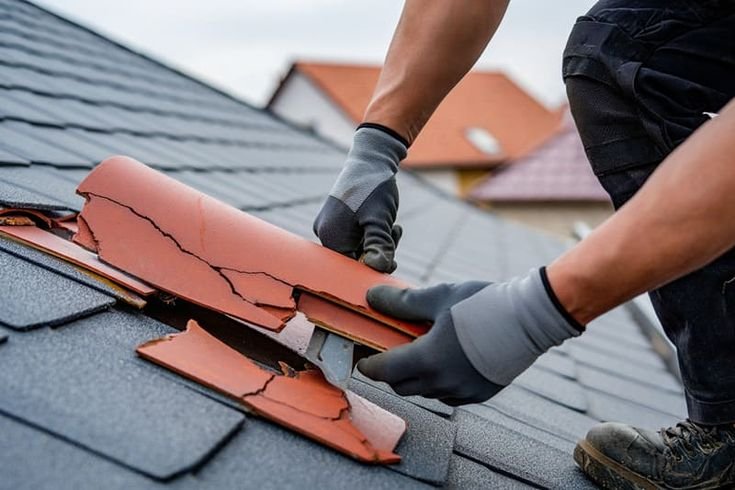
tip 3: repair or replace damaged shingles correctly
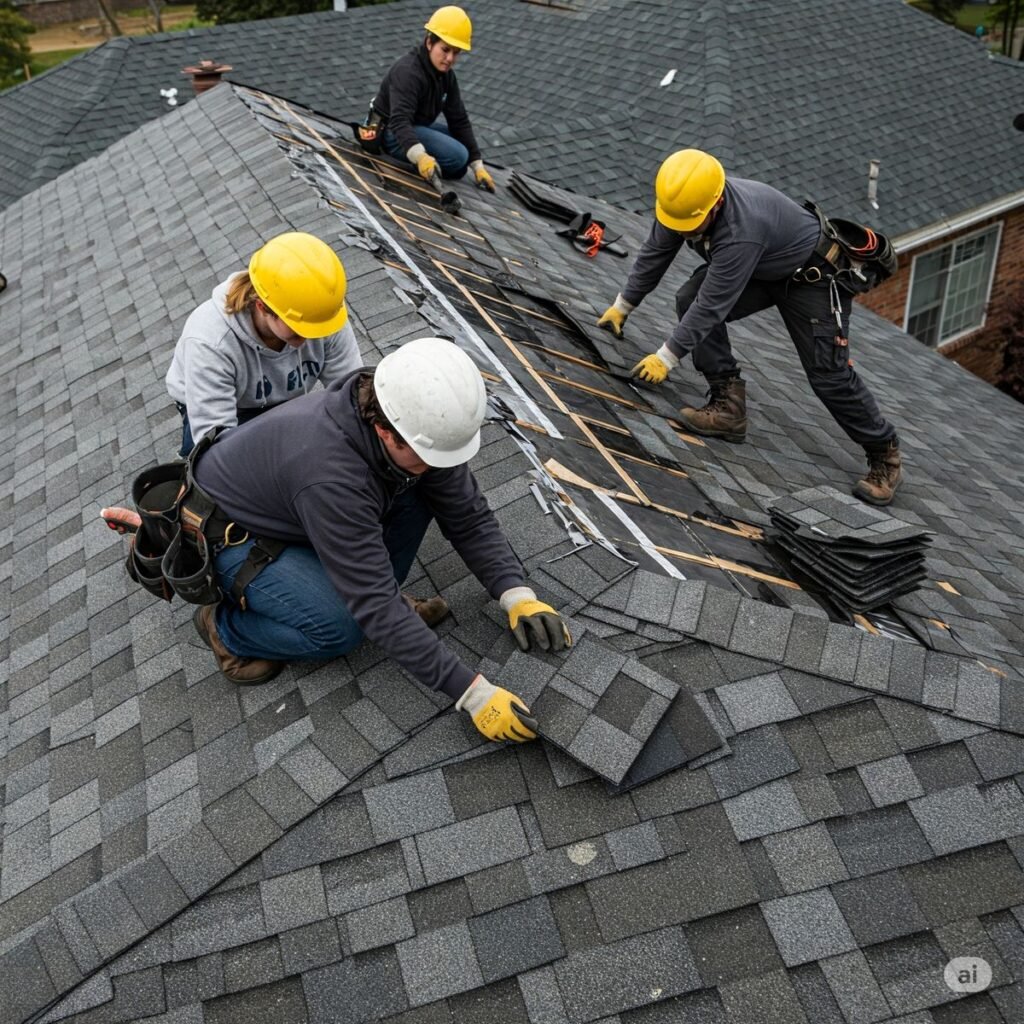
Shingles are your roof’s first line of defense. When they crack, curl, or go missing, water finds an easy path inside.
If you spot damaged shingles:
- gently lift the surrounding shingles
- remove nails holding the damaged piece
- slide in a new shingle
- secure it and reseal the area
It sounds simple, but precision matters. Improper placement can create new gaps. Also, using the wrong type or size of shingle can compromise the repair.
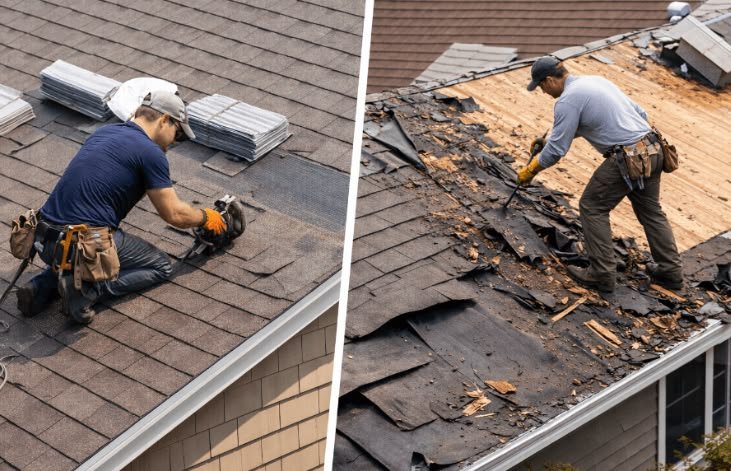
If multiple shingles are damaged, it might indicate a deeper issue such as aging materials or storm impact. In that case, a larger section may need attention.
tip 4: don’t ignore flashing failures
Flashing is one of the most overlooked parts of a roof, yet it’s responsible for preventing leaks in vulnerable areas like:
- chimneys
- skylights
- vents
- valleys
Over time, flashing can crack, loosen, or corrode. When that happens, water slips through even if the shingles are intact.
To fix flashing issues:
- remove old sealant
- inspect for rust or damage
- replace sections if necessary
- apply new waterproof sealant
Many persistent leaks are actually flashing problems in disguise. Addressing this can solve issues that patches never will.
tip 5: keep gutters clean and functional
It may not seem directly related, but clogged gutters are a major cause of roof leaks. When water can’t drain properly, it backs up under shingles and seeps into the roof structure.
Signs of gutter-related problems include:
- water spilling over the sides
- sagging gutters
- debris accumulation
- stains along exterior walls
Regular cleaning—especially after storms or during autumn—makes a huge difference. Installing gutter guards can also reduce buildup.
This is one of the simplest prevention tips, yet it’s often neglected until damage appears.
tip 6: seal roof penetrations carefully
Anything that penetrates your roof—vents, pipes, antennas—creates a potential leak point. These areas rely heavily on sealants, which degrade over time.
To maintain them:
- inspect seals annually
- look for cracks or gaps
- remove old material before applying new sealant
- use high-quality, weather-resistant products
A small crack around a vent can let in surprising amounts of water over time. Regular checks prevent minor issues from becoming costly repairs.
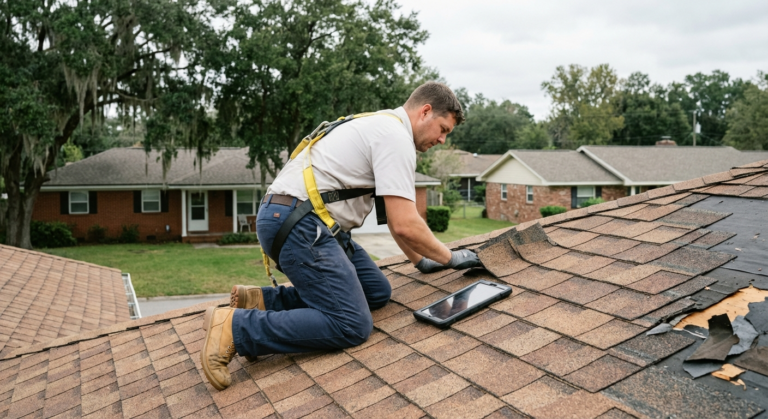
tip 7: schedule periodic roof inspections
Even if everything looks fine, roofs benefit from routine inspections. Weather, temperature changes, and natural aging all take a toll.
A good inspection routine includes:
- checking shingles for wear
- examining flashing and seals
- inspecting attic conditions
- looking for mold or moisture signs
Doing this once or twice a year—especially before and after rainy seasons—helps catch problems early.
Think of it as preventive care rather than reactive repair.
why prevention always beats repair
Fixing a leak is often more expensive and stressful than preventing one. Water damage doesn’t just affect the roof—it can impact insulation, ceilings, walls, and even electrical systems.
Prevention is about consistency:
- keeping surfaces clean
- addressing small issues quickly
- staying aware of changes
It doesn’t require expert-level knowledge, just attention and a willingness to act early.
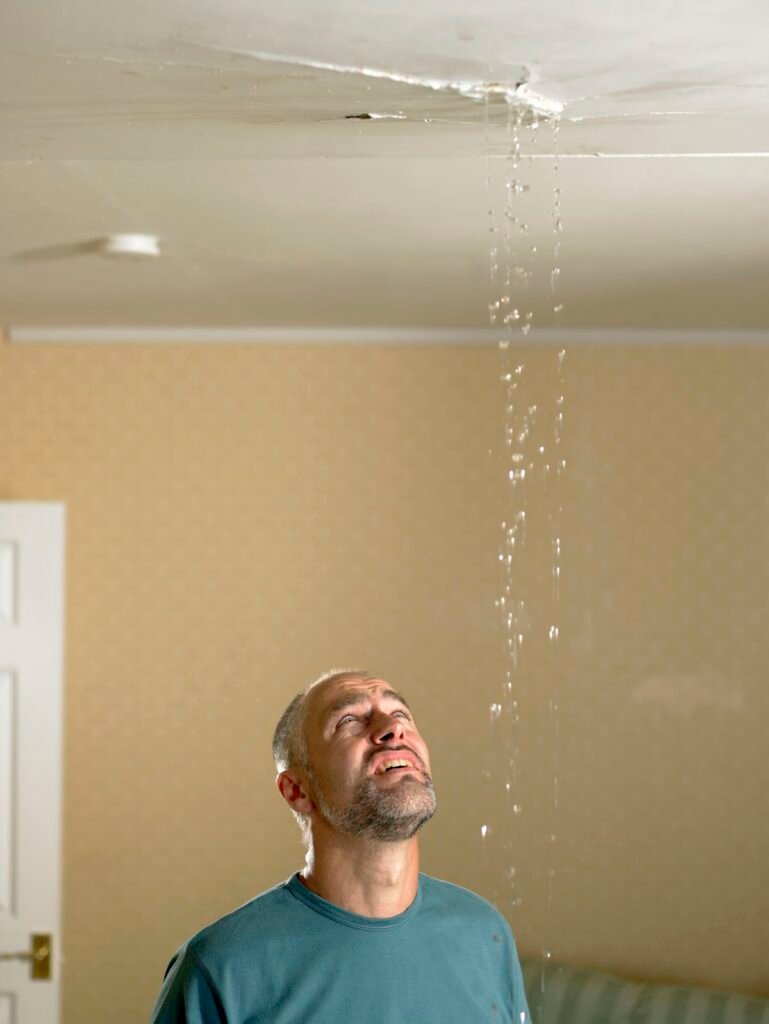
real-world lessons from common mistakes
Many homeowners learn about roof leaks the hard way. Here are a few patterns that come up repeatedly:
waiting too long
A small stain turns into a large repair because it was ignored. Leaks rarely stay small.
overusing sealant
Applying excessive sealant without fixing the root problem often traps moisture and worsens damage.
misidentifying the source
Fixing the wrong spot leads to frustration and repeated leaks.
skipping safety precautions
Roof work can be dangerous. Slippery surfaces and steep angles require caution.
learning from these mistakes can save time, money, and stress.
how weather affects roof leaks
Different climates create different challenges. Heavy rain, strong winds, and temperature swings all contribute to roof wear.
Rain finds weak points
Wind lifts shingles
Heat expands materials
Cold causes contraction and cracks
Understanding your local weather patterns helps you anticipate issues. For example, after a storm, it’s wise to inspect your roof even if no immediate leaks are visible.
tools and materials that make a difference
Having the right tools simplifies repairs:
- roofing hammer
- pry bar
- utility knife
- sealant gun
- replacement shingles
Quality materials matter just as much. Cheap sealants or mismatched shingles may fail quickly.
Investing in reliable supplies often means fewer repairs in the long run.
knowing when to call a professional
While many minor leaks can be handled independently, some situations require expert help:
- widespread damage
- structural concerns
- persistent leaks despite repairs
- steep or complex roof designs
Recognizing your limits is part of a smart approach. A professional inspection can sometimes reveal hidden issues that aren’t visible from the surface.
long-term roof care habits
Maintaining a roof isn’t about occasional fixes—it’s about consistent care.
Simple habits include:
- clearing debris regularly
- checking after storms
- trimming overhanging branches
- monitoring attic conditions
These actions take little time but have a big impact on longevity.
a mindset shift: from reactive to proactive
The difference between constant repairs and a well-maintained roof often comes down to mindset. Instead of reacting to problems, anticipate them.
Look for early signs
Act quickly
Stay consistent
This approach turns roof care into a manageable routine rather than an emergency response.
frequently asked questions
- how do i know if my roof leak is serious?
If the leak is spreading, causing structural damage, or appearing in multiple areas, it’s likely serious. Even small leaks should be addressed quickly to prevent escalation. - can i fix a roof leak myself?
Minor issues like replacing a shingle or sealing a small gap can often be handled independently. However, complex or widespread problems may require professional assistance. - how long do temporary fixes last?
Temporary fixes can last from a few days to a few weeks depending on weather conditions. They should never replace permanent repairs. - what is the most common cause of roof leaks?
Damaged shingles and faulty flashing are among the most common causes. Clogged gutters also contribute significantly. - how often should i inspect my roof?
At least twice a year—typically before and after major weather seasons. Additional checks after storms are also recommended. - does insurance cover roof leaks?
It depends on the cause. Sudden damage from storms is often covered, while leaks due to neglect or aging may not be.
closing thoughts
A leaking roof can feel overwhelming, but it doesn’t have to be. With the right knowledge and a proactive approach, most leaks can be managed effectively—or avoided altogether.
The seven tips in this guide aren’t complicated. They’re practical, proven, and rooted in real-world experience. More importantly, they shift the focus from quick fixes to lasting solutions.
Because in the end, a dry, secure home isn’t just about materials—it’s about attention, care, and knowing what to do before the drip starts.
About the Author