10 Easy Roof Leak Fix Guide Hacks to Avoid Costly Damage
10 Easy Roof Leak Fix Guide Hacks to Avoid Costly Damage
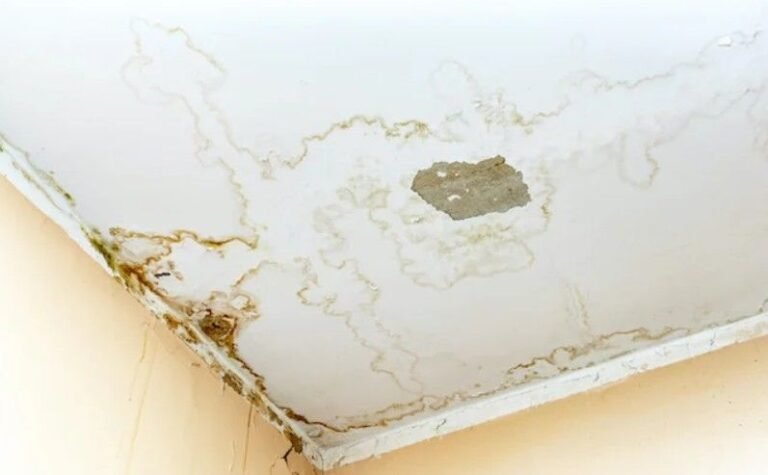
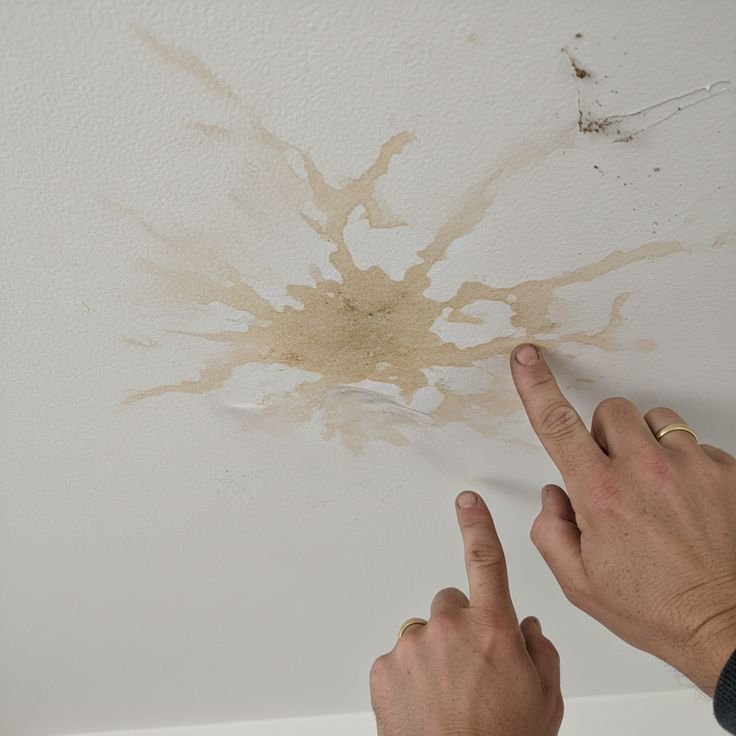
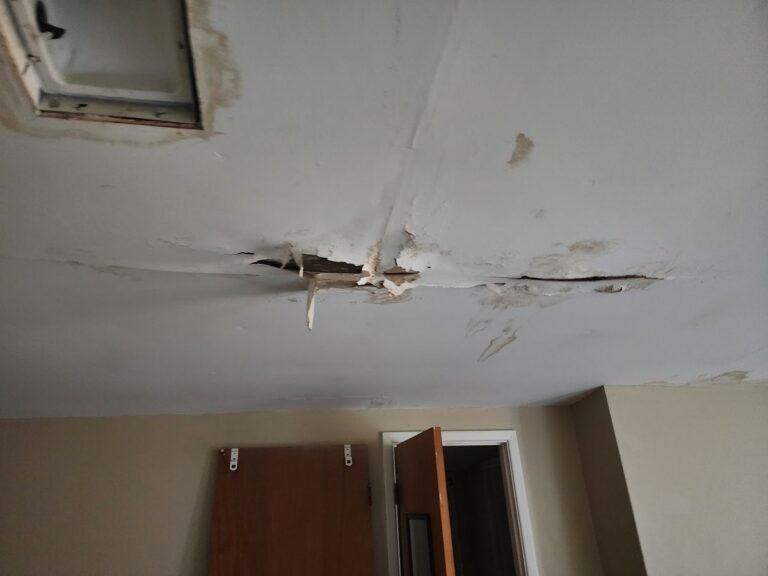
A roof leak rarely announces itself politely. It starts small—maybe a faint stain on the ceiling or a slight musty smell after rain—and before long, it turns into a stressful, expensive problem. Many homeowners assume roof repairs require professionals, complicated tools, or significant money. While that can be true for severe damage, a surprising number of leaks can be slowed down—or even fixed temporarily—with simple, practical hacks.
This guide goes beyond basic advice. It blends practical experience, small habits, clever improvisations, and preventative thinking to help you manage roof leaks before they spiral into major damage. These hacks are not just quick fixes; they are mindset shifts that help you stay one step ahead of water damage.
- Track the leak like a detective, not a guesser
One of the biggest mistakes people make is assuming the leak is directly above the visible damage. Water rarely travels in straight lines once it enters your roof. It can follow beams, insulation, or even wiring before finally dripping down.
Instead of guessing, observe carefully. When it rains, note where the drip starts and whether it changes. If possible, go into the attic with a flashlight. Look for damp insulation, dark wood patches, or tiny glistening trails.
A simple trick: place a small piece of tissue or paper towel along suspected areas. Even minor moisture will reveal itself quickly. This helps you pinpoint the actual entry point rather than wasting time fixing the wrong spot.
- Use a temporary tarp the smart way
Most people know about covering a leak with a tarp, but few do it correctly. A loosely thrown tarp can actually make things worse by trapping water or blowing away in wind.
The key is tension and direction. Always extend the tarp well beyond the damaged area, ideally from the ridge of the roof downward. Secure it tightly using wooden strips or bricks—not just nails, which can create more holes.
Angle matters. Water should flow over the tarp naturally, not pool on top of it. Think of it as guiding water rather than blocking it entirely.
This simple hack can buy you days or even weeks of protection during heavy rain.
- Roofing tape is your emergency best friend
There is a product many homeowners overlook: waterproof roofing tape. It’s not glamorous, but it works surprisingly well for small cracks, seams, or nail holes.
Clean the area first—this step is often skipped but makes all the difference. Even a slightly dusty surface can prevent proper adhesion. Dry the area if possible, then apply the tape firmly, pressing out any air bubbles.
For added strength, overlap layers slightly instead of relying on a single strip. It’s a quick, low-cost solution that can stop minor leaks instantly.
- Don’t ignore clogged gutters—they cause hidden leaks
It’s easy to assume roof leaks come from broken shingles or storm damage. In reality, clogged gutters are a silent culprit.
When gutters are filled with leaves and debris, water has nowhere to go. It backs up under the shingles and slowly seeps into the roof structure.
Cleaning gutters is one of the simplest preventive hacks. Do it regularly, especially before rainy seasons. While you’re at it, check downspouts to ensure water flows freely away from your home.
A clean drainage system often eliminates leaks without touching the roof itself.
- Flashing failures are easier to fix than you think
Flashing—the thin metal pieces around chimneys, vents, and skylights—is a common weak point. Over time, it can loosen, crack, or separate from surfaces.
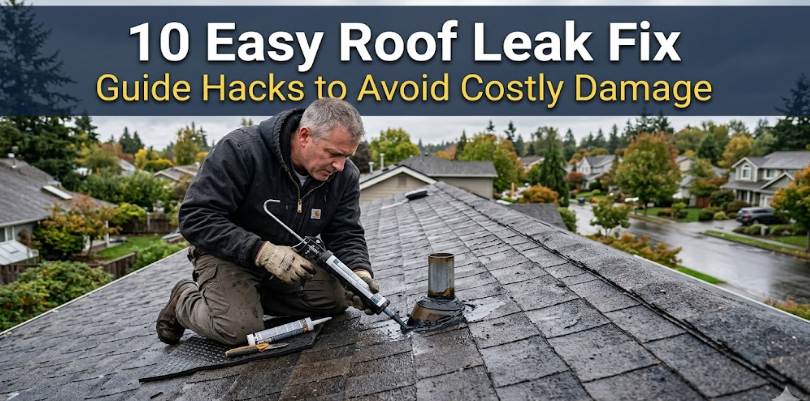
A quick fix involves applying roofing sealant along the edges where gaps appear. You don’t need to replace the entire flashing unless it’s severely damaged.
Press the sealant firmly into cracks and smooth it out to create a watertight barrier. This small step can prevent significant water intrusion during storms.
- Shingle replacement doesn’t have to be complicated
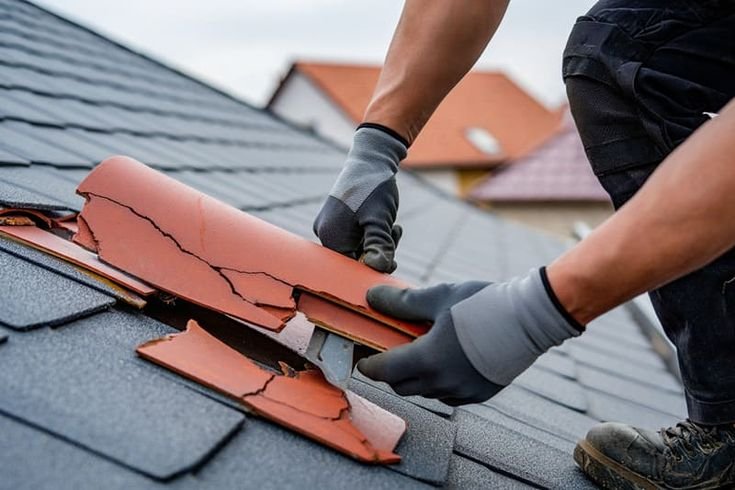
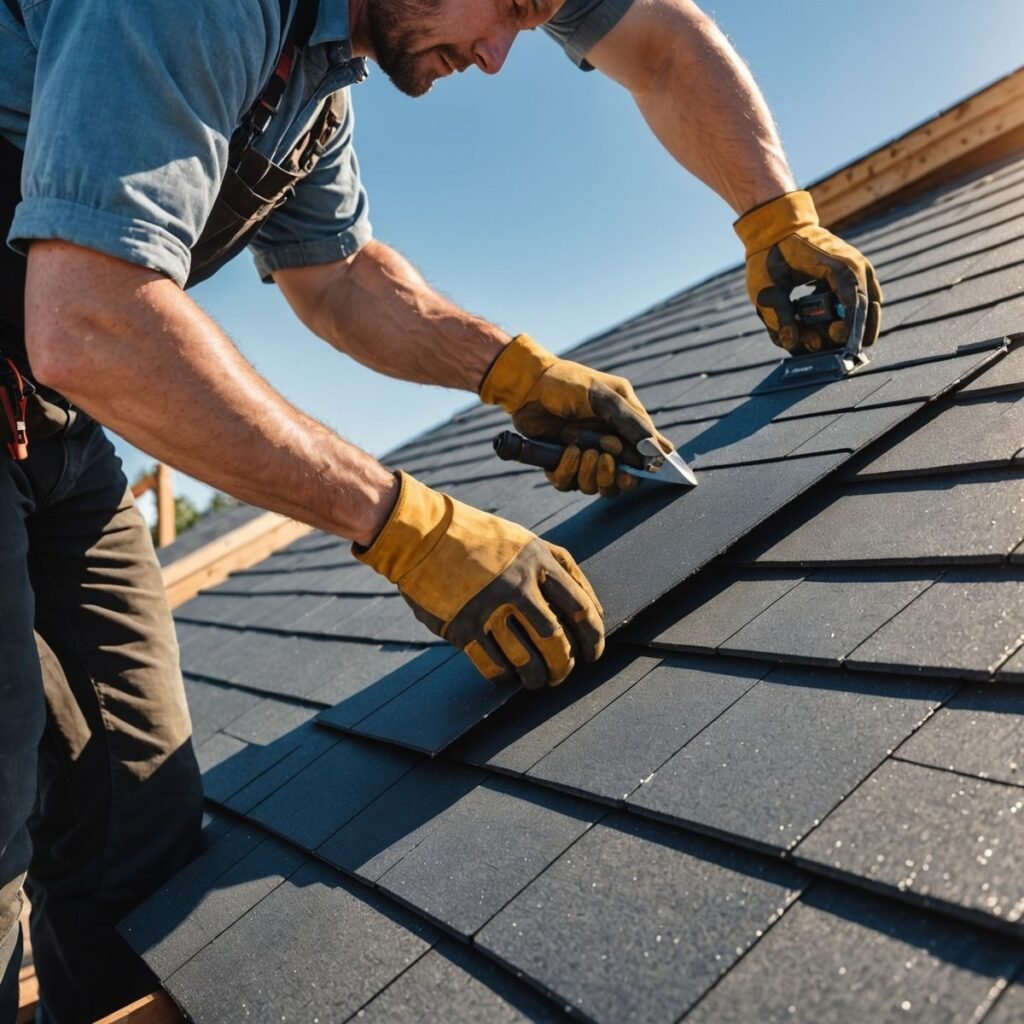
A missing or damaged shingle is one of the most obvious causes of leaks. While replacing multiple shingles may require professional help, swapping out one or two is manageable.
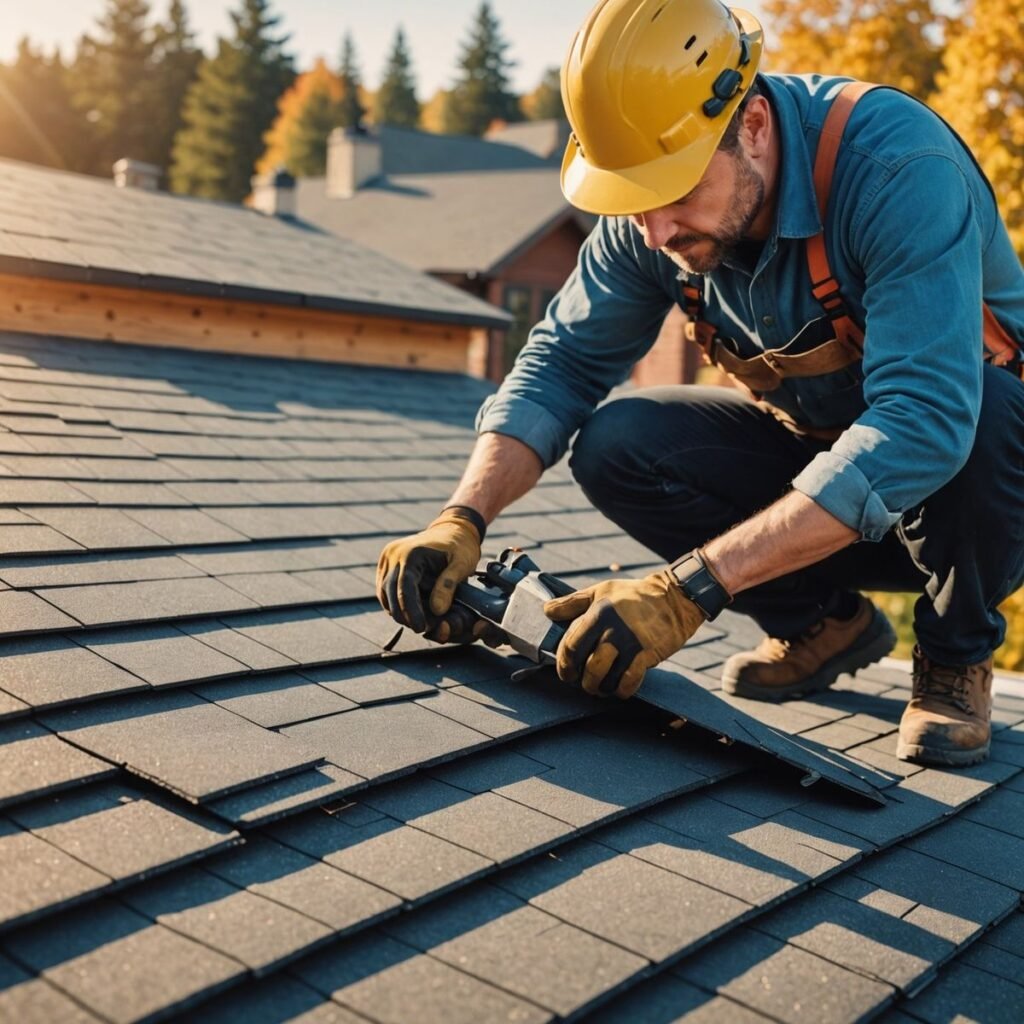
Carefully lift the surrounding shingles, remove the damaged one, and slide in a new piece. Secure it with roofing nails and seal the edges.
If you don’t have spare shingles, even temporarily covering the exposed area with roofing material or heavy-duty plastic can protect the roof until a proper replacement is done.
- Use sealant generously—but strategically
Roofing sealant is powerful, but overusing it without a plan can lead to messy, ineffective repairs.
Focus on joints, seams, and visible cracks rather than coating large areas randomly. Apply it where water is most likely to enter.
Think of sealant as a precision tool, not a blanket solution. When used carefully, it can extend the life of your roof and prevent leaks from spreading.
- Check your attic ventilation
Poor ventilation doesn’t just affect temperature—it contributes to moisture buildup. Over time, trapped humidity can weaken roofing materials and create conditions for leaks.
If your attic feels damp or excessively warm, it may need better airflow. Installing vents or ensuring existing ones are not blocked can make a significant difference.
This isn’t a quick fix like tape or sealant, but it’s a powerful long-term hack that prevents future leaks from forming.
- Rain test your repairs
After applying any fix, don’t just assume it worked. Test it.
If natural rain isn’t expected, use a garden hose to simulate rainfall. Start gently and gradually increase the flow while someone inside checks for leaks.
This controlled test helps you confirm the effectiveness of your repair without waiting for the next storm. It also allows you to catch any missed spots early.
- Prevention is the ultimate hack
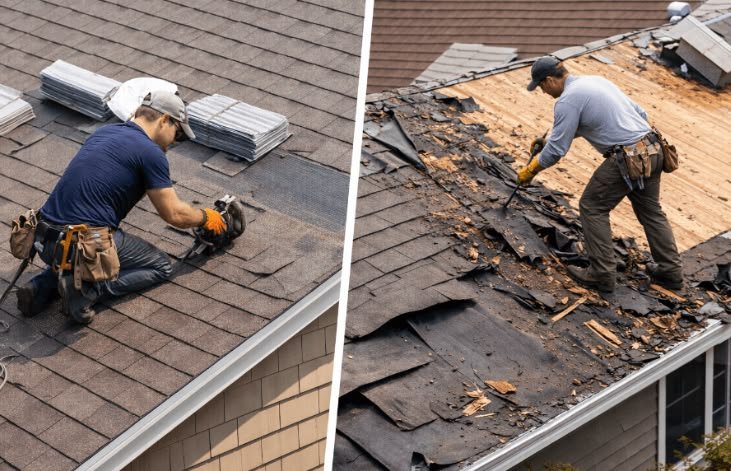
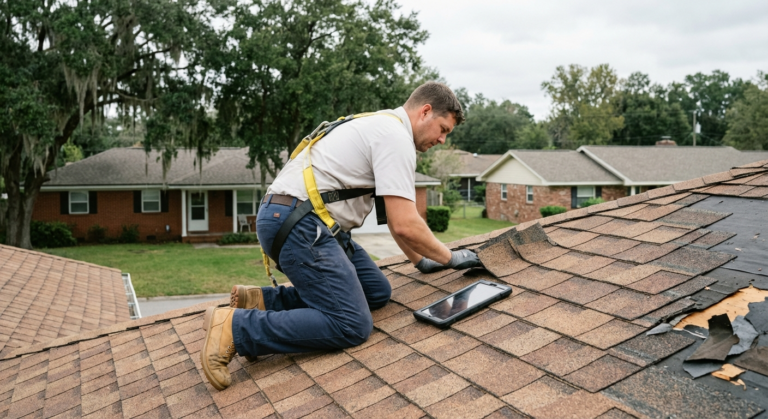
The most effective way to deal with roof leaks is to stop them before they start. Regular inspections, even twice a year, can save you thousands in repair costs.
Look for cracked shingles, loose flashing, sagging areas, or signs of wear. Addressing small issues early prevents them from turning into major leaks.
Develop a habit of checking your roof after heavy storms. Early detection is often the difference between a minor fix and a major renovation.
Bringing it all together
Roof leaks can feel overwhelming, especially when they appear suddenly. But with the right approach, they become manageable problems rather than disasters.
These hacks are not about replacing professional repairs entirely. Instead, they empower you to take immediate action, minimize damage, and make informed decisions about when to call in experts.
A proactive mindset, combined with a few practical tools and techniques, can protect your home from one of the most common and costly issues homeowners face.
FAQs
- How can I tell if my roof leak is serious?
If the leak spreads quickly, causes sagging, or appears in multiple areas, it’s likely serious. Minor leaks usually stay localized and slow. When in doubt, monitor it closely and consider professional inspection. - Can I fix a roof leak myself permanently?
Small leaks caused by minor damage can sometimes be fixed permanently with proper materials. However, larger issues or structural damage usually require professional repair. - What is the fastest way to stop a roof leak during rain?
Using a properly secured tarp is the quickest solution. Inside the house, placing a bucket and relieving pressure by puncturing bulging areas can prevent further damage. - How long does roofing tape last?
Roofing tape can last several months to a few years depending on weather conditions and application quality. It’s best used as a temporary or semi-permanent fix. - Should I replace my entire roof if I have a leak?
Not necessarily. Many leaks are isolated issues that can be repaired. Full replacement is only needed if the roof is extensively damaged or nearing the end of its lifespan. - How often should I inspect my roof?
At least twice a year—once before the rainy season and once after. Additional checks after storms are also highly recommended.
About the Author