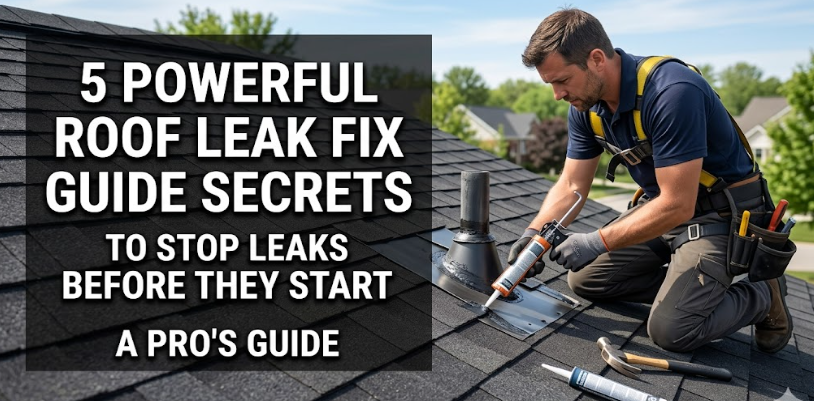
5 Powerful Roof Leak Fix Guide Secrets to Stop Leaks Before They Start
5 Powerful Roof Leak Fix Guide Secrets to Stop Leaks Before They Start
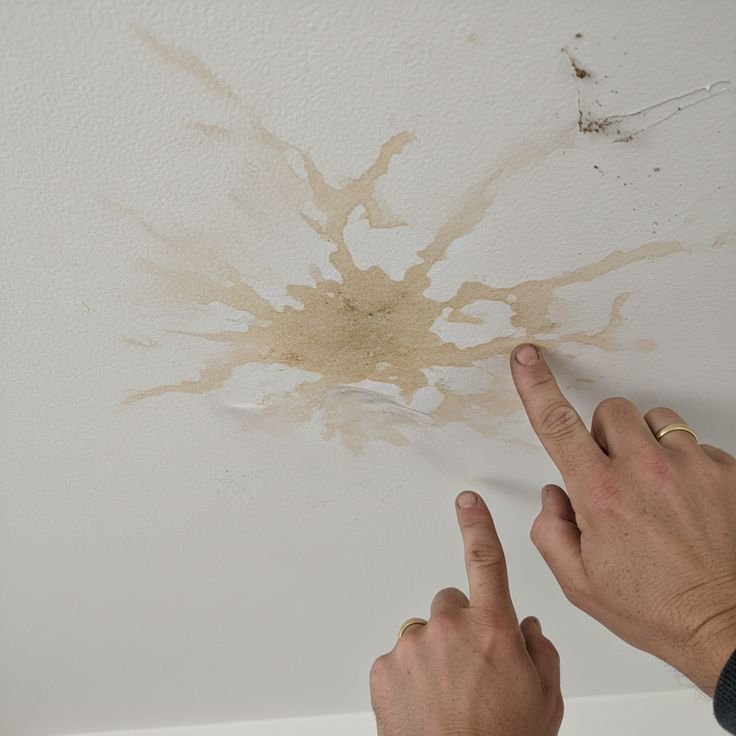
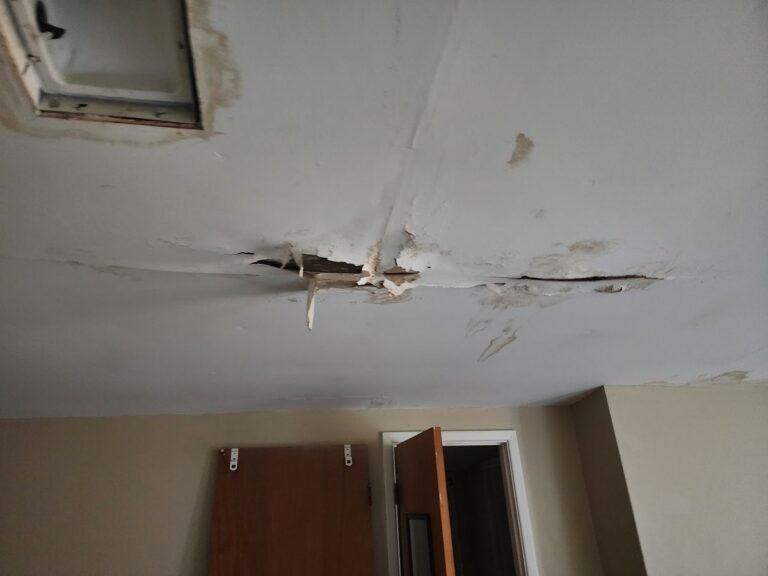
A roof rarely fails all at once. It whispers before it shouts. A faint stain on the ceiling, a damp smell after rain, a slightly lifted shingle that nobody notices—these are the early signals. The real damage begins when those signals are ignored. Preventing roof leaks is less about dramatic repairs and more about understanding the quiet habits that keep water out before it finds a way in.
This guide is built around five powerful secrets—not shortcuts, but practical, experience-driven methods—that can help you stop roof leaks before they start. Along the way, you’ll find checklists, small habits, and real-life scenarios that make the difference between a dry home and a costly repair.
secret one: the habit of proactive inspection
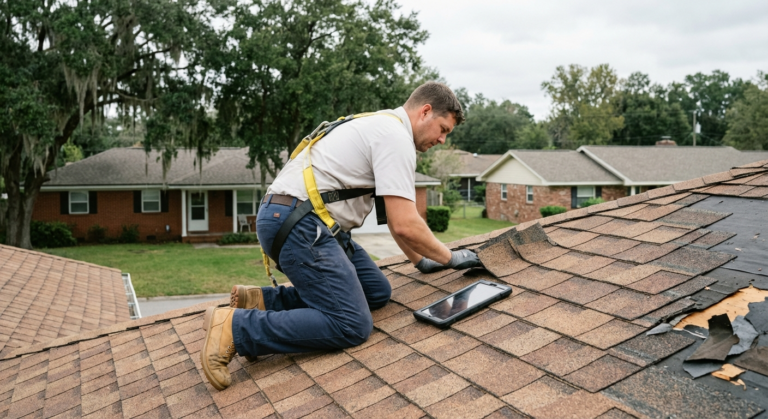
Most homeowners look at their roof only when something goes wrong. By then, the problem has already matured. The first and most powerful secret is simple: inspect your roof regularly, even when everything seems fine.
A roof inspection doesn’t need to be complicated. In fact, it’s often about noticing subtle changes. Stand back and look at your roof from the ground. Does anything look uneven? Are there dark patches that weren’t there before? Are shingles curling or lifting at the edges?
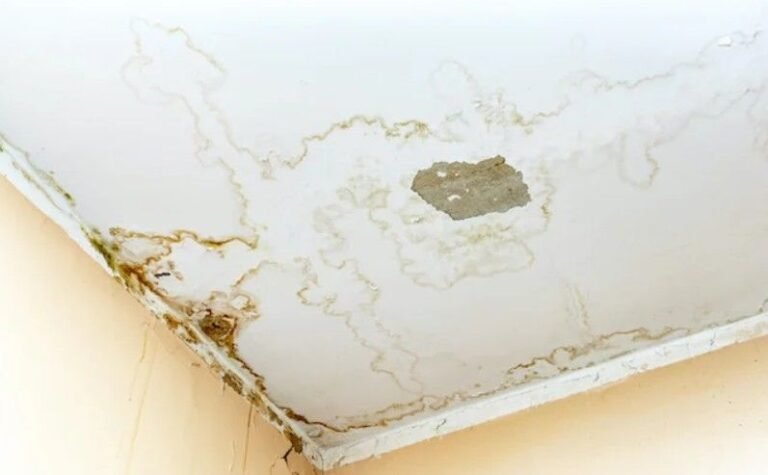
Inside the house, the inspection continues. Check ceilings and walls, especially in corners and near vents. Look for discoloration, bubbling paint, or soft spots. These are not cosmetic issues—they’re early warnings.
To make this easier, here’s a simple seasonal checklist:
spring checklist:
– Look for damage caused by winter storms
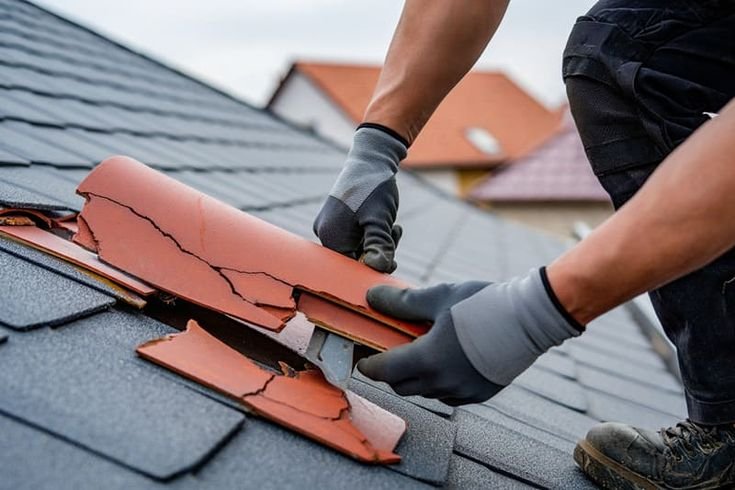
– Check for loose or missing shingles
– Clear debris from gutters
summer checklist:
– Inspect for heat damage and warping
– Check flashing around chimneys and vents
– Ensure attic ventilation is working properly
autumn checklist:
– Remove fallen leaves from roof and gutters
– Inspect seals and joints before winter
– Look for moss or algae growth
winter checklist:
– Watch for ice buildup along roof edges
– Check attic for condensation
– Look for signs of water intrusion after snow melts
The power of this habit lies in timing. Catching a small crack or loose shingle early costs almost nothing to fix. Ignoring it can lead to structural damage, mold, and insulation problems.

secret two: mastering the flow of water
Water doesn’t just fall on your roof—it moves across it. Understanding and controlling that movement is key to preventing leaks.
Your roof is designed like a drainage system. Every slope, edge, and channel plays a role in guiding water safely away. When that system is disrupted, water finds new paths—often into your home.
Gutters and downspouts are central to this system. When they’re clogged, water backs up and seeps under shingles. This is one of the most common causes of leaks, yet also one of the easiest to prevent.
Think of gutters as the exit routes for water. If they’re blocked, water has nowhere to go.
Here’s a quick maintenance routine:
weekly quick check (during rainy season):
– Look for overflowing water during rainfall
– Check for sagging sections
monthly cleaning:
– Remove leaves, dirt, and debris
– Flush gutters with water to ensure flow
– Check downspouts for blockages
Also, pay attention to roof valleys—the areas where two slopes meet. These channels handle a large volume of water, making them vulnerable points. If debris collects here, water can pool and eventually seep through.
Another overlooked factor is roof pitch. Flat or low-slope roofs require extra care because water doesn’t run off as easily. In these cases, even a small obstruction can lead to standing water, which increases the risk of leaks.
Mastering water flow isn’t about redesigning your roof—it’s about keeping its natural pathways clear and functional.
secret three: the art of sealing the weak points
Roofs don’t usually leak in the middle. They leak at the edges, joints, and interruptions. These are the weak points where different materials meet.
Common weak points include:
– Around chimneys
– Around vents and pipes
– Skylights
– Roof edges
– Flashing joints
Flashing is one of the most important elements in leak prevention. It’s the thin material—often metal—that seals the joints and directs water away. When flashing is damaged or improperly installed, leaks are almost inevitable.
Inspecting these areas doesn’t require special tools. Look for cracks, gaps, or rust. If you see sealant that is brittle or peeling, it’s time to replace it.
A simple sealing checklist:
– Check caulking around vents and pipes
– Inspect flashing for rust or lifting edges
– Look for gaps where materials meet
– Replace worn sealant promptly
One small but powerful habit is to carry out a “touch-up seal” once a year. This involves reapplying sealant to vulnerable areas before they fail. It’s a preventive step that takes little time but saves significant trouble.
Imagine your roof as a shield made of many pieces. The weak points are where those pieces connect. Strengthening those connections keeps the shield intact.
secret four: controlling the hidden enemy—moisture from within
Not all roof leaks come from rain. Some start from inside your home.
Moisture buildup in the attic can mimic the effects of a leak. Warm air rises, carrying moisture with it. When it meets the cooler roof surface, condensation forms. Over time, this can lead to mold, rot, and even structural damage.
This is why attic ventilation is crucial. A well-ventilated attic allows air to circulate, preventing moisture from accumulating.
Signs of poor ventilation include:
– A musty smell in the attic
– Damp insulation
– Frost buildup in winter
– Excessive heat in summer
Improving ventilation doesn’t always require major changes. Sometimes, it’s about ensuring that vents are not blocked and that airflow is consistent.
Another factor is insulation. Proper insulation helps regulate temperature, reducing the likelihood of condensation. It also improves energy efficiency, making it a win-win.
Here’s a simple attic care routine:
– Check vents for blockages
– Ensure insulation is evenly distributed
– Look for signs of moisture or mold
– Monitor temperature changes
This secret is often overlooked because the problem is hidden. But controlling internal moisture is just as important as keeping external water out.
secret five: responding early, not urgently
The final secret is about mindset. Most people respond to roof issues when they become urgent. By then, the damage is already done.
Instead, shift your approach to early response. Treat small issues as signals, not inconveniences.
For example:
– A single missing shingle should be replaced immediately
– A small stain on the ceiling should be investigated right away
– A minor gutter blockage should be cleared before the next rain
This approach reduces stress and cost. Emergency repairs are often expensive and disruptive. Early fixes are usually quick and manageable.
To make this practical, create a simple action plan:
when you notice something:
- Identify the source
- Assess the severity
- Take immediate basic action
- Schedule a proper fix
This doesn’t mean overreacting to every detail. It means respecting the early signs and acting before they escalate.

a simple real-life scenario
Imagine a small crack near a vent. It’s barely visible and doesn’t seem urgent. During the next rain, a tiny amount of water seeps in. It’s not enough to cause visible damage yet.
Over time, that moisture accumulates. It weakens the wood, affects insulation, and eventually creates a stain on the ceiling. By the time it’s noticed, the repair involves replacing sections of the roof and interior.
Now imagine addressing that crack when it first appeared. A small amount of sealant, a quick inspection, and the problem is solved.
The difference is not luck—it’s timing.
practical tools that make a difference
You don’t need a full toolkit to maintain your roof, but a few basic items can make inspections and minor fixes easier:
– A sturdy ladder
– Gloves for handling debris
– A hose for testing water flow
– Roof sealant for minor repairs
– A flashlight for attic inspections
Having these tools ready encourages regular maintenance. When something needs attention, you can act immediately instead of postponing it.
long-term benefits of prevention
Preventing roof leaks isn’t just about avoiding repairs. It has broader benefits:
– Protects the structural integrity of your home
– Prevents mold and health issues
– Improves energy efficiency
– Extends the lifespan of your roof
– Reduces long-term maintenance costs
These benefits add up over time. A well-maintained roof can last years longer than a neglected one.
bringing it all together
The five secrets work together as a system:
– Regular inspection helps you notice early signs
– Managing water flow prevents accumulation
– Sealing weak points blocks entry paths
– Controlling internal moisture protects from within
– Responding early stops small issues from growing
Each step reinforces the others. Together, they create a strong defense against leaks.
Think of it as a routine rather than a one-time effort. Small, consistent actions are more effective than occasional major repairs.
frequently asked questions
- how often should I inspect my roof to prevent leaks?
It’s best to inspect your roof at least twice a year—once in spring and once in autumn. Additional checks after heavy storms are also recommended to catch any sudden damage. - can clogged gutters really cause roof leaks?
Yes, clogged gutters can lead to water backup, which may seep under shingles and cause leaks. Keeping gutters clean is one of the simplest ways to prevent this. - what are the earliest signs of a roof leak?
Early signs include water stains on ceilings, peeling paint, musty odors, and small damp spots in the attic. These signals should be addressed immediately. - is it safe to fix minor roof issues myself?
Basic maintenance like clearing debris or applying sealant can be done safely with proper precautions. However, for larger issues or steep roofs, professional help is recommended. - how does attic ventilation affect roof leaks?
Poor ventilation can lead to condensation buildup, which mimics leaks and damages the roof structure. Proper airflow helps prevent moisture accumulation. - what is the most common cause of roof leaks?
The most common causes include damaged shingles, clogged gutters, and faulty flashing. Regular maintenance can prevent all of these issues.
In the end, preventing roof leaks is not about reacting to disasters—it’s about staying a step ahead. A little attention today can save you from major problems tomorrow.
About the Author