7 Proven Roof Leak Fix Guide Fixes That Prevent Future Leaks
7 proven roof leak fix guide fixes that prevent future leaks
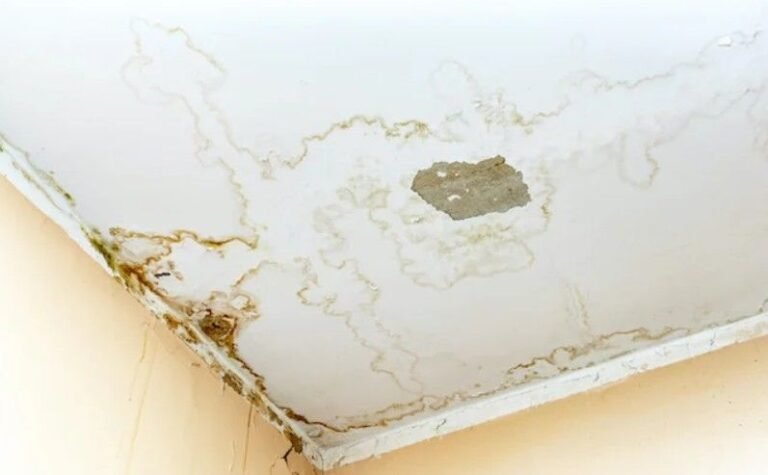
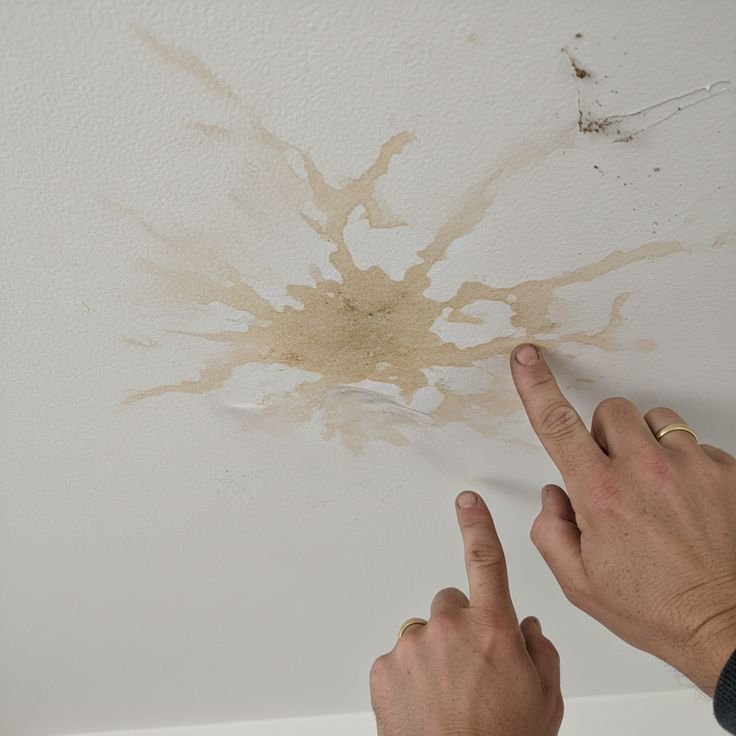
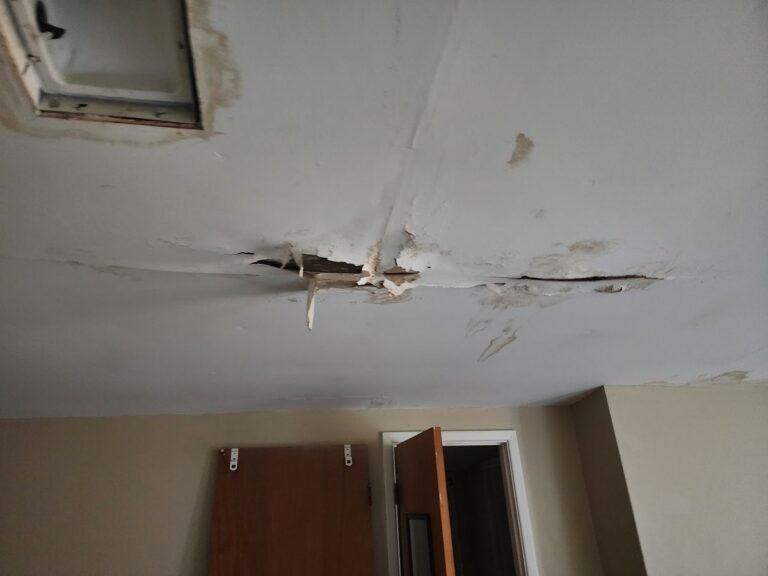
A leaking roof has a way of turning small concerns into urgent problems. It begins quietly—perhaps a faint water stain on the ceiling or a damp patch in the attic—and before long, it can evolve into structural damage, mold growth, and expensive repairs. Many homeowners react to leaks as one-time issues, patching the visible damage and moving on. But the real solution lies in addressing the root causes and reinforcing the roof system so the same problem doesn’t return.
This guide is not just about quick fixes. It’s about understanding why leaks happen, how to repair them properly, and most importantly, how to prevent them from coming back. Each method below combines practical action with long-term thinking, so you’re not stuck repeating the same repair every rainy season.
fix one: identifying and eliminating the real source of the leak
Before climbing onto a roof with tools and sealant, the most critical step is finding the true origin of the leak. Water rarely travels straight down. It often enters at one point and travels along beams, insulation, or under roofing materials before finally dripping into your home.
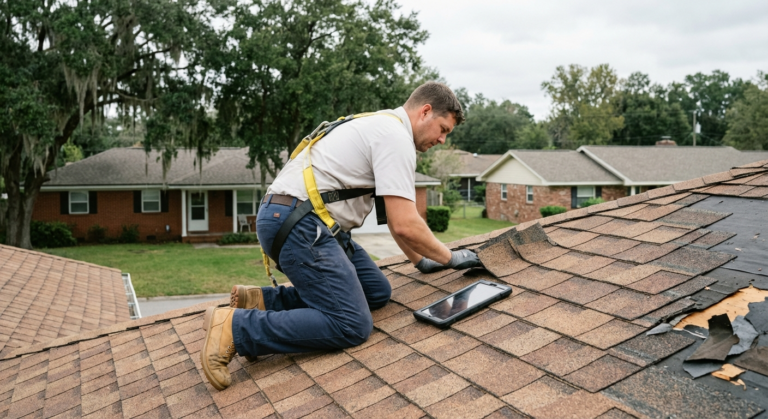
Start by inspecting the attic during daylight. Look for streaks, mold patches, or damp insulation. These clues often point toward the path water has taken. If possible, conduct a controlled water test with a hose while someone watches inside. This helps isolate the entry point.
Once identified, mark the area clearly. Avoid guessing. Many repeat leaks happen because the initial repair was applied to the symptom rather than the source. When you fix the right spot the first time, you prevent the problem from resurfacing months later.
fix two: repairing or replacing damaged shingles properly
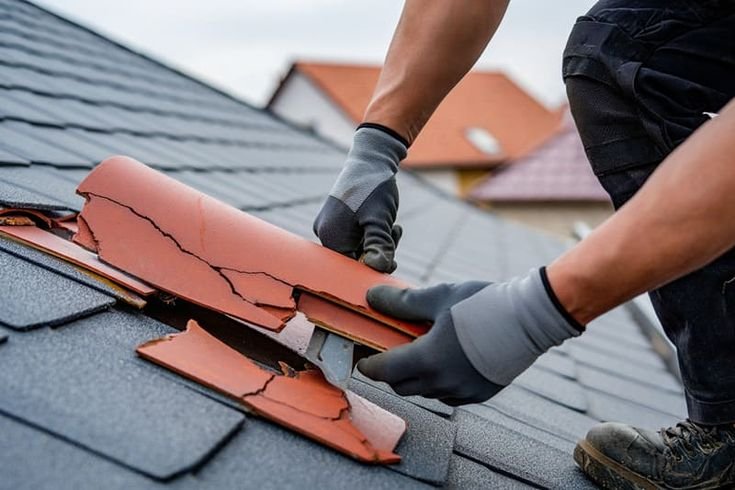
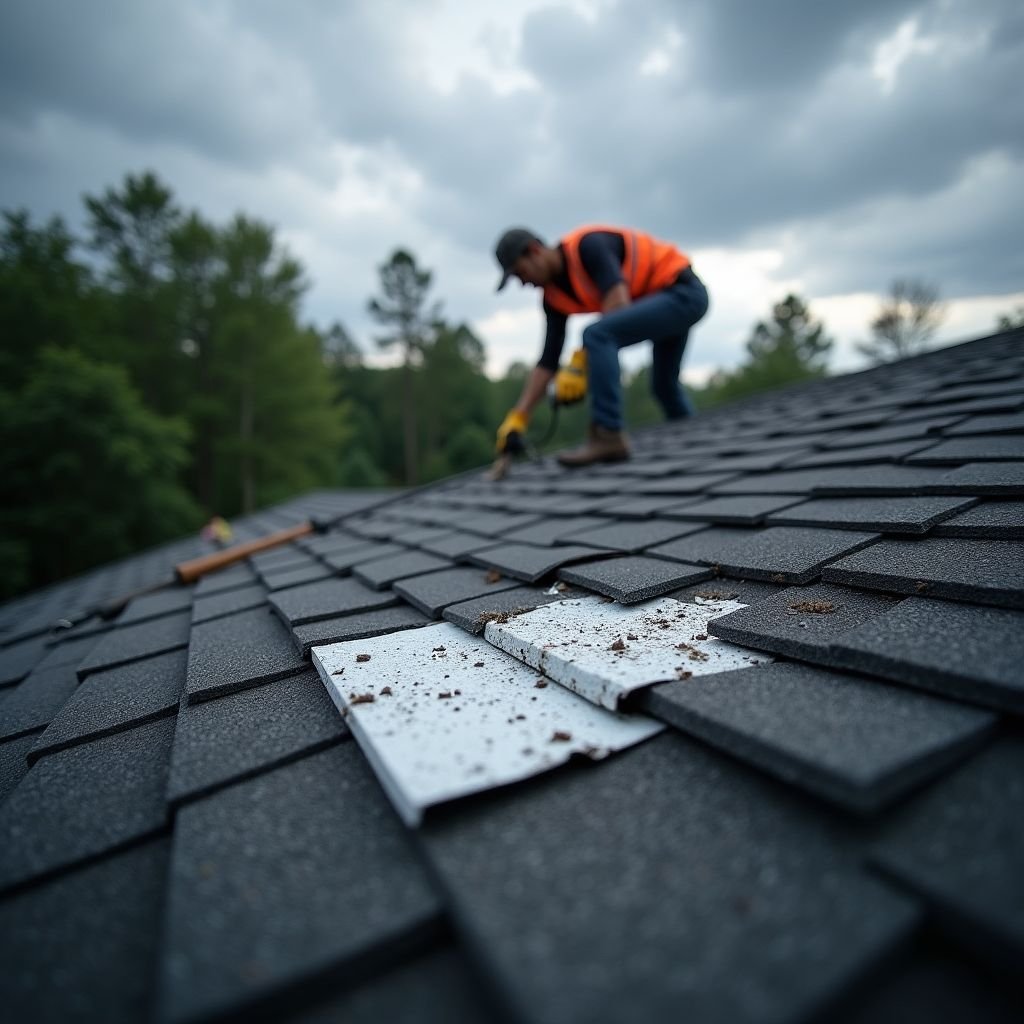
Shingles are your roof’s first line of defense, and even a single damaged one can allow water infiltration. Cracks, curling edges, missing granules, or complete displacement are all signs that replacement is necessary.
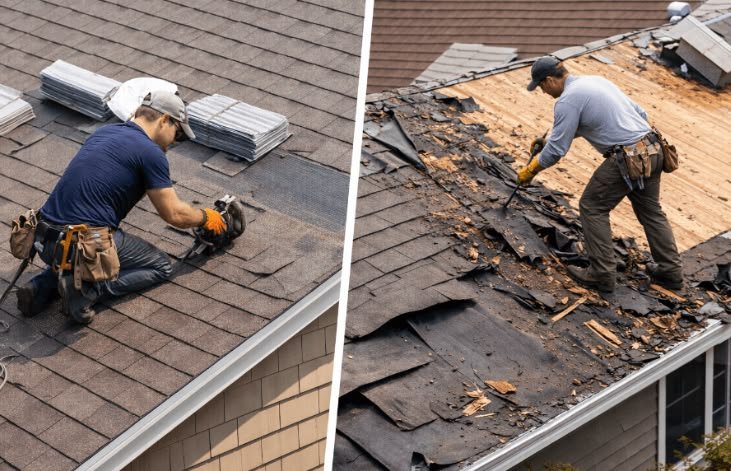
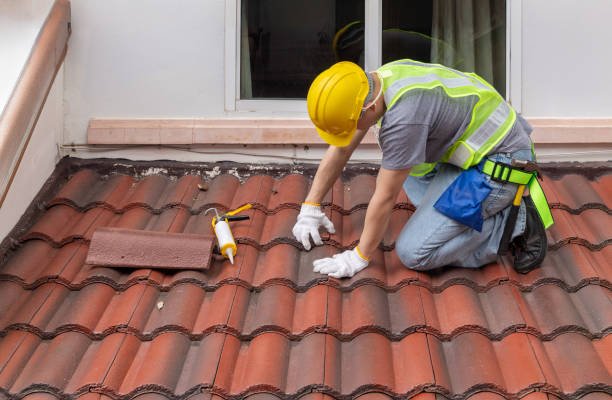
When replacing shingles, don’t just slide a new one into place. Carefully remove the surrounding nails, lift adjacent shingles, and install the new one with proper alignment and fastening. Apply roofing cement beneath the edges to ensure a secure seal.
Using mismatched or low-quality shingles might save money initially, but it often leads to recurring issues. Consistency in material and proper installation technique makes a noticeable difference in durability.
fix three: sealing flashing and roof penetrations
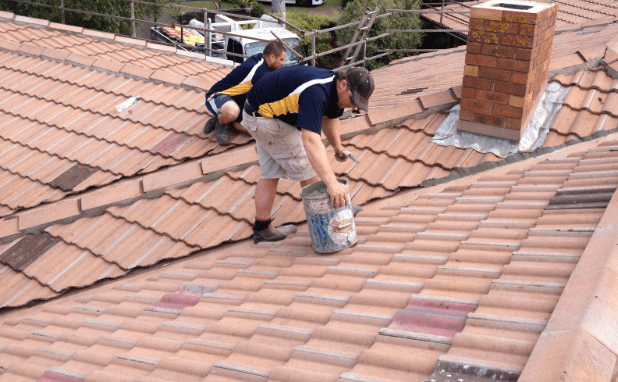
Flashing is installed around chimneys, vents, skylights, and valleys to direct water away from vulnerable areas. Over time, flashing can loosen, corrode, or develop gaps due to thermal expansion and weather exposure.
Inspect all flashing points closely. Look for rust, lifted edges, or cracked sealant. Remove old sealant before applying new material; layering over deteriorated compounds reduces effectiveness.
Use high-quality roofing sealant or replace the flashing entirely if damage is extensive. Pay special attention to corners and joints, as these are the most common leak points.
A properly sealed flashing system not only stops current leaks but also prevents water from finding weak spots during heavy rainfall.
fix four: improving roof drainage systems
Water that sits on a roof longer than it should increases the risk of leaks. Poor drainage leads to pooling, which gradually weakens roofing materials and seeps into small cracks.
Clean gutters and downspouts regularly to ensure smooth water flow. Debris such as leaves, dirt, and bird nests can block drainage pathways and cause overflow.
Check the slope of your roof. Flat or low-slope roofs are particularly vulnerable to standing water. In such cases, adding tapered insulation or improving drainage outlets can significantly reduce risk.
Extending downspouts away from the foundation also prevents water from re-entering the structure through walls or basement areas.
fix five: reinforcing underlayment and waterproof barriers
Underlayment is often overlooked because it sits beneath the visible roofing materials. However, it plays a crucial role as a secondary barrier against moisture.
If your roof has experienced repeated leaks, it may be time to upgrade the underlayment. Modern synthetic materials offer better resistance to water and temperature changes compared to traditional felt.
During repairs, if you have access to the roof deck, consider adding an ice and water shield in vulnerable areas such as valleys and around penetrations. This extra layer provides protection even if shingles fail.
A strong underlayment acts as a safety net, catching water before it can reach the interior of your home.
fix six: addressing structural issues and roof sagging
Sometimes leaks are not caused by surface damage but by deeper structural problems. A sagging roof can create low spots where water accumulates, increasing the likelihood of penetration.
Inspect the roofline from a distance. If you notice dips or uneven sections, further investigation is needed. Inside the attic, check for weakened beams, rotting wood, or compromised supports.
Repairing structural issues may involve reinforcing rafters, replacing damaged wood, or redistributing weight. While this can be more complex than surface fixes, it eliminates the conditions that allow leaks to form.
Ignoring structural concerns often leads to recurring leaks, no matter how many surface repairs are attempted.
fix seven: implementing routine maintenance and seasonal inspections
Prevention is not a one-time task. It requires consistent attention throughout the year. Seasonal inspections help catch small issues before they escalate.
After heavy storms, check for missing shingles, debris buildup, and visible damage. During dry seasons, inspect sealants and flashing for cracks caused by heat.
Create a maintenance routine that includes cleaning gutters, trimming overhanging branches, and checking attic ventilation. Proper airflow reduces moisture buildup and extends the life of roofing materials.
Document your inspections. Keeping a record helps track recurring problem areas and ensures timely action.
the human side of roof care
Beyond tools and materials, there’s a human element to maintaining a roof. It’s about awareness, patience, and the willingness to address problems early. Many homeowners delay repairs, hoping small issues will resolve themselves. Unfortunately, roofs rarely forgive neglect.
Think of your roof as a system rather than a collection of parts. Each component—shingles, flashing, underlayment, structure—works together. Strengthening one area while ignoring another creates imbalance.
Investing time in understanding your roof pays off in reduced stress and lower repair costs over the years.
common mistakes that lead to recurring leaks
One of the most frequent mistakes is overusing sealant as a universal solution. While sealants are useful, they are not a substitute for proper repairs. Applying sealant over damaged materials without fixing the underlying issue often leads to temporary results.
Another mistake is ignoring ventilation. Poor ventilation traps moisture inside the attic, which can condense and mimic roof leaks. Ensuring proper airflow prevents this confusion and protects the roof structure.
Using incompatible materials is also a problem. Mixing different types of roofing materials without considering their properties can lead to expansion mismatches and gaps.
Finally, rushing repairs without proper preparation often results in incomplete fixes. Taking the time to clean, inspect, and plan makes a significant difference.
long-term mindset for leak prevention
Preventing future leaks is less about reacting to problems and more about anticipating them. Weather patterns, aging materials, and environmental factors all play a role in roof performance.
Adopting a proactive mindset means scheduling inspections even when there are no visible issues. It means investing in quality materials and professional advice when needed.
It also involves understanding the limits of DIY repairs. While many fixes can be handled independently, some situations require expert intervention. Knowing when to seek help is part of effective roof management.
practical checklist for homeowners
Keep gutters clean and free-flowing
Inspect shingles after storms
Check attic for moisture or mold
Examine flashing around penetrations
Ensure proper ventilation
Monitor roofline for sagging
Document repairs and observations
This checklist serves as a simple yet powerful tool for maintaining roof health. Consistency in these actions reduces the likelihood of unexpected leaks.
the cost of prevention versus repair
Many homeowners hesitate to invest in preventive measures due to cost concerns. However, the expense of repeated repairs, interior damage, and potential structural issues often exceeds the cost of proper maintenance.
Preventive actions may seem like small investments, but they compound over time. A well-maintained roof can last years longer than a neglected one, providing both financial and practical benefits.
thinking beyond the roof
Roof leaks can impact more than just the structure above your head. They can affect insulation efficiency, indoor air quality, and even energy bills. Moisture intrusion reduces insulation effectiveness, leading to higher heating and cooling costs.
Addressing leaks promptly and preventing future ones contributes to a healthier living environment. It also protects belongings, furniture, and personal spaces from water damage.
frequently asked questions
what is the most common cause of roof leaks
The most common cause is damaged or missing shingles, followed closely by faulty flashing around roof penetrations. Poor drainage and clogged gutters also contribute significantly.
can a small roof leak fix itself over time
No, roof leaks do not fix themselves. In fact, they tend to worsen as water continues to penetrate and weaken materials. Early intervention is essential.
how often should I inspect my roof for leaks
It’s recommended to inspect your roof at least twice a year, typically in spring and autumn, as well as after major storms.
is it better to repair or replace a leaking roof
It depends on the extent of the damage. Minor issues can be repaired, but widespread or recurring leaks may indicate the need for replacement.
can I fix a roof leak without professional help
Many small repairs can be handled by homeowners with the right tools and knowledge. However, complex issues involving structure or extensive damage should be addressed by professionals.
what materials are best for preventing future leaks
High-quality shingles, durable flashing, and modern synthetic underlayment provide strong protection. Investing in reliable materials reduces the likelihood of recurring problems.
closing thoughts
A roof leak is rarely just a surface issue. It’s a signal that something within the roofing system needs attention. By focusing on proven fixes and adopting a preventive approach, you can transform a reactive cycle into a proactive strategy.
Each repair becomes an opportunity to strengthen your roof, making it more resilient against future challenges. With careful inspection, thoughtful action, and consistent maintenance, you can keep your home dry, secure, and protected for years to come.
About the Author