5 Roof Leak Fix Guide Maintenance Lessons I Learned After a Storm
The Storm That Changed Everything
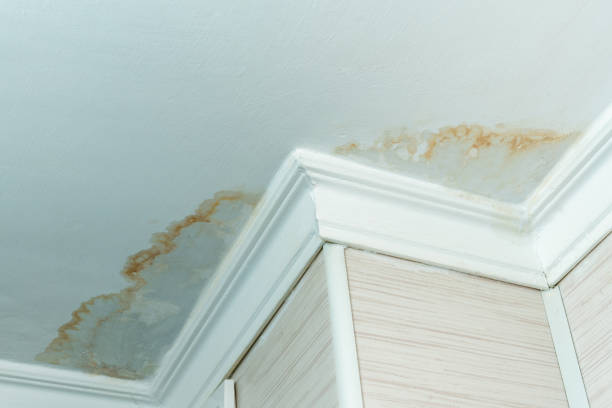
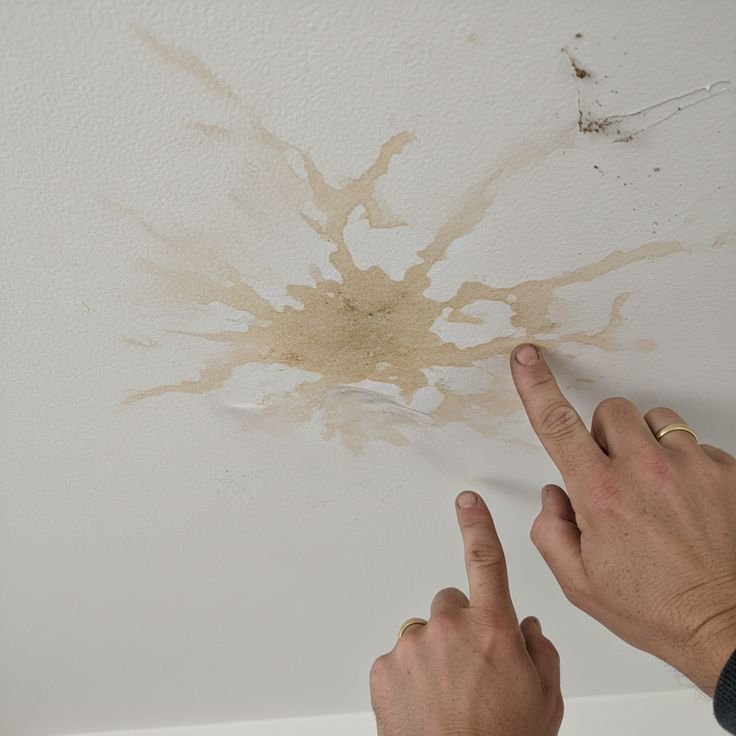
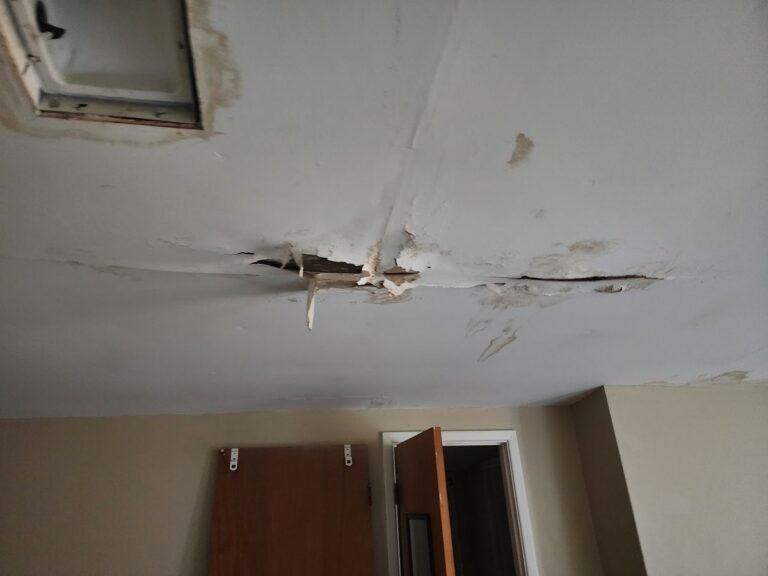
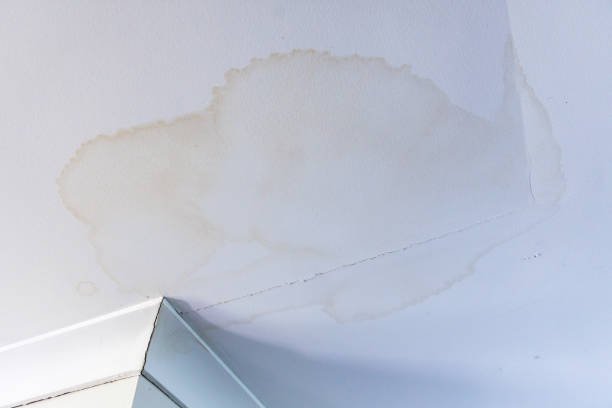
I still remember the night it happened like it was yesterday. It was late July last year, right in the middle of Karachi’s monsoon season. The kind of rain that doesn’t just fall—it hammers down like someone up there is emptying buckets straight onto our rooftops. I was in my small two-bedroom house in Gulshan-e-Iqbal, the one my family has lived in for fifteen years. The power had gone out around 10 p.m., which is normal during these storms, and I was sitting in the living room with my wife and kids, listening to the wind howl and the thunder crack. Then came that first drip. Plop. Right onto the center table where we keep the family photos. At first I thought it was just condensation or something silly, but within minutes the ceiling was weeping in three different spots. Water running down the walls, soaking the sofa, ruining the carpet my mother-in-law had gifted us. By morning the damage was clear: bulging paint, wet insulation, and that horrible musty smell that never really leaves.
I panicked. Called a couple of local “mistry” guys at 6 a.m., paid them way too much in a rush, and watched them slap some cheap bitumen on the roof while the rain was still spitting. It stopped leaking for two days, then started again worse than before. That’s when I realized I had to learn this stuff myself instead of throwing money at quick fixes. Over the next few months I fixed the roof properly, researched every local material I could find in the markets from Saddar to Orangi, and turned the whole nightmare into a set of hard-earned lessons. These aren’t textbook tips from some fancy Dubai contractor. These are the five things I actually learned the painful way after that storm, the ones that saved me thousands of rupees and kept my house dry through two more rainy seasons since then. If you live in Karachi or anywhere with heavy monsoon rains, I hope they save you the same headache.
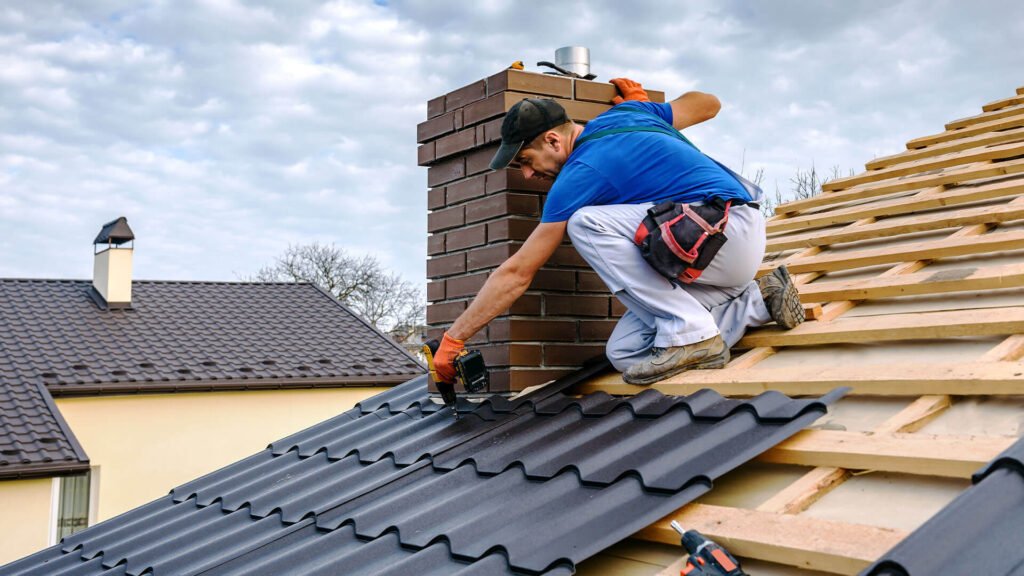
The first lesson hit me hardest and fastest: you have to move the second you see water. Waiting even a few hours turns a small problem into thousands of rupees in repairs. That night I sat there staring at the drip, thinking “it’s just rain, it’ll stop.” By the time I dragged buckets under the leaks and covered the furniture with plastic sheets, the ceiling plaster had already started crumbling. Water travels sideways through concrete slabs in ways you don’t expect. What started as three drips became a whole section of the roof slab saturated, and the next day my neighbor told me his ceiling had collapsed two years earlier for the same reason.
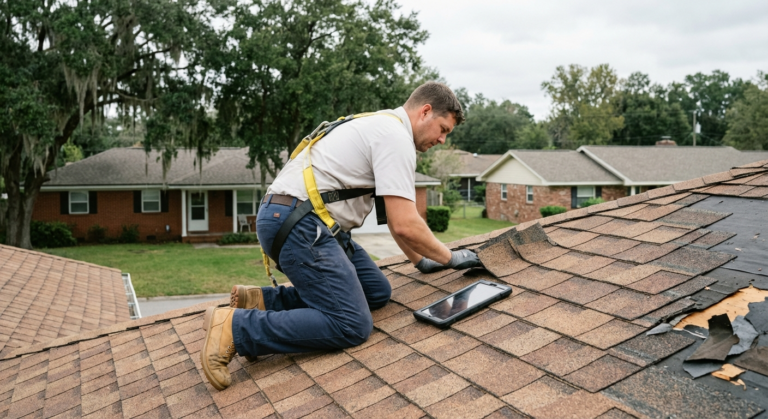
So here’s exactly what I do now the moment I spot a leak. First, I grab every bucket, bowl, and old towel in the house and position them right under the wet spots inside. Then I head straight up to the roof, even if it’s still pouring. Safety first— I wear rubber boots and keep one hand on the parapet wall because those flat Karachi roofs get slippery fast. I look for obvious standing water or cracks. If I see a puddle forming near the corner or along the parapet, I know that’s where the waterproofing failed. My temporary fix is simple but effective: I roll out a heavy-duty plastic tarp I keep stored in the storeroom (the thick blue one from the hardware shop near Teen Talwar, costs about 800 rupees and lasts years). I weigh it down with bricks and old cement bags so the wind doesn’t blow it away. Then I make channels with more bricks to direct water off the edges instead of letting it pool.
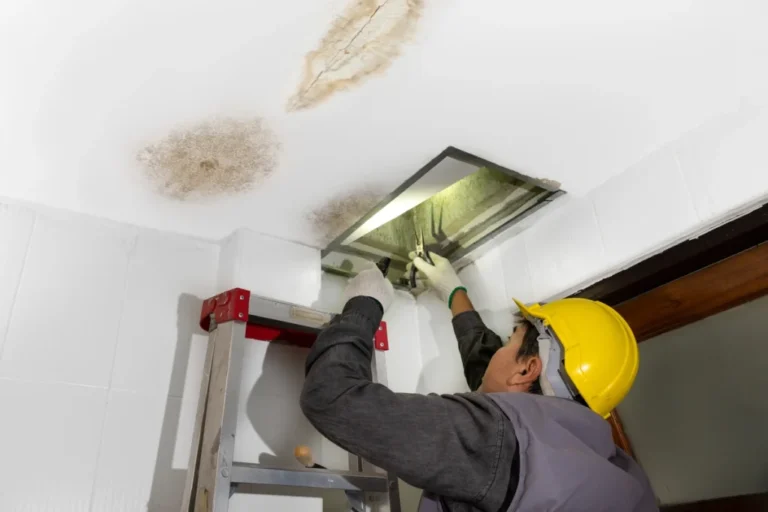
Inside, I cut open the ceiling where the bulge is worst using a putty knife—carefully, because you don’t want to bring the whole slab down. I let the water drain out completely over a day or two, running a fan on it nonstop. That first time I skipped this step and just painted over the wet area. Two weeks later mold appeared and I had to redo everything. Now I wait until the plaster is bone dry, then apply a coat of white cement mixed with acrylic bonding agent from the local paint shop. It bonds better in our humid climate. The key is speed: every hour water sits in the slab weakens the concrete and invites termites into the wooden beams if you have any. I learned that the hard way when my cousin’s house in North Nazimabad had to be gutted because he waited a week.
Money-wise, acting fast saved me at least 40,000 rupees. The initial emergency call-out fee plus re-plastering the whole ceiling would have been double what I spent fixing it myself later. And emotionally? Watching your kids’ schoolbooks get ruined because you hesitated is something you don’t forget. So lesson one is drilled into me now: the roof doesn’t wait for convenient weather or your bank balance. Move immediately, contain the water both inside and out, and dry everything thoroughly before any permanent work.
The second lesson took longer to sink in because it feels counter-intuitive: the leak you see inside is almost never directly above where the problem actually is on the roof. That first storm had water dripping in the living room, but when I finally climbed up and inspected properly, the real culprit was a hairline crack near the water tank on the opposite side of the roof. Water had seeped under the old waterproofing membrane, traveled through the slab for two meters, and only emerged inside where the plaster was weakest. I wasted a full day patching the ceiling spot directly above the drip before realizing my mistake.
I spent the next weekend crawling across every inch of the roof on my hands and knees with a flashlight, even though it was 40 degrees Celsius. I poured water from a hose in different sections while my wife stood inside watching for drips. That’s the best way to trace it—simulate rain and mark the entry points with chalk. In Karachi’s flat roofs the common hiding spots are where the parapet wall meets the slab, around the AC outdoor units, and especially near the overflow pipes from the water tank. Those pipes get clogged with dust and leaves from the neem trees everyone plants, and the water backs up during heavy rain.
Once I found the real crack, I cleaned it out with a wire brush until no loose cement remained. Then I widened it slightly into a V-shape so the repair material could grip. I used a product called “Roof Seal” from a shop in Clifton—costs about 1,200 rupees per liter but it’s worth it because it’s flexible and handles our temperature swings. I filled the crack, then applied two full coats over a one-meter radius around it. The trick is to do this on a completely dry day. I learned that when I rushed it once after a light shower; the coating bubbled up within a week because moisture was trapped underneath.
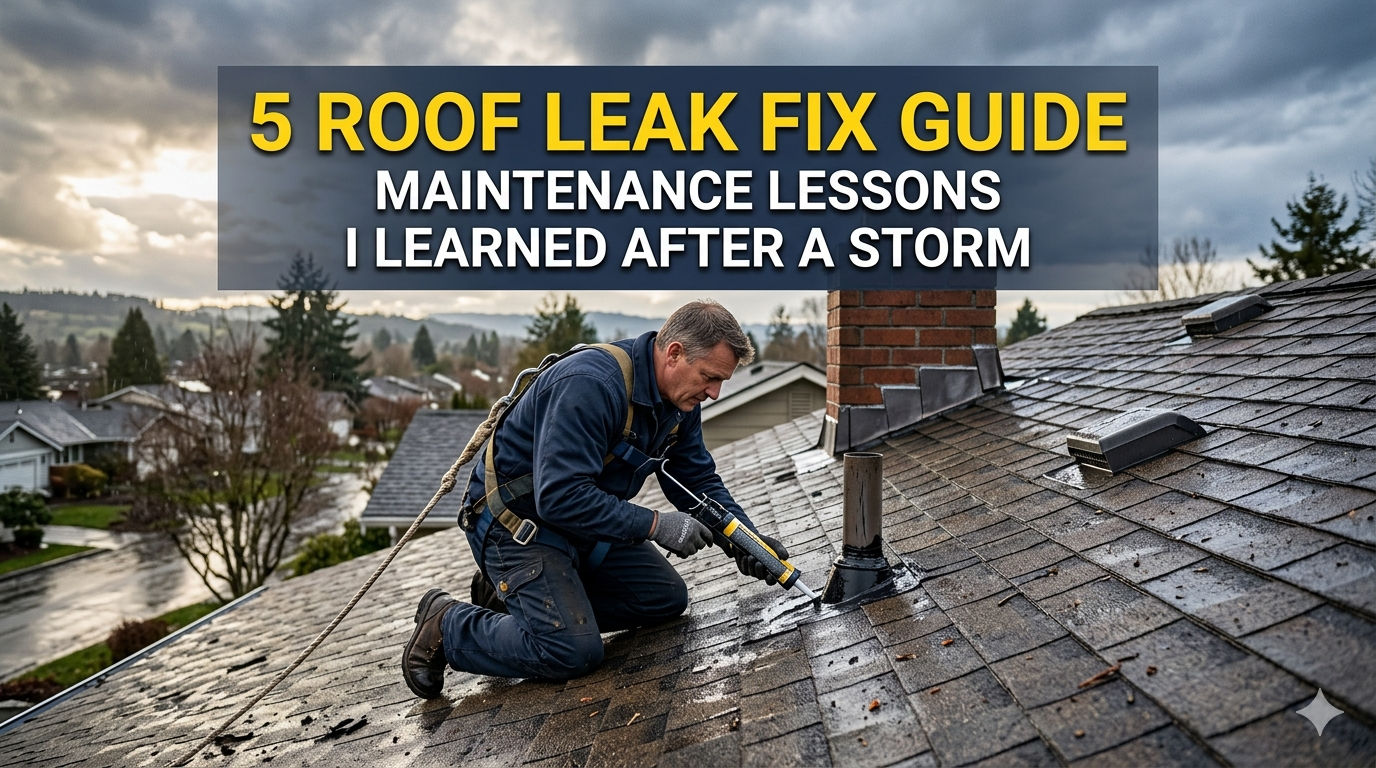
Another thing I never knew before: check the flashing around any protrusions. My roof has a small exhaust pipe for the kitchen chimney, and the cement around it had cracked years ago. Water was sneaking in there too. I sealed it with silicone caulk made for outdoor use, the kind that stays flexible. Now every six months I run the hose test again, even if there’s no leak inside. It takes thirty minutes and has prevented two potential disasters already. My neighbor laughed at me the first time he saw me doing it, but after his own leak last monsoon he started copying the method. Lesson two is basically detective work: never assume the wet ceiling spot is the source. Trace it properly or you’ll keep fixing symptoms instead of the disease.
The third lesson came during my first real repair attempt and it’s all about choosing the right temporary and semi-permanent fixes for our specific climate. Karachi isn’t like those hilly areas up north where snow loads crack roofs. Here it’s heat, humidity, salt air from the sea, and sudden downpours that last days. Cheap solutions that work in Lahore just fail here within months.
After the storm I tried the classic “bitumen paint” that every local contractor pushes. Slapped it on thick, waited two days, and thought I was done. The next heavy shower proved me wrong—the coating cracked because it doesn’t flex with the concrete when it expands in heat. I went back to the drawing board and discovered a better system that’s now my go-to for quick fixes. I use a two-part acrylic waterproofing membrane. First coat is a primer mixed with cement, second is the flexible top coat. It costs more upfront—around 3,500 rupees for a 20-square-meter roof section—but it lasted through last year’s rains without a single new drip.
For even faster emergency patches I keep a roll of self-adhesive bitumen tape in the storeroom. It’s the stuff they sell at hardware shops near the airport road. You clean the area, stick it down, and it holds for weeks until you can do a proper job. I also learned the value of proper drainage. Before the storm my roof had almost zero slope. Water pooled in the middle for hours. I fixed that by adding a thin layer of cement screed with a 1% slope toward the drain pipes. Took two weekends and cost 8,000 rupees including labor, but it means water now runs off in minutes instead of sitting and finding cracks.
Inside the house, I replaced all the affected plaster with moisture-resistant gypsum board on the ceiling. Not the cheap kind—the one with green facing that handles humidity. Painted it with anti-mold emulsion. The difference in the room’s feel is huge; no more damp smell even during July. I also installed a cheap dehumidifier from the market in Defence—it runs on inverter power during load-shedding and keeps the air dry enough that any residual moisture evaporates fast. These small upgrades turned what could have been a recurring nightmare into something I barely worry about anymore. Lesson three boils down to this: match your materials to Karachi’s reality—flexible, heat-resistant, and salt-proof—or you’ll be repeating the work every season.
The fourth lesson is probably the one that gave me the most confidence: you can tackle long-term repairs yourself if you break them into small, manageable steps and use the right local materials. I’m no engineer, just a regular guy who sells mobile accessories from a small shop in Hyderi Market. But after watching three different contractors quote me 1.5 lakh for a full roof redo and then seeing their shoddy work on my neighbor’s house, I decided to do it myself.
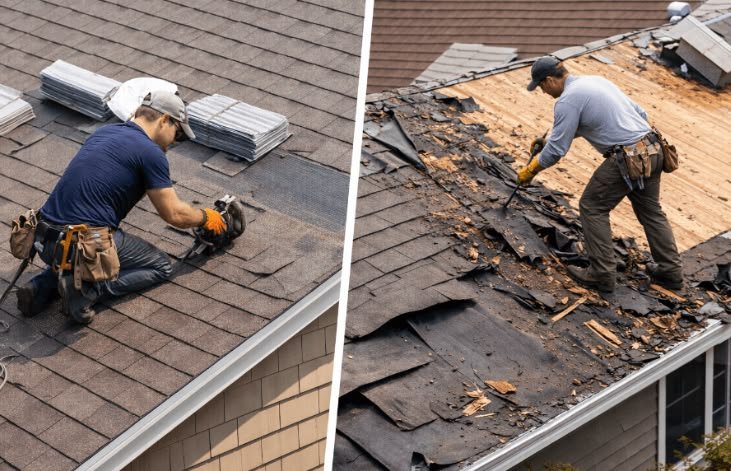
First I cleared the entire roof surface. Removed every loose pebble, old paint flakes, and the previous failed bitumen layers using a wire brush and pressure washer rented for 2,000 rupees a day. Then I repaired every crack bigger than a hairline with polymer-modified mortar—the gray bags from the cement factory outlets in SITE area. Mixed it with acrylic liquid instead of plain water so it bonds stronger and doesn’t shrink when it dries. For the whole roof I applied a three-layer system that’s become my standard now.
Layer one: cement-based waterproofing slurry brushed into every corner and joint. Layer two: a fiberglass mesh embedded while the first coat is still wet—this is the secret that prevents future cracking. You can buy the mesh cheap in bulk from shops near Bolton Market. Layer three: two coats of elastomeric acrylic coating in white to reflect heat. The white color drops the roof temperature by 8-10 degrees in summer, which means less expansion stress on the slab. Total material cost was around 28,000 rupees for my 120-square-meter roof, plus my own labor over four weekends. Compare that to the contractor quotes and you see why DIY makes sense once you know what you’re doing.
I also upgraded the parapet walls. They had hairline cracks where the bricks meet the slab. I filled those with the same flexible sealant and topped them with a proper coping stone slope so water runs outward instead of inward. Around the water tank I built a small concrete curb to stop overflow from reaching the main slab. The best part? When the next big storm hit in September, the roof stayed completely dry while half the street was dealing with leaks. My wife still teases me about how proud I was that weekend, walking around the house checking ceilings like a new father. But that pride came from real work. Lesson four taught me that proper preparation and layered systems beat expensive one-shot contractor jobs every time, especially when you understand how our coastal weather attacks concrete.
The fifth and final lesson is the one I keep preaching to every friend who visits: maintenance is cheaper and easier than any repair, and it turns into a habit once you set a simple routine. Before the storm I treated the roof like something you only touch when it fails. Now I have a calendar on my phone with reminders every three months.
March check-up: after winter dust storms. I sweep the entire roof, clear the drain pipes with a long bamboo pole, and inspect all seals around pipes and tanks. Takes two hours. June pre-monsoon deep clean: pressure wash, reapply a thin top coat of acrylic sealer on high-wear areas like corners, and test drainage by pouring buckets of water. October post-monsoon inspection: look for new cracks caused by the rains and touch them up immediately. December quick visual: just walk around after the fog clears and make sure nothing shifted.
I also keep a maintenance log in a small notebook—dates, what I did, materials used, and photos on my phone. Sounds obsessive but it helped me spot a developing crack near the AC unit early last year before it leaked inside. Cost of prevention? Maybe 4,000-5,000 rupees a year in materials and my time. Cost of ignoring it? The 80,000 rupees I spent fixing the original damage plus furniture replacement.
I’ve started sharing tools with neighbors too. We have a WhatsApp group now called “Roof Warriors Gulshan” where we swap tips and even rent the pressure washer together to save money. One uncle in the group saved his entire roof by following my hose-test method before the last rains. It feels good to turn my mistake into something useful for others. I also learned to budget for professional help on big jobs—like when I eventually need the roof slab re-waterproofed in another ten years—but only after I’ve done all the small stuff myself. That balance keeps costs down and skills up.
Looking back now, almost a year after that stormy night, the house feels more solid than ever. The kids’ room ceiling is perfect, the living room smells fresh even in humidity, and I sleep through heavy rain without waking up in panic. Those five lessons didn’t come from YouTube videos or fancy books; they came from ruined carpets, arguments with contractors, and nights spent mopping water at 3 a.m. If you’re reading this because your roof is leaking right now, stop everything and start with lesson one—move fast. Then trace the source properly, pick materials that actually survive Karachi weather, do the repair in layers, and commit to checking it regularly. You’ll save money, protect your family’s home, and maybe even turn the whole experience into your own story to tell friends over chai.
The roof over our heads isn’t just concrete and waterproofing. It’s the thing keeping our lives dry and our families safe when the sky decides to open up. I learned that the expensive way, but now I know how to keep it working without breaking the bank. And if another monster storm rolls in next monsoon, I’ll be ready—not because I’m suddenly an expert, but because I finally learned to treat my roof with the respect it deserves. That’s the real fix that lasts.
About the Author