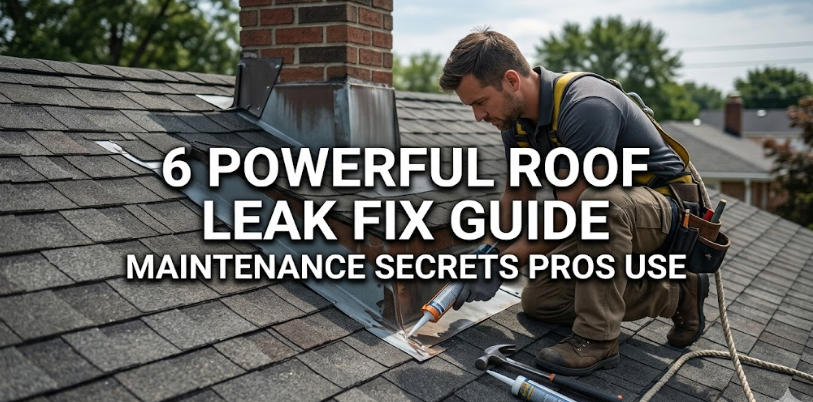
6 Powerful Roof Leak Fix Guide Maintenance Secrets Pros Use
6 Powerful Roof Leak Fix Guide Maintenance Secrets Pros Use
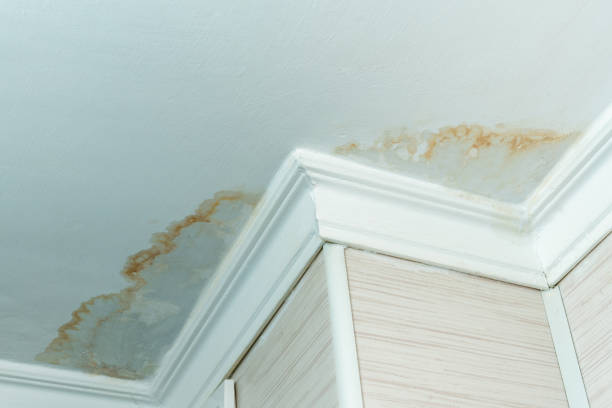
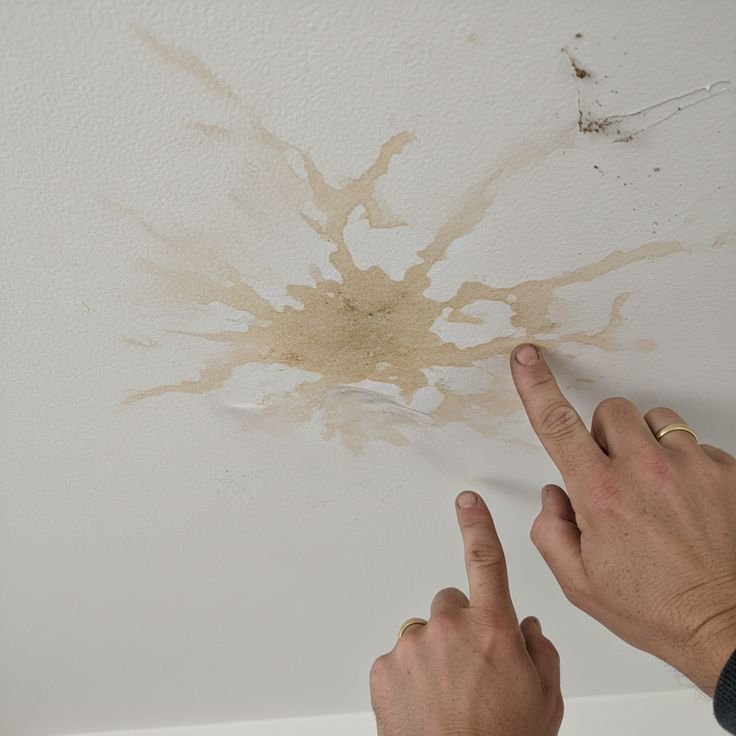
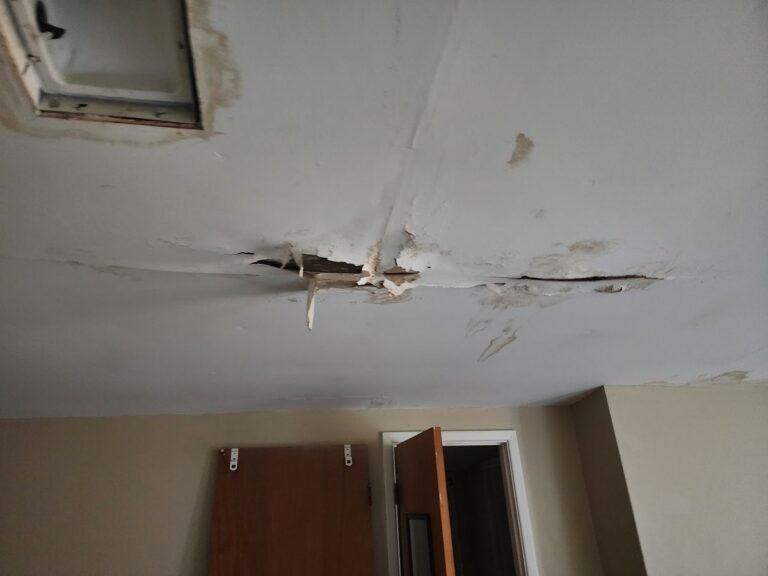
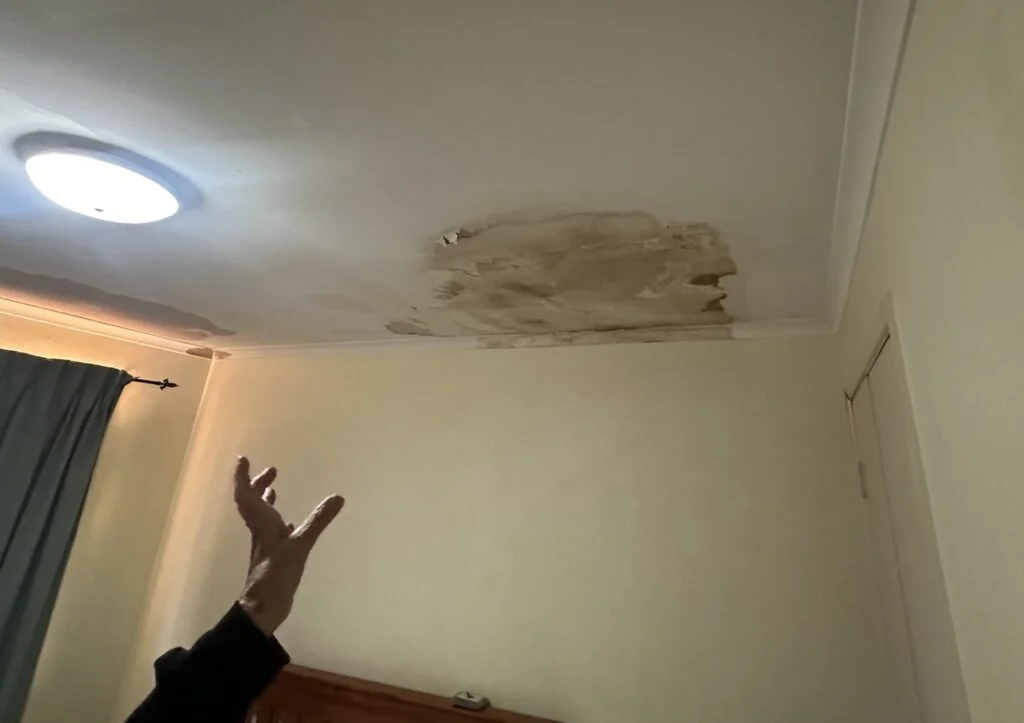
There’s something quietly unsettling about a roof leak. It rarely announces itself with drama. Instead, it whispers—through a faint stain spreading across the ceiling, a musty smell after rain, or a slow drip that appears only when the weather turns against you. Most homeowners don’t think about their roof until it demands attention, and by then, the problem has already grown roots.
Professional roofers, however, approach things differently. They don’t just fix leaks—they prevent them, anticipate them, and design maintenance habits that make leaks far less likely to occur in the first place. What separates a quick patch from a long-term solution isn’t just skill—it’s insight.
This guide walks you through six powerful maintenance secrets professionals rely on. These aren’t gimmicks or shortcuts. They’re practical, tested, and rooted in years of experience. Along the way, you’ll also find real-life scenarios, subtle warning signs to watch for, and habits that transform how you think about your roof.
secret one: water never lies—trace it backwards, not downwards
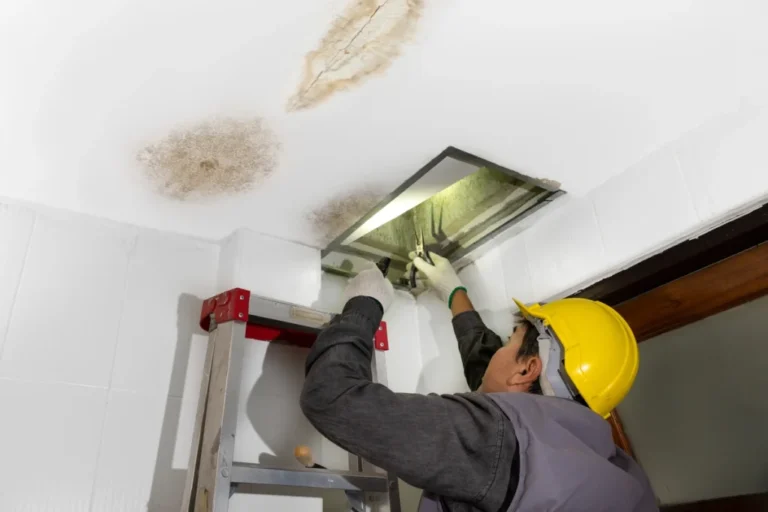
When a homeowner spots a leak, the instinct is to fix the spot where water appears. A stain on the ceiling? That must be where the leak is. But professionals know better. Water is a traveler. It can enter your roof in one place and show up somewhere completely different.
Think of your roof as a layered system. Water might slip in through a cracked shingle, travel along underlayment, follow a beam, and finally drip through your ceiling several feet away from the entry point.
Pros always trace leaks backwards.
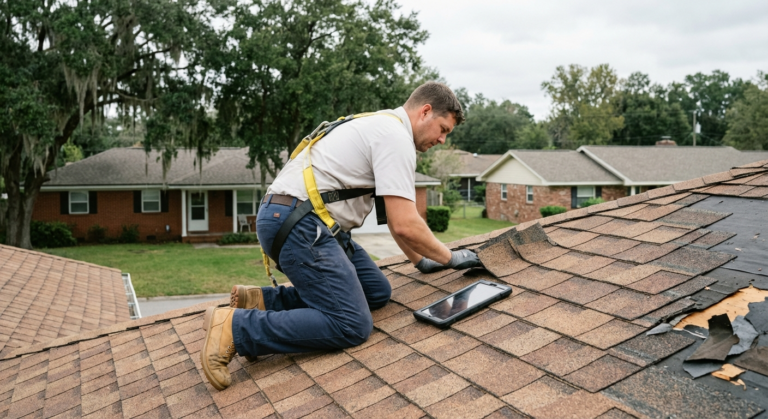
They begin by examining the highest possible point above the visible damage. This often involves climbing onto the roof and carefully inspecting areas uphill from the leak. Flashing around chimneys, vents, and skylights becomes the primary suspect. These intersections are where roofs are most vulnerable.
A practical approach you can use:
- Start at the leak inside your home.
- Measure its distance from walls or corners.
- Transfer that measurement to the roof.
- Inspect areas above that point, not just directly above but also slightly higher.
Sometimes, the solution isn’t where you expect it. A small crack in flashing or a lifted shingle higher up can be the real culprit.
secret two: flashing is the silent guardian
If shingles are the armor of your roof, flashing is the stitching that holds everything together. It’s thin, often metallic, and easy to overlook—but it’s one of the most critical components in preventing leaks.
Professionals spend a disproportionate amount of time inspecting flashing because they know that most leaks originate there.
Flashing is installed around:
- Chimneys
- Roof valleys
- Skylights
- Vent pipes
- Roof edges
Over time, flashing can loosen, corrode, or separate from the surfaces it’s meant to seal. Even a small gap can allow water to seep in.
One of the most effective maintenance secrets is proactive resealing. Instead of waiting for visible damage, pros periodically apply roofing sealant to vulnerable flashing points.
Here’s what sets professionals apart:
They don’t just look for visible damage—they test for weakness. A slight wiggle in flashing or a faint crack in sealant is enough reason for action.
A homeowner-level maintenance habit:
- Inspect flashing twice a year, especially before and after rainy seasons.
- Look for rust, cracks, or lifted edges.
- Apply a high-quality roofing sealant where needed.
This simple habit can prevent some of the most common leaks before they ever start.
secret three: the gutter-roof relationship most people ignore
Gutters are often treated as an afterthought. Clean them once in a while, maybe. Ignore them most of the time. But professionals see gutters as an extension of the roof’s drainage system.
A clogged gutter doesn’t just hold water—it redirects it.
When gutters are blocked:
- Water backs up onto the roof edge.
- It seeps under shingles.
- It saturates the roof deck.
- It eventually finds its way inside.
This is one of the most overlooked causes of leaks.
Pros follow a simple rule: water should never sit on a roof longer than necessary.
To maintain this:
- Gutters must be clear.
- Downspouts must flow freely.
- Water must be directed away from the house foundation.
A powerful maintenance trick used by professionals is installing gutter guards combined with routine inspection. Guards reduce debris buildup, but they don’t eliminate the need for checks.
Another insight:
Roof edges are especially vulnerable. If you notice shingle curling or dark streaks near the edge, it may be a sign of chronic water exposure caused by poor drainage.
Make it a habit:
- Clean gutters at least twice a year.
- Check after heavy storms.
- Ensure downspouts discharge water away from the home.
secret four: shingles don’t fail overnight—they warn you
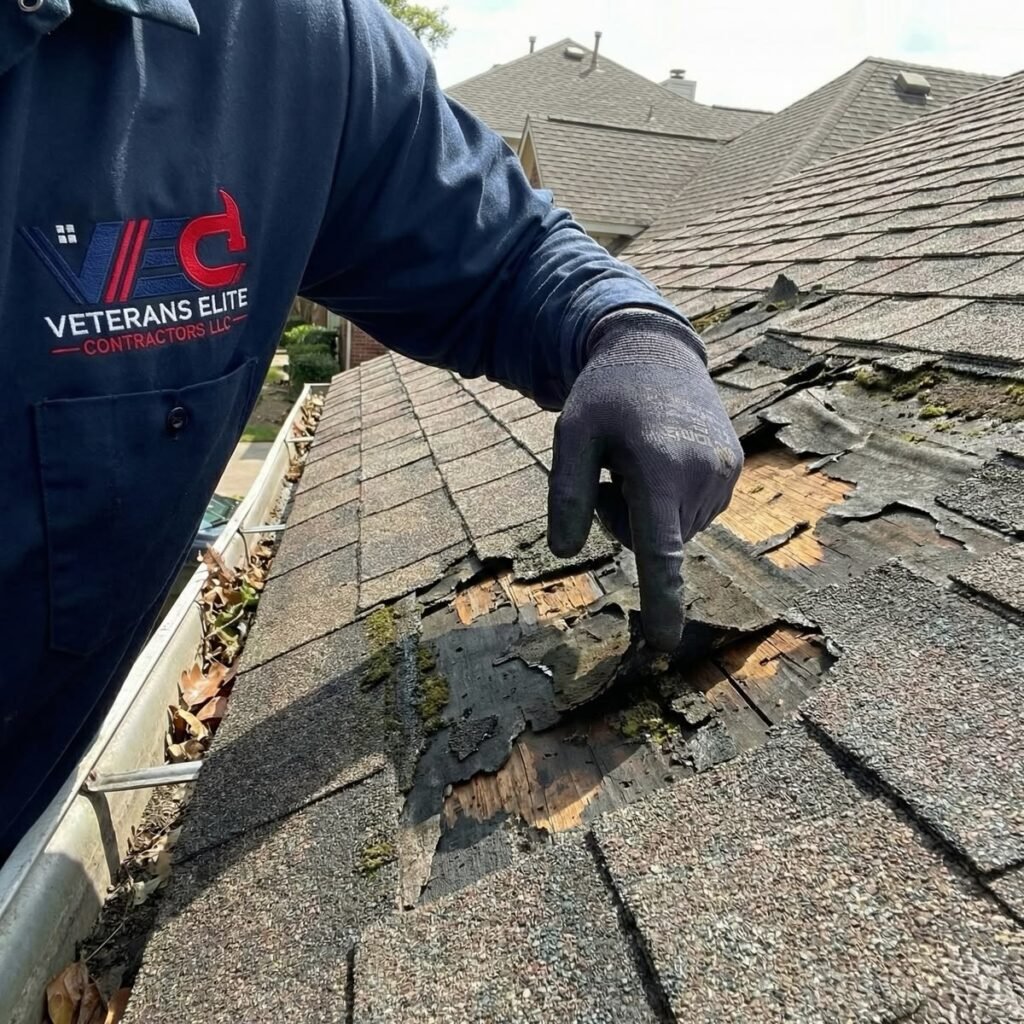
Roof failures are rarely sudden. They’re the result of gradual wear, and shingles often provide early warnings long before a leak occurs.
Professionals are trained to read these signs like a language.
Common warning signals include:
- Curling edges
- Cracked surfaces
- Missing granules
- Discoloration
- Slight lifting during windy conditions
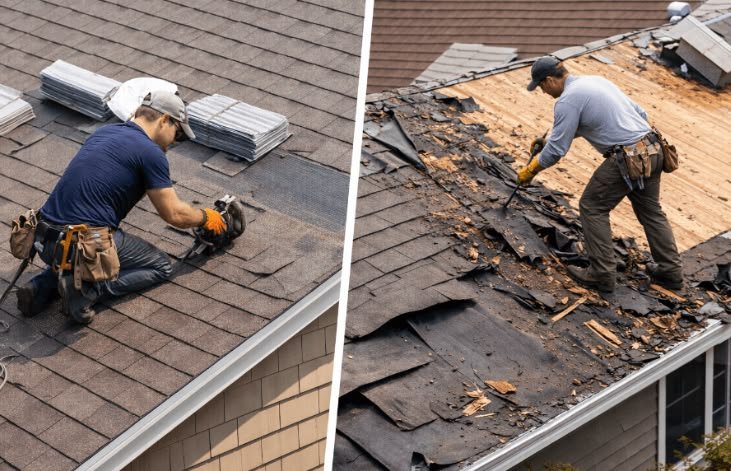
Granule loss is especially important. Those tiny particles on shingles protect them from UV damage. When they start to wear off, the underlying material becomes vulnerable.
Pros don’t wait for shingles to break—they replace compromised ones early.
A homeowner-friendly inspection routine:
- Stand at ground level and scan your roof with binoculars.
- Look for uneven textures or patches.
- Check your gutters for granule buildup—it looks like coarse sand.
Replacing a few shingles early can prevent a much larger repair later.
Another professional trick:
Always keep spare shingles from your original installation. Matching older shingles can be difficult, and having extras ensures seamless repairs.
secret five: ventilation is your hidden defense system
Most people associate roof leaks with rain. But moisture can come from inside your home too.
Poor attic ventilation allows heat and moisture to build up. Over time, this can:
- Warp the roof deck
- Deteriorate underlayment
- Encourage mold growth
- Shorten the lifespan of shingles
In colder seasons, poor ventilation can also lead to ice dams—where melting snow refreezes at the roof edge, forcing water under shingles.
Professionals treat ventilation as a critical part of leak prevention.
Key components include:
- Intake vents (usually at the eaves)
- Exhaust vents (near the roof peak)
Together, they create airflow that regulates temperature and moisture.
A simple test:
Go into your attic on a warm day. If it feels excessively hot or humid, ventilation may be inadequate.
Maintenance tips:
- Ensure vents are not blocked by insulation.
- Check for signs of condensation.
- Consider adding ridge vents or attic fans if needed.
Proper ventilation doesn’t just prevent leaks—it extends the life of your entire roofing system.
secret six: regular inspection beats emergency repair
The biggest difference between professionals and homeowners isn’t skill—it’s consistency.
Pros inspect roofs regularly, even when nothing seems wrong. They understand that prevention is always cheaper and easier than repair.
A professional inspection routine typically includes:
- Checking shingles and flashing
- Inspecting gutters and drainage
- Examining attic conditions
- Looking for early signs of wear
Homeowners often skip this step until a problem appears. But by then, the damage may already be extensive.
Creating your own inspection schedule can make a significant difference.
A practical plan:
- Inspect your roof twice a year (spring and fall)
- Check after major storms
- Keep a simple record of observations
You don’t need to climb onto the roof every time. Many issues can be spotted from the ground or inside the attic.
Another powerful habit:
Take photos during each inspection. Over time, you’ll be able to compare changes and catch subtle deterioration.
bringing it all together
Roof maintenance isn’t about reacting—it’s about staying ahead. Each of these six secrets works best when combined into a consistent routine.
Think of your roof as a system:
- Water entry points must be sealed (flashing)
- Surfaces must remain intact (shingles)
- Drainage must function properly (gutters)
- Internal conditions must be controlled (ventilation)
- Everything must be checked regularly (inspection)
When one part fails, the entire system becomes vulnerable.
Professionals don’t rely on luck. They rely on habits, observation, and small actions taken at the right time.
And that’s the real secret—small, consistent maintenance prevents big, expensive problems.
frequently asked questions
- how do i know if my roof leak is serious
A leak is serious if it appears repeatedly, spreads quickly, or is accompanied by mold, sagging ceilings, or structural damage. Even small leaks should be addressed promptly because they tend to worsen over time. - can i fix a roof leak myself
Minor issues like replacing a shingle or applying sealant to flashing can often be handled by homeowners. However, complex leaks, structural damage, or steep roofs are best left to professionals for safety and effectiveness. - how often should i inspect my roof
At a minimum, inspect your roof twice a year—once in spring and once in fall. Additional checks after storms or heavy rainfall are also recommended. - what is the most common cause of roof leaks
The most common causes include damaged flashing, broken or missing shingles, clogged gutters, and poor roof installation. Flashing issues alone account for a large percentage of leaks. - how long does a typical roof last
The lifespan of a roof depends on materials and maintenance. Asphalt shingles typically last 20–30 years, while metal and tile roofs can last much longer with proper care. - will insurance cover roof leak repairs
Insurance may cover repairs if the leak is caused by sudden damage like a storm. However, leaks due to neglect or lack of maintenance are usually not covered. Regular upkeep can help ensure eligibility for claims.
—
A roof doesn’t need constant attention, but it does need awareness. Once you start noticing the small details—the way water flows, the condition of edges, the subtle changes over time—you begin to think like a professional. And that’s when leaks stop being surprises and start becoming preventable events.
About the Author