9 Easy Roof Leak Fix Guide Prevention Tips for Beginners
9 easy roof leak fix guide prevention tips for beginners
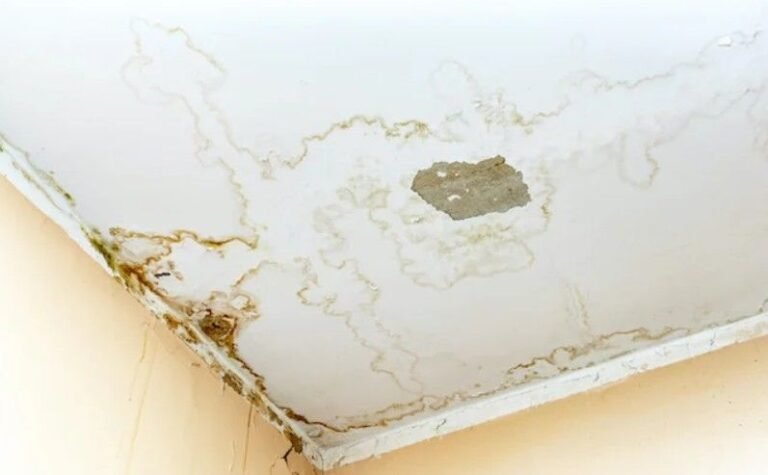
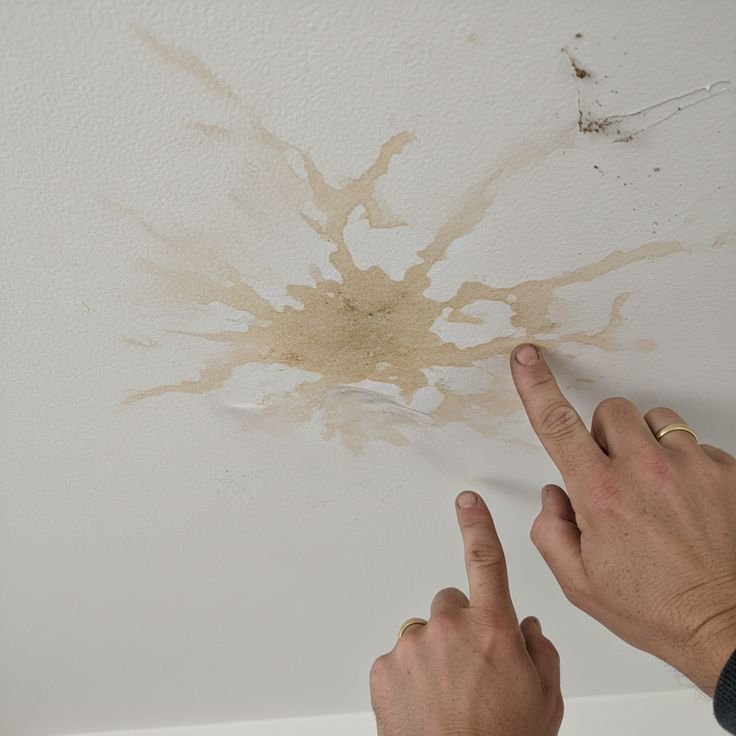
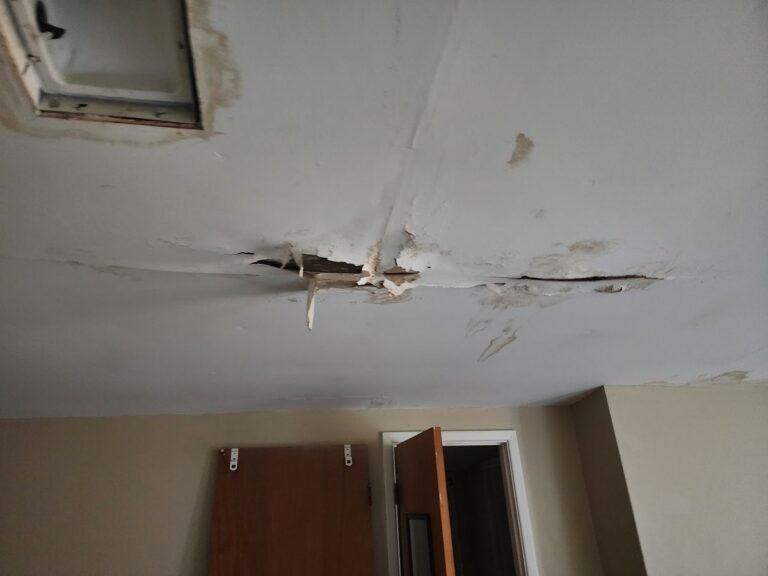
A leaking roof rarely begins as a dramatic event. It starts quietly—a faint stain on the ceiling, a subtle damp smell in a corner, a small drip during heavy rain that disappears just as quickly as it arrives. Many homeowners ignore these early signs, assuming the problem will either go away or remain harmless. In reality, even the smallest leak can evolve into structural damage, mold growth, insulation failure, and expensive repairs.
For beginners, roof maintenance can feel intimidating. The structure sits above your head, often out of sight and out of mind, and the idea of climbing up to inspect it may seem risky or confusing. The good news is that preventing roof leaks doesn’t require expert-level skills. With a little awareness, consistent habits, and the right approach, you can protect your home effectively.
This guide walks through nine simple yet powerful prevention tips. These are not just theoretical suggestions; they are practical habits and insights that can make a real difference in extending the life of your roof and avoiding costly repairs.
understanding why roofs leak in the first place
Before diving into prevention tips, it helps to understand the root causes of roof leaks. Roofs are constantly exposed to weather—rain, wind, heat, and sometimes snow. Over time, materials expand and contract, seals weaken, and small vulnerabilities appear.
Common causes include cracked or missing shingles, clogged gutters, damaged flashing, poor installation, and natural wear and tear. Sometimes, leaks originate from unexpected areas like vents, chimneys, or skylights. Knowing this helps you approach prevention with a broader perspective rather than focusing on just one part of the roof.
tip 1: perform regular visual inspections
The simplest habit is also one of the most effective. Regular visual inspections allow you to catch small issues before they turn into major problems.
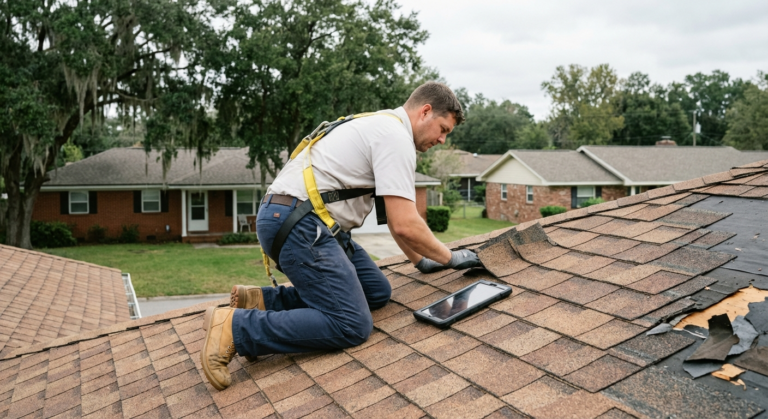
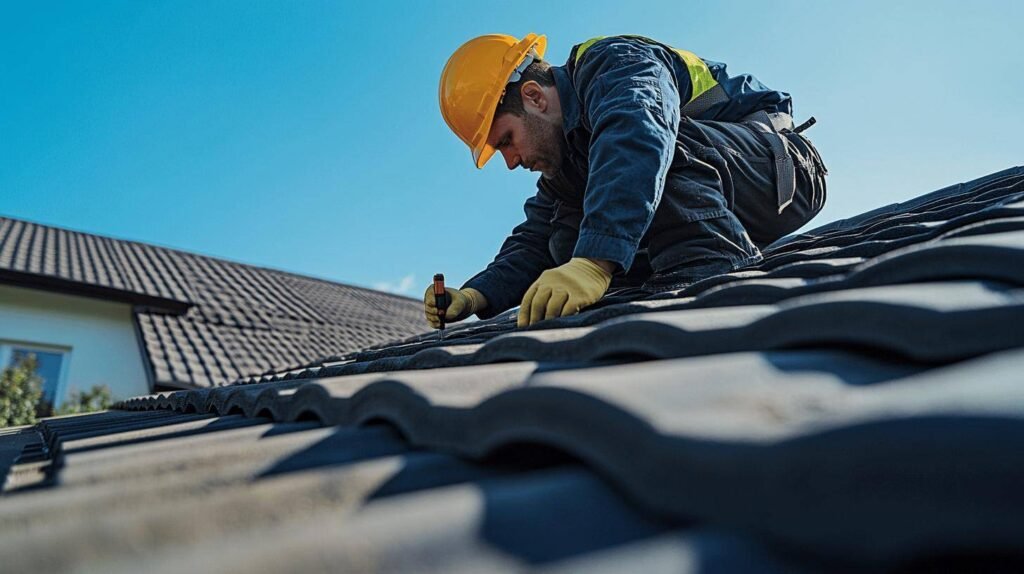
You don’t need to climb onto the roof every time. Start from the ground using binoculars if needed. Look for uneven shingles, discoloration, sagging areas, or debris buildup. Inside the house, check ceilings and attic spaces for stains or damp spots.
Try to inspect your roof at least twice a year, ideally before and after the rainy season. This routine builds familiarity with your roof’s condition, making it easier to notice changes.
tip 2: keep gutters clean and functional
Gutters play a critical role in directing water away from your roof and foundation. When they become clogged with leaves, dirt, or debris, water can back up and seep under roofing materials.
Cleaning gutters may seem like a minor chore, but neglecting it is one of the leading causes of roof leaks. Ensure water flows freely through downspouts and away from your home.
A practical approach is to clean gutters every few months or after storms. Installing gutter guards can also reduce debris buildup and make maintenance easier for beginners.
tip 3: trim overhanging tree branches
Trees add beauty and shade to your property, but overhanging branches can pose risks to your roof. During strong winds, branches may scrape against shingles or even break off and cause damage.
Leaves from these branches also contribute to clogged gutters and moisture buildup. Over time, this creates the perfect environment for leaks.
Trimming branches so they stay a safe distance from your roof reduces these risks significantly. It also allows sunlight to reach your roof, helping it dry faster after rain.
tip 4: check and maintain roof flashing
Flashing is the thin material installed around roof features like chimneys, vents, and skylights. Its job is to prevent water from entering through joints and seams.
Because flashing is exposed to constant temperature changes, it can crack, warp, or loosen over time. Even a small gap can allow water to seep in.
During inspections, pay close attention to these areas. Look for rust, gaps, or lifted edges. If you notice any issues, resealing or replacing the flashing can prevent leaks before they start.
tip 5: replace damaged or missing shingles promptly
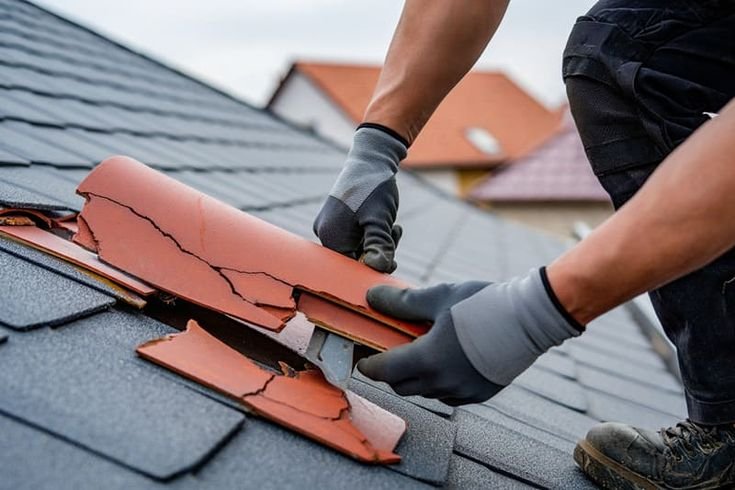
Shingles act as the first line of defense against water. When they are damaged or missing, the underlying structure becomes vulnerable.
Strong winds, heavy rain, and aging can cause shingles to loosen or break. Ignoring even a single missing shingle can lead to water infiltration.
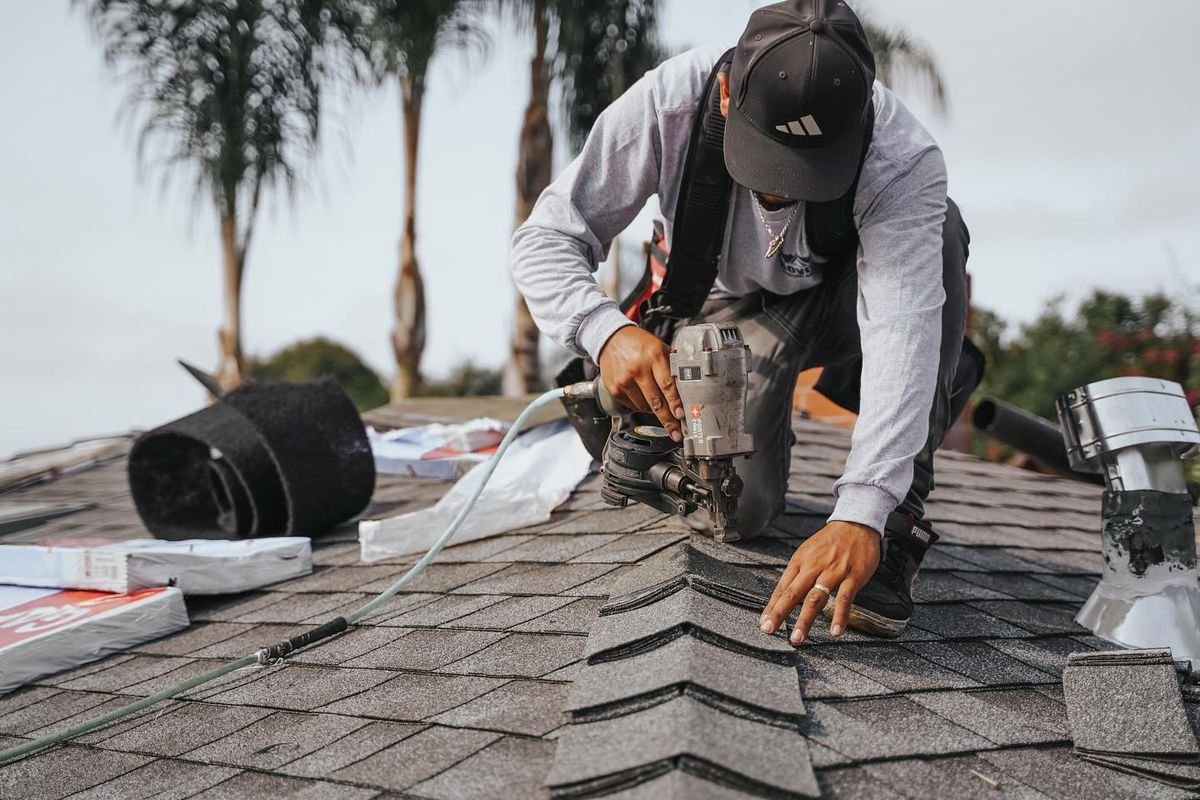
If you spot damaged shingles, replace them as soon as possible. For beginners, it may be wise to consult a professional for repairs, especially if the damage is extensive.
tip 6: ensure proper attic ventilation
Many people overlook the role of attic ventilation in roof health. Poor ventilation can trap heat and moisture, leading to condensation buildup.
This trapped moisture can weaken wooden structures, damage insulation, and eventually cause leaks. It may also shorten the lifespan of roofing materials.
Proper ventilation allows air to circulate, keeping the attic dry and temperature balanced. Installing vents or ensuring existing ones are not blocked can make a noticeable difference.
tip 7: apply waterproof sealants where needed
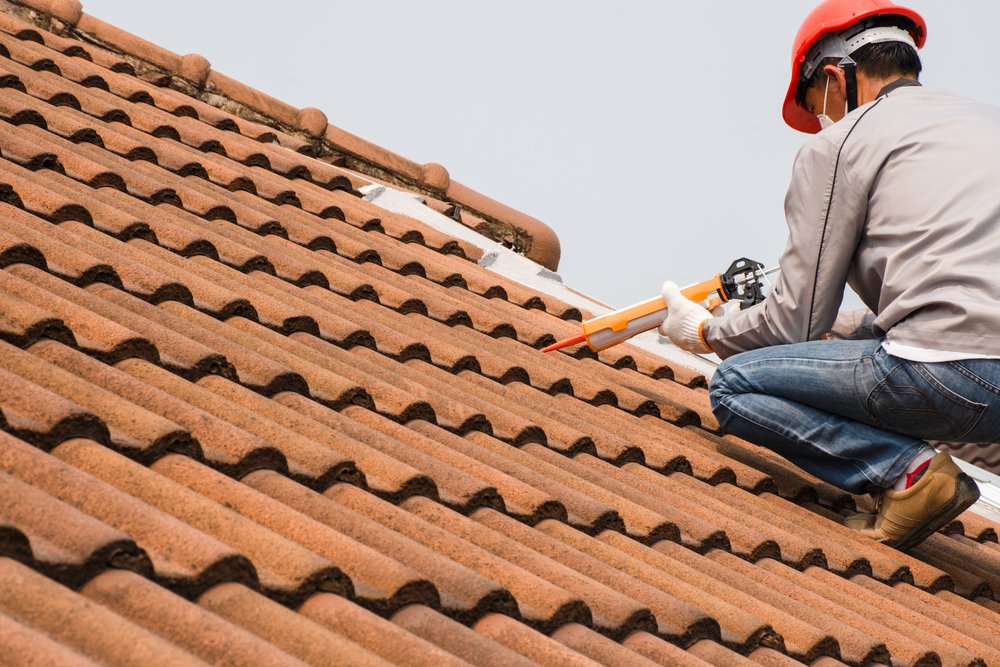
Sealants act as an additional layer of protection in vulnerable areas. They are especially useful around vents, joints, and minor cracks.
Over time, existing sealants may dry out or crack. Reapplying them periodically helps maintain a watertight barrier.
When choosing sealants, look for weather-resistant options suitable for your roofing material. Applying them carefully can prevent small leaks from developing.
tip 8: schedule occasional professional inspections
While DIY inspections are valuable, a professional eye can catch issues you might miss. Roofing experts have the experience and tools to identify hidden problems.
Scheduling a professional inspection once a year or after severe weather events can provide peace of mind. It also helps you plan maintenance before issues escalate.
Think of it as a health checkup for your roof—an investment in long-term protection rather than an unnecessary expense.
tip 9: act quickly when you notice warning signs
Prevention doesn’t stop at routine care; it also involves timely action. If you notice water stains, mold growth, peeling paint, or unusual odors, don’t ignore them.
These signs often indicate underlying moisture problems. Addressing them early can save you from more serious damage later.
Even if the issue seems minor, investigating it promptly ensures your roof remains in good condition.
practical habits that make a difference
Beyond these nine tips, adopting a proactive mindset is key. Prevention is not a one-time effort but an ongoing process. Small actions, when repeated consistently, create a strong defense against leaks.
For example, after every storm, take a few minutes to check your roof and surroundings. Remove debris, ensure gutters are clear, and look for visible damage. These quick checks can prevent long-term problems.
Another helpful habit is keeping a maintenance record. Note down inspection dates, repairs, and observations. This record helps you track patterns and plan future maintenance more effectively.
common mistakes beginners should avoid
While trying to prevent roof leaks, beginners sometimes make avoidable mistakes. One common error is delaying repairs. Small issues rarely fix themselves and often worsen over time.
Another mistake is using incorrect materials or techniques. Not all sealants or shingles are suitable for every roof type. Using the wrong products can lead to ineffective repairs.
Safety is another concern. Climbing onto a roof without proper equipment or experience can be dangerous. When in doubt, seek professional help rather than risking injury.
the long-term benefits of prevention
Investing time in roof maintenance offers significant long-term benefits. It extends the lifespan of your roof, reduces repair costs, and protects your home’s structure.
A well-maintained roof also improves energy efficiency by preventing heat loss or moisture buildup. This can lead to lower energy bills and a more comfortable living environment.
Additionally, it enhances property value. A strong, leak-free roof is a major selling point for potential buyers.
creating a beginner-friendly maintenance routine
If you’re new to roof care, start simple. Choose a few key tasks and build from there. For example, begin with seasonal inspections and gutter cleaning. Once these become routine, add more detailed checks.
Set reminders on your phone or calendar to stay consistent. Over time, these tasks will feel less like chores and more like natural parts of home maintenance.
You can also involve family members, turning it into a shared responsibility. This not only lightens the workload but also ensures nothing gets overlooked.
understanding when to call a professional
While many preventive measures are beginner-friendly, some situations require expert intervention. Extensive damage, structural issues, or persistent leaks are best handled by professionals.
Trying to fix complex problems without proper knowledge can lead to further damage. Recognizing your limits is an important part of effective maintenance.
Professionals can also provide valuable advice tailored to your specific roof type and climate conditions.
adapting your approach to your environment
Different climates pose different challenges. In areas with heavy rainfall, water management becomes a priority. In hot climates, heat and UV exposure can degrade materials faster.
Understanding your local weather patterns helps you tailor your prevention strategy. For example, in rainy regions, frequent gutter cleaning and waterproofing are essential.
In windy areas, securing shingles and trimming trees become more important. Adapting your approach ensures your efforts are both efficient and effective.
the role of materials in leak prevention
The type of roofing material you have influences your maintenance approach. Asphalt shingles, metal roofs, tiles, and other materials each have unique characteristics.
Learning about your roof’s material helps you choose the right products and techniques. It also allows you to identify issues specific to that material.
For instance, metal roofs may require checking for rust, while tile roofs need attention to cracked or displaced tiles.
building confidence as a beginner
At first, roof maintenance may seem overwhelming. But as you gain experience, your confidence will grow. Each inspection, repair, and preventive step adds to your understanding.
Start small, stay consistent, and don’t be afraid to ask for help when needed. Over time, you’ll develop the skills and knowledge to keep your roof in excellent condition.
frequently asked questions
- how often should I inspect my roof for leaks
It’s recommended to inspect your roof at least twice a year—once before the rainy season and once after. Additional checks after storms are also helpful. - can I fix a small roof leak myself
Yes, minor issues like small cracks or loose shingles can often be fixed with basic tools and sealants. However, for larger problems, professional help is advised. - what are the early signs of a roof leak
Common signs include water stains on ceilings, damp walls, mold growth, peeling paint, and musty odors in the attic or living spaces. - do clean gutters really prevent roof leaks
Absolutely. Clean gutters ensure proper water drainage, preventing water from backing up and seeping under roofing materials. - is roof maintenance expensive
Regular maintenance is generally affordable and much cheaper than major repairs or roof replacement caused by neglect. - when should I call a professional roofer
You should call a professional if you notice extensive damage, persistent leaks, structural issues, or if you’re unsure how to handle a problem safely.
In the end, preventing roof leaks is less about complex techniques and more about consistent care. By following these simple tips and staying attentive to your roof’s condition, you can protect your home and avoid unnecessary stress. A little effort today can save you from major headaches tomorrow.
About the Author