5 Easy Roof Leak Fix Guide Habits That Changed My Home
5 easy roof leak fix guide habits that changed my home
There was a time when the sound of rain tapping on my roof didn’t bring comfort—it brought anxiety. Every drop felt like a warning. I would scan the ceiling for new stains, shift buckets around like furniture, and wonder how something as simple as a roof could become such a persistent problem. What surprised me most wasn’t just how leaks formed, but how easily they could have been prevented with a few consistent habits.
This isn’t a story about expensive renovations or complex structural overhauls. It’s about small, repeatable actions—habits—that gradually transformed not just my roof, but the way I maintain my home. These five habits are practical, grounded, and accessible. More importantly, they work.
habit 1: I stopped ignoring the small signs
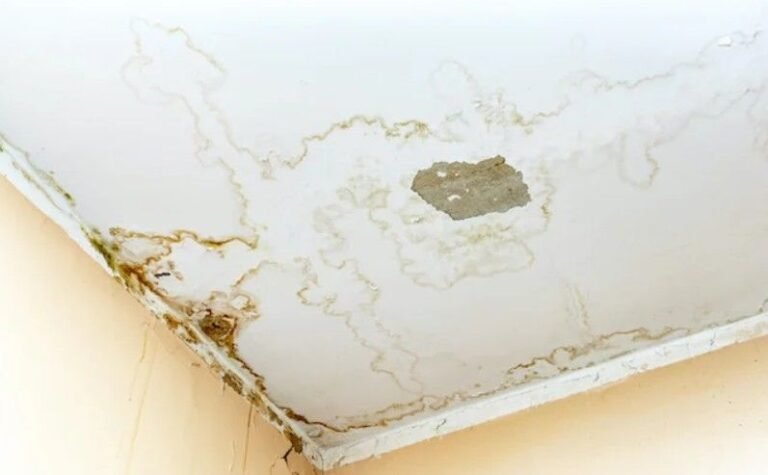
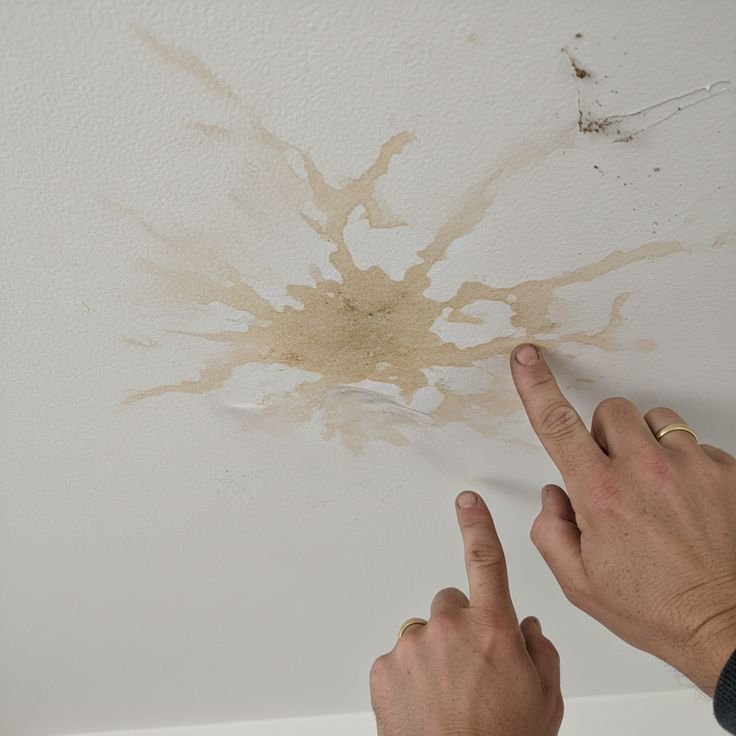
For years, I convinced myself that a tiny water stain wasn’t urgent. It was just a faint discoloration in the corner of the ceiling—barely noticeable unless you were looking for it. But roofs rarely fail dramatically overnight. They whisper before they shout.
The first habit that changed everything was learning to notice and act early.
I began conducting quick visual checks every few weeks. Nothing complicated—just a simple scan of ceilings, corners, and attic spaces. I looked for:
- faint stains or yellow patches
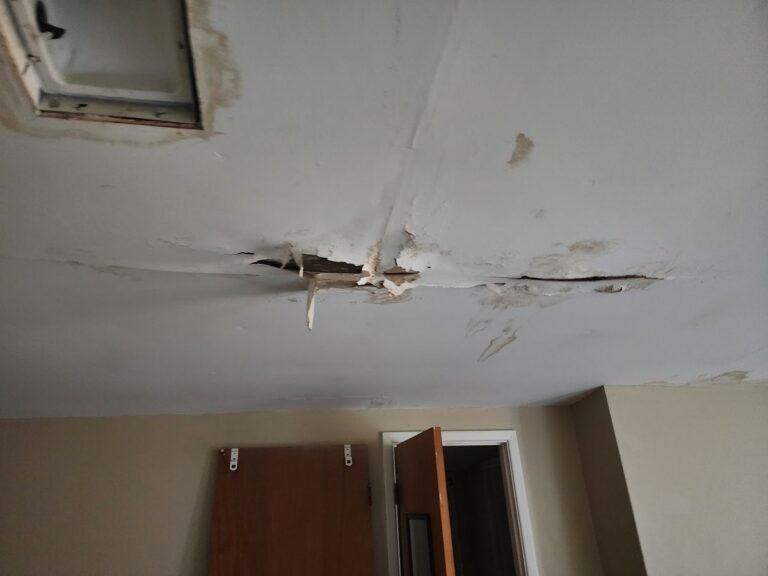
- peeling paint or bubbling plaster
- musty odors in enclosed areas
- slight dampness after rain
These signs may seem minor, but they often point to early-stage leaks. Addressing them early can mean the difference between a quick fix and a full repair job.
I also started keeping a small notebook. Whenever I noticed something unusual, I wrote it down: date, location, and description. Over time, patterns emerged. I could tell which areas were vulnerable and during what weather conditions issues appeared.
There’s something powerful about awareness. Once you train your eye, your home begins to “talk” to you. And when you listen early, you avoid costly consequences.
habit 2: I made roof inspections part of my routine
Before, roof inspections felt like a chore reserved for emergencies. Now, they’re part of my seasonal rhythm—like cleaning or gardening.
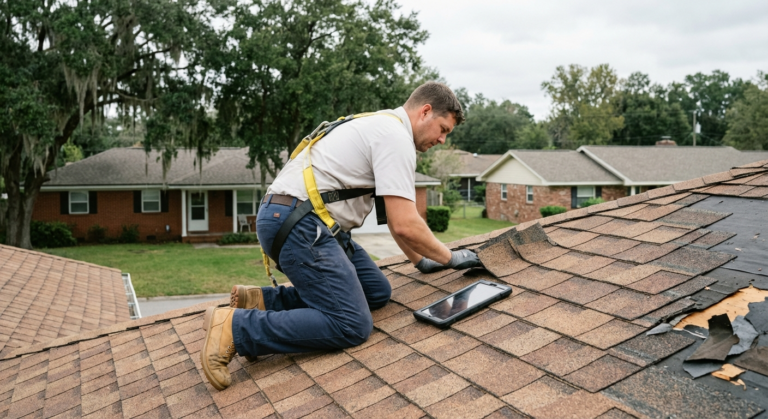
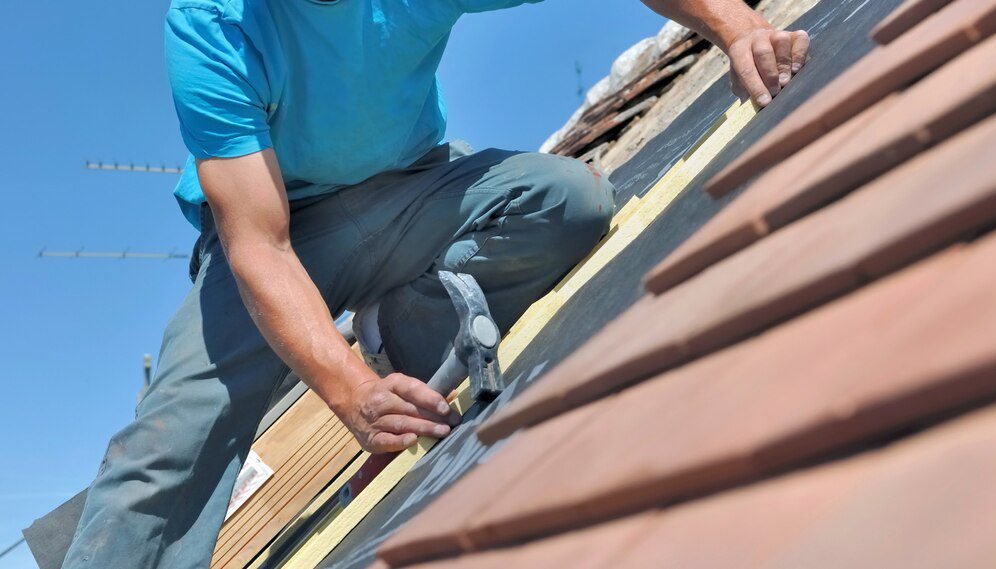
Every three months, I dedicate about 30–45 minutes to a basic roof inspection. I don’t always climb onto the roof; often, a pair of binoculars from the ground is enough. Safety always comes first.
Here’s my simple checklist:
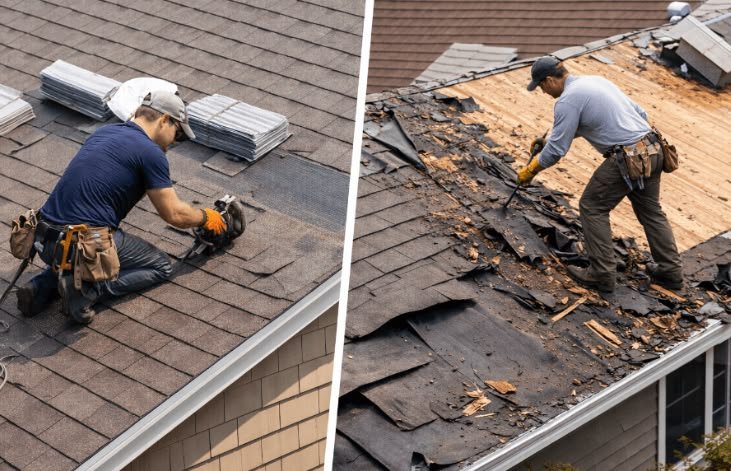
- check for missing, cracked, or curled shingles
- inspect flashing around vents and chimneys
- look for debris buildup in valleys
- observe any sagging or uneven areas
Twice a year, I also check the attic during daylight. If I see sunlight filtering through where it shouldn’t, that’s a clear sign of a problem. Moisture, mold, or insulation damage are also red flags.
What changed for me wasn’t just doing inspections—it was doing them consistently. Routine transforms maintenance from reactive to proactive.
I also learned that inspections don’t have to be perfect. Even a quick glance can catch something important. The goal isn’t perfection; it’s awareness and consistency.
habit 3: I kept my gutters clean and functional
If there’s one habit that had an immediate impact, it was this: cleaning the gutters regularly.
Clogged gutters are one of the most underestimated causes of roof leaks. When water can’t flow properly, it backs up, seeps under shingles, and finds its way into places it doesn’t belong.
At first, I dreaded this task. It felt messy and inconvenient. But once I turned it into a routine—once every two months, and after major storms—it became manageable.
Here’s how I simplified the process:
- I used gloves and a small scoop for debris
- I flushed gutters with a hose to ensure proper flow
- I checked downspouts for blockages
- I ensured water was draining away from the foundation
Over time, I noticed something remarkable: fewer leaks, fewer damp spots, and a general sense that my roof was “breathing” better.
I also installed simple gutter guards. They’re not perfect, but they significantly reduce buildup. The key isn’t eliminating maintenance—it’s reducing its frequency and effort.
Clean gutters don’t just protect your roof; they protect your entire home. Water is persistent, and when guided properly, it becomes harmless.
habit 4: I learned basic DIY patching techniques
There was a time when even a minor roof issue felt overwhelming. I would delay action, thinking I needed professional help for everything. But not all problems require expert intervention.
Learning a few basic repair techniques gave me confidence—and saved me time and money.
I started with simple fixes:
- applying roofing sealant to small cracks
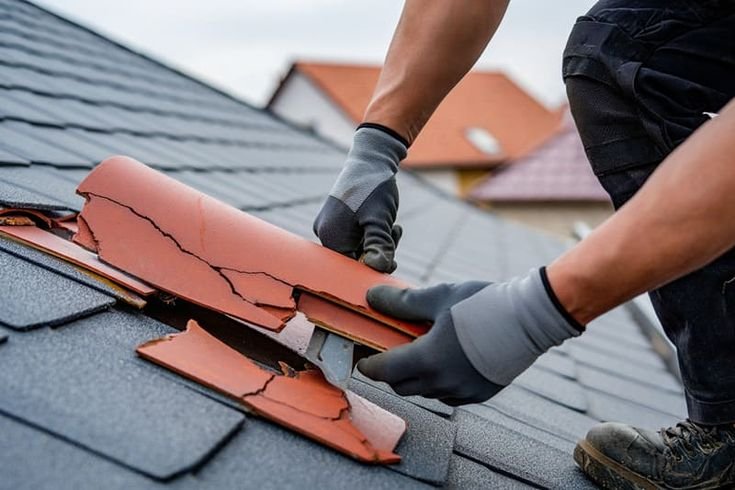
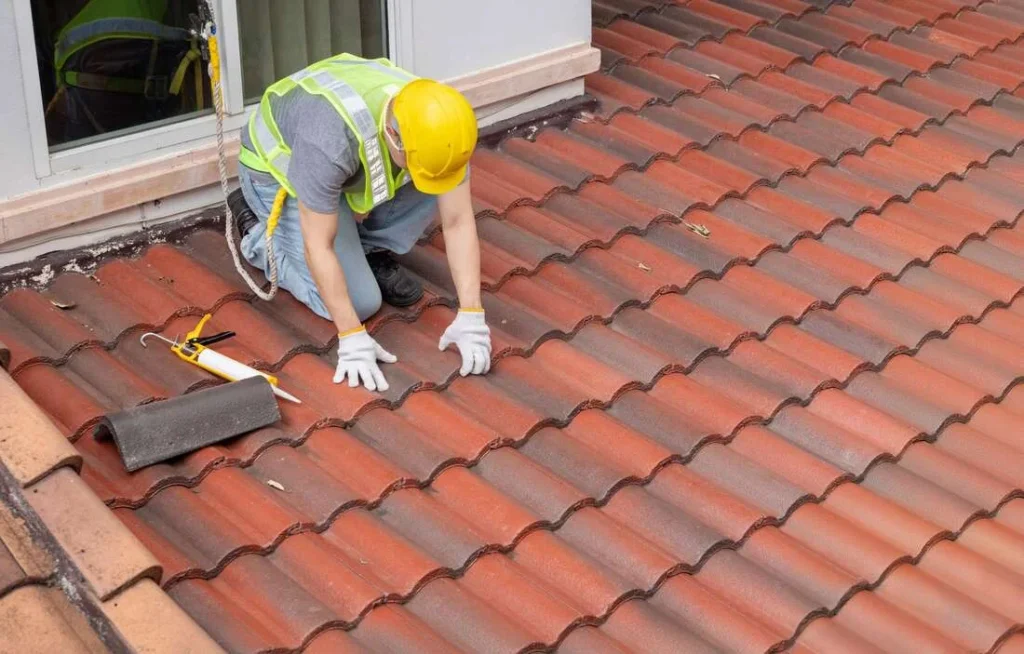
- replacing a damaged shingle
- sealing gaps around vents and flashing
I watched tutorials, read guides, and practiced carefully. The goal wasn’t to become an expert, but to handle minor issues before they escalated.
One of the most useful tools I discovered was roofing tape. It’s quick, effective, and perfect for temporary fixes during rainy seasons.
Of course, I also learned my limits. Structural damage, large leaks, or anything involving safety risks still requires professional help. But having the ability to act quickly on small issues made a huge difference.
There’s a certain peace of mind that comes from knowing you can handle things yourself. It turns anxiety into action.
habit 5: I respected the role of weather and timing
Weather plays a bigger role in roof health than I ever realized. Rain, heat, wind—all of them contribute to wear and tear.
The fifth habit that changed my home was planning maintenance around weather patterns.
Before the rainy season, I do a full inspection and address any vulnerabilities. I don’t wait for problems to appear during heavy rain—that’s too late.
During hot months, I check for heat-related damage. Shingles can crack or warp under extreme temperatures. Ventilation also becomes important to prevent trapped heat from weakening the structure.
After storms, I perform quick checks. Even if everything looks fine, I’ve learned that hidden damage is possible.
Timing matters. A small repair done at the right time can prevent major issues later.
I also began tracking local weather trends. Not obsessively, but enough to anticipate changes. This awareness helps me stay one step ahead.
how these habits changed more than just my roof
What started as a response to leaks became something deeper. These habits didn’t just fix my roof—they changed my relationship with my home.
I became more attentive, more proactive, and more confident. Maintenance stopped feeling like a burden and started feeling like care.
There’s a quiet satisfaction in knowing your home is protected—not because you spent a fortune, but because you paid attention.
These habits also created a ripple effect. I started applying the same mindset to other areas: plumbing, electrical systems, even landscaping. Small, consistent actions lead to long-term stability.
practical checklist you can start today
If you’re wondering where to begin, here’s a simple starting point:
weekly:
- quick visual scan of ceilings and walls
monthly:
- check attic for moisture or light leaks
- inspect gutters from ground level
every 2–3 months:
- clean gutters
- inspect roof (from ground or safely on top)
seasonally:
- perform a detailed inspection
- address minor repairs
- prepare for upcoming weather conditions
You don’t need special tools or advanced skills. Just consistency and attention.
common mistakes I learned to avoid
Looking back, I made several mistakes that delayed progress:
- waiting too long to act on small signs
- assuming leaks would fix themselves
- neglecting gutters until they overflowed
- avoiding inspections due to inconvenience
- overcomplicating simple repairs
Avoiding these mistakes is just as important as building good habits.
the emotional side of home maintenance
It’s easy to think of roofs in purely functional terms—materials, structure, durability. But there’s also an emotional layer.
A leaking roof creates stress. It disrupts sleep, damages belongings, and creates uncertainty. Fixing it isn’t just about repair—it’s about restoring peace.
These habits gave me control. They replaced worry with action. And that shift made a bigger difference than I expected.
your home doesn’t need perfection—just attention
One of the biggest lessons I learned is that homes don’t need to be perfect. They need to be cared for.
Perfection is expensive and unrealistic. Attention, on the other hand, is accessible. It’s about noticing, responding, and maintaining.
These five habits aren’t complicated. They don’t require expertise. But they do require consistency.
And consistency, over time, transforms everything.
frequently asked questions
- how often should I check my roof for leaks?
Ideally, you should perform a basic visual check every month and a more detailed inspection every 2–3 months. After heavy storms, it’s wise to do an additional quick check.
- can I fix a roof leak myself without professional help?
Yes, minor leaks can often be fixed using simple tools like sealant or roofing tape. However, for larger or structural issues, it’s best to consult a professional to ensure safety and proper repair.
- what are the earliest signs of a roof leak?
Common early signs include water stains on ceilings, peeling paint, musty odors, and damp insulation in the attic. Catching these early can prevent bigger problems.
- why are clogged gutters such a big problem?
Clogged gutters prevent proper water drainage, causing water to back up and seep under roofing materials. This can lead to leaks, rot, and even structural damage over time.
- what’s the best time of year to inspect my roof?
Spring and autumn are ideal for thorough inspections. These seasons allow you to prepare for extreme weather conditions like heavy rain or intense heat.
- how long do simple roof repairs usually last?
Temporary fixes like sealants or tape can last several months to a year, depending on conditions. Permanent repairs, when done correctly, can last for many years.
In the end, the biggest change wasn’t the roof itself—it was the mindset. Once you shift from reacting to preventing, everything becomes easier. And sometimes, the smallest habits make the biggest difference.
About the Author