7 Powerful Roof Leak Fix Guide Tips Most People Ignore
7 Powerful Roof Leak Fix Guide Tips Most People Ignore
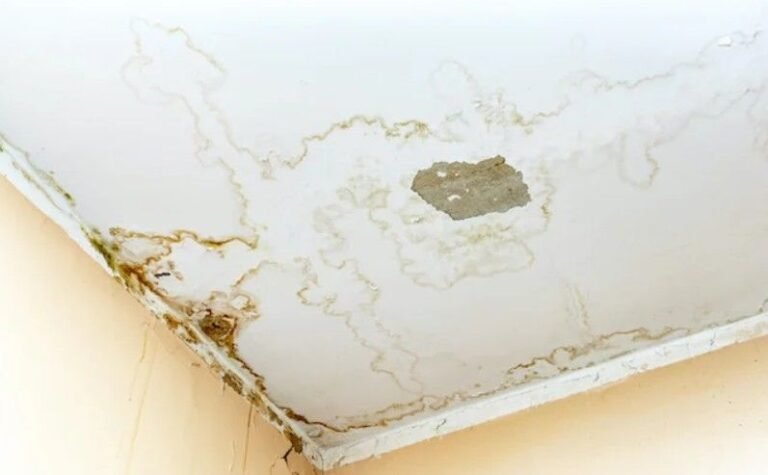
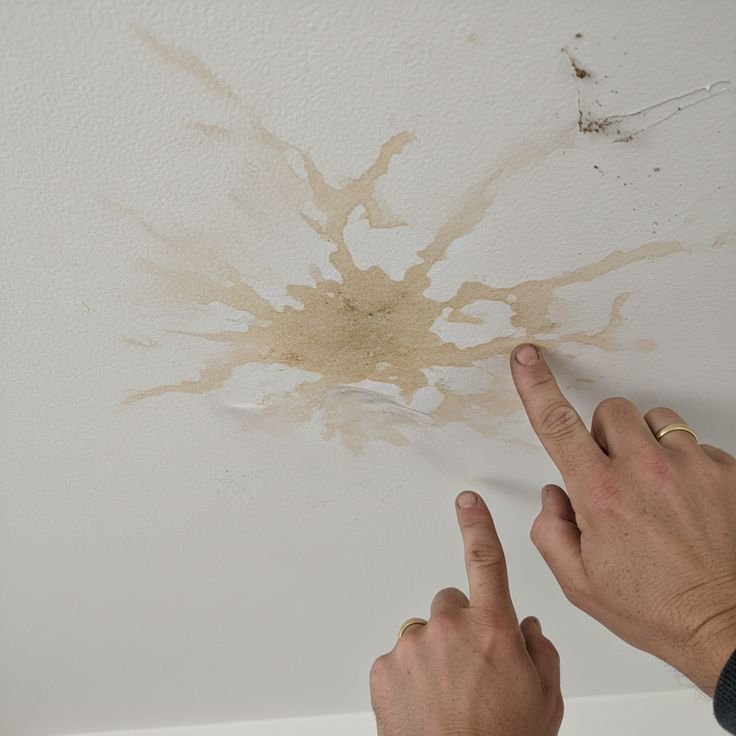
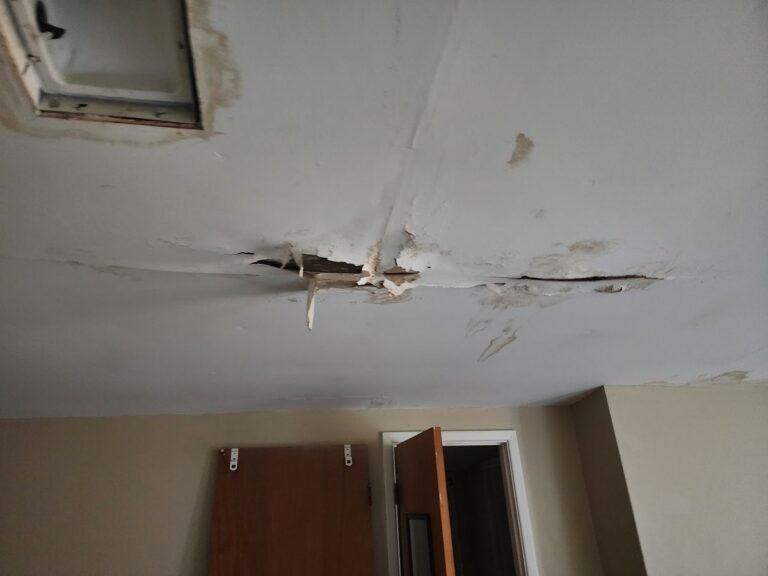
There’s a strange kind of silence that settles into a home when something is wrong with the roof. It’s not obvious at first. No loud crack, no dramatic collapse. Just a faint stain that wasn’t there yesterday, a soft drip during rain, or a musty smell that lingers longer than it should. Roof leaks rarely announce themselves with urgency—but when ignored, they quietly become one of the most expensive and frustrating problems a homeowner can face.
Most people think fixing a roof leak is about reacting: you see water, you patch the hole. But those who’ve dealt with recurring leaks know it’s rarely that simple. The real difference lies in what people don’t do—the overlooked habits, the ignored warning signs, and the small preventative steps that never make it onto checklists.
This guide isn’t just a list of fixes. It’s a deeper look into the often-missed details that actually stop leaks for good.
understanding the real nature of roof leaks
A roof leak is almost never about a single point of failure. Water travels. It seeps, slides, and sneaks through layers before it finally shows itself inside your home. By the time you notice it, the entry point could be several feet away.
That’s why surface-level fixes often fail. People patch the visible problem instead of understanding the hidden path water has taken. A damp ceiling doesn’t necessarily mean the roof directly above it is damaged. This misunderstanding is one of the biggest reasons leaks come back again and again.
Before fixing anything, it helps to think like water. Where would it flow? What slopes guide it? What materials might slow it down—or trap it?
tip 1: stop chasing the drip—trace the path instead
One of the most common mistakes homeowners make is fixing the exact spot where water appears inside. It feels logical, but it’s often wrong.
Instead, start your investigation uphill. Water always travels downward, but not necessarily straight. It can follow beams, insulation, or even wiring. This means the entry point could be higher up the roof.
A simple method is to inspect during or immediately after rainfall. Look for damp trails, not just wet spots. In attics, these trails can often be seen along wooden beams or insulation.
If you don’t have attic access, you can simulate rainfall with a hose—slowly soaking different sections of the roof while someone inside watches for leaks. This process takes patience, but it’s far more effective than guessing.
tip 2: flashing is more important than shingles
Most people assume shingles are the primary defense against leaks. While they are important, the real weak points are usually the areas where the roof changes direction or meets another structure.
These areas include:
- around chimneys
- near vents and skylights
- where two roof slopes meet (valleys)
- along roof edges and walls
The thin metal pieces installed in these areas are called flashing, and they are responsible for directing water away from seams and joints.
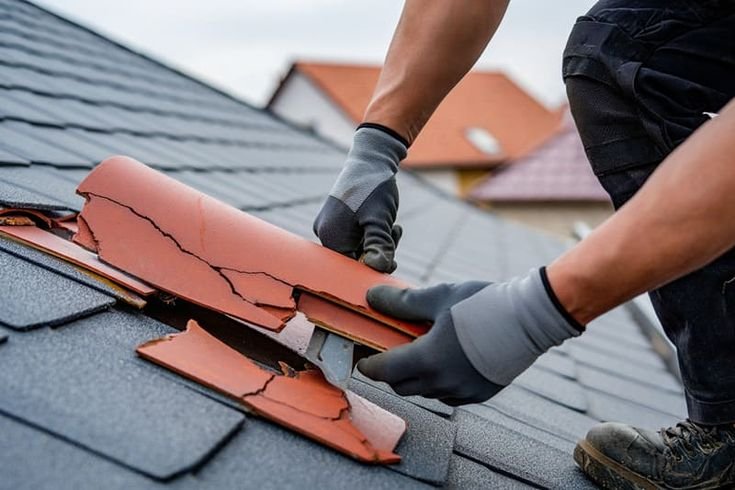
Over time, flashing can loosen, rust, or develop tiny gaps. Even a small separation can allow water to seep in. Unlike missing shingles, flashing issues are harder to spot from the ground.
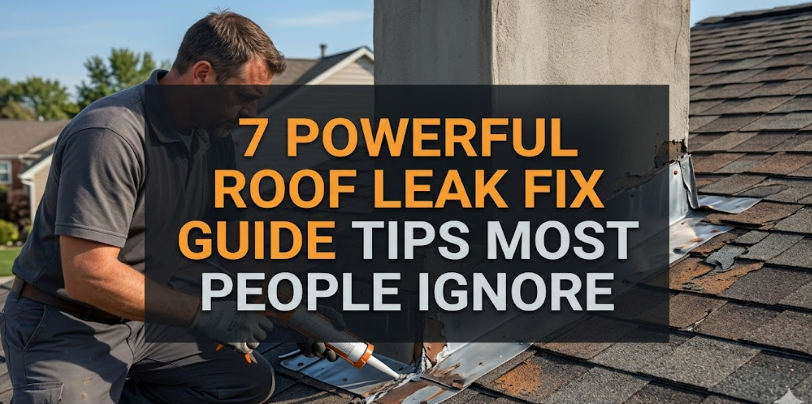
A powerful yet often ignored habit is inspecting and resealing flashing annually. A small application of roofing sealant can prevent a leak that might otherwise cost thousands later.
tip 3: clogged gutters silently destroy roofs
Gutters don’t seem like part of the roof, but they play a crucial role in its health. When gutters are clogged with leaves, dirt, or debris, water has nowhere to go. It begins to pool and back up under the roof’s edge.
This standing water slowly works its way beneath shingles, soaking the underlying materials. Over time, it weakens the structure and creates the perfect conditions for leaks.
What makes this issue dangerous is how gradual it is. There’s no immediate sign of damage. The roof just quietly deteriorates until one day, a leak appears.
Cleaning gutters twice a year is a widely known recommendation—but what most people ignore is checking the downspouts. Even if gutters are clean, blocked downspouts can cause the same problem.
tip 4: small cracks today become structural damage tomorrow
A tiny crack in roofing material might seem harmless. It’s easy to postpone fixing it, especially if there’s no immediate leak. But roofs are constantly exposed to changing temperatures, wind, and moisture.
These conditions cause materials to expand and contract. A small crack doesn’t stay small for long. It widens, deepens, and eventually becomes a clear entry point for water.
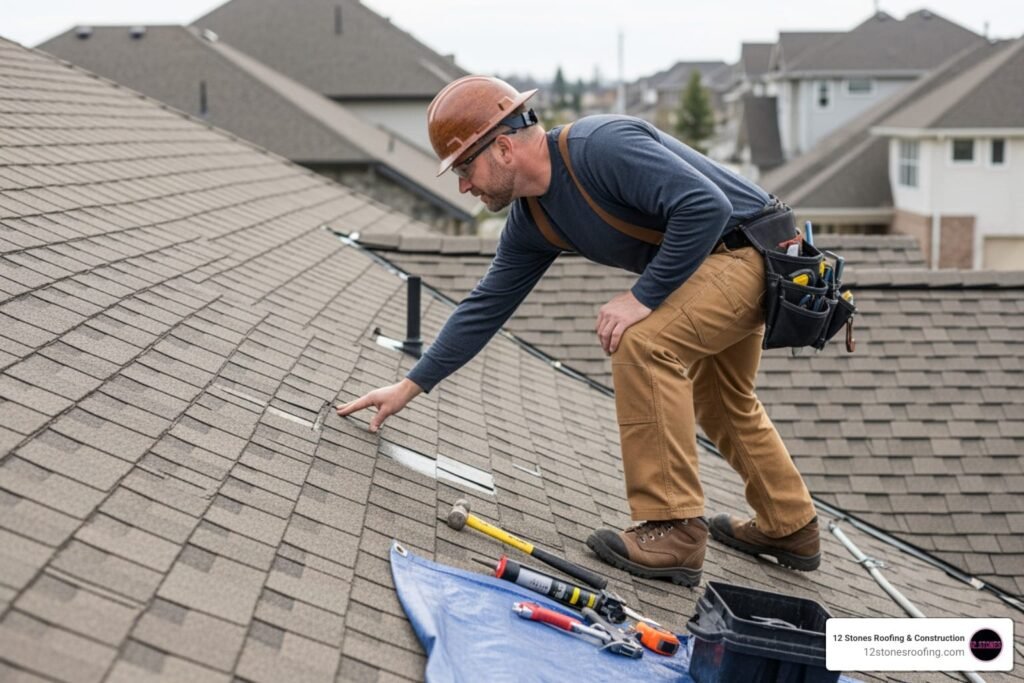
One overlooked practice is routine visual scanning—not just for obvious damage, but for subtle irregularities. A slightly lifted shingle, a faint discoloration, or a minor split can all be early warning signs.
Fixing these small issues early is often a matter of minutes. Ignoring them can lead to extensive repairs involving multiple layers of the roof.
tip 5: ventilation affects leaks more than you think
It might sound unrelated, but poor roof ventilation can directly contribute to leaks. When warm air gets trapped in the attic, it creates condensation. This moisture can accumulate and mimic the effects of a leak.
In colder seasons, poor ventilation can also lead to ice dams—where melting snow refreezes at the roof’s edge, trapping water behind it. This trapped water eventually seeps under shingles.
Many homeowners mistake these symptoms for external leaks and attempt to patch the roof, when the real issue lies in airflow.
Ensuring proper ventilation allows moisture to escape, reducing the risk of internal water damage. This includes checking vents, ensuring they’re not blocked, and confirming that air can circulate freely.
tip 6: temporary fixes can cause permanent problems
When a leak appears suddenly, the instinct is to fix it quickly—often with whatever materials are available. Tar, tape, or general-purpose sealants might stop the leak temporarily, but they can create complications later.
These quick fixes can trap moisture, making it harder to properly repair the area. They can also degrade under sunlight, leading to a false sense of security.
A better approach is to use temporary solutions only as a short-term measure while planning a proper repair. This means identifying the exact issue, using appropriate materials, and ensuring the fix integrates with the rest of the roof system.
Think of temporary fixes as placeholders, not solutions.
tip 7: regular inspection beats emergency repair every time
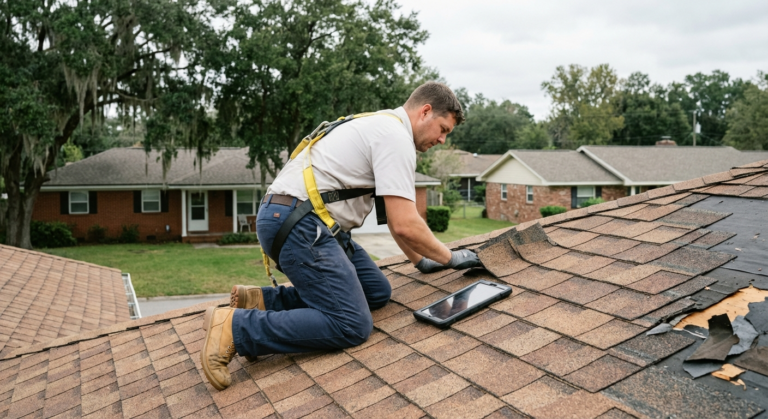
Perhaps the most ignored yet powerful habit is regular inspection. Not just when something goes wrong, but as a routine part of home maintenance.
An inspection doesn’t have to be complicated. It can be as simple as:
- checking the roof after storms
- looking for debris buildup
- inspecting ceilings for early signs of moisture
- examining attic spaces periodically
What matters is consistency. Catching a problem early often means the difference between a minor repair and a major renovation.
Many homeowners avoid inspections because they assume everything is fine. But roofs rarely fail suddenly. They give subtle hints—if you’re paying attention.
a practical walkthrough: how to respond when you spot a leak
Let’s bring everything together with a real-world scenario.
Imagine you notice a small water stain on your ceiling after a heavy rain. Instead of immediately patching that spot, you take a step back.
You check the attic and notice a damp beam leading upward. Following that path, you find moisture near a vent. On the roof, you discover slightly lifted flashing around that vent.
Instead of applying a quick seal to the ceiling, you reseal the flashing properly. You also check nearby areas, clean the gutters, and confirm that ventilation is adequate.
The result? The leak is fixed at its source, not just hidden from view.
This approach takes more effort upfront, but it prevents recurring issues and saves money in the long run.
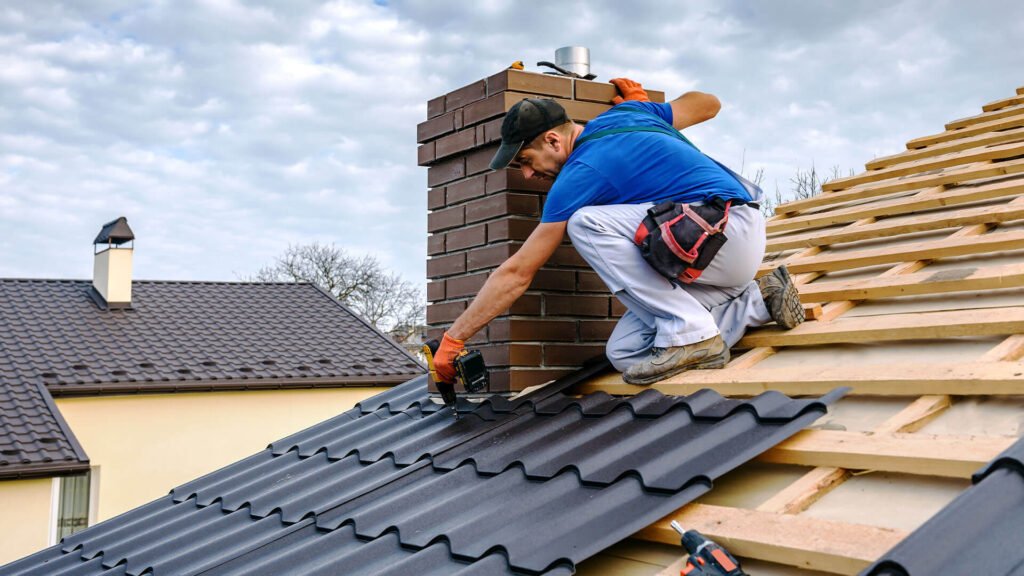
the emotional side of roof maintenance
It’s easy to treat roof maintenance as purely technical, but there’s an emotional aspect too. A home is more than a structure—it’s a place of comfort and security. A leaking roof disrupts that feeling.
The sound of dripping water at night, the worry of hidden damage, the uncertainty of repair costs—these things add stress.
By adopting proactive habits and understanding how roofs actually fail, you regain a sense of control. You’re no longer reacting to problems; you’re preventing them.
That shift in mindset makes all the difference.
long-term thinking: building a leak-resistant home
Beyond individual fixes, there’s value in thinking long-term. Choosing durable materials, investing in quality installation, and maintaining the roof regularly all contribute to a more resilient home.
It’s not about eliminating every possible risk—that’s impossible. It’s about reducing vulnerability and being prepared.
A well-maintained roof doesn’t just protect against leaks. It improves energy efficiency, preserves structural integrity, and extends the life of the entire building.
In that sense, roof care isn’t just maintenance—it’s an investment.
closing thoughts
Most people ignore roof issues not because they don’t care, but because the problems seem distant, complex, or easy to postpone. But roofs don’t wait. Small issues grow quietly until they demand attention.
The seven tips in this guide aren’t complicated. In fact, their simplicity is what makes them powerful. They focus on awareness, consistency, and understanding—qualities that turn reactive homeowners into proactive ones.
When you stop chasing symptoms and start addressing causes, everything changes. Leaks become less frequent, repairs become less stressful, and your home becomes a more reliable place to live.
And sometimes, that’s all it takes—a shift in perspective, and a willingness to notice what others overlook.
frequently asked questions
- how do i know if a roof leak is serious or minor?
Even a small leak can become serious over time. The size of the visible damage doesn’t always reflect the extent of the problem. If water is entering your home, it’s best to investigate thoroughly rather than assume it’s minor. - can i fix a roof leak myself or should i hire a professional?
Minor issues like resealing small gaps or replacing a shingle can often be handled by homeowners. However, if the source is unclear or the damage is extensive, hiring a professional is the safer option. - how often should i inspect my roof?
At least twice a year is recommended, along with additional checks after major storms. Regular inspections help catch problems early before they become costly. - what is the most common cause of roof leaks?
While many factors can cause leaks, damaged or improperly installed flashing is one of the most common sources. It’s often overlooked but plays a critical role in preventing water entry. - do roof leaks always require replacing the entire roof?
No, most leaks can be repaired without replacing the entire roof. Full replacement is usually only necessary when the roof is severely aged or extensively damaged. - can clogged gutters really cause roof leaks?
Yes, clogged gutters can lead to water buildup, which can seep under shingles and into the roof structure. Keeping gutters clean is an important part of preventing leaks.
About the Author