
7 Easy Roof Leak Fix Guide Repair Ideas That Save Time
7 easy roof leak fix guide repair ideas that save time
A leaking roof has a way of making itself known at the worst possible moment—during a heavy rain, late at night, or just when you think everything in your home is under control. What starts as a small drip can quietly turn into stained ceilings, damaged insulation, and costly structural repairs. Yet not every leak demands a full roof replacement or a professional crew. Many can be handled quickly and effectively with the right approach, a bit of patience, and a focus on safety.
This guide walks through seven practical repair ideas designed to save time without cutting corners. It blends hands-on techniques, real-world insights, and small details that often get overlooked. Think of it less as a checklist and more as a working companion you can return to when the next unexpected drip shows up.
understanding the nature of a roof leak before fixing it
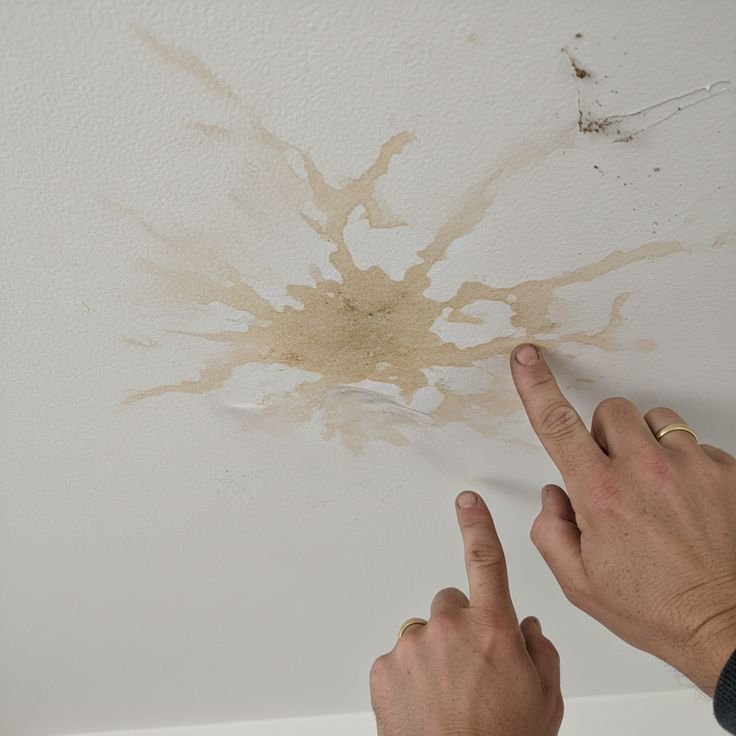
Before climbing a ladder or opening a toolbox, it helps to understand that a roof leak is rarely as straightforward as it appears. Water travels. It can enter through one point and emerge somewhere entirely different inside your home. A stain on the ceiling might be several feet away from the actual problem on the roof.
Spend a few minutes observing:
Look for water trails in the attic if accessible
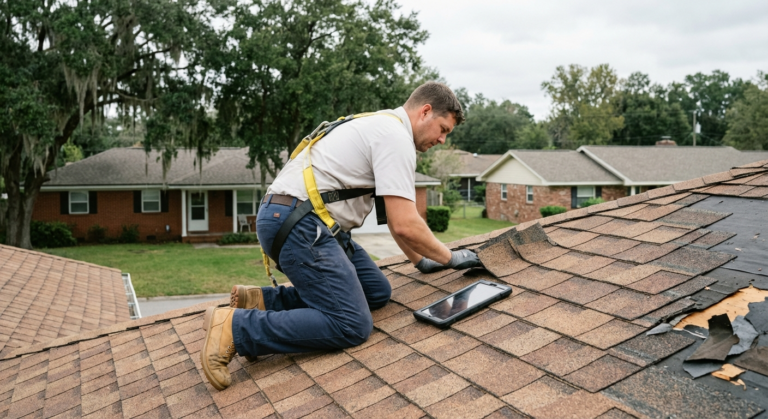
Check for damaged shingles, cracked flashing, or clogged gutters
Notice whether the leak appears only during heavy rain or even light drizzle
This short inspection often saves hours later. Rushing straight into repair without identifying the source can lead to repeated fixes that never quite solve the problem.
idea 1: quick patch with roofing tape for emergency leaks
Sometimes speed matters more than perfection. If water is actively entering your home, a temporary fix can prevent further damage while you prepare for a more permanent repair.
Roofing tape or waterproof repair tape is one of the fastest solutions available. It adheres well to most roofing materials and can be applied even in slightly damp conditions.
how to do it effectively:
Clean the area as much as possible to remove dust and debris
Dry the surface if you can, even partially
Cut a piece of tape large enough to cover the damaged area with extra margin
Press firmly, smoothing out air bubbles
This method works particularly well for small cracks, minor punctures, or seams that have started to separate. While it’s not a forever solution, it can hold up surprisingly well for weeks or even months if applied properly.
time-saving tip: keep a roll of roofing tape in your home maintenance kit so you’re not scrambling during a storm.
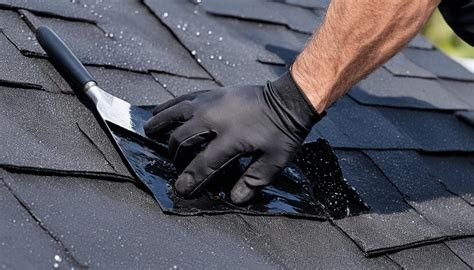
idea 2: replacing damaged shingles without removing large sections
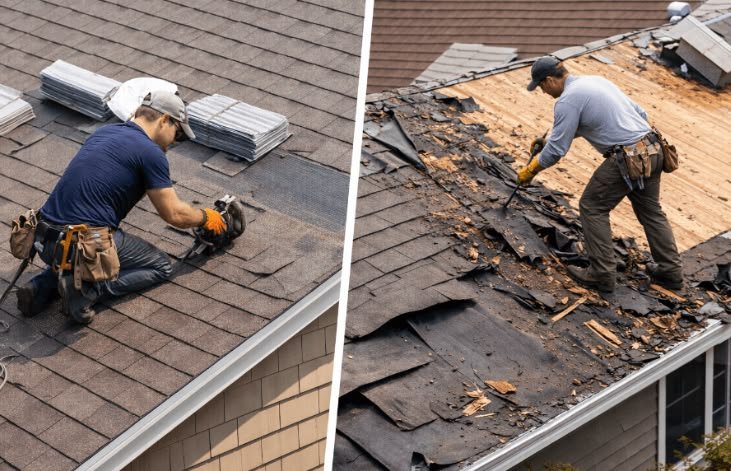
Broken, curled, or missing shingles are among the most common causes of roof leaks. The good news is that you don’t need to redo an entire section of your roof to fix a single problem area.
Instead of pulling up multiple rows, focus only on the affected shingle.
step-by-step approach:
Lift the edges of the surrounding shingles carefully
Remove nails from the damaged shingle
Slide the old shingle out
Insert a new shingle of the same type and size
Secure it with roofing nails and seal with roofing cement
The key here is precision. By isolating the damaged piece, you avoid unnecessary work and reduce the risk of creating new issues.
practical insight: shingles often fail due to age or weather exposure. If you notice one failing, check nearby shingles as well—you might save time by replacing a few at once rather than making multiple trips later.
idea 3: sealing flashing to stop hidden leaks
Flashing is one of those parts of a roof that most people never think about—until it fails. Found around chimneys, vents, skylights, and roof valleys, flashing directs water away from vulnerable joints.
When flashing cracks or lifts, water can sneak in quietly and cause long-term damage.
fast repair method:
Inspect flashing for gaps, rust, or lifted edges
Clean the area thoroughly
Apply a generous layer of roofing sealant along the edges
Press the flashing back into place
Add an extra layer of sealant on top for reinforcement
This repair doesn’t require advanced tools, and it can dramatically reduce leaks that seem to appear without an obvious source.
small detail that matters: temperature affects sealant performance. Applying it during moderate weather helps it cure faster and bond better.
idea 4: unclogging gutters to prevent overflow leaks
Not all roof leaks start on the roof itself. Sometimes the problem begins in the gutters. When gutters are clogged with leaves, dirt, or debris, water backs up and seeps under the roofing material.
This kind of leak is easy to overlook because the roof itself may be in good condition.
simple fix:
Remove debris by hand or with a small scoop
Flush the gutter with water to ensure proper flow
Check downspouts for blockages
Ensure water is directed away from the foundation
By restoring proper drainage, you eliminate one of the most common and preventable causes of leaks.
time-saving mindset: regular gutter cleaning takes less time than dealing with water damage inside your home.
idea 5: using roof sealant for small cracks and holes
Roof sealant is one of the most versatile tools for quick repairs. It works on various surfaces and can fill small cracks, nail holes, or minor gaps.
application tips:
Use a caulking gun for precise application
Fill the crack completely, slightly overfilling if needed
Smooth the surface with a putty knife
Allow adequate drying time before exposure to heavy rain
Sealant is particularly useful for areas around vents or where previous repairs have worn down.
real-world note: layering sealant over time can create a stronger barrier, especially in areas prone to repeated exposure.
idea 6: fixing leaks around roof vents quickly
Roof vents are essential for airflow but can become weak points if their seals deteriorate. A cracked vent boot or loose seal can allow water to enter directly.
quick repair strategy:
Inspect the rubber boot around the vent pipe
If cracked, apply sealant around the damaged area
For more severe damage, replace the vent boot entirely
Secure it properly and seal the edges
This repair is often faster than expected and can stop leaks that seem mysterious at first.
efficiency tip: keep a spare vent boot if your roof has multiple vents—it’s a common failure point and easy to swap out.
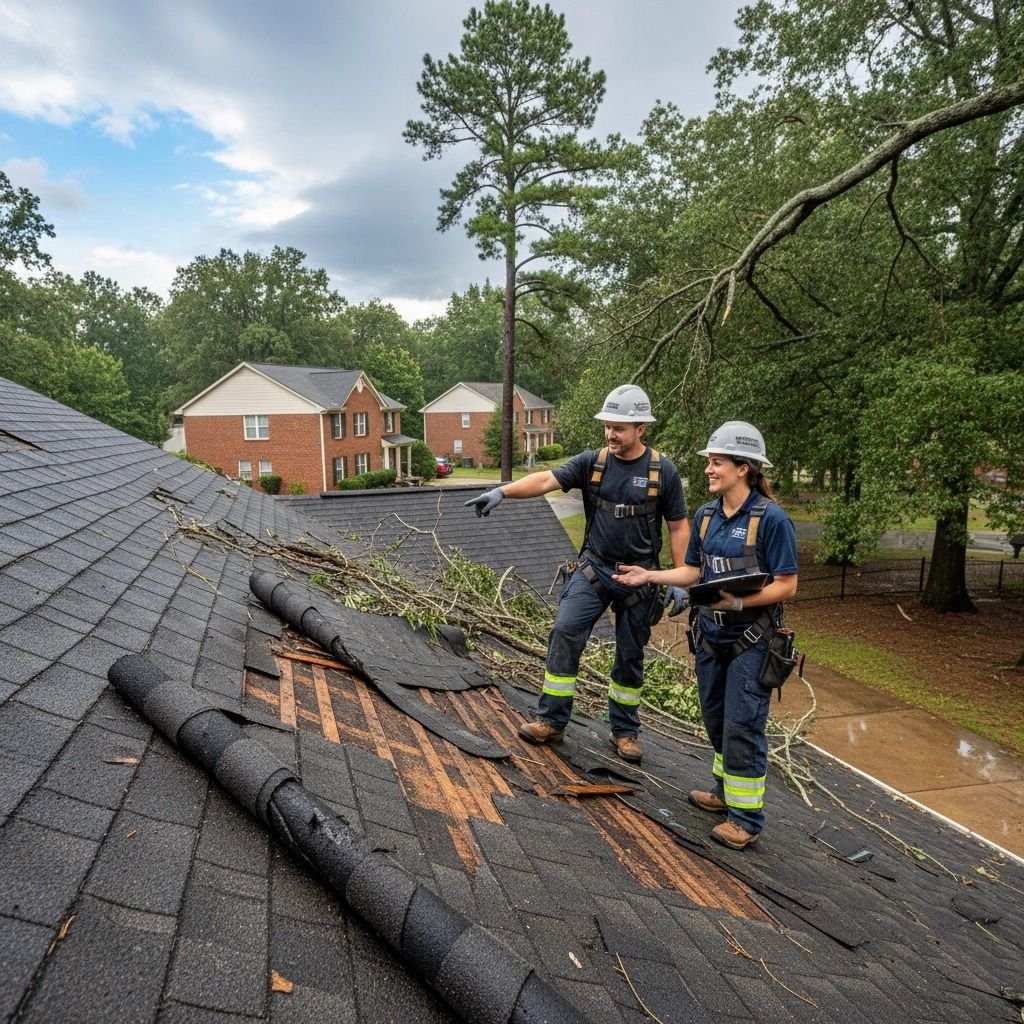
idea 7: reinforcing weak spots before they become leaks
Not every repair needs to wait for a leak to appear. Sometimes the best time-saving strategy is prevention.
Look for early warning signs:
Slight discoloration on shingles
Minor lifting at edges
Small gaps forming near joints
Applying a thin layer of sealant or reinforcing these areas can prevent future leaks and eliminate the need for emergency repairs later.
long-term thinking: a few minutes spent reinforcing weak spots today can save hours of repair work during the next storm.
balancing speed with safety during repairs
While the focus here is on saving time, safety should never be compromised. Roof work involves height, slippery surfaces, and unpredictable conditions.
Keep these basics in mind:
Use a stable ladder placed on level ground
Wear shoes with good grip
Avoid working during rain or strong winds
Have someone nearby if possible
Working quickly doesn’t mean rushing blindly. Controlled, careful movements often lead to faster and more effective repairs.
tools that make a difference
Having the right tools ready can cut repair time significantly. A small, well-organized kit might include:
Roofing tape
Sealant and caulking gun
Hammer and roofing nails
Replacement shingles
Gloves and safety gear
When everything is within reach, you spend less time searching and more time fixing.
common mistakes that waste time
Even simple repairs can drag on if you fall into a few common traps:
Ignoring the root cause of the leak
Using the wrong materials for your roof type
Applying fixes in poor weather conditions
Skipping basic inspection steps
Avoiding these mistakes can turn a two-hour job into a 30-minute solution.
a practical scenario: putting it all together
Imagine noticing a small water stain on your ceiling after a storm. Instead of panicking, you take a structured approach.
You check the attic and trace the moisture path
You inspect the roof and find a cracked shingle near a vent
You replace the shingle and apply sealant around the vent
You clean the gutters to ensure proper drainage
In one session, you address both the immediate issue and potential contributing factors. The result is not just a fix, but a more resilient roof overall.
why small repairs matter more than you think
A roof doesn’t usually fail all at once. It deteriorates gradually, one small issue at a time. Addressing minor leaks quickly prevents them from growing into major problems.
It’s not just about saving money—it’s about maintaining the comfort and safety of your home.
frequently asked questions
- how do i know if a roof leak is serious?
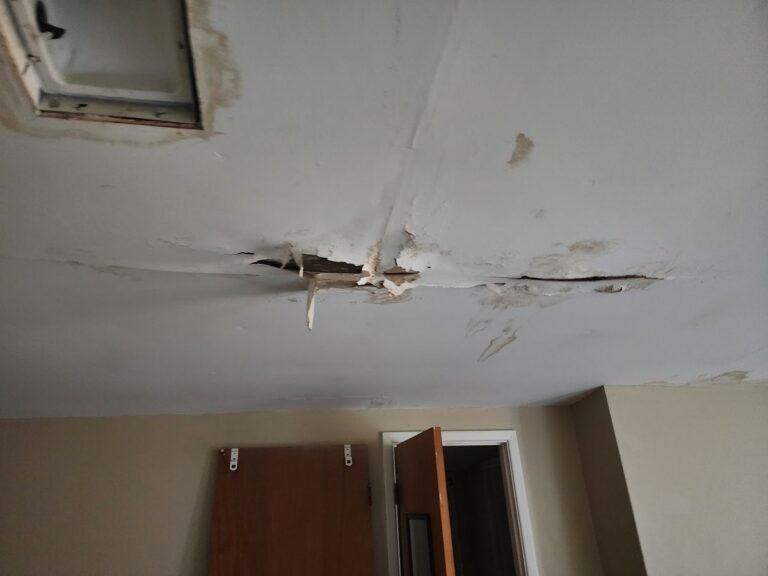
A leak becomes serious if it spreads quickly, causes sagging, or leads to mold growth. If water is entering in large amounts or repeatedly despite repairs, it may require professional inspection.
- can i fix a roof leak myself without experience?
Yes, many small leaks can be handled with basic tools and careful attention. However, if the damage is extensive or you feel unsafe, it’s better to seek professional help.
- how long do temporary fixes like roofing tape last?
Temporary fixes can last from a few weeks to several months depending on weather conditions and application quality. They are best used as a short-term solution.
- what is the best time to repair a roof leak?
Dry, mild weather is ideal. Repairs done in these conditions allow materials to bond properly and reduce safety risks.
- should i replace multiple shingles if only one is damaged?
If nearby shingles show signs of wear, replacing a few at once can save time in the long run and prevent future leaks.
- how often should i inspect my roof for leaks?
A basic inspection twice a year—once before and once after the rainy season—can help catch problems early and reduce repair time.
closing thoughts
Fixing a roof leak doesn’t always require a major project. With the right mindset and a few practical techniques, many issues can be resolved quickly and effectively. The key lies in understanding the problem, choosing the right solution, and acting before the damage spreads.
These seven repair ideas are not just about saving time—they’re about working smarter. Each small fix contributes to a stronger, more reliable roof, and over time, those small efforts add up to significant peace of mind.
About the Author