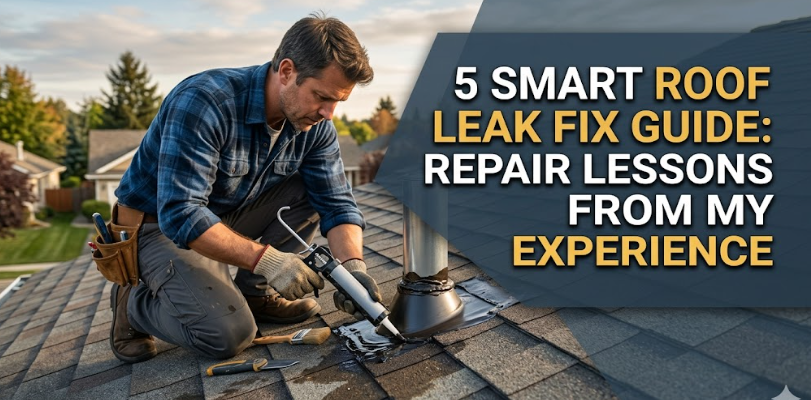
5 Smart Roof Leak Fix Guide Repair Lessons From My Experience
5 Smart Roof Leak Fix Guide Repair Lessons From My Experience
There’s something humbling about a leaking roof. It doesn’t matter how organized your home is, how carefully you maintain your belongings, or how confident you feel about your DIY skills—when water starts dripping from the ceiling, everything suddenly feels fragile. I learned that the hard way, one slow, persistent drip at a time.
This isn’t just a collection of tips. It’s a reflection of real mistakes, small wins, surprising discoveries, and lessons that only show up when you’re standing on a ladder, staring at shingles that all look the same, wondering where exactly the problem began. If you’ve ever dealt with a leak—or think you might someday—these lessons may save you time, money, and frustration.
lesson one: finding the leak is harder than fixing it
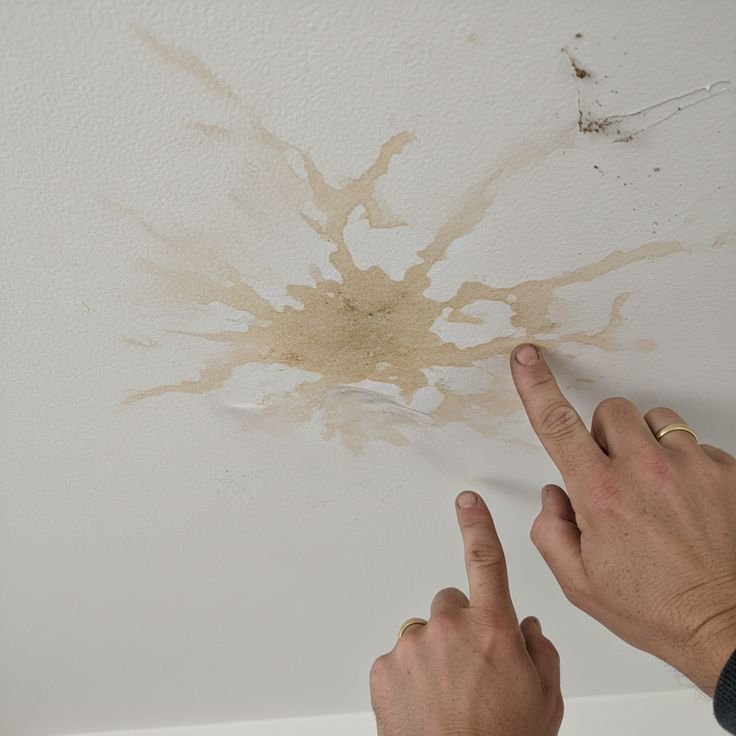
The first time I noticed water staining the ceiling, I assumed the source would be directly above it. That felt logical. Water drips down, right? But roofs don’t follow simple logic. Water travels. It seeps along beams, slides under layers, and appears where you least expect it.
I remember climbing up with a flashlight after a light rain, expecting to spot an obvious hole. Nothing. The shingles looked intact. No gaps, no broken pieces. I went back inside, puzzled, only to realize the stain had spread further.
What I didn’t understand then was how deceptive leaks can be. The actual entry point could be several feet away from where the water shows up indoors. Wind-driven rain, roof slope, and underlying materials all influence the path water takes.
The real breakthrough came when I started tracing the issue from inside the attic instead of outside. In the dim light, I saw a faint trail—a darker line on the wood, barely visible. Following it led me to a tiny opening near a vent pipe. It wasn’t dramatic. In fact, it was easy to miss. But that was the culprit.
The lesson here is patience. Don’t rush to patch what looks obvious. Take time to observe, trace, and understand the path of water. A quick fix in the wrong spot only delays the inevitable.
lesson two: small damage can cause big problems
One of the biggest misconceptions I had was that leaks come from large, visible damage. Missing shingles, big cracks, or storm destruction. But my experience showed me something different.
That first leak came from a gap no wider than a coin. It formed around flashing that had slightly lifted over time. That’s it. No dramatic break, no storm damage. Just gradual wear.
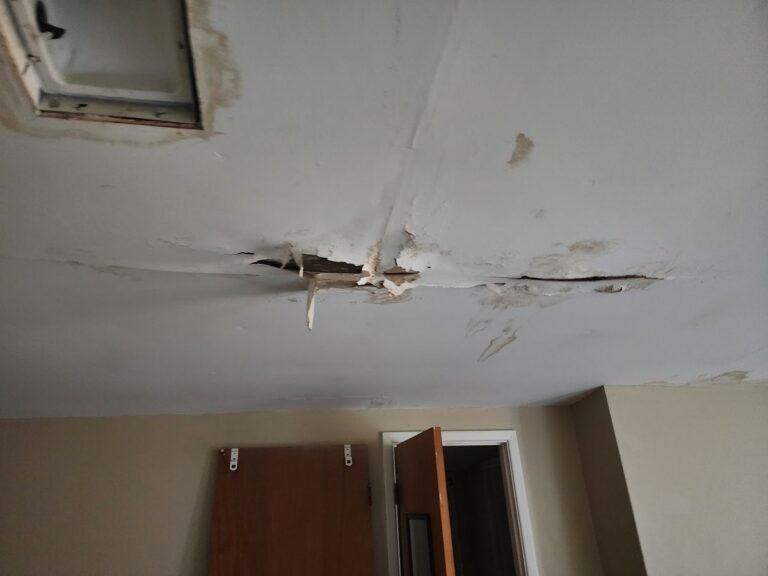
What surprised me more was how much water that small opening allowed in during a steady rain. Over hours, it accumulated, soaked insulation, and stained ceilings. A slow leak can be more damaging than a sudden one because it often goes unnoticed longer.
I began inspecting the rest of the roof more carefully after that. And sure enough, I found other small issues—tiny cracks, loose edges, areas where sealant had dried out. None of them looked urgent, but I had learned not to underestimate them.
Fixing those minor issues early felt almost too easy compared to the stress of dealing with interior damage. A bit of sealant, a replacement shingle, a quick adjustment—simple actions that prevented future headaches.
The takeaway is clear: don’t wait for obvious signs. The roof doesn’t need to look damaged to be vulnerable. Regular checks can catch these small problems before they turn into something much bigger.
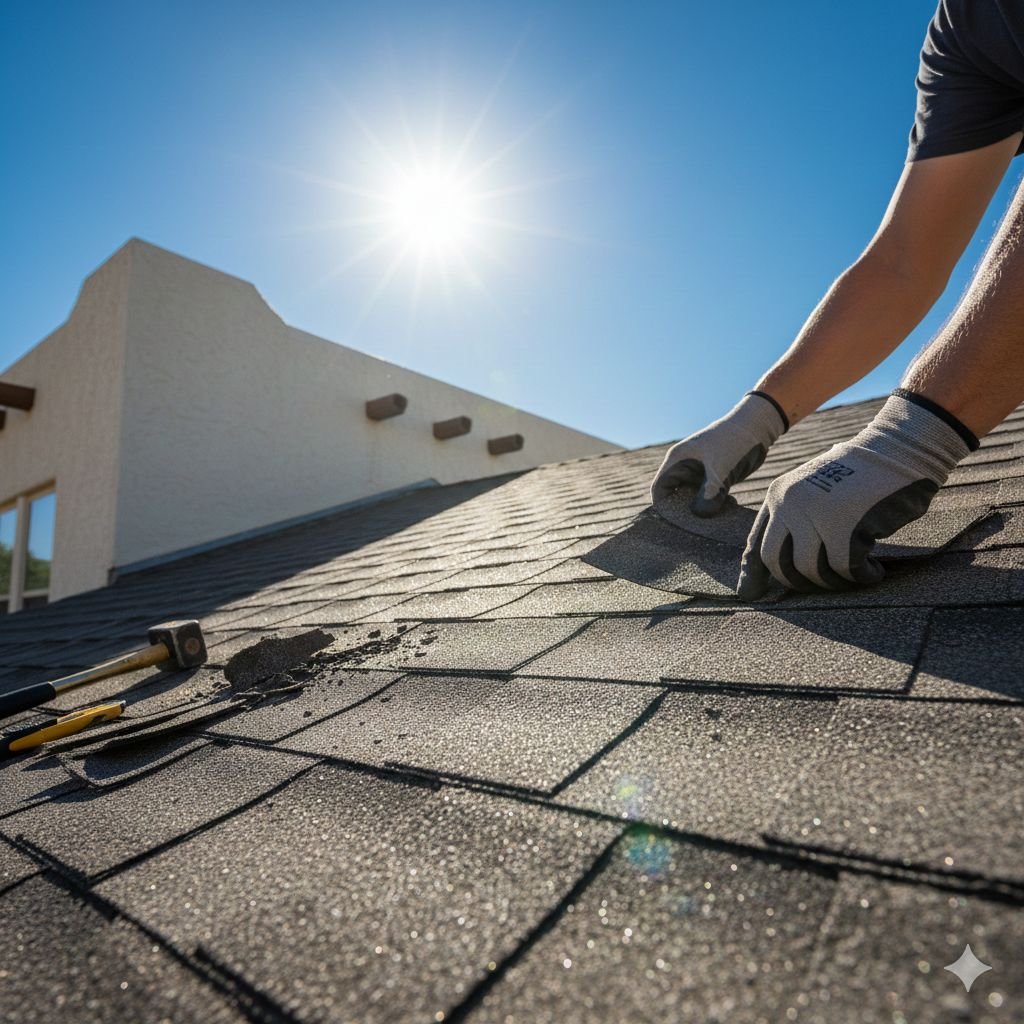
lesson three: safety is not optional, even for “quick fixes”
I’ll admit this one reluctantly. The first time I went up, I didn’t think much about safety. It was a short job, I told myself. Just a quick look. No need for extra precautions.
That mindset changed fast.
Roofs are deceptive surfaces. They may look stable from the ground, but once you’re up there, the angle feels steeper, the footing less secure. Even dry shingles can be slippery, especially if there’s dust or debris.
I remember one moment clearly. I shifted my weight slightly while reaching for a tool, and my foot slipped just enough to make my heart race. I didn’t fall, but it was a wake-up call.
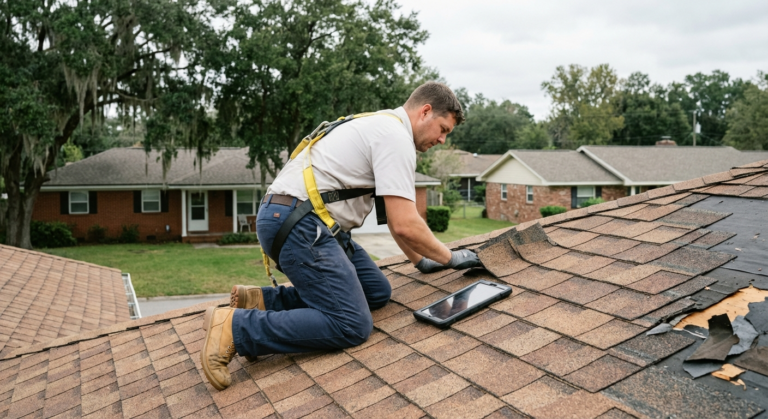
After that, I changed my approach. Proper shoes with good grip, a stable ladder, and avoiding any work during wet or windy conditions became non-negotiable. I also stopped working alone whenever possible. Having someone nearby adds a layer of safety you don’t think about until you need it.
There’s a tendency to treat small repairs casually. But the risk isn’t tied to the size of the job—it’s tied to the environment. Respect the height, the surface, and your limits.
lesson four: materials matter more than you think
At one point, I decided to save a bit of money by using a cheaper sealant. It looked similar to the recommended product, and I figured it would do the job just as well.
It didn’t.
Within a few months, the sealant began to crack. It couldn’t handle the temperature changes. The sun dried it out during the day, and cooler nights made it contract. Eventually, it lost its flexibility and failed.
That experience taught me a valuable lesson: not all materials are equal, even if they look similar. Roofing materials are designed to withstand specific conditions—heat, cold, moisture, expansion, contraction. Using the wrong product can undo your repair faster than you expect.
I started paying more attention to product specifications after that. Weather resistance, durability, compatibility with existing materials—all of it matters. It’s not about buying the most expensive option, but about choosing the right one.
Interestingly, better materials also made the repair process easier. They were more flexible, easier to apply, and provided a cleaner finish. It felt less like a temporary patch and more like a proper solution.
lesson five: experience builds intuition, not just skill
The first leak I dealt with felt overwhelming. Every step required research, second-guessing, and hesitation. But with each repair, something changed.
It wasn’t just that I got better at handling tools or applying materials. I started noticing patterns. I could look at a section of the roof and identify potential weak points without needing obvious signs.
For example, areas around chimneys, vents, and edges became immediate points of attention. Places where different materials meet often create opportunities for water to sneak in. I also learned to recognize subtle signs—slight discoloration, uneven surfaces, or areas where debris tends to collect.
This kind of awareness doesn’t come from reading instructions. It comes from experience. From making mistakes, fixing them, and seeing what works over time.
What surprised me most was how this intuition reduced stress. Instead of feeling uncertain, I began to trust my observations. Repairs became more efficient, and inspections more focused.
It’s a reminder that while guides and tips are helpful, nothing replaces hands-on learning. Each repair adds to your understanding, making the next one easier.
the emotional side of roof repairs
This might sound unexpected, but dealing with roof leaks taught me more than just practical skills. It changed how I think about maintenance, responsibility, and even patience.
There’s a certain frustration that comes with leaks. They disrupt your sense of comfort. Your home, which is supposed to protect you, suddenly feels vulnerable. That feeling can be stressful.
But there’s also satisfaction in solving the problem. In climbing up, identifying the issue, and fixing it with your own hands. It’s a reminder that not every problem requires outside help—sometimes, with the right approach, you can handle it yourself.
At the same time, I learned to recognize my limits. Not every repair is suitable for DIY. Some situations require professional expertise, and there’s no shame in that. Knowing when to step back is part of being responsible.
practical habits that made a difference
Over time, I developed a few habits that made roof maintenance less stressful and more manageable.
I started checking the roof after major weather changes. Not climbing up every time, but observing from the ground, looking for anything unusual. I also paid attention to gutters. Clogged gutters can cause water to back up and seep under shingles.
Inside the house, I kept an eye on ceilings and walls, especially after heavy rain. Early signs are often subtle—slight discoloration or a faint smell of dampness.
I also kept basic repair materials on hand. Nothing excessive, just enough to handle minor fixes without delay. Having those tools ready reduced the temptation to postpone repairs.
Another habit was documenting what I did. Simple notes about where I repaired, what materials I used, and when. It helped me track how long fixes lasted and identify patterns over time.

common mistakes I learned to avoid
Looking back, there are a few mistakes that stand out clearly.
Rushing the inspection was one of them. I often wanted to fix the problem quickly, but skipping thorough checks led to incomplete repairs.
Ignoring weather conditions was another. Attempting repairs in less-than-ideal conditions made the work harder and less effective.
Overusing sealant was a mistake too. More doesn’t always mean better. Excess sealant can create uneven surfaces and even trap moisture if applied incorrectly.
And then there was the mistake of assuming one fix would last forever. Roofs are exposed to constant stress. Regular maintenance is necessary, even after a successful repair.
why these lessons matter
Roof leaks are more than just a maintenance issue. They test your patience, your attention to detail, and your willingness to learn. Each lesson I’ve shared comes from real situations, not theory.
If there’s one thing I’d emphasize, it’s this: approach repairs with curiosity, not just urgency. Take the time to understand what’s happening, not just how to fix it. That mindset makes a big difference.
You don’t need to become an expert overnight. Start with small steps, learn from each experience, and build your confidence gradually.
frequently asked questions
- how do I know if a roof leak is serious?
A leak becomes serious when it spreads quickly, causes visible damage to ceilings or walls, or leads to mold growth. Even small leaks can become serious over time, so it’s best to address them early rather than wait. - can I fix a roof leak myself without professional help?
Yes, minor leaks can often be fixed with basic tools and materials. However, if the damage is extensive, hard to locate, or involves structural issues, it’s safer to call a professional. - what is the most common cause of roof leaks?
Common causes include damaged or missing shingles, worn-out flashing, clogged gutters, and cracks around vents or chimneys. Aging materials also play a significant role. - how often should I inspect my roof?
It’s a good idea to inspect your roof at least twice a year, as well as after major storms. Regular checks help catch problems early. - what should I do immediately after noticing a leak?
Start by containing the water inside using buckets or towels. Then try to identify the source from the attic if possible. Avoid climbing onto the roof during bad weather. - does a small leak always mean major repairs later?
Not always, but it can if ignored. Small leaks are easier and cheaper to fix early. Delaying repairs increases the risk of more extensive damage.
In the end, roof repair isn’t just about fixing a problem. It’s about learning how your home responds to time, weather, and wear. Each leak tells a story, and each repair adds a chapter. The more you pay attention, the better prepared you’ll be for whatever comes next.
About the Author