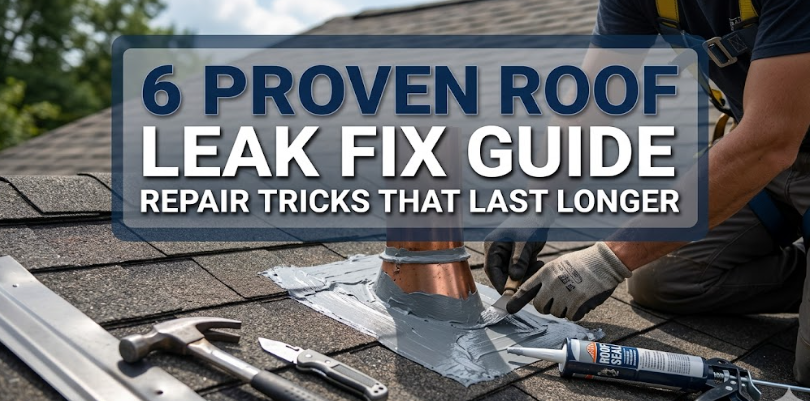
6 Proven Roof Leak Fix Guide Repair Tricks That Last Longer
6 Proven Roof Leak Fix Guide Repair Tricks That Last Longer
A leaking roof has a way of making itself known at the worst possible moment—during a heavy downpour, right before guests arrive, or in the quiet middle of the night when the steady drip becomes impossible to ignore. For many homeowners, the instinct is to patch the problem quickly and move on. But a quick patch is rarely a lasting solution. What you really need is a repair approach that doesn’t just stop the leak temporarily, but ensures it stays fixed for years.
This guide is not just about plugging holes. It’s about understanding why leaks happen, how materials behave over time, and what small adjustments can turn a temporary repair into a long-term fix. Along the way, you’ll find practical insights, field-tested tricks, and even a few hard-earned lessons that don’t often make it into standard how-to articles.
Let’s begin where most people don’t—by thinking like water.
understanding how water actually enters your roof
Water doesn’t fall straight down and politely enter through a visible hole. It travels, creeps, and exploits weaknesses. It can move sideways under shingles, climb slightly uphill through capillary action, and drip far away from the actual entry point.
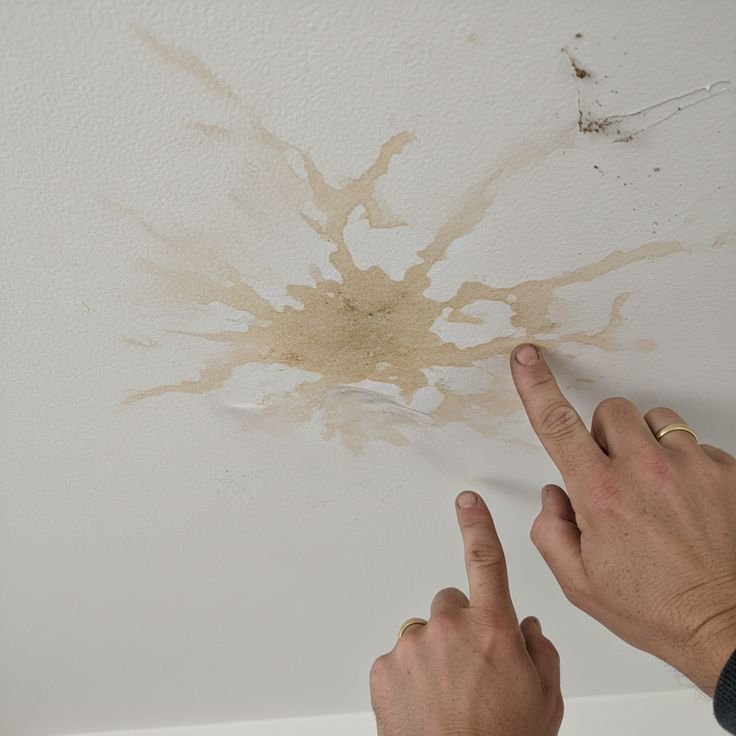
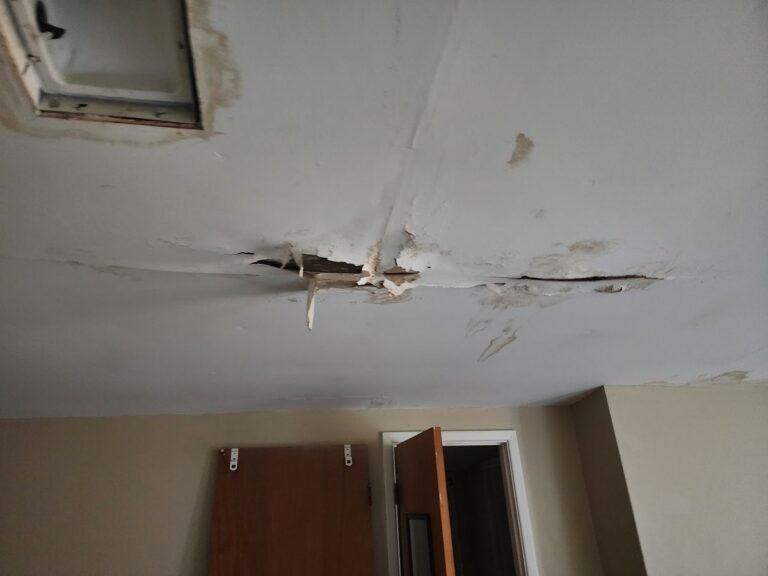
That stain on your ceiling? It might not be directly under the leak.
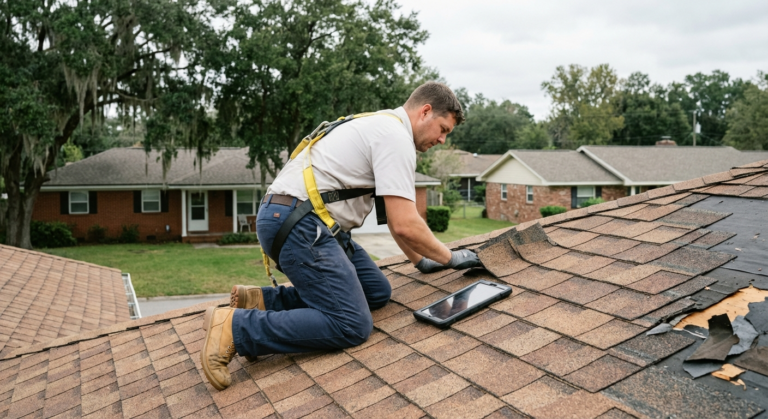
Before you attempt any repair, take time to trace the leak backward. This might involve:
- Inspecting the attic during daylight for light penetration
- Running water with a hose in sections while someone watches inside
- Looking for damp insulation or darkened wood
A repair that lasts longer always starts with accurate diagnosis. Guesswork is the fastest way to waste both time and materials.
trick 1: repair the system, not just the symptom
One of the most proven repair strategies is to stop treating roof leaks as isolated issues. A roof is a system—shingles, flashing, underlayment, ventilation, and drainage all work together.
If you only replace a damaged shingle but ignore cracked flashing nearby, the leak will return. If you seal a joint without addressing poor drainage, water will build up and force its way back in.
A lasting fix involves:
- Checking surrounding materials within a 1–2 meter radius
- Inspecting flashing around chimneys, vents, and skylights
- Ensuring gutters are not clogged and directing water properly
Think of it like fixing a cracked pipe but ignoring the pressure buildup that caused it. The problem will come back unless the root cause is addressed.
practical example
A homeowner once replaced a missing shingle repeatedly over two years. Each time, the leak returned after a storm. The real issue turned out to be a small gap in the flashing just above the repair area. Once that was sealed properly, the problem disappeared permanently.
trick 2: upgrade your sealant strategy
Not all sealants are created equal. Many quick fixes rely on cheap roofing cement that dries quickly but cracks just as fast under heat and UV exposure.
If you want a repair that lasts longer, choose sealants designed for flexibility and durability.
Look for:
- Polyurethane or silicone-based sealants
- UV-resistant formulas
- Products rated for temperature expansion and contraction
application matters just as much
Even the best sealant can fail if applied poorly. Clean the surface thoroughly, removing dust, debris, and old cracked material. Apply in dry conditions, and give it enough curing time before exposing it to rain.
A thin, rushed application might look neat but won’t hold up. A slightly thicker, well-pressed seal creates a bond that can endure seasonal changes.
small tip that makes a big difference
Warm the sealant slightly (not excessively) before applying in cooler weather. It spreads more evenly and adheres better, reducing the chances of micro-gaps forming.

trick 3: reinforce with layering, not just patching
A single layer patch might stop a leak today, but multiple layers provide strength and longevity.
Professional roofers often rely on layering techniques:
- Base layer: sealant or roofing cement
- Reinforcement layer: mesh or roofing fabric
- Top layer: additional sealant to lock everything in
This creates a flexible yet durable barrier that resists cracking and shifting.
why layering works
Roofs expand and contract with temperature changes. A single rigid patch can crack under stress, but layered repairs distribute that stress across multiple materials.
Think of it like reinforcing a weak spot in fabric—you don’t just stitch it once; you reinforce it with backing material.
common mistake to avoid
Skipping the reinforcement layer. Many DIY repairs fail because they rely solely on sealant without structural support.
trick 4: replace instead of over-repairing
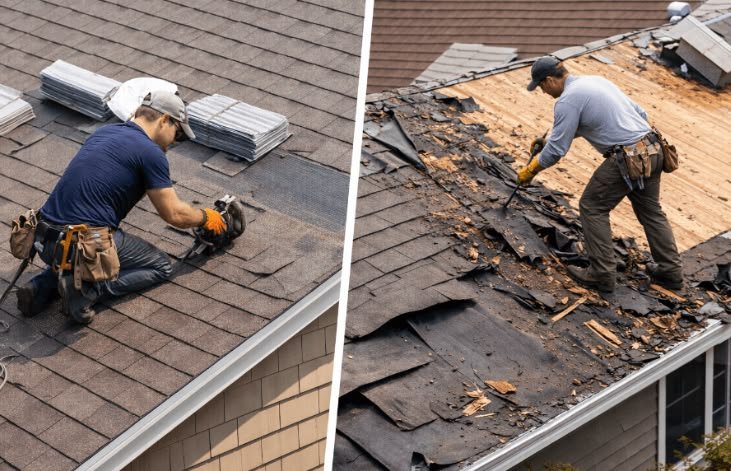
There’s a point where repairing becomes less effective than replacing. Trying to fix severely damaged shingles, rotted wood, or warped flashing often leads to recurring leaks.
A proven long-lasting trick is knowing when to stop patching and start replacing.
signs replacement is the better option
- Shingles are brittle, curled, or missing granules
- Wood beneath feels soft or spongy
- Flashing is rusted or bent beyond shape
Replacing a small section may take more effort initially, but it eliminates hidden weaknesses that patches can’t fix.
a practical mindset shift
Instead of asking, “How can I fix this quickly?” ask, “What will prevent this area from failing again in two years?”
That question alone leads to better decisions.
trick 5: improve water flow around the repair area
Water that lingers is water that eventually finds a way in. Even the best repair can fail if water is allowed to pool or flow improperly.
A long-lasting repair often includes improving how water moves across your roof.
simple ways to enhance drainage
- Clear debris from valleys and gutters
- Adjust or replace damaged gutter sections
- Ensure downspouts direct water away from the foundation
- Add diverters near problem areas
unexpected insight
Many leaks are not caused by damage, but by water being forced into places it shouldn’t go due to poor drainage.
For example, a clogged gutter can cause water to back up under shingles, creating leaks even when the roof surface is intact.
quick checklist
Before finishing any repair, ask yourself:
- Where will the water go after this repair?
- Is anything blocking its path?
- Could heavy rain overwhelm this area?
trick 6: schedule follow-up inspections after repair
A repair that lasts longer isn’t just about what you do once—it’s about what you do afterward.
Weather, temperature changes, and settling can all affect your repair over time. A simple follow-up inspection can catch small issues before they become major problems again.
recommended approach
- Inspect after the next heavy rain
- Check again after one month
- Perform seasonal inspections (especially before monsoon or winter)
what to look for
- Cracks in sealant
- Loose edges on shingles or patches
- Signs of moisture inside the attic
This habit transforms your repair from a one-time fix into a monitored solution.
the overlooked role of ventilation
While not always directly linked to leaks, poor ventilation can shorten the life of your roof and your repairs.
Heat buildup in the attic can cause materials to expand excessively, weakening seals and causing premature failure.
simple ventilation improvements
- Ensure vents are not blocked
- Add ridge vents or soffit vents if needed
- Keep insulation from covering airflow paths
A well-ventilated roof system supports longer-lasting repairs by reducing stress on materials.

tools and materials that make a difference
Sometimes the difference between a temporary fix and a lasting repair comes down to the tools you use.
essential tools
- Roofing hammer or nail gun
- Pry bar for removing damaged shingles
- Caulking gun for precise sealant application
- Utility knife for clean cuts
quality materials matter
Investing in better materials often saves money in the long run. Cheap shingles, low-grade sealants, and thin flashing may reduce upfront cost but increase the likelihood of repeat repairs.
real-life repair story
A homeowner noticed a leak near a skylight. The first instinct was to apply sealant around the edges. It worked—for a few months.
Later, a more thorough inspection revealed that the flashing underneath had small gaps. The repair involved removing surrounding shingles, installing new flashing, and layering the sealant with reinforcement fabric.
That repair lasted through multiple seasons without issue.
The lesson? The first fix addressed the symptom. The second fix addressed the structure.
maintenance habits that extend repair life
Once your roof is repaired, a few simple habits can dramatically extend its lifespan.
- Clean gutters regularly
- Trim overhanging branches
- Check for loose or missing shingles after storms
- Inspect attic insulation and ventilation
These habits reduce stress on your roof and prevent new leaks from forming.
a mindset that saves time and money
Think of roof care as ongoing maintenance rather than emergency response. Small efforts spread over time are far less costly than major repairs done under pressure.
common myths about roof leak repairs
myth 1: more sealant always means better protection
Reality: Excess sealant can trap moisture and create new problems.
myth 2: leaks always appear directly below the damage
Reality: Water often travels before dripping.
myth 3: once fixed, a leak won’t return
Reality: Without addressing underlying causes, leaks often come back.
myth 4: all shingles perform the same
Reality: Material quality varies widely and affects durability.
myth 5: DIY repairs are always cheaper
Reality: Poor repairs can lead to higher costs over time.
FAQs
- how do i find the exact source of a roof leak?
Start by inspecting the attic for signs of moisture, mold, or light coming through. You can also simulate rain using a hose while someone checks inside. Always trace the leak upward, as water often travels before dripping. - can i fix a roof leak myself or should i hire a professional?
Small, visible issues like minor shingle damage can often be repaired yourself. However, complex leaks involving flashing, structural damage, or large areas are best handled by professionals to ensure safety and durability. - how long should a proper roof leak repair last?
A well-executed repair using quality materials can last several years, often matching the lifespan of the surrounding roof section. Temporary fixes, on the other hand, may only last a few months. - what is the best weather condition for repairing a roof leak?
Dry, mild weather is ideal. Avoid repairs during rain, extreme heat, or freezing temperatures, as these conditions affect material performance and safety. - how often should i inspect my roof after a repair?
Inspect your roof after the next heavy rain, then again after a month. Seasonal inspections are also recommended, especially before periods of heavy rainfall. - what is the most common cause of recurring roof leaks?
The most common cause is incomplete repair—fixing the visible damage while ignoring underlying issues like faulty flashing, poor drainage, or deteriorated materials.
Closing thoughts
A roof leak is never just a nuisance; it’s a signal that something in your roofing system needs attention. The difference between a short-term fix and a long-lasting repair lies in understanding the system, using the right materials, and taking a slightly more thoughtful approach.
These six proven tricks are not complicated, but they require patience and attention to detail. When applied correctly, they can transform a frustrating, recurring problem into a resolved issue that stays fixed for years.
And perhaps the most valuable takeaway is this: lasting repairs are rarely about doing more—they’re about doing things the right way, once.
About the Author