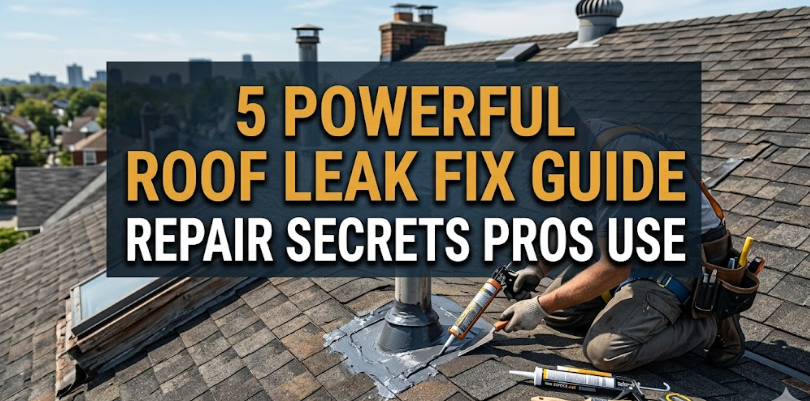
5 Powerful Roof Leak Fix Guide Repair Secrets Pros Use
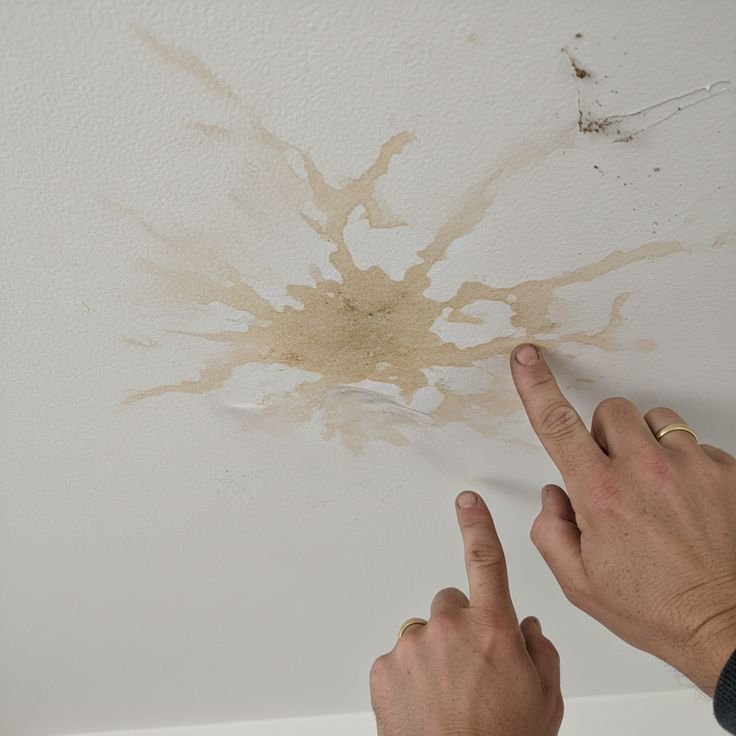
A leaking roof has a way of turning a calm home into a place of quiet anxiety. The slow drip, the spreading stain, the faint smell of dampness—these small signs often arrive before the real damage begins. Many homeowners either ignore these early warnings or rush into repairs without understanding the deeper mechanics of what’s actually happening above their heads. The truth is, professional roofers don’t just fix leaks—they read them, trace them, and outthink them.
This guide is not a quick checklist or a surface-level explanation. It’s a deeper walk through the mindset, techniques, and practical secrets that experienced professionals rely on when tackling roof leaks. Along the way, you’ll find not just instructions, but perspective—stories, insights, and careful observations that help you see your roof differently.
secret one: finding the real source instead of the obvious one
One of the most common mistakes beginners make is assuming that the visible leak inside the house is directly below the problem on the roof. In reality, water is patient and clever. It travels along beams, under shingles, and across insulation before it reveals itself indoors.
Professionals never start with the stain on the ceiling. They start with a question: where could the water have entered?
Imagine rainwater hitting your roof. It doesn’t simply fall straight down. It follows gravity, wind patterns, and the path of least resistance. A tiny crack near a vent could send water sliding several feet before it finally drips inside your living room.
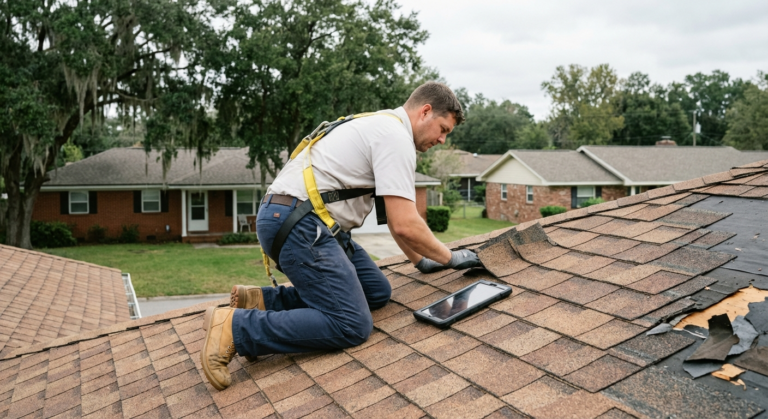
The secret here is to trace backward. Start at the interior leak, then move upward into the attic if accessible. Look for darkened wood, mold patches, or damp insulation. These clues form a trail. Follow that trail carefully until you reach the highest point of moisture—that’s often where the leak begins.
Another trick pros use is timing. They observe when the leak appears. Does it happen during heavy rain, light drizzle, or only when wind is strong? Each pattern tells a story. A leak during wind-driven rain often points to flashing issues or side-entry gaps, while steady leaks during prolonged rain suggest deeper penetration problems.
This investigative mindset turns guesswork into precision.
secret two: understanding flashing as the silent guardian
If shingles are the visible armor of a roof, flashing is the hidden shield that truly prevents leaks. Flashing is typically made of metal and installed around roof features like chimneys, vents, skylights, and valleys.
Most leaks don’t happen in the middle of a shingle field—they happen at transitions. Anywhere two surfaces meet, there’s a potential weakness. Professionals pay extra attention to these areas because they know this is where time, weather, and poor installation often collide.
A common professional approach is to gently lift surrounding shingles to inspect the flashing underneath. Is it corroded? Is it bent or cracked? Has it been improperly sealed in the past?
Sometimes, the repair isn’t about replacing everything. A pro might clean the area, re-seat the flashing, and apply a high-quality sealant in a precise manner. The key is restraint. Overusing sealant is just as problematic as underusing it. Too much can trap water or degrade over time.
Another lesser-known trick is layering. Professionals ensure that flashing is layered in a way that mimics natural water flow—each piece overlapping the one below it so water is guided away rather than trapped.
Once you start thinking of flashing as a system rather than a single component, your approach to roof repairs changes completely.
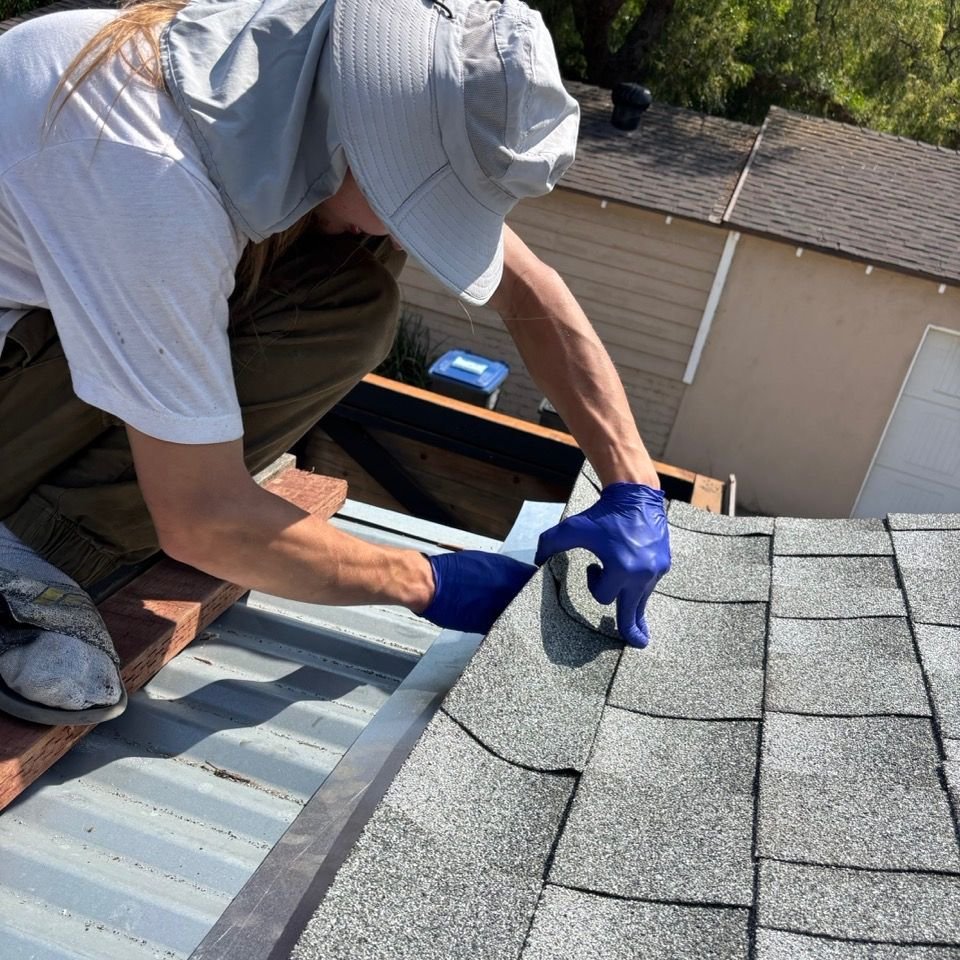
secret three: the art of shingle replacement without disturbing the system
Replacing a damaged shingle seems simple. Pull it out, slide a new one in, and nail it down. But professionals know that every shingle is part of a carefully balanced system.
Roof shingles overlap in a specific pattern designed to channel water downward. When one piece is removed carelessly, it can loosen surrounding shingles, break adhesive seals, or expose nails that were never meant to be seen.
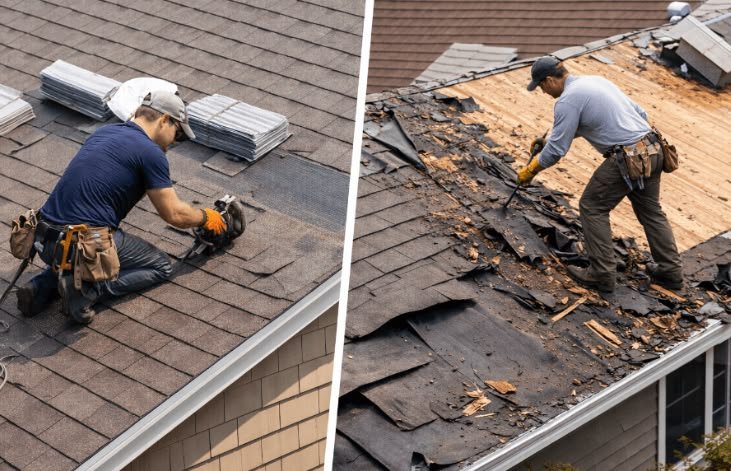
Pros use a flat pry bar to gently lift the edges of adjacent shingles, loosening the adhesive strip without tearing it. They remove nails with precision, keeping surrounding materials intact. When installing a new shingle, they match not just the size and color, but also the alignment and nail placement.
One subtle but powerful trick is resealing. After installing the new shingle, professionals often apply a small amount of roofing cement under the edges of nearby shingles to restore the original bond that may have been disturbed.
Temperature also plays a role. Shingles are more flexible in warm weather and more brittle in cold conditions. Pros adjust their technique accordingly, sometimes even warming shingles slightly to prevent cracking.
This level of care ensures that a small repair doesn’t create a larger problem later.
secret four: using water tests strategically, not randomly
When a leak source isn’t immediately obvious, professionals turn to controlled water testing. But this isn’t about spraying the roof randomly with a hose. It’s a methodical process designed to isolate the problem.
The idea is simple: simulate rain in specific sections while someone inside observes for leaks. But the execution requires patience. Water is applied in stages, starting from the lowest suspected area and gradually moving upward.
Why start low? Because water naturally flows downward. If you start at the top, you might flood multiple areas at once, making it impossible to pinpoint the exact entry point.
Each section is tested for several minutes. If no leak appears, the tester moves slightly higher. This step-by-step approach narrows down the source with remarkable accuracy.
Communication is crucial. The person inside must be ready to signal the moment a leak appears. Timing matters—knowing how long it took for water to travel can provide additional clues about the path it followed.
This method turns a confusing situation into a controlled experiment, revealing answers that visual inspection alone might miss.
secret five: prevention as the ultimate repair strategy
Perhaps the most powerful secret professionals rely on is this: the best leak repair is the one you never have to make.
Experienced roofers think ahead. They don’t just fix the current issue; they look for signs of future problems. Is there granule loss on shingles? Are gutters clogged? Is ventilation adequate?
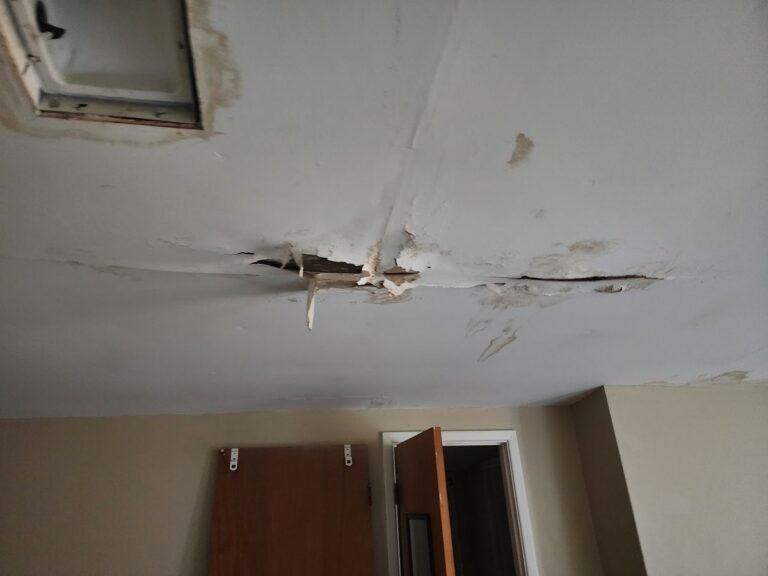
A roof is a system influenced by many factors. Poor ventilation can trap heat and moisture, accelerating wear. Clogged gutters can cause water to back up under shingles. Small cracks can widen over time due to temperature changes.
Professionals often recommend simple maintenance routines that dramatically extend a roof’s life. Cleaning gutters regularly, inspecting flashing annually, and addressing minor issues promptly can prevent major leaks.
They also understand the importance of materials. Not all sealants, shingles, or flashing materials are created equal. Investing in quality components can mean the difference between a temporary fix and a long-lasting solution.
Prevention isn’t glamorous, but it’s effective. It shifts the focus from reacting to problems to avoiding them altogether.
the human side of roof repair
Beyond tools and techniques, there’s a human element to roof repair that often goes unspoken. Climbing onto a roof requires confidence, balance, and awareness. Professionals develop a rhythm—a way of moving, observing, and responding that comes from experience.
There’s also a sense of respect for the structure itself. Every roof tells a story: the weather it has endured, the repairs it has seen, the hands that built it. Approaching it with care and curiosity leads to better outcomes.
Even mistakes become lessons. A misplaced nail, an overlooked crack—these moments teach patience and attention to detail. Over time, what once seemed complex becomes intuitive.

common mistakes to avoid
While learning these professional secrets, it’s equally important to recognize common pitfalls.
Rushing the repair is one of the biggest mistakes. Leaks rarely demand immediate panic-driven action. Taking time to understand the problem often saves time in the long run.
Using the wrong materials is another issue. Household sealants are not designed for roofing conditions. Exposure to sunlight, temperature changes, and moisture requires specialized products.
Ignoring safety is perhaps the most serious mistake. Wet roofs are slippery, and steep slopes add risk. Professionals use proper footwear, harnesses when needed, and never underestimate the danger.
over time, mastery comes from observation
The difference between a beginner and a professional isn’t just knowledge—it’s observation. Professionals notice subtle details: the way shingles lie, the color changes in wood, the feel of dampness in the air.
These observations guide their decisions. They don’t rely solely on instructions; they adapt to each unique situation.
As you gain experience, you’ll start to see these details too. What once looked like a uniform surface will reveal patterns, clues, and opportunities for improvement.
final thoughts
Roof leak repair is often seen as a technical task, but it’s also an exercise in patience, curiosity, and problem-solving. By understanding the deeper principles behind professional techniques, you move beyond temporary fixes and toward lasting solutions.
These five secrets—tracing the true source, respecting flashing, handling shingles carefully, testing strategically, and prioritizing prevention—form a foundation that can transform how you approach roof repairs.
You don’t need years of experience to start thinking like a professional. You just need the willingness to look closer, think deeper, and act with intention.
frequently asked questions
- how do i know if my roof leak is serious or minor
A minor leak may appear as a small stain that doesn’t grow quickly, while a serious leak often spreads, causes dripping, or leads to mold and structural damage. If the leak worsens during rain or affects multiple areas, it’s best to treat it as serious and act quickly. - can i fix a roof leak without professional help
Yes, many small leaks can be fixed with proper tools and knowledge. However, complex issues involving structural damage, large areas, or steep roofs are better handled by professionals for safety and effectiveness. - what is the most common cause of roof leaks
The most common causes include damaged shingles, faulty flashing, clogged gutters, and worn-out sealants. Weather conditions and poor installation can also contribute significantly. - how long does a typical roof repair last
A well-done repair using quality materials can last several years or even match the lifespan of the roof. Temporary fixes, however, may only last a few months. - is it safe to repair a roof during rainy weather
It is not recommended. Wet surfaces increase the risk of slipping, and sealants may not adhere properly. It’s safer and more effective to wait for dry conditions. - how often should i inspect my roof for leaks
At least twice a year—once before the rainy season and once after. Additional inspections after storms or strong winds can help catch problems early.
About the Author