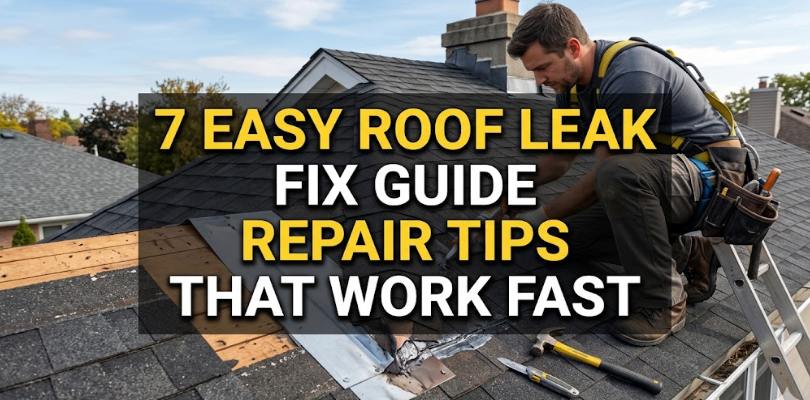
7 Easy Roof Leak Fix Guide Repair Tips That Work Fast
7 Easy Roof Leak Fix Guide Repair Tips That Work Fast
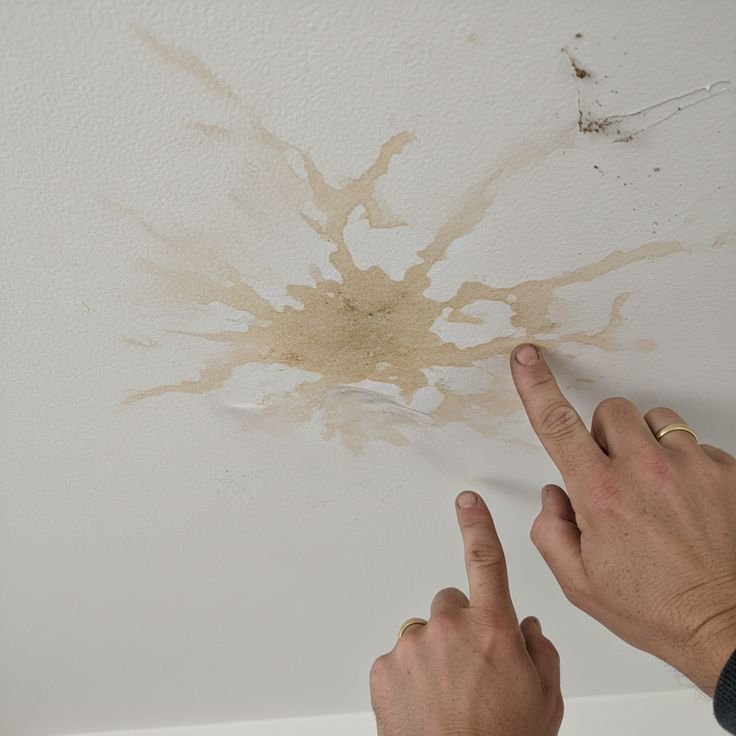
A leaking roof rarely announces itself politely. It usually shows up as a slow, stubborn drip during a heavy rain or as a brown stain spreading across the ceiling like an unwanted shadow. For many homeowners, the first instinct is panic. The second is often delay. Both reactions cost money. The truth is, most minor roof leaks can be handled quickly with the right approach, basic tools, and a bit of patience.
This guide isn’t just about fixing a leak—it’s about understanding why leaks happen, how to respond fast without making things worse, and how to create fixes that actually hold up. You’ll also find practical checklists, real-world insights, and small details that make a big difference when time matters.
Let’s get into the seven easy, fast-working roof leak repair tips that can save your home from further damage.
- Start by tracing the real source of the leak
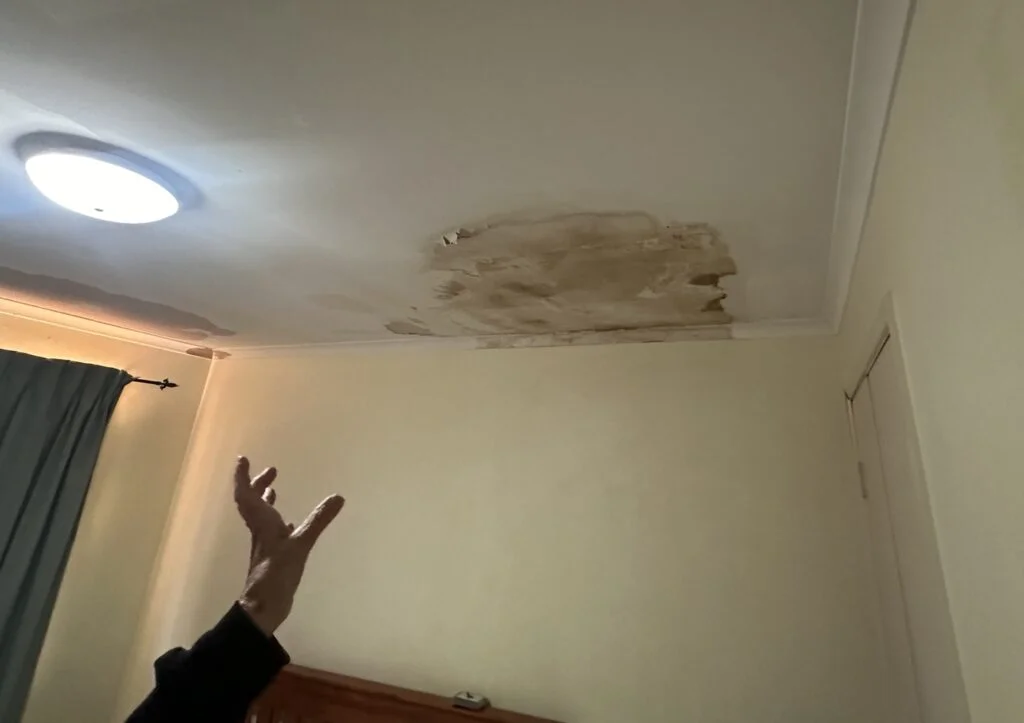
One of the most common mistakes people make is fixing the wrong spot. Water is sneaky. It travels along beams, under shingles, and through insulation before it finally drips into your home. That wet ceiling spot? It might be a meter or more away from the actual problem.
What to do instead:
- Go into the attic (if you have one) with a flashlight.
- Look for damp wood, mold patches, or water trails.
- Follow the path upward, not just where the drip ends.
- Check during daylight—sunlight peeking through is a clear clue.
Quick tip: If it’s not raining, simulate rain using a hose while someone watches inside. This helps pinpoint the exact entry point.
Mini checklist:
- flashlight
- dry cloth or tissue (to test dampness)
- chalk or marker (to mark the spot)
Why this works fast: Fixing the exact source avoids wasted effort and prevents repeat leaks.
- Apply roofing tape or sealant for an immediate stop
If you need a quick, effective patch, roofing tape or sealant is your best friend. These are designed to adhere even in less-than-perfect conditions and can buy you time before a permanent repair.
Steps:
- Clean the area as much as possible.
- Dry it if you can (even partial drying helps).
- Apply roofing tape firmly over the crack or hole.
- Press down edges to seal tightly.
For sealants:
- Use a caulking gun.
- Apply a generous bead over the crack.
- Smooth it with a gloved finger.
Pro insight: Don’t be too conservative with sealant. A slightly thicker layer is better than a thin one that cracks.
When to use:
- Small cracks
- Nail holes
- Minor flashing gaps
Why it’s effective: It creates an instant waterproof barrier and can last weeks or even months if applied well.
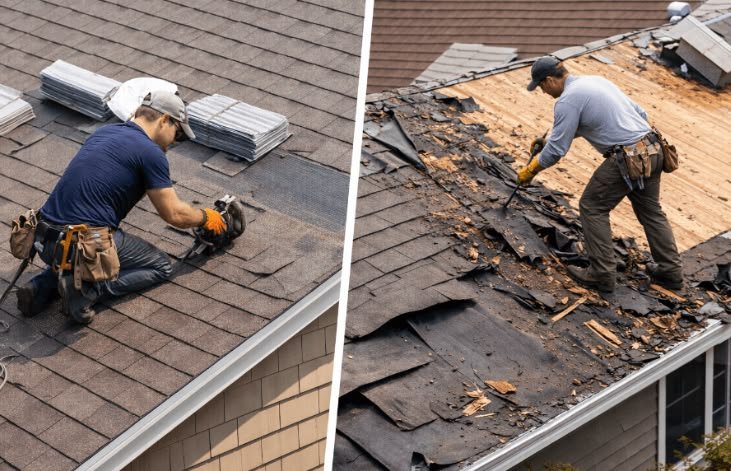
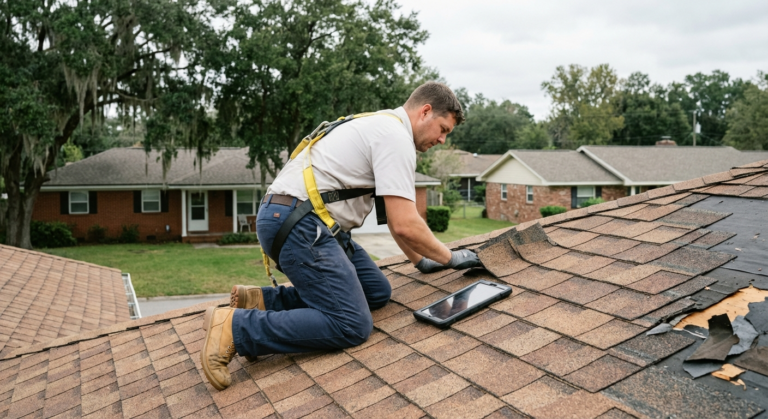
- Replace damaged or missing shingles quickly
A missing or broken shingle is like leaving a window open during a storm. Water will get in—fast.
How to fix:
- Lift the surrounding shingles gently.
- Remove nails from the damaged shingle.
- Slide the old piece out.
- Insert a new shingle in its place.
- Nail it down securely.
- Seal nail heads with roofing cement.
Important detail: Always lift shingles carefully. They can become brittle over time and crack easily.
Tool list:
- hammer
- roofing nails
- replacement shingles
- roofing cement
Fast-action tip: Keep a small bundle of spare shingles if you live in an area with frequent storms.
Why this works: It restores the roof’s protective layer almost immediately.
- Fix flashing issues around vents and chimneys
Flashing is the thin metal installed around roof joints, chimneys, and vents. When it loosens or corrodes, leaks appear quickly.
Common signs:
- Water stains near chimneys
- Leaks around bathroom or kitchen vents
- Rusted or lifted metal edges
Quick repair method:
- Clean the area
- Apply roofing sealant along edges
- Press flashing back into place
- Add additional sealant on top
For more serious damage:
- Replace the flashing piece entirely
Practical note: Flashing problems are one of the top causes of roof leaks, yet often overlooked.
Why it’s fast: You’re sealing a high-risk area directly, stopping water where it most commonly enters.
- Use a temporary tarp for active leaks
If the leak is severe or during heavy rain, don’t wait—cover it.
How to do it:
- Use a heavy-duty waterproof tarp
- Place it over the affected area
- Extend it beyond the leak zone
- Secure with nails or weighted objects
Important safety tip: Never climb onto a roof during a storm. Wait until conditions are safe.
Quick trick: Anchor the tarp at the roof ridge and let it drape downwards. This helps water flow over it rather than under it.
Why this works: It provides immediate protection and prevents interior damage while you prepare a proper repair.
- Clear debris and unclog gutters
Sometimes the leak isn’t from damage—it’s from blockage. When gutters are clogged, water backs up and seeps under shingles.
Signs:
- Overflowing gutters during rain
- Water pooling on roof edges
- Leaves and dirt buildup
Fix:
- Remove debris by hand or with a scoop
- Flush gutters with water
- Check downspouts for blockages
Maintenance tip: Do this at least twice a year, especially after autumn.
Why it’s fast: Removing the cause of water buildup stops leaks without needing repairs.
- Reinforce weak spots with roofing cement
Roofing cement is a versatile solution for reinforcing areas that are starting to fail but aren’t fully damaged yet.
Where to use:
- Around vents
- Along seams
- Over small cracks
- On nail heads
Application:
- Spread evenly using a putty knife
- Cover a slightly larger area than the damage
- Allow it to cure properly
Advanced tip: Combine cement with a small patch of roofing fabric for extra strength.
Why it works quickly: It strengthens vulnerable areas before they turn into bigger problems.
Understanding why fast action matters
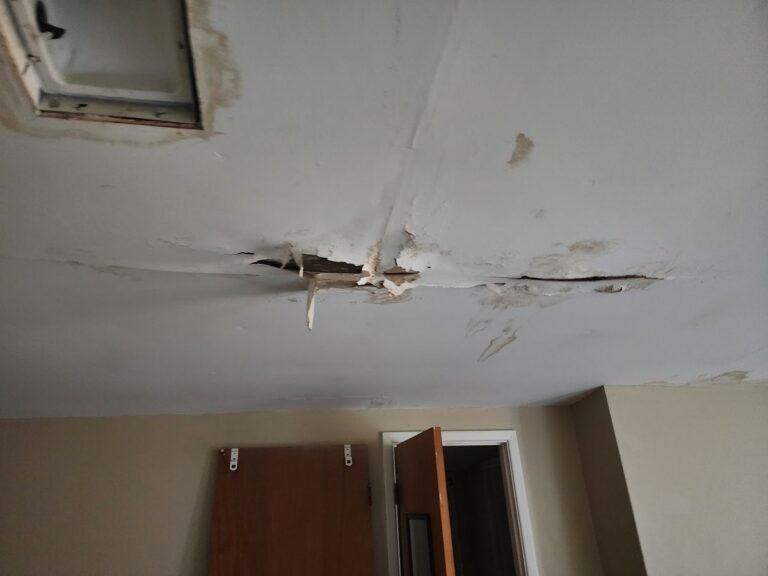
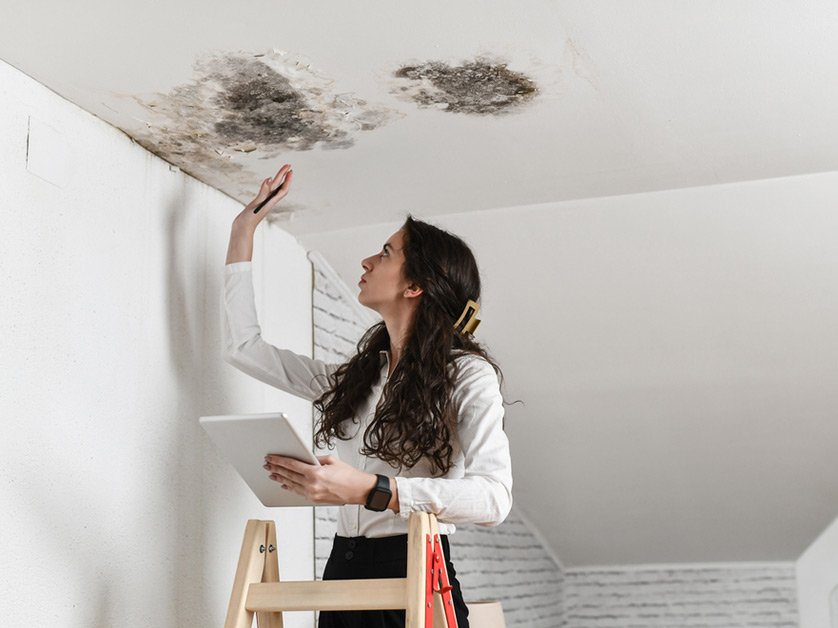
A small leak might seem harmless, but it rarely stays that way. Water can damage insulation, weaken wooden structures, and create mold within days. Acting quickly doesn’t just fix the leak—it protects the entire structure of your home.
Think of it like this: a quick patch today can prevent a full roof replacement tomorrow.
Common mistakes to avoid
Even simple repairs can go wrong if rushed without thought.
Avoid these pitfalls:
- Fixing the wrong spot
- Using indoor sealants outdoors
- Ignoring safety precautions
- Walking on a wet or steep roof
- Skipping inspection after repair
Each of these mistakes can turn a minor issue into a major expense.
Simple tool kit for fast roof leak repairs
You don’t need a professional setup. A basic kit can handle most quick fixes:
- roofing sealant
- roofing tape
- hammer
- nails
- putty knife
- flashlight
- gloves
- tarp
Keeping these ready can save precious time during an emergency.
A quick scenario to bring it together
Imagine it’s raining heavily at night. You notice a drip in your living room. Instead of panicking:
- You place a bucket under the leak
- Head to the attic with a flashlight
- Spot the entry point
- The next morning, you apply roofing tape
- Later, you replace a cracked shingle
Problem solved before it spreads.
That’s the power of knowing what to do.
When to call a professional
Not every leak should be a DIY project.
Call a professional if:
- The roof is very steep or unsafe
- Damage is widespread
- Structural issues are visible
- You’ve tried fixing but leaks persist
Knowing your limits is part of doing the job right.
Long-term habits that prevent future leaks
Fast fixes are great, but prevention is better.
- Inspect your roof every season
- Trim overhanging branches
- Keep gutters clean
- Replace aging shingles
- Check flashing regularly
These habits reduce the chances of sudden leaks.
FAQs
- How long does a temporary roof leak fix last?
Temporary fixes like tape or sealant can last from a few weeks to several months, depending on weather conditions and application quality. - Can I fix a roof leak from inside the house?
You can manage the damage from inside, but the actual repair must be done on the exterior to stop water entry. - Is it safe to repair a roof leak myself?
It can be safe for minor repairs if proper precautions are taken. Avoid working on steep or wet roofs. - What is the fastest way to stop a roof leak during rain?
Using a tarp is the quickest and most effective temporary solution during active rainfall. - How do I know if the leak is serious?
If water spreads quickly, appears in multiple spots, or causes structural sagging, it’s a serious issue. - Should I replace the whole roof if there’s a leak?
Not necessarily. Most leaks are localized and can be repaired without replacing the entire roof.
Final thoughts
Roof leaks are frustrating, but they’re rarely unbeatable. With a calm approach, a few practical tools, and the right knowledge, you can stop most leaks quickly and effectively. The key is acting early, fixing smart, and not ignoring small warning signs.
The next time you hear that drip, you won’t just react—you’ll know exactly what to do.
About the Author