9 Smart Roof Leak Fix Guide Maintenance Habits That Prevent Leaks
9 Smart Roof Leak Fix Guide Maintenance Habits That Prevent Leaks
A roof rarely fails all at once. It whispers before it shouts. A faint stain appears in a corner, a slightly warped shingle catches the light at an odd angle, or a faint earthy smell creeps into the attic after rain. These are not accidents—they are warnings. Homeowners who learn to read these signals and act early rarely face catastrophic leaks. Instead, they develop habits—small, consistent actions that quietly protect their homes year after year.
This guide isn’t just a checklist. It’s a way of thinking about your roof as a living system—one that responds to weather, time, and care. Below are nine practical, experience-based maintenance habits that help prevent leaks before they begin.
- Develop the habit of seasonal roof check-ins
Roofs experience stress in cycles. Heat expands materials, cold contracts them, wind shifts them, and rain tests every joint. A smart homeowner treats each season as a checkpoint.
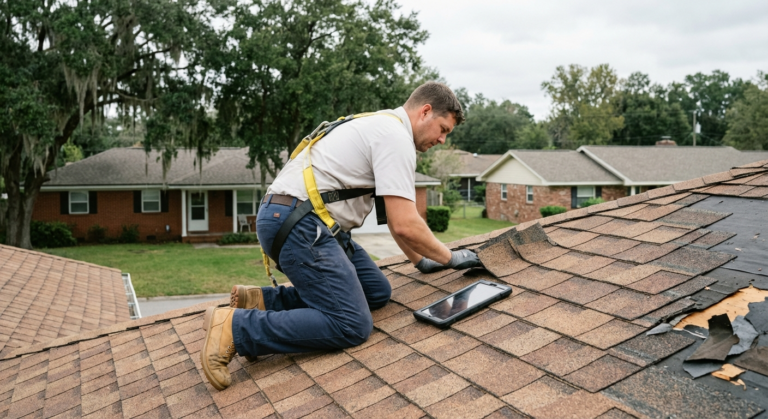
At the start of spring, inspect for winter damage. Look for lifted shingles, cracked flashing, and debris buildup. Summer is about heat stress—materials dry out, and sealants can weaken. In autumn, falling leaves clog drainage systems. Winter, depending on your region, can expose insulation issues and moisture buildup.
You don’t need to climb the roof every time. A pair of binoculars and a careful walk around the house can reveal a lot. The goal is not perfection—it’s awareness. The earlier you spot something unusual, the easier it is to fix.
- Keep gutters clean and functional
A roof is only as good as its drainage system. Water that doesn’t flow away properly will find another path—often into your home.
Clogged gutters are one of the most common causes of leaks. Leaves, dust, and debris form blockages that cause water to overflow or pool near the roof edge. Over time, this standing water seeps under shingles or damages fascia boards.
Make gutter cleaning a regular habit, especially during autumn. Install gutter guards if debris accumulation is frequent in your area. Also, check that downspouts direct water far enough away from your foundation.
A simple rule: water should always have a clear, uninterrupted path from roof to ground.

- Pay attention to small ceiling changes indoors
Many homeowners focus entirely on the outside of the roof and forget that the inside often reveals problems first.
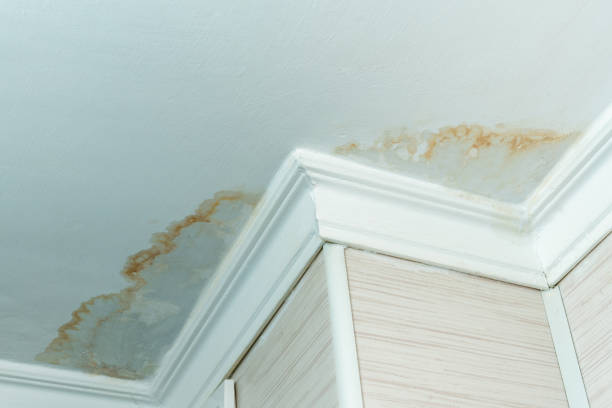
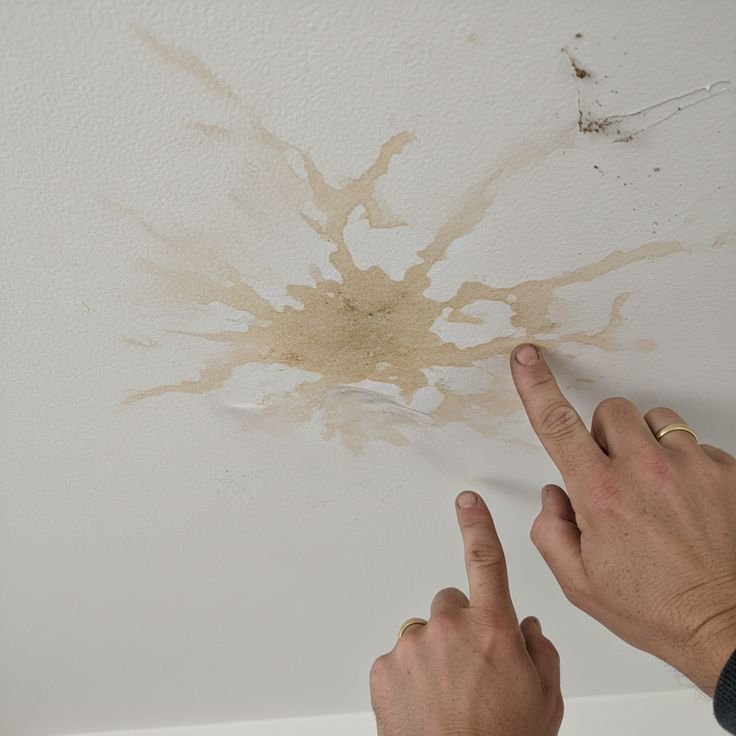
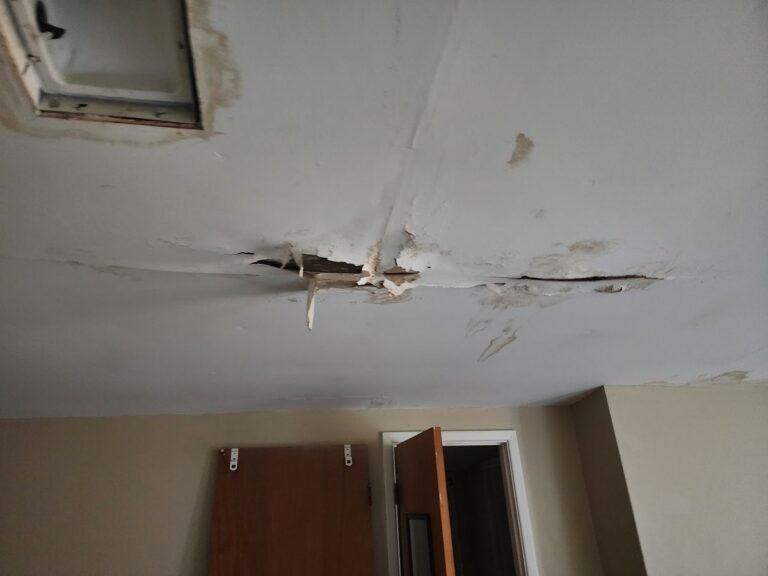
A faint yellow stain on the ceiling, peeling paint, or a slight bulge in drywall can indicate a slow leak. These signs may appear far from the actual source because water travels along beams before dripping.
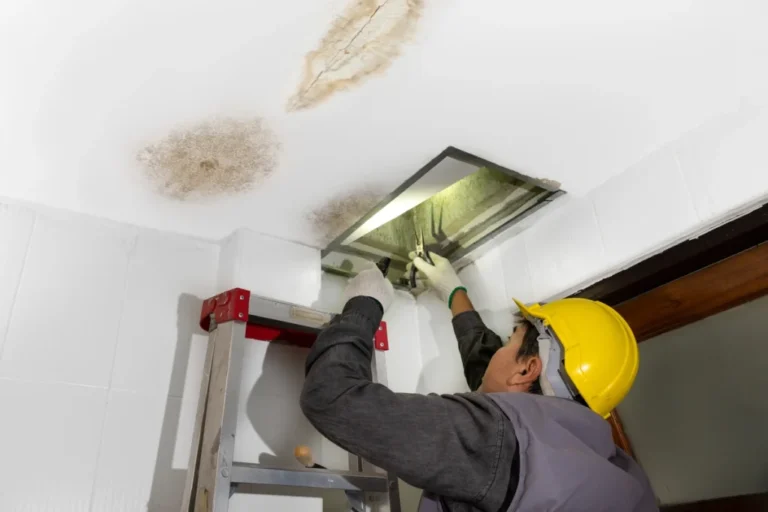
Instead of ignoring these changes, treat them as clues. Trace them back. Check the attic above the affected area. Even if you don’t see active dripping, damp insulation or wood discoloration can confirm a hidden issue.
Catching leaks at this stage can save thousands in repairs.
- Maintain roof flashing with care
Flashing is the unsung hero of roofing. It seals the vulnerable joints—around chimneys, vents, skylights, and valleys.
When flashing fails, leaks often follow quickly.
Inspect these areas regularly. Look for rust, cracks, or lifting edges. Sealant around flashing can degrade over time, especially under intense sun exposure.
A smart habit is to reapply sealant or replace worn flashing before it fails completely. It’s a relatively low-cost task that prevents high-cost damage.
- Trim overhanging tree branches
Trees provide shade and beauty, but they can also be a hidden threat to your roof.
Branches that hang over your roof drop leaves, trap moisture, and can scrape against shingles during wind. In storms, they may break and cause direct damage.
Regular trimming reduces these risks. It also improves sunlight exposure, helping your roof dry faster after rain. A dry roof is a healthy roof—moisture is the enemy.
Think of tree maintenance as roof maintenance by extension.
- Check and maintain attic ventilation
Many leaks don’t start from outside—they begin with poor ventilation inside the attic.
When warm, moist air gets trapped, it condenses on cooler surfaces. Over time, this moisture can weaken wood, promote mold growth, and even mimic the effects of a roof leak.
Proper ventilation allows air to circulate, reducing moisture buildup. Check that vents are not blocked by insulation or debris. If your attic feels unusually hot or humid, it may be time to improve airflow.
A well-ventilated attic extends the life of your roof and prevents subtle, long-term damage.
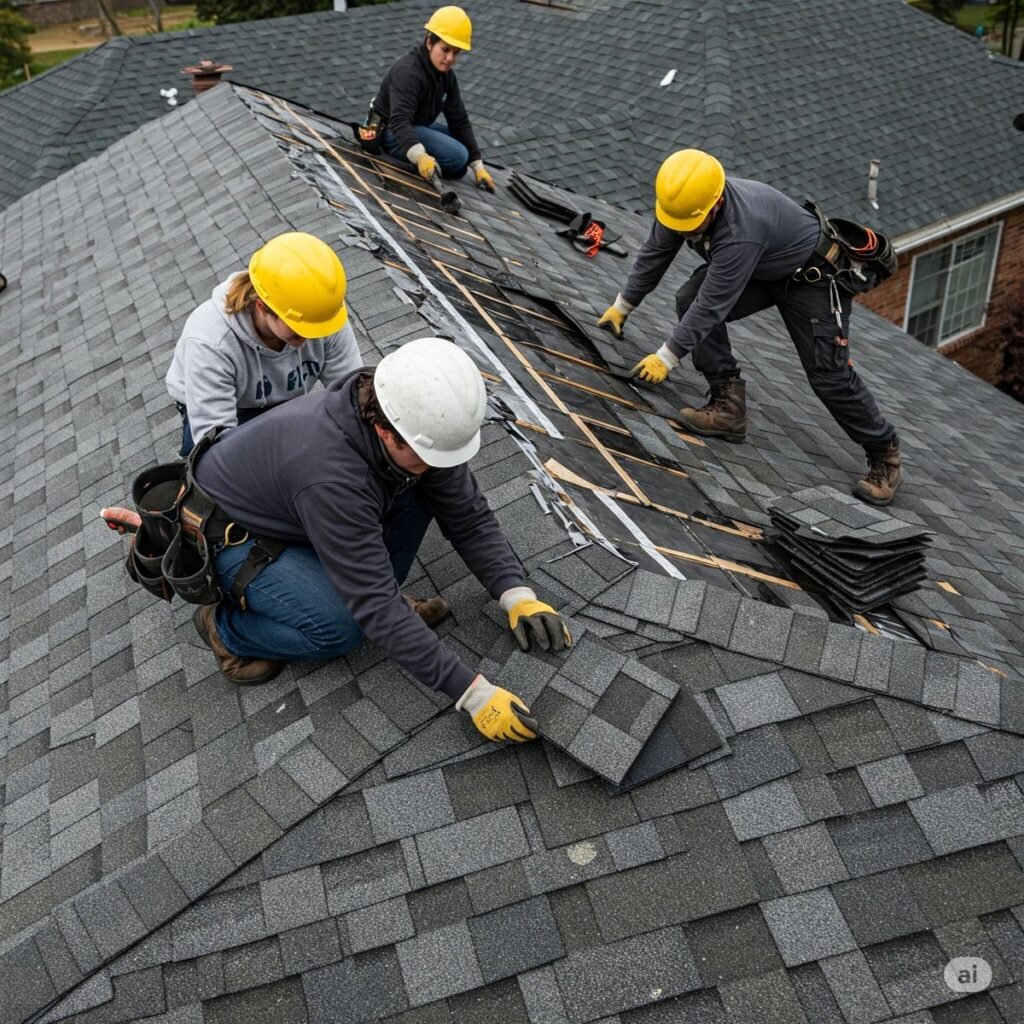
- Replace damaged shingles immediately
A single damaged shingle may not seem urgent. After all, it’s just one piece. But roofs are systems—when one part fails, others are exposed.
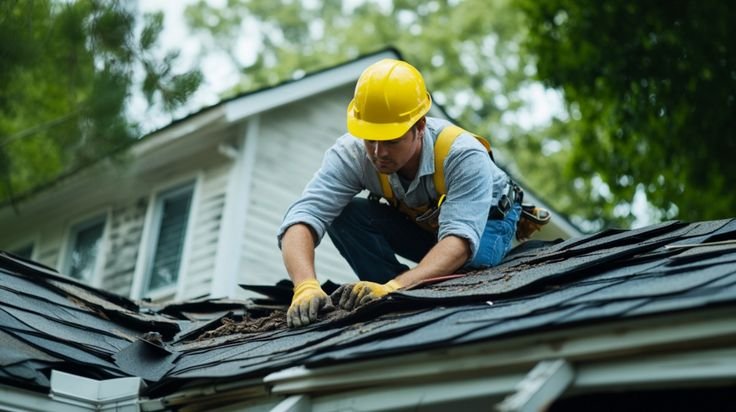
Cracked, curled, or missing shingles allow water to seep underneath. Once inside, water spreads quietly, affecting underlayment and wooden structures.
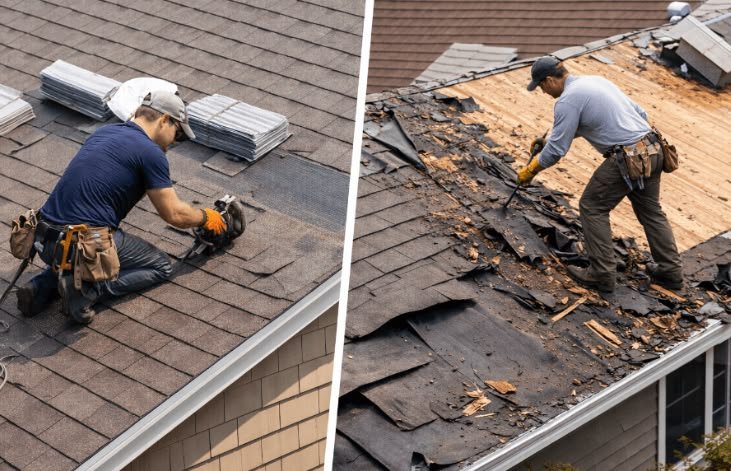
Make it a habit to address shingle damage as soon as you notice it. Keep a few spare shingles on hand if possible. Small repairs done promptly can prevent major repairs later.
Delay is often the difference between a quick fix and a costly renovation.
- Inspect roof penetrations regularly
Every hole in your roof—whether for a vent, pipe, or antenna—is a potential weak point.
Seals around these penetrations can degrade over time. Rubber boots crack, sealants dry out, and fittings loosen.
During your routine inspections, give these areas extra attention. Look for gaps, cracks, or signs of wear. Replace or reseal components as needed.
It’s a simple habit, but one that significantly reduces the risk of leaks.
- Keep a simple roof maintenance log
Memory is unreliable. Habits become stronger when they are recorded.
Maintain a basic log of your roof inspections and repairs. Note dates, observations, and actions taken. Over time, patterns emerge. You’ll know which areas need frequent attention and when maintenance is due.
This log also becomes valuable if you ever sell your home. It shows that the property has been well cared for.
You don’t need anything complicated—a notebook or a digital file works fine. The key is consistency.
Bringing it all together
Roof maintenance is not about occasional effort—it’s about consistent awareness. These nine habits are not difficult, but they require discipline. The reward is peace of mind.
Instead of reacting to leaks, you prevent them. Instead of dealing with emergencies, you manage small tasks. Over time, this approach saves money, reduces stress, and extends the life of your home.
Think of your roof not as something you fix when it breaks, but as something you care for so it doesn’t.
Frequently Asked Questions
- How often should I inspect my roof?
At least twice a year—typically in spring and autumn. Additional checks after major storms are also recommended. - Can I fix minor roof leaks myself?
Yes, small issues like replacing a shingle or applying sealant can often be done safely. However, for larger or unclear problems, professional help is advisable. - What are the earliest signs of a roof leak?
Common early signs include ceiling stains, musty smells, peeling paint, and damp spots in the attic. - Do gutter guards completely eliminate maintenance?
No, they reduce debris buildup but do not eliminate the need for cleaning. Periodic checks are still necessary. - How long does a typical roof last?
It depends on the material. Asphalt shingles usually last 15–30 years, while metal or tile roofs can last much longer with proper maintenance. - Is attic ventilation really that important?
Yes, poor ventilation can lead to moisture buildup, mold, and structural damage, all of which can shorten the lifespan of your roof.
By turning these habits into routine actions, you shift from reactive repairs to proactive protection—and that’s the real secret to a leak-free home.
About the Author