5 Powerful Roof Leak Fix Guide Maintenance Tricks That Work Fast
5 powerful roof leak fix guide maintenance tricks that work fast
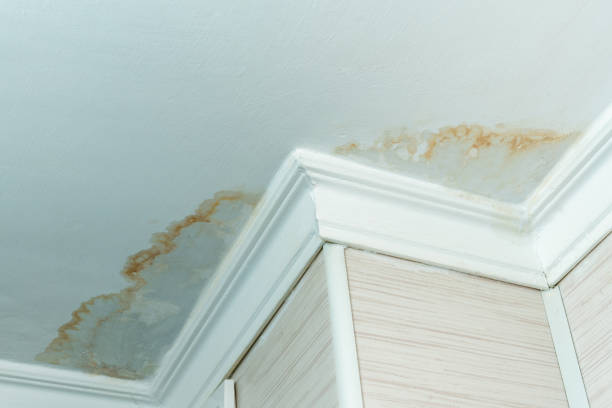
There’s a particular kind of panic that sets in when you notice a damp patch creeping across your ceiling. It rarely announces itself loudly. Instead, it grows quietly—darkening paint, curling edges, sometimes dripping just enough to keep you uneasy. Roof leaks are like that: subtle at first, then suddenly urgent.
But here’s the thing most homeowners discover after their first leak—speed matters more than perfection. The faster you respond, the less damage you deal with later. And while professional repairs are often necessary, there are practical, effective tricks you can use immediately to control the situation and even solve smaller issues yourself.
This guide isn’t just a checklist. It’s a hands-on, experience-driven walkthrough of five powerful maintenance tricks that actually work fast. Along the way, you’ll also learn how to spot trouble early, avoid common mistakes, and build habits that keep your roof in good shape long-term.
trick 1: track the leak to its real source, not where it shows up
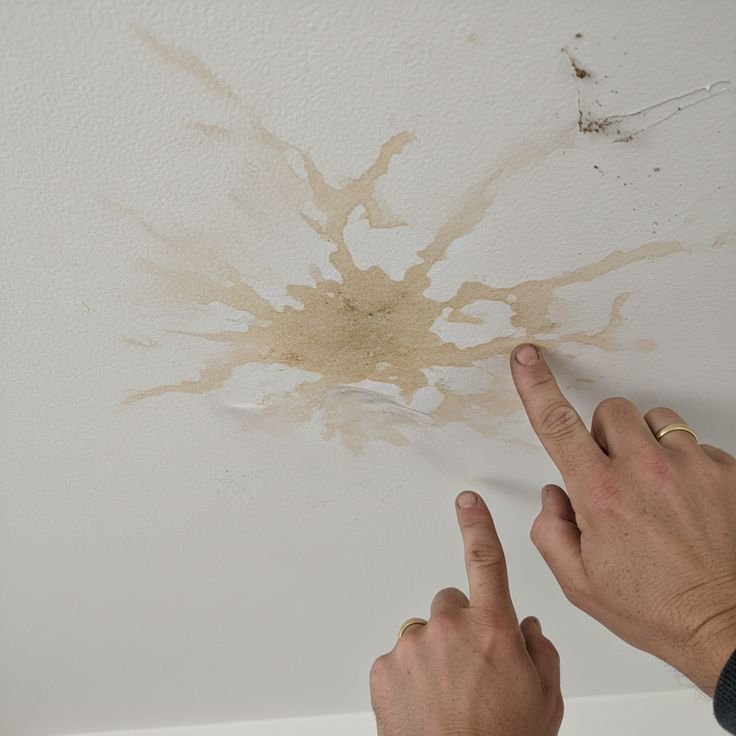
One of the biggest misconceptions about roof leaks is assuming the visible water stain is directly below the problem. In reality, water travels. It follows beams, insulation, and even electrical conduits before it finally drips into your living space.
So before you rush to patch anything, you need to find the real entry point.
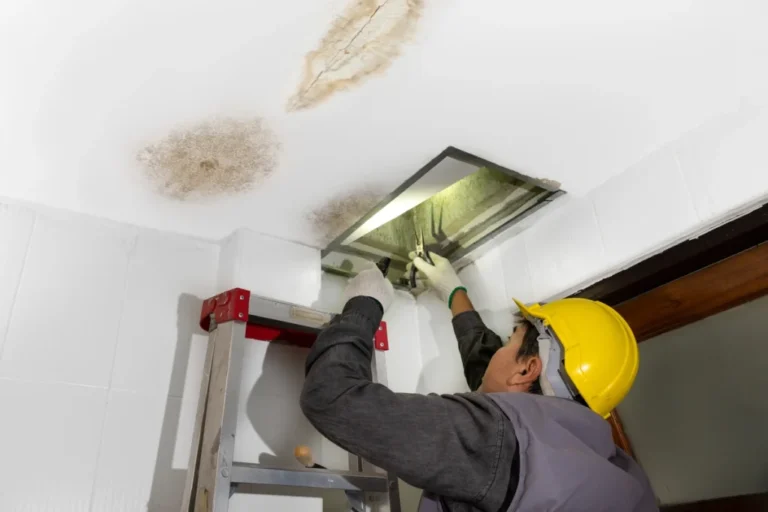
Start inside your home. Look for:
- Water stains that form lines or trails rather than circles
- Damp insulation in the attic
- Moldy or musty smells
- Light peeking through the roof boards
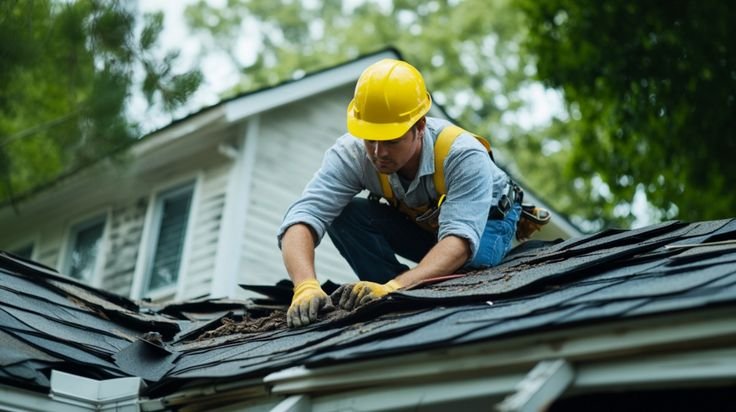
Then move outside. Inspect your roof during daylight, focusing on:
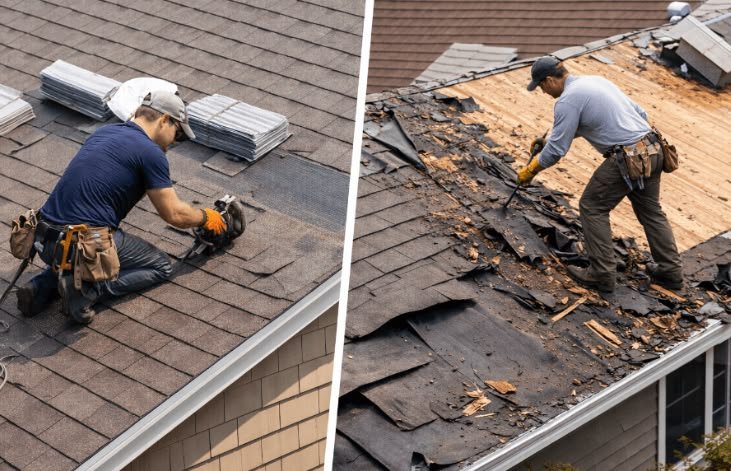
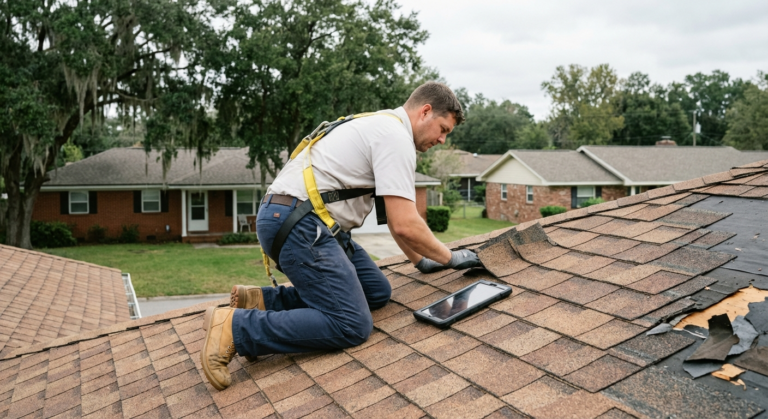
- Missing, cracked, or curled shingles
- Damaged flashing around chimneys, vents, and skylights
- Clogged or overflowing gutters
- Valleys where two roof slopes meet
A simple but effective trick is the “controlled water test.” Have someone spray water on sections of the roof while you watch inside. Move slowly, section by section. When the leak appears, you’ve narrowed down the source.
Why this matters: fixing the wrong spot wastes time and allows the real leak to continue damaging your home.
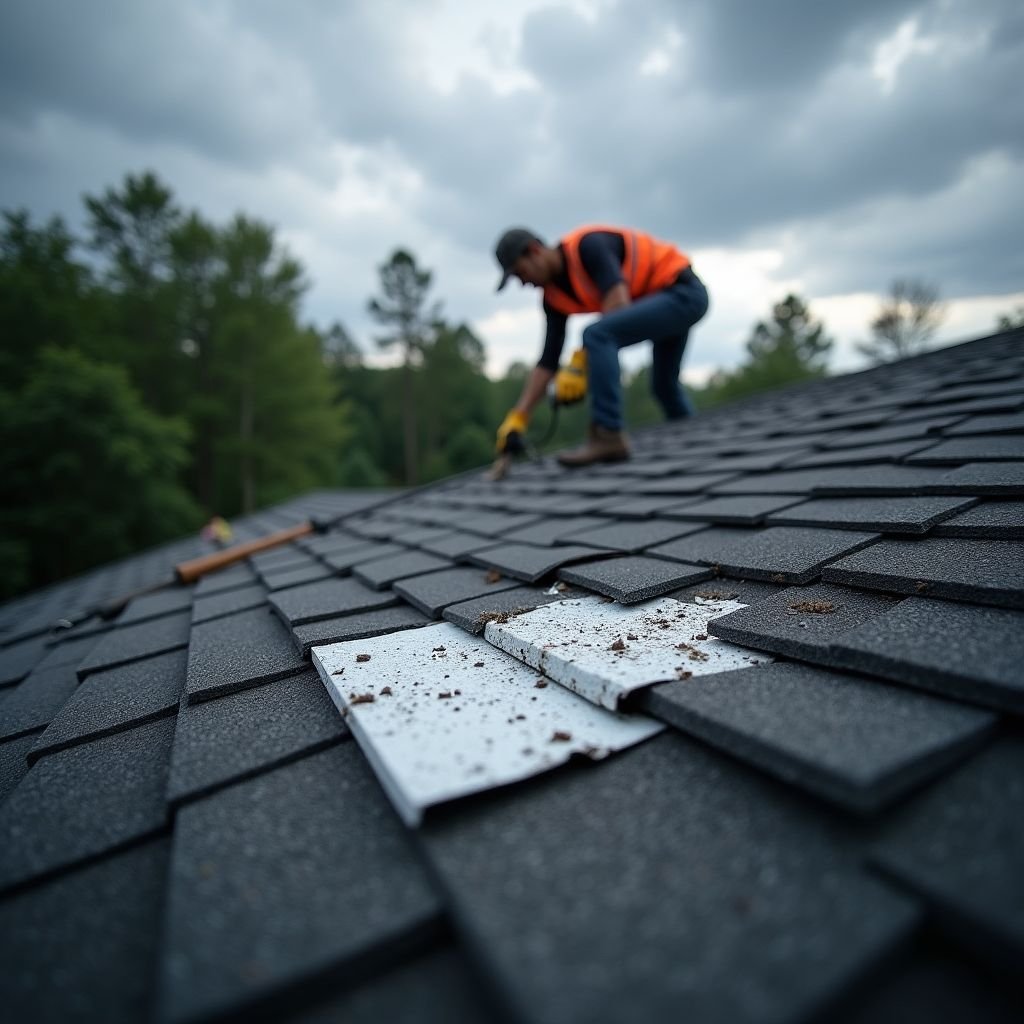
trick 2: use temporary sealing methods that actually hold
When water is actively entering your home, you don’t always have time for a full repair. That’s where quick, temporary sealing methods come in—but not all are equally effective.
Plastic sheets and buckets might catch water, but they don’t stop the problem. A better approach is to seal the entry point from the outside.
Here are fast solutions that work:
Roofing tape or sealant
These are designed to stick even in damp conditions. Apply them directly over cracks, holes, or seams. Press firmly and extend beyond the damaged area for a tight seal.
Tarp coverage
For larger problem areas, a heavy-duty tarp can be a lifesaver. Anchor it securely over the damaged section, ensuring it extends past the ridge of the roof. This prevents water from sneaking underneath.
Silicone or roofing cement
Apply generously around flashing, vents, or small gaps. These materials create a waterproof barrier quickly and can last until a permanent fix is done.
A key detail many people miss: always dry the surface as much as possible before applying any sealant. Even quick wipes with a cloth can improve adhesion dramatically.
trick 3: repair flashing before replacing shingles
Many homeowners assume shingles are the main cause of leaks, but flashing is often the real culprit. Flashing is the thin metal installed around roof joints—chimneys, vents, skylights, and edges. When it fails, water finds an easy path inside.
Common flashing issues include:
- Rust or corrosion
- Loose or lifted edges
- Cracked sealant around joints
Fixing flashing is often faster and cheaper than replacing shingles. Here’s how:
Lift surrounding shingles carefully to expose the flashing.
Clean the area to remove debris and old sealant.
Apply roofing cement under loose sections and press them back into place.
Seal edges with a waterproof compound.
If the flashing is severely damaged, replace it entirely. Pre-cut flashing pieces are widely available and can be installed with basic tools.
This trick works fast because it addresses one of the most common leak points directly—without requiring a full roof overhaul.
trick 4: clear drainage systems to stop hidden water buildup
Sometimes the roof itself isn’t the problem. Water backs up because it has nowhere to go.
Clogged gutters and downspouts can cause water to pool on your roof, especially during heavy rain. Over time, this standing water seeps under shingles and finds its way inside.
Signs of drainage issues include:
- Water spilling over gutter edges
- Sagging gutters
- Debris buildup like leaves and dirt
- Stains along exterior walls
The fix is simple but incredibly effective:
Remove debris from gutters using gloves or a scoop.
Flush gutters with a hose to ensure proper flow.
Check downspouts for blockages and clear them.
Ensure water is directed away from your home’s foundation.
For an extra layer of protection, consider installing gutter guards. These reduce future buildup and keep water flowing freely.
This trick works fast because it eliminates the source of excess water pressure on your roof—often stopping leaks without touching the roof surface itself.
trick 5: reinforce weak spots before they fail
Not all leaks come from obvious damage. Sometimes, they form in areas that have simply weakened over time. These spots might not leak yet, but they’re at risk.
Preventing a leak is always faster than fixing one.
Focus on these vulnerable areas:
Roof valleys
These handle large volumes of water during rain. Reinforce them with additional sealant or protective layers.
Around roof penetrations
Vents, pipes, and skylights are natural weak points. Add extra sealing around their bases.
Edges and eaves
Wind can lift shingles here, allowing water underneath. Secure loose shingles and apply adhesive where needed.
A proactive approach includes applying a waterproof coating or sealant to high-risk zones. This creates an extra barrier against moisture.
Think of this trick as strengthening your roof’s defenses before the next storm tests it.
a quick checklist you can follow during an emergency
When a leak appears suddenly, it helps to have a clear plan. Here’s a simple sequence to follow:
- Contain the water inside (buckets, towels)
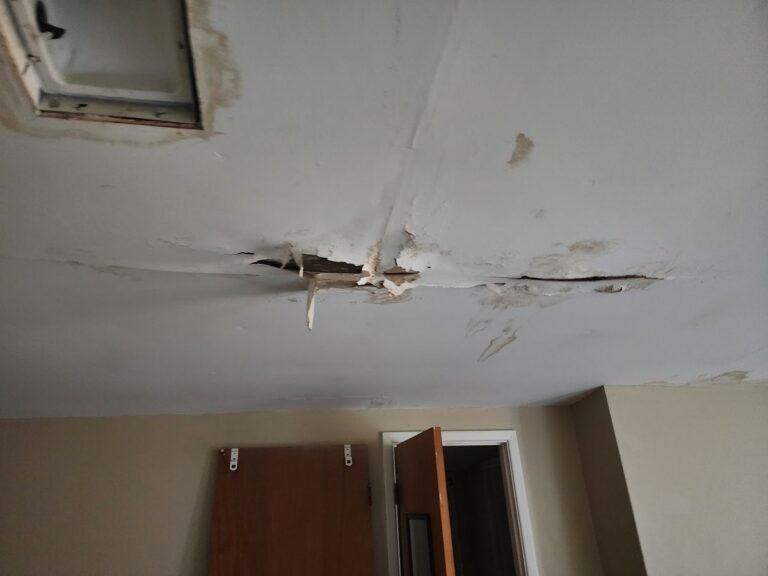
- Relieve pressure by puncturing bulging ceiling spots if needed
- Identify the likely source area
- Apply a temporary external seal (tarp, tape, or sealant)
- Check and clear gutters
- Monitor the area for changes
This structured response can significantly reduce damage and stress.
mistakes that make roof leaks worse
Even with good intentions, some actions can make the situation worse:
Ignoring small leaks
What starts as a minor drip can turn into structural damage, mold growth, and costly repairs.
Using the wrong materials
Not all sealants are weatherproof. Household adhesives won’t hold up against rain and temperature changes.
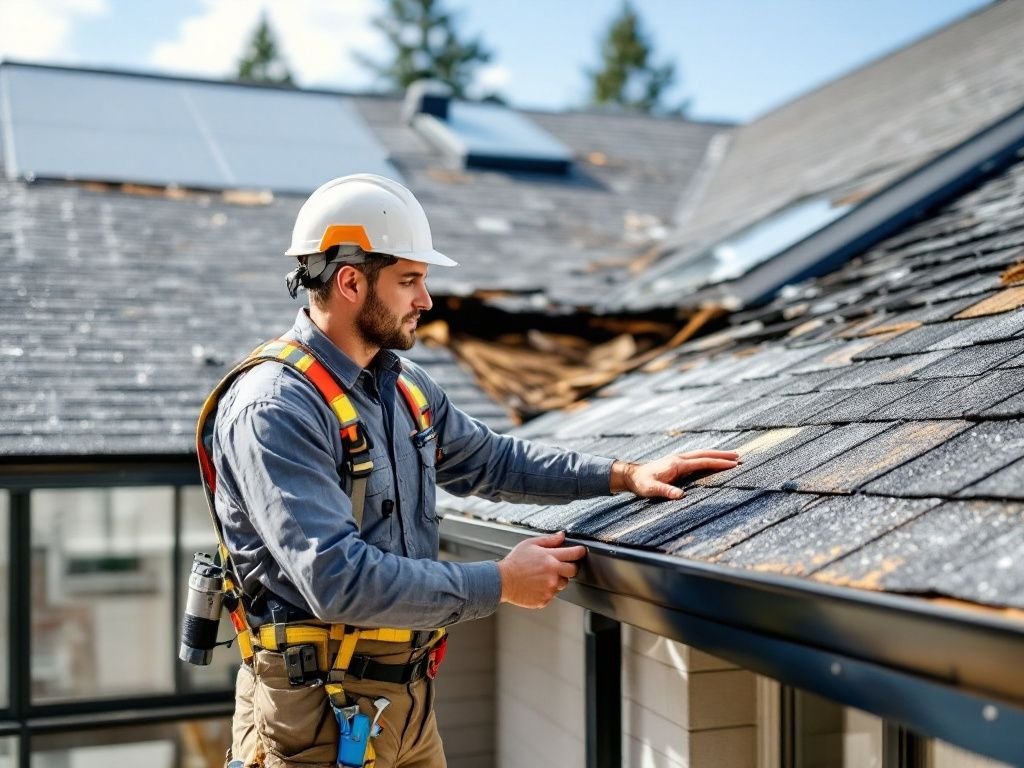
Walking on the roof unsafely
Without proper footing, you risk injury and further damage to shingles.
Over-sealing without fixing the root cause
Covering a leak without addressing the source only delays the problem.
Avoiding these mistakes is just as important as applying the right fixes.
building long-term habits that prevent leaks
Quick fixes are valuable, but long-term maintenance is what keeps your roof reliable.
Here are habits that pay off:
Inspect your roof twice a year
Once before the rainy season and once after.
Clean gutters regularly
Especially during autumn or after storms.
Trim nearby tree branches
Falling debris can damage shingles.
Check attic ventilation
Proper airflow reduces moisture buildup and extends roof life.
Schedule professional inspections
An expert can spot issues you might miss.
These small efforts add up, reducing the chances of sudden leaks.
a real-world scenario: how fast action saved a ceiling
Imagine a homeowner noticing a faint water stain during a storm. Instead of waiting, they climbed into the attic and traced the moisture to a vent pipe.
Within an hour, they applied roofing tape around the base and secured a tarp over the area. The leak stopped immediately. Later, a proper repair was done at a fraction of the cost of replacing damaged drywall and insulation.
The lesson is simple: speed, combined with the right approach, can prevent a small issue from becoming a major repair.
tools every homeowner should keep ready
Preparation makes a big difference. Having these tools on hand can turn a stressful situation into a manageable one:
- Roofing tape or patch kits
- Waterproof sealant
- Heavy-duty tarp
- Ladder with stabilizers
- Gloves and safety gear
- Flashlight for attic inspections
You don’t need professional-grade equipment—just reliable basics that help you act quickly.
understanding when to call a professional
While many leaks can be managed temporarily, some situations require expert help:
- Large or multiple leak points
- Structural damage to the roof deck
- Persistent leaks despite repairs
- Mold growth or severe water damage
Knowing your limits is part of smart maintenance. Quick fixes are valuable, but they’re not a substitute for major repairs when needed.
why speed matters more than perfection
It’s easy to hesitate, especially if you’re unsure about the right solution. But with roof leaks, delay causes more harm than an imperfect fix.
A well-placed tarp or sealant applied quickly can save thousands in repairs. Even if it’s temporary, it buys you time to plan a proper solution.
Think of these tricks as first aid for your roof—stabilizing the situation until full recovery is possible.
frequently asked questions
- how do i know if a roof leak is serious?
If the leak is spreading quickly, causing ceiling bulges, or accompanied by mold or strong odors, it’s serious. Even small leaks can become major if ignored, so early action is always recommended. - can i fix a roof leak myself without experience?
Yes, many minor leaks can be managed with basic tools and materials. However, safety is crucial, and complex issues should be handled by professionals. - how long do temporary fixes last?
Temporary solutions like tarps or sealants can last from a few days to several months, depending on weather conditions and material quality. They are not permanent solutions. - what is the most common cause of roof leaks?
Damaged flashing is one of the most common causes, followed by broken shingles and clogged gutters. - should i replace my roof if it leaks once?
Not necessarily. A single leak doesn’t mean the entire roof needs replacement. Proper inspection will determine whether repair or replacement is needed. - how can i prevent roof leaks during heavy rain?
Regular maintenance is key. Keep gutters clean, inspect flashing and shingles, and reinforce vulnerable areas before the rainy season.
closing thoughts
Roof leaks are one of those problems that feel overwhelming at first—but they don’t have to be. With the right knowledge and a willingness to act quickly, you can control the situation, minimize damage, and even fix smaller issues yourself.
These five tricks aren’t complicated, but they’re powerful because they focus on what matters most: speed, accuracy, and prevention. Whether you’re dealing with an active leak or preparing for the next storm, these strategies give you a practical edge.
In the end, a well-maintained roof isn’t just about protection—it’s about peace of mind.
About the Author