
10 Smart Roof Leak Fix Guide Maintenance Hacks for Homeowners
10 Smart Roof Leak Fix Guide Maintenance Hacks for Homeowners
A leaking roof rarely announces itself politely. It usually shows up as a faint stain on the ceiling, a musty smell after rain, or a quiet drip that grows louder in the silence of the night. For many homeowners, roof leaks feel like an emergency waiting to escalate. Yet, with the right approach, a bit of observation, and some smart maintenance habits, you can not only fix leaks but prevent them from returning.
This guide isn’t just a list of tips. It’s a practical, experience-driven walkthrough of how to think about roof leaks, how to diagnose them without panic, and how to handle them with confidence—even if you’re not a professional.
hack 1: learn to read the early warning signs
Before water starts dripping onto your floor, your home gives you subtle hints. The trick is noticing them early.
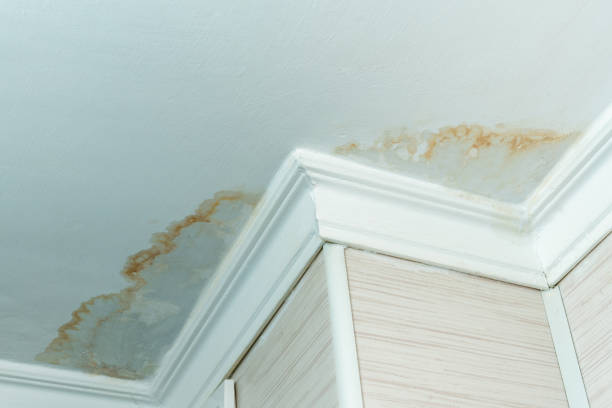
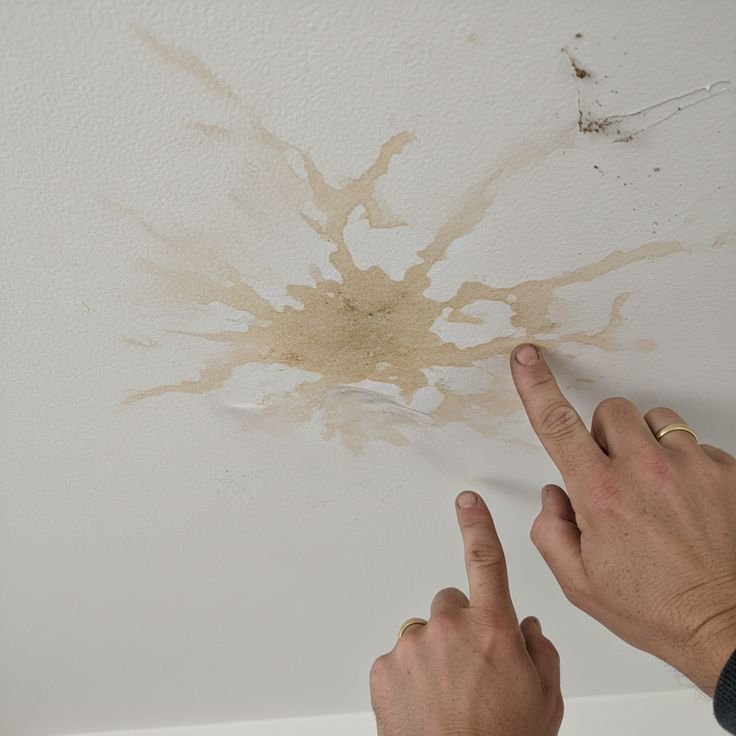
Water stains are the most common sign. They often appear as yellowish or brown rings on ceilings or walls. These marks may seem harmless at first, but they usually indicate a slow, persistent leak. If left unchecked, they grow larger and darker over time.
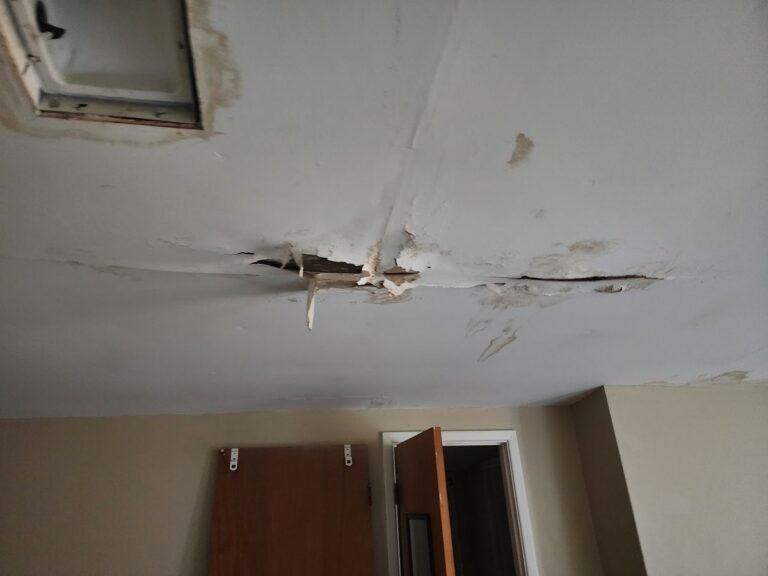
Peeling paint is another overlooked signal. When moisture builds behind a painted surface, it weakens the bond between paint and wall. You may notice bubbling, cracking, or flaking—especially near the top corners of rooms.
A musty smell can be even more telling than visible damage. Damp insulation or wood creates an odor that lingers, especially in closed spaces like attics.
One homeowner once ignored a faint stain in the corner of their bedroom ceiling for months. It didn’t seem urgent—until a heavy rain turned it into a steady drip. By then, insulation was soaked, and repairs were far more costly than they needed to be.
The lesson is simple: early detection saves money, time, and stress.
hack 2: trace the leak to its real source
One of the biggest misconceptions about roof leaks is that the water appears directly below the problem. In reality, water often travels along beams, insulation, or even wiring before it becomes visible.
This means the spot where you see the leak is not always where the roof is damaged.
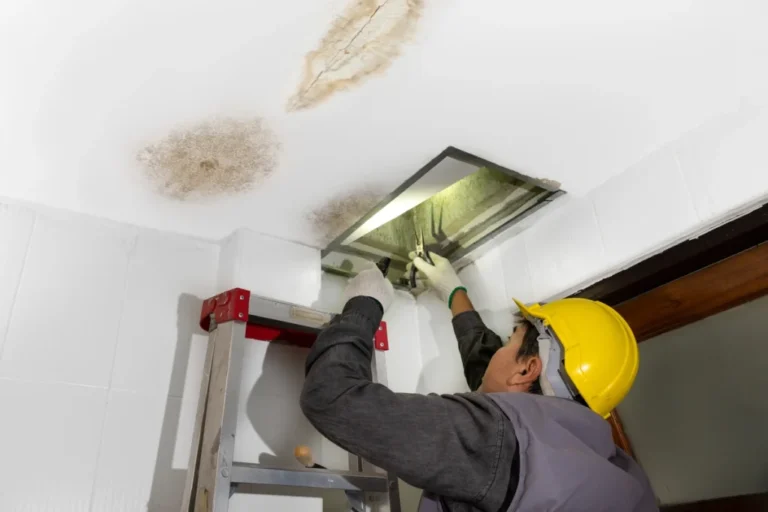
To find the source, start in the attic during daylight. Turn off the lights and look for beams of sunlight coming through small gaps or holes. These openings often reveal where water can enter.
Check for damp insulation or darkened wood. These signs can guide you back to the origin of the leak.
If it’s safe, you can simulate rainfall using a garden hose. Have someone spray water on different sections of the roof while you observe from inside. This controlled method helps pinpoint the exact entry point.
Understanding this principle prevents unnecessary repairs and ensures you fix the actual problem, not just the symptom.

hack 3: fix damaged shingles before they spread trouble
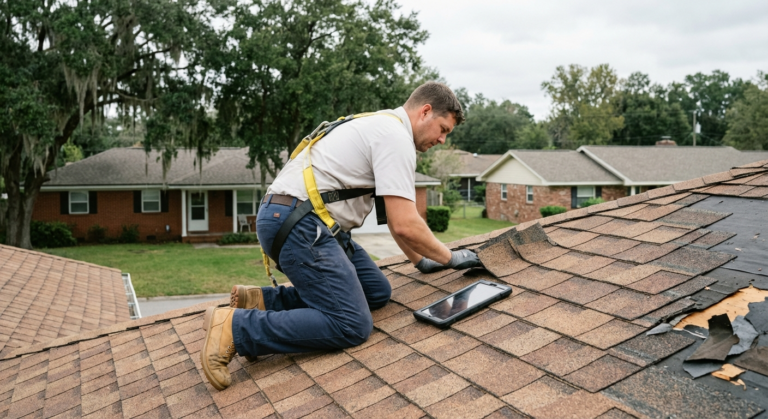
Shingles act as the first line of defense against weather. When they crack, curl, or go missing, the underlying structure becomes vulnerable.
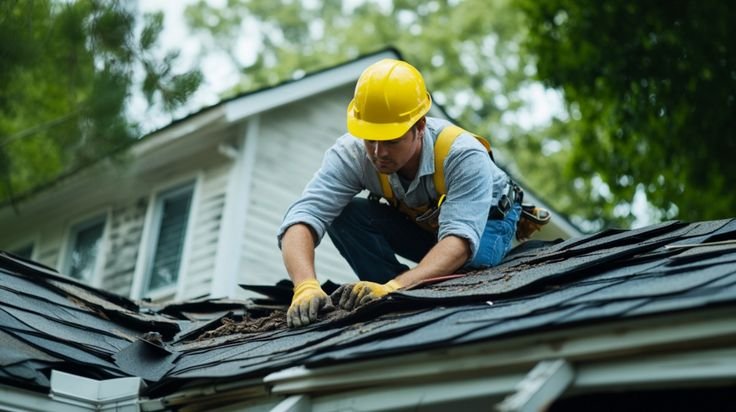
Replacing a single damaged shingle is often straightforward. Carefully lift the surrounding shingles, remove the nails holding the damaged one, and slide in a new shingle of the same type. Secure it properly and seal the edges with roofing cement.
Even a small gap can allow water to seep in during heavy rain or strong winds. Over time, that minor issue can lead to rot, mold, and structural damage.
Regularly inspecting your roof after storms is a habit that pays off. High winds can loosen shingles without completely removing them, making them easy to overlook from the ground.
Think of shingles as armor. When one piece is compromised, the rest becomes more exposed.
hack 4: keep gutters clean and flowing
Clogged gutters are one of the most common and preventable causes of roof leaks.
When leaves, dirt, and debris block the flow of water, gutters overflow. Instead of directing water away from your home, they push it back toward the roof and walls. This standing water can seep under shingles and into the structure.
Cleaning gutters at least twice a year—especially during autumn and after storms—can prevent this issue entirely.
Installing gutter guards can reduce the frequency of cleaning. While they don’t eliminate maintenance, they significantly cut down on debris buildup.
Also, check that downspouts direct water at least a few feet away from your foundation. Poor drainage can create additional problems beyond the roof.
A homeowner once discovered that their “roof leak” was actually caused by a blocked gutter. Once cleaned, the issue disappeared completely.
hack 5: seal flashing gaps before water finds them
Flashing is the thin metal installed around roof features like chimneys, vents, and skylights. Its job is to seal joints and prevent water from entering vulnerable areas.
Over time, flashing can loosen, crack, or corrode. Even a small gap can allow water to slip through.
Inspect these areas carefully. Look for rust, bent edges, or gaps between the flashing and the roof surface.
Applying a high-quality roofing sealant can close minor gaps effectively. For larger issues, replacing the flashing may be necessary.
Pay extra attention after extreme weather. Heavy rain and strong winds can shift flashing without obvious signs.
These small pieces of metal play a big role. Ignoring them is like leaving a window slightly open during a storm.
hack 6: don’t ignore roof valleys
Roof valleys are the areas where two slopes meet. They naturally channel large amounts of water during rainfall, making them particularly vulnerable to leaks.
Debris tends to accumulate in valleys, slowing down water flow and increasing the risk of pooling. Over time, this can wear down shingles and underlayment.
Keep valleys clear of leaves, branches, and dirt. A simple sweep or rinse can make a big difference.
If you notice worn or damaged materials in these areas, address them immediately. Reinforcing valleys with additional waterproof layers can provide extra protection.
Many leaks originate here because homeowners rarely inspect them closely.
hack 7: use temporary fixes wisely during emergencies
Sometimes, leaks happen at the worst possible moment—during a storm or late at night. In these situations, temporary fixes can prevent further damage until proper repairs are possible.
A tarp can be an effective short-term solution. Secure it tightly over the affected area, ensuring it extends beyond the damaged section.
Roofing tape or sealant can also help patch small holes temporarily. These quick fixes are not permanent but can buy you valuable time.
Inside the home, place buckets to catch dripping water and move furniture away from the affected area. Reducing interior damage is just as important as addressing the leak itself.
The key is not to rely on temporary solutions for too long. They are meant to protect, not replace proper repairs.
hack 8: improve attic ventilation and insulation
Many homeowners are surprised to learn that poor ventilation can contribute to roof leaks.
When warm, moist air becomes trapped in the attic, it creates condensation. This moisture can mimic the effects of a leak, damaging insulation and wood over time.
Proper ventilation allows air to circulate, reducing moisture buildup. Ridge vents, soffit vents, and attic fans all play a role in maintaining airflow.
Insulation is equally important. It helps regulate temperature and prevents warm air from rising into the attic.
In colder climates, poor insulation can lead to ice dams—where melting snow refreezes at the edges of the roof, trapping water behind it.
Improving these systems not only prevents leaks but also enhances energy efficiency.
hack 9: inspect after every major weather event
Storms, heavy rain, and strong winds can cause damage that isn’t immediately visible.
After any significant weather event, take the time to inspect your roof. Look for missing shingles, debris buildup, or any unusual changes.
Even if everything appears fine from the ground, a closer look can reveal hidden issues.
Catching damage early prevents it from turning into a leak later.
This habit may seem small, but it creates a proactive approach to roof care—one that saves money and stress in the long run.
hack 10: know when to call a professional
While many roof issues can be handled with basic tools and knowledge, some situations require professional expertise.
If the damage is extensive, involves structural components, or feels unsafe to address, it’s best to seek help.
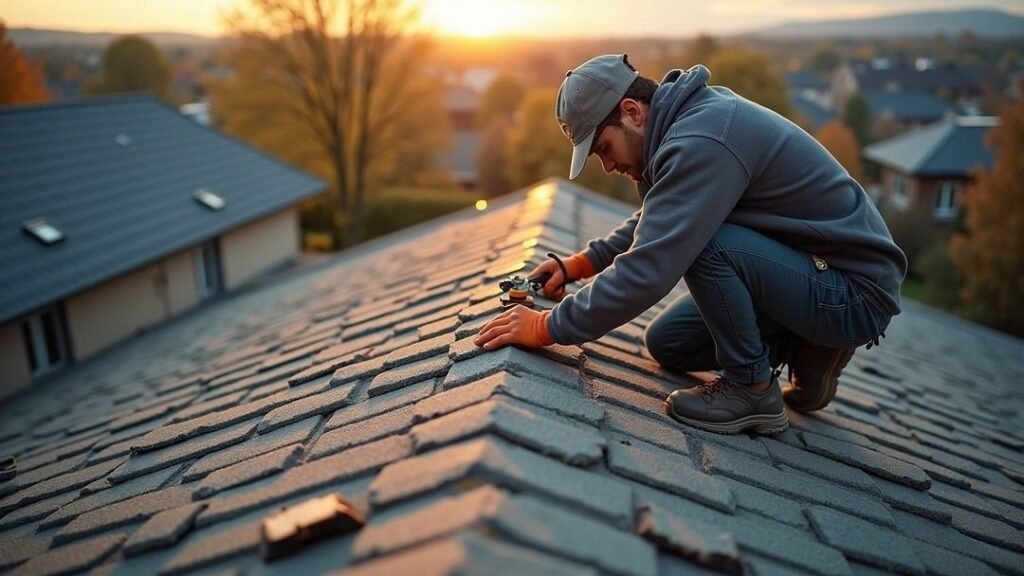
Climbing onto a roof carries risks, especially without proper equipment or experience. Safety should always come first.
Professionals can also identify underlying issues that may not be obvious to an untrained eye.
Knowing your limits isn’t a weakness—it’s a smart decision that protects both your home and your well-being.
bringing it all together
Roof maintenance isn’t about reacting to problems—it’s about preventing them.
By combining regular inspections, timely repairs, and smart habits, you can extend the life of your roof and avoid costly surprises.
Each of these hacks works best when practiced consistently. Together, they create a system of care that keeps your home dry, safe, and comfortable.
A roof leak may start as a small inconvenience, but it has the potential to become a major issue. Taking action early makes all the difference.
frequently asked questions
- how often should i inspect my roof for leaks
It’s a good idea to inspect your roof at least twice a year, typically in spring and autumn. Additionally, check after major storms to catch any damage early. - can i fix a roof leak myself or should i hire a professional
Small issues like replacing a shingle or sealing minor gaps can often be handled by homeowners. However, for larger or complex problems, hiring a professional is safer and more effective. - what is the most common cause of roof leaks
Clogged gutters, damaged shingles, and faulty flashing are among the most common causes. Regular maintenance can prevent most of these issues. - how long can i rely on a temporary fix like a tarp
Temporary fixes should only be used for a short period—typically a few days to a couple of weeks—until proper repairs can be made. - do roof leaks always mean i need a full roof replacement
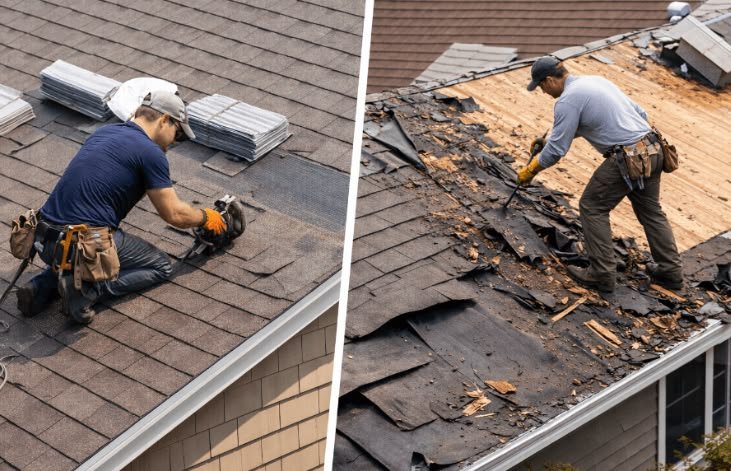
Not necessarily. Many leaks can be fixed with targeted repairs. A full replacement is only needed if the roof is extensively damaged or near the end of its lifespan. - how can i prevent roof leaks in the long term
Consistent maintenance is key. Clean gutters, inspect shingles, check flashing, and ensure proper ventilation. These habits significantly reduce the risk of leaks.
By understanding your roof and giving it regular attention, you turn what feels like a hidden vulnerability into a manageable, predictable part of homeownership.
About the Author