7 Easy Roof Leak Fix Guide Maintenance Tips That Save Money
7 easy roof leak fix guide maintenance tips that save money
A leaking roof has a way of showing up at the worst possible moment—during a heavy rain, late at night, or just when your budget is stretched thin. What starts as a small drip can quietly grow into structural damage, mold growth, and expensive repairs. The good news is that not every roof problem demands a full replacement or a costly contractor visit. With a bit of awareness, basic tools, and consistent maintenance, you can handle many minor leaks yourself and prevent future issues from forming.
This guide walks through seven practical, easy-to-follow roof leak fixes and maintenance habits that not only protect your home but also save money over time. These are not quick gimmicks but reliable strategies rooted in real-world homeowner experience.
understanding the early signs of a roof leak
Before diving into fixes, it helps to recognize the warning signs. Roof leaks rarely announce themselves dramatically at first. Instead, they begin subtly.
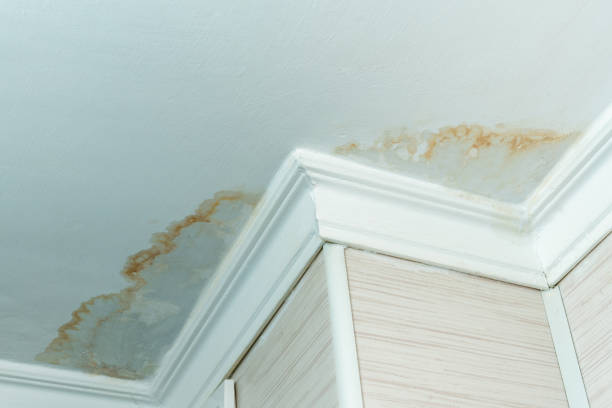
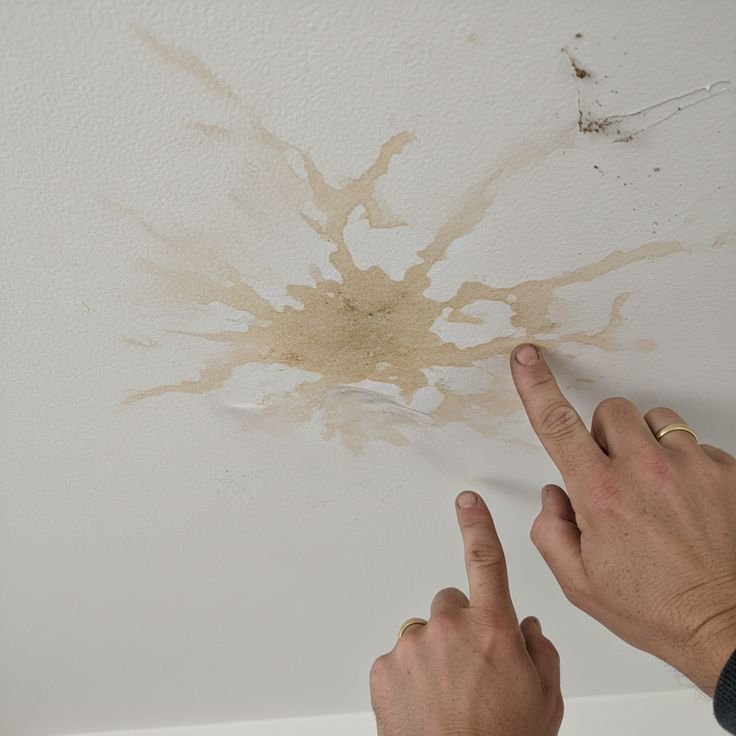
Look for water stains on ceilings or walls, especially those that grow after rainfall. Peeling paint, bubbling plaster, or a musty smell in the attic are also early indicators. In some cases, you may notice missing shingles outside or granules collecting in your gutters.
A simple habit you can adopt:
- Inspect your ceiling corners once a month
- Check the attic after heavy rain
- Notice any unusual dampness or discoloration
Catching a leak early can mean the difference between a quick repair and a full roof overhaul.
tip 1: fix small shingle damage before it spreads
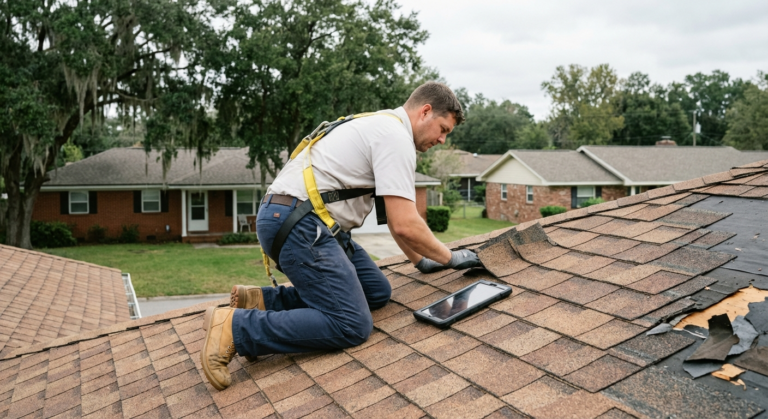
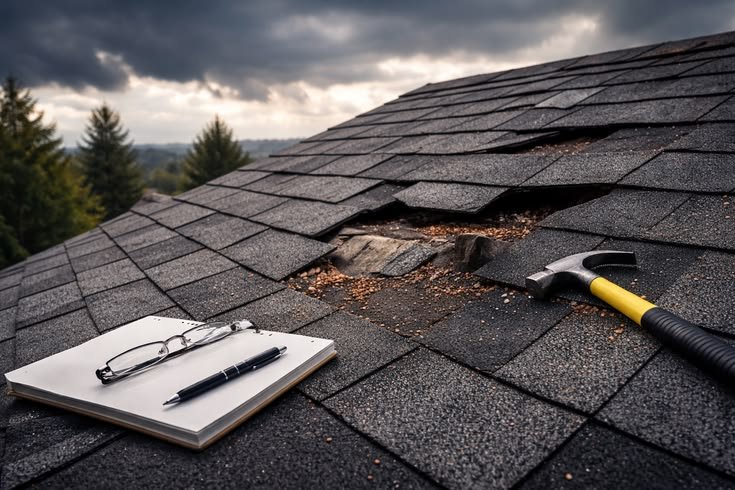
Shingles act as the first line of defense against water. When one or two shingles crack, curl, or go missing, water can slip underneath and begin damaging the roof deck.
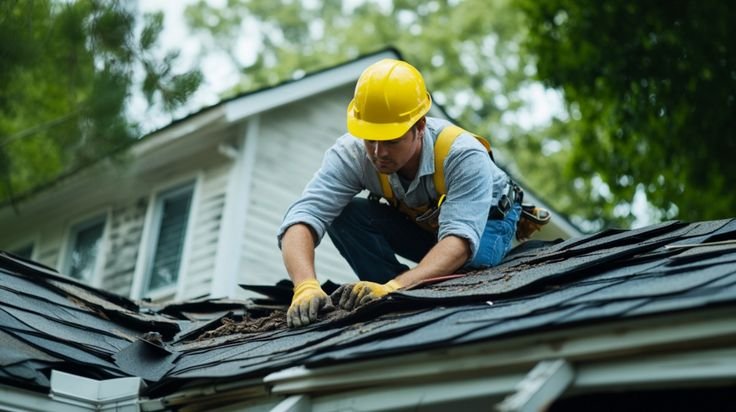
If you spot a damaged shingle, replacing it is often straightforward. Carefully lift the surrounding shingles, remove the nails holding the damaged one, and slide a new shingle into place. Secure it with roofing nails and seal it with roofing adhesive.
For temporary fixes, a bit of roofing cement can seal small cracks and prevent water intrusion until a permanent solution is applied.
Why this saves money:
Small shingle repairs cost very little compared to repairing rotted wood or replacing insulation damaged by leaks.
tip 2: seal roof flashing to stop hidden leaks
Flashing is the thin metal installed around chimneys, vents, skylights, and joints where the roof meets vertical surfaces. These areas are especially vulnerable to leaks because they involve seams.
Over time, flashing can loosen, rust, or develop gaps. Water sneaks in through these tiny openings and travels unseen.
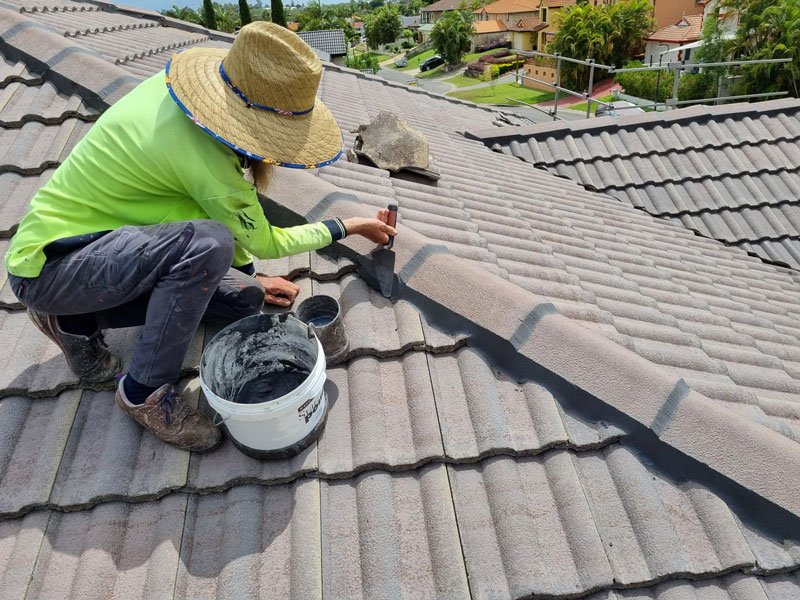
To fix this, inspect the flashing areas and apply roofing sealant to any visible gaps or cracks. If the flashing is severely damaged, replacing the section may be necessary.
A simple checklist for flashing inspection:
- Look around chimneys and vent pipes
- Check for rust or lifted edges
- Seal any visible cracks immediately
Why this saves money:
Flashing leaks are often mistaken for larger roof failures. Fixing them early avoids unnecessary major repairs.
tip 3: keep gutters clean and functional
Clogged gutters are one of the most overlooked causes of roof leaks. When leaves, dirt, and debris block water flow, rainwater backs up and seeps under the roof edges.
Cleaning your gutters regularly is one of the easiest and most effective ways to prevent leaks.
Aim to clean them at least twice a year, especially after autumn when leaves fall heavily.
Basic gutter maintenance routine:
- Remove debris by hand or with a scoop
- Flush gutters with water to ensure flow
- Check downspouts for blockages
You can also install gutter guards to reduce buildup.
Why this saves money:
Water overflow from clogged gutters can damage both your roof and foundation, leading to expensive structural repairs.
tip 4: patch small leaks from the inside temporarily
Sometimes, a leak appears suddenly, and you need a quick fix before you can address it properly. In such cases, patching from the inside can help control damage.
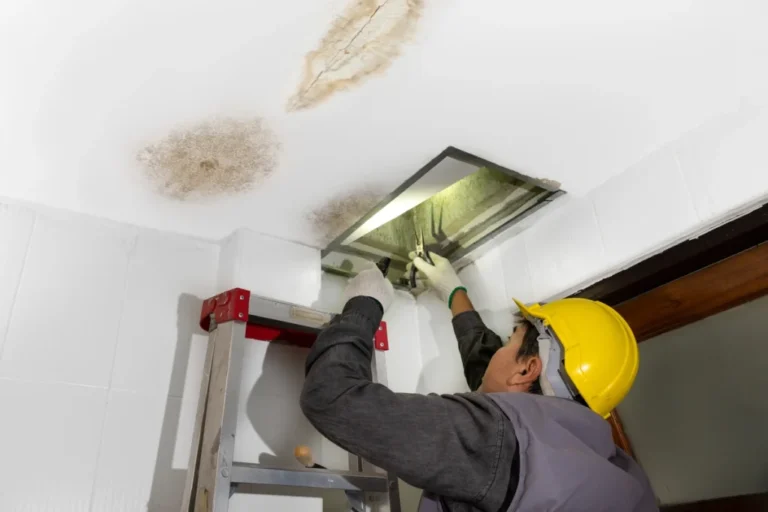
In the attic, locate the source of the drip. Place a container to catch water and dry the surrounding area. Then apply roofing tape or a patch over the leak spot as a temporary barrier.
This is not a permanent solution, but it buys you time until weather conditions allow for exterior repair.
Quick emergency fix kit:
- Roofing tape
- Plastic sheet
- Bucket or container
- Towels or rags
Why this saves money:
Stopping water flow quickly prevents damage to insulation, ceilings, and electrical systems.
tip 5: trim overhanging tree branches
Trees near your home can be both a blessing and a problem. Overhanging branches can scrape against shingles, dislodge them during storms, and drop leaves that clog gutters.
Even worse, falling branches can cause direct damage during high winds.
Keep branches trimmed so they stay at least a few feet away from your roof. This reduces physical wear and limits debris buildup.
A seasonal habit:
- Inspect nearby trees every few months
- Trim weak or dead branches
- Remove branches touching the roof
Why this saves money:
Preventing physical damage is far cheaper than repairing a punctured or broken roof.
tip 6: check and maintain roof vents
Roof vents allow air to circulate in the attic, preventing moisture buildup. However, poorly sealed or damaged vents can become leak entry points.
Inspect vent boots (the rubber or metal coverings around vents) for cracks or wear. Replace them if needed or seal minor gaps with roofing caulk.
Also ensure vents are not blocked, as poor ventilation can lead to condensation, which mimics leaks and causes long-term damage.
Why this saves money:
Maintaining proper ventilation prevents both leaks and moisture-related issues like mold and wood rot.
tip 7: schedule regular roof inspections
Even if everything looks fine, periodic inspections can catch problems before they escalate.
You don’t always need a professional—though it helps occasionally. A basic visual inspection from the ground using binoculars can reveal missing shingles, sagging areas, or debris buildup.
If you’re comfortable and safe doing so, a closer inspection can provide more detail.
A practical inspection plan:
- Quick visual check every month
- Detailed check twice a year
- Professional inspection every few years
Why this saves money:
Preventive maintenance is always cheaper than emergency repairs.
practical maintenance calendar
To make these tips actionable, here’s a simple yearly plan you can follow:
spring
- Inspect shingles after winter
- Clean gutters
- Check flashing
summer
- Trim tree branches
- Inspect vents
- Look for heat-related wear
autumn
- Clean gutters again
- Remove leaves and debris
- Prepare for heavy rain
winter
- Check attic for leaks
- Monitor ice buildup
- Address any urgent issues
keeping a simple log of your inspections and repairs can help you track patterns and plan future maintenance.
tools every homeowner should have
You don’t need a full toolbox, but a few essential items can make roof maintenance easier:
- Roofing sealant or cement
- Replacement shingles
- Hammer and roofing nails
- Ladder with safety support
- Gloves and protective gear
- Flashlight for attic inspections
Investing in these basic tools once can save repeated service costs over time.
when to call a professional
While many small issues can be handled yourself, some situations require expert help.
Consider calling a professional if:
- The leak is widespread or persistent
- There is visible structural damage
- The roof is steep or unsafe to access
- Mold or severe water damage is present
Knowing your limits is part of smart maintenance.
long-term cost benefits of regular maintenance
Homeowners often delay roof maintenance because the problems seem minor or manageable. However, neglect tends to multiply costs over time.
A small leak can damage insulation, weaken wooden structures, and create mold issues that affect health. Repairing all of this can cost many times more than fixing the initial problem.
On the other hand, consistent care:
- Extends roof lifespan
- Reduces emergency repairs
- Maintains property value
- Improves energy efficiency
In simple terms, a little effort today prevents major expenses tomorrow.
real-life perspective: the cost of ignoring a small leak
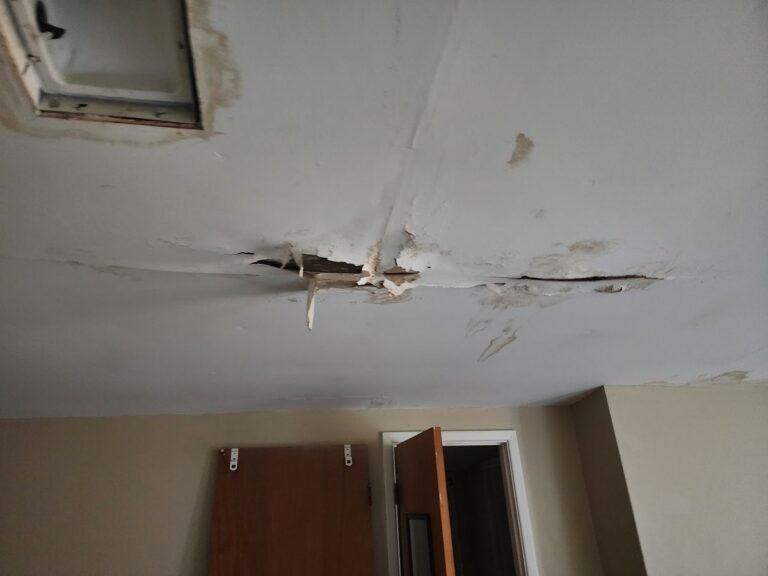
Imagine noticing a faint water stain on your ceiling but choosing to ignore it. Weeks pass, and the stain grows. Rainwater continues seeping in, soaking insulation and weakening beams.
Eventually, part of the ceiling collapses, requiring not just roof repair but interior renovation as well.
Now compare that to sealing a small crack early for a minimal cost.
This contrast highlights the importance of timely action.
common mistakes to avoid
Even with good intentions, homeowners sometimes make mistakes that worsen the situation.
Avoid these:
- Using temporary fixes as permanent solutions
- Ignoring attic inspections
- Walking on the roof without proper safety
- Delaying repairs during dry weather
- Overlooking small signs of damage
Awareness of these pitfalls can help you make better decisions.
final thoughts
Roof maintenance doesn’t have to be complicated or expensive. With a proactive mindset and a few simple habits, you can prevent most common leaks and extend the life of your roof significantly.
The key is consistency. Small, regular checks and timely fixes are far more effective than waiting for a major issue to appear.
Think of your roof as a system that protects everything beneath it. Taking care of it is not just about saving money—it’s about protecting your home, your comfort, and your peace of mind.
frequently asked questions
- how often should i check my roof for leaks?
It’s best to do a quick visual check once a month and a more detailed inspection twice a year. Always inspect after heavy storms. - can i fix a roof leak myself without experience?
Yes, small leaks like cracked shingles or minor flashing gaps can often be fixed with basic tools and guidance. However, larger issues should be handled by professionals. - what is the most common cause of roof leaks?
Clogged gutters, damaged shingles, and faulty flashing are among the most common causes. - are temporary fixes reliable?
Temporary fixes can help prevent damage in emergencies, but they should always be followed by a permanent repair as soon as possible. - how do i know if the leak is serious?
If the leak spreads quickly, appears in multiple areas, or causes structural damage, it’s likely serious and needs professional attention. - does regular maintenance really save money?
Absolutely. Preventive care reduces the chances of major repairs, extends the lifespan of your roof, and protects your home from costly damage.
About the Author