5 Essential Roof Leak Fix Guide Lessons From My First Leak
5 Essential Roof Leak Fix Guide Lessons From My First Leak
I still remember the exact moment the first drop fell. It wasn’t dramatic. No thunderclap, no ceiling collapse, no cinematic disaster. Just a quiet, stubborn drip that landed on the corner of my desk one late evening. At first, I ignored it. Maybe it was condensation, I thought. Maybe I had imagined it. But then came the second drop, and the third, and suddenly, I was staring at a problem that had likely been growing above my head for weeks.
That first leak taught me more than any manual ever could. It wasn’t just about patching a hole or climbing a ladder. It was about observation, patience, and understanding how small issues quietly evolve into expensive repairs. If you’ve never dealt with a roof leak, consider yourself lucky—but also unprepared. And if you have, you’ll probably recognize parts of your own story in mine.
Below are five essential lessons I learned from that first experience. They aren’t just instructions; they’re lived moments, mistakes, realizations, and small victories that shaped how I now approach roof maintenance and repairs.
lesson one: a leak is never just a leak
The biggest mistake I made in the beginning was assuming the problem was simple. Water was coming from one spot, so naturally, I thought the issue existed directly above it. That assumption cost me time and nearly led to more damage.
Water is deceptive. It travels. It seeps along beams, slides under shingles, and follows the path of least resistance. By the time it becomes visible inside your home, it has often taken a long, winding journey.
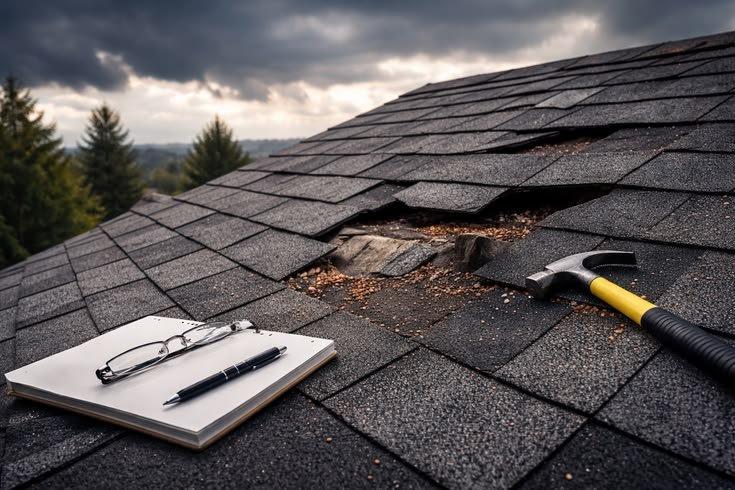
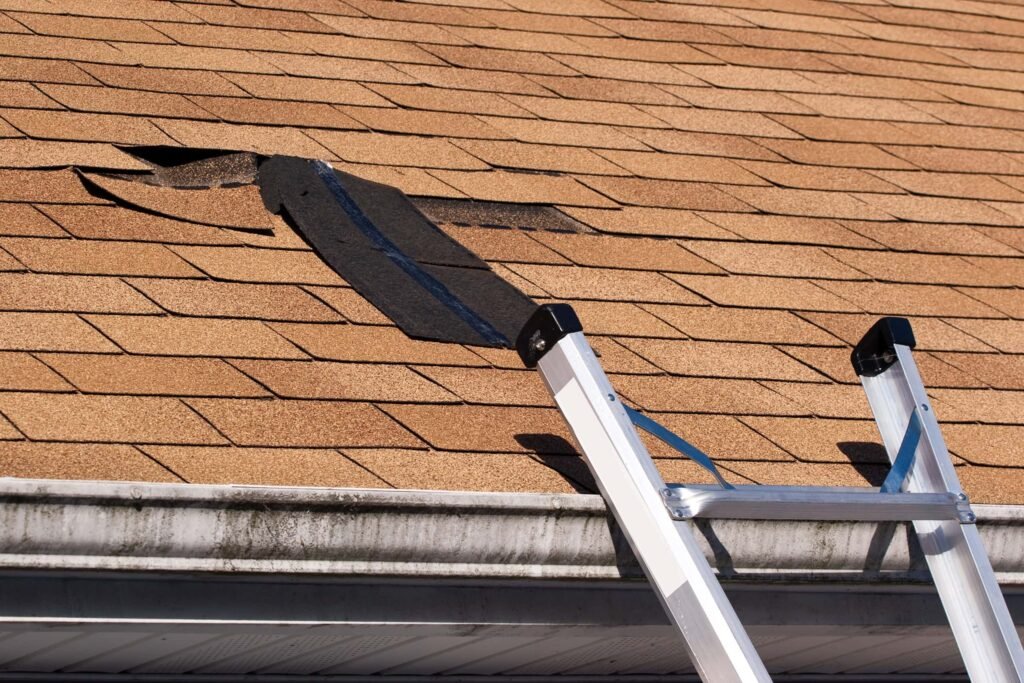
When I finally climbed up to inspect the roof, I was surprised to find that the damaged area wasn’t directly above the drip. It was offset by several feet, where a section of flashing had loosened. Rainwater had been slipping in there, then traveling along the wooden structure before finally dripping down into my room.
This changed my entire approach. I stopped thinking in terms of “where is the water showing?” and started asking “where is the water entering?”
A simple way to shift your thinking is this:
Interior symptom → Trace backward → Exterior source
That small mental adjustment can save hours of guesswork.
I also learned to look for subtle signs:
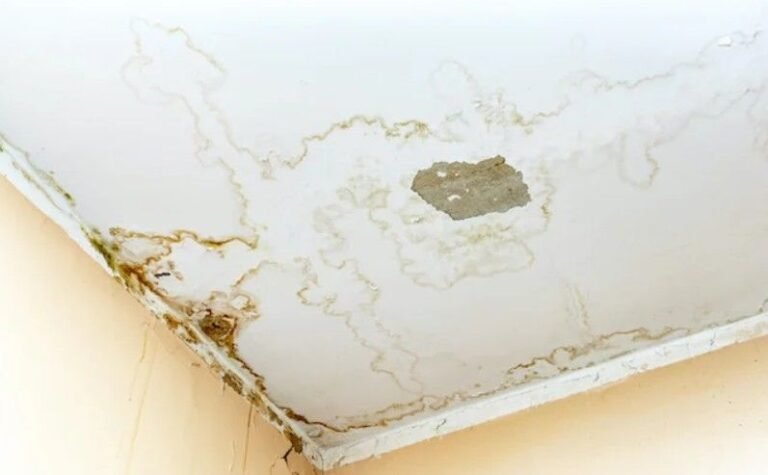
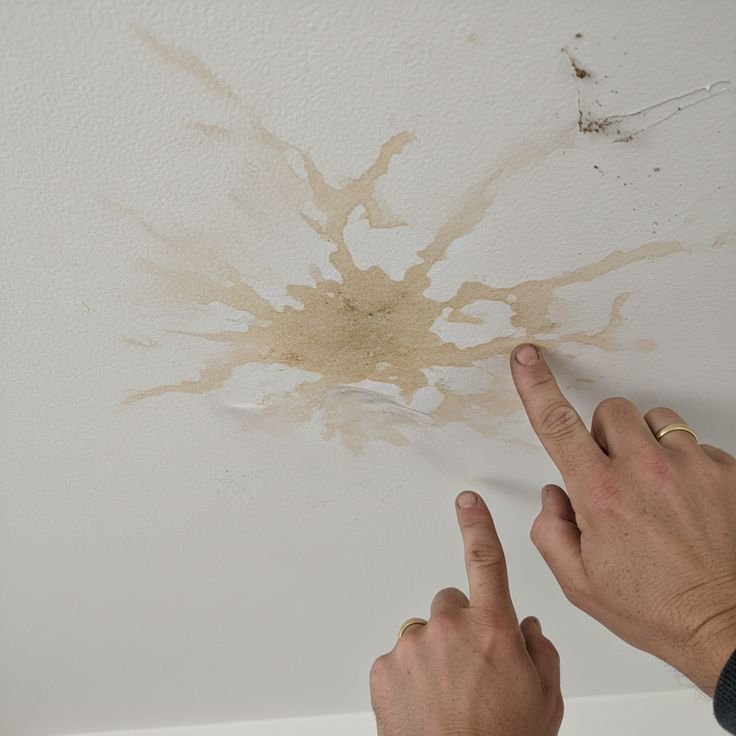
- Slight discoloration on ceilings
- A faint musty smell
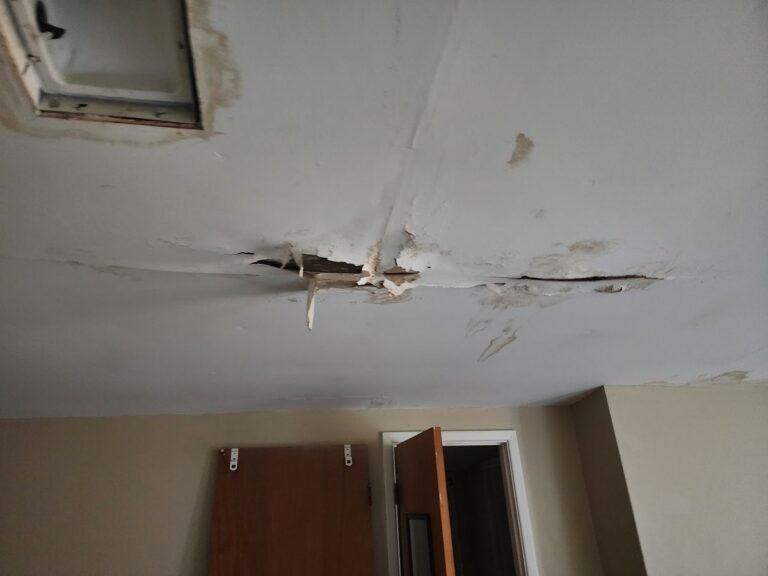
- Paint that bubbles or peels
- Warped wood or soft drywall
These are early warnings. A leak rarely announces itself loudly at first. It whispers.
lesson two: temporary fixes are not solutions
In the panic of that first night, I did what most people do. I grabbed whatever I could find—tape, plastic sheets, even an old towel—and tried to stop the drip. And to be fair, it worked… for a few hours.
But temporary fixes have a way of giving you false confidence. They buy time, not resolution.
The next morning, I applied a quick patch using a sealant I found in the garage. It looked solid. I even felt proud of myself. For a week, everything seemed fine. Then the rain returned, and so did the leak—worse than before.
What I hadn’t realized was that I had only sealed the visible gap without addressing the underlying issue. Moisture had already seeped deeper into the structure, and my quick fix had trapped it there, allowing the problem to spread.
That experience taught me an important distinction:
Emergency response is not repair.
Emergency response is what you do to prevent immediate damage—placing a bucket, covering an area, diverting water. Repair is what you do after you’ve properly diagnosed the cause.
If you’re dealing with a leak, it helps to separate your actions into two phases:
Phase 1: Contain
- Catch dripping water
- Protect furniture and flooring
- Reduce immediate damage
Phase 2: Correct
- Identify the source
- Remove damaged materials if necessary
- Apply a lasting fix
Skipping the second phase—or rushing it—almost guarantees the problem will return.
lesson three: the roof is a system, not a surface
Before my first leak, I thought of the roof as a simple barrier. Shingles on top, wood underneath, and that was it. But once I started digging into the problem, I realized how wrong that was.
A roof is a system. Every component works together to keep water out and regulate temperature inside. When one part fails, it affects everything else.
Here are a few elements I became familiar with during that process:
Shingles: The outer layer that sheds water.
Flashing: Thin metal pieces that seal joints and edges.
Underlayment: A protective barrier beneath the shingles.
Gutters: Channels that direct water away from the roof.
Ventilation: Openings that allow heat and moisture to escape.
In my case, the issue wasn’t the shingles themselves—it was the flashing near a joint. But because I didn’t understand how these components interacted, I initially overlooked it.
Understanding the system changed how I inspected the roof. Instead of scanning randomly, I began following a pattern:
Start at the highest point → Move downward → Check transitions and joints → Inspect edges and drainage
This methodical approach made it easier to spot irregularities.
I also realized that problems often occur at points of transition:
- Where the roof meets a wall
- Around chimneys or vents
- At valleys where two slopes intersect
These areas require extra attention because they handle more water flow and are more prone to wear.
lesson four: prevention is quieter—and cheaper—than repair
After fixing the leak, I made a promise to myself: I wouldn’t wait for the next drip to take action.
Prevention doesn’t feel urgent. There’s no immediate reward, no dramatic before-and-after moment. But over time, it makes all the difference.
I started with simple habits:
Regular visual checks
After every heavy rain, I would take a quick look at the ceiling and attic. Not a full inspection—just a glance to catch anything unusual.
Gutter cleaning
Clogged gutters were something I had ignored for years. Once I cleaned them out, I realized how much debris had been blocking water flow. Overflowing gutters can push water back onto the roof, increasing the risk of leaks.
Trimming nearby branches
Overhanging branches can scrape against shingles and drop debris that traps moisture. Keeping them trimmed reduced wear and improved airflow.
Checking seals and joints
Every few months, I would inspect areas around vents and edges to ensure nothing had loosened.
These actions don’t take much time individually, but together, they create a strong line of defense.
One of the most valuable insights I gained was this:
Maintenance is not about fixing problems—it’s about reducing the chance of them forming.
lesson five: patience matters more than tools
At one point during the repair, I became frustrated. I had the materials, I had watched tutorials, and yet the problem persisted. That frustration pushed me to rush, to skip steps, to assume instead of verify.
And every time I did that, I made things worse.
Eventually, I slowed down. I took the time to observe carefully, to test small sections, to double-check my work. That shift in mindset made the difference.
Roof repair isn’t just physical—it’s analytical. You’re solving a puzzle where the pieces aren’t always visible.
Here’s what patience looked like in practice:
Testing with water
After applying a fix, I didn’t just assume it worked. I simulated rain by gently pouring water over the area and observing the results.
Working in sections
Instead of trying to fix everything at once, I focused on one small area at a time. This made it easier to identify what was actually working.
Waiting for proper conditions
Trying to repair a roof in poor weather or low light is a recipe for mistakes. Waiting for the right moment improved both safety and accuracy.
The tools matter, of course. But without patience, even the best tools won’t deliver good results.
a simple checklist I wish I had earlier
If I could go back to that first night, I would hand myself a small checklist:
- Confirm the leak location inside
- Trace the potential path of water
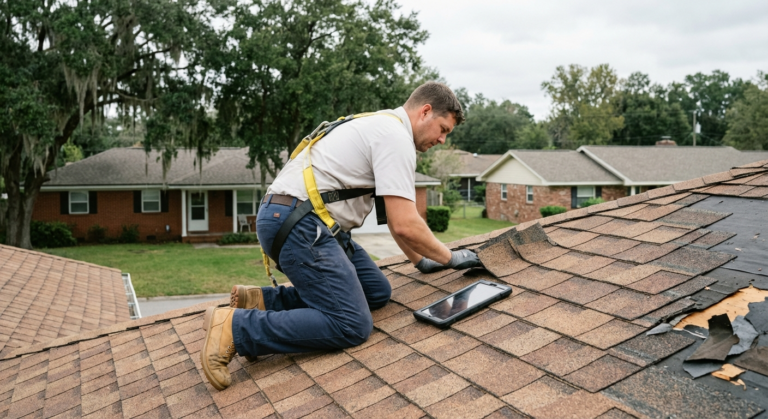
- Inspect the roof systematically
- Identify the true entry point
- Apply a temporary containment method
- Plan and execute a proper repair
- Test the fix before considering it complete
It’s not complicated, but having a clear sequence removes a lot of uncertainty.
what I would do differently today
Experience changes your instincts. If I faced the same situation now, I would approach it with more calm and clarity.
I wouldn’t panic at the first sign of water. I would document it, observe patterns, and gather information before acting.
I would also involve a second perspective sooner. Sometimes, another set of eyes can spot what you’ve missed.
And perhaps most importantly, I would respect the problem. A small leak might seem insignificant, but it has the potential to grow quietly and steadily if ignored.
frequently asked questions
What is the first thing I should do when I notice a roof leak?
Start by containing the water. Place a bucket or container under the drip and move any valuables away from the area. Once immediate damage is controlled, begin investigating the source.
Can I fix a roof leak myself, or should I call a professional?
It depends on the severity and your comfort level. Minor issues like small gaps or loose flashing can often be handled with basic tools. However, extensive damage or structural concerns are best left to professionals.
How can I tell where the leak is coming from?
Look for signs in the attic or ceiling, then trace upward and outward. Remember that water can travel, so the entry point may not be directly above the visible drip.
Are roof leaks always visible right away?
No. Many leaks start small and remain hidden for weeks or months. Early signs include stains, odors, and slight changes in texture on ceilings or walls.
How often should I inspect my roof?
A general rule is to check it at least twice a year, as well as after major storms. Regular inspections help catch issues before they become serious.
What materials are best for quick temporary fixes?
Waterproof tarps, roofing tape, and sealants can be useful for short-term solutions. Just remember that these are temporary and should be followed by a proper repair.
closing thoughts
That first leak was inconvenient, frustrating, and at times overwhelming. But it was also a turning point. It forced me to understand something I had taken for granted and taught me how to approach problems with more awareness.
Roofs don’t fail overnight. They wear down gradually, influenced by weather, time, and neglect. Paying attention—really paying attention—is the most valuable skill you can develop.
If there’s one thing I hope you take from this, it’s this:
A leak is not just water—it’s information. It’s your home telling you something needs attention.
Listen early, act carefully, and you’ll save yourself a lot of trouble down the line.
About the Author