
6 Secret Roof Leak Fix Guide Tricks I Wish I Knew Earlier
6 secret roof leak fix guide tricks I wish I knew earlier
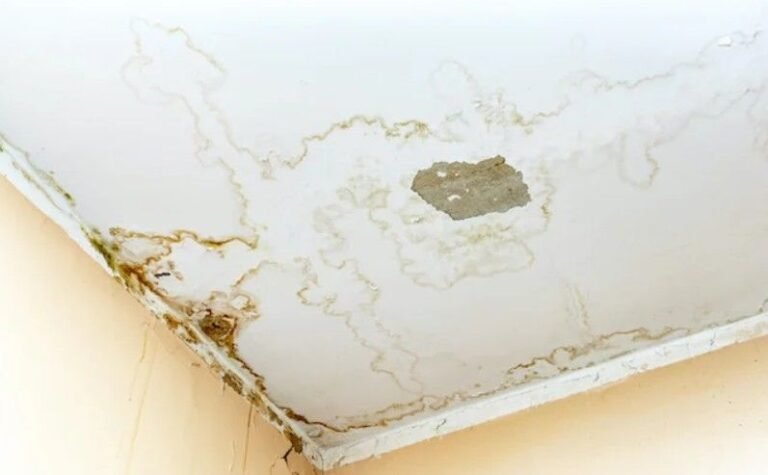
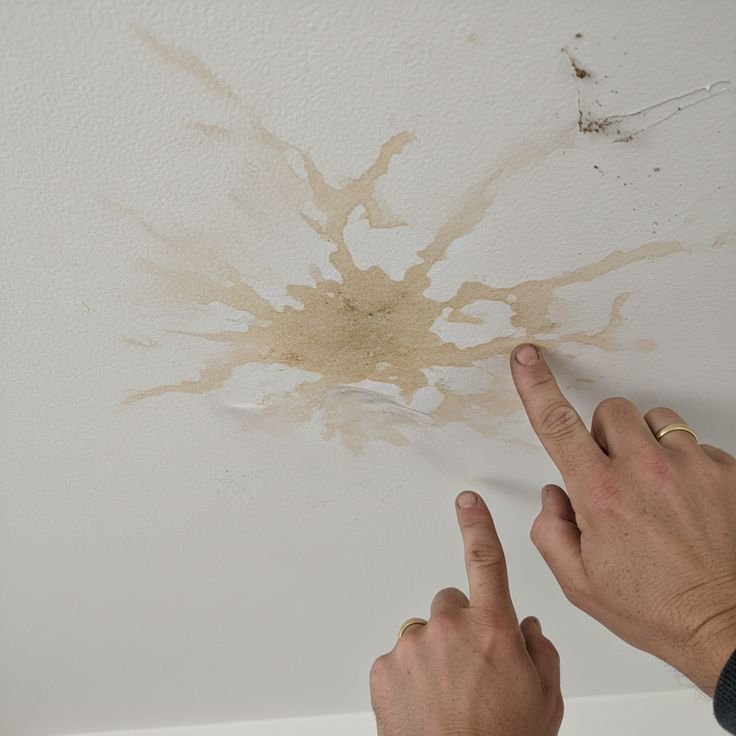
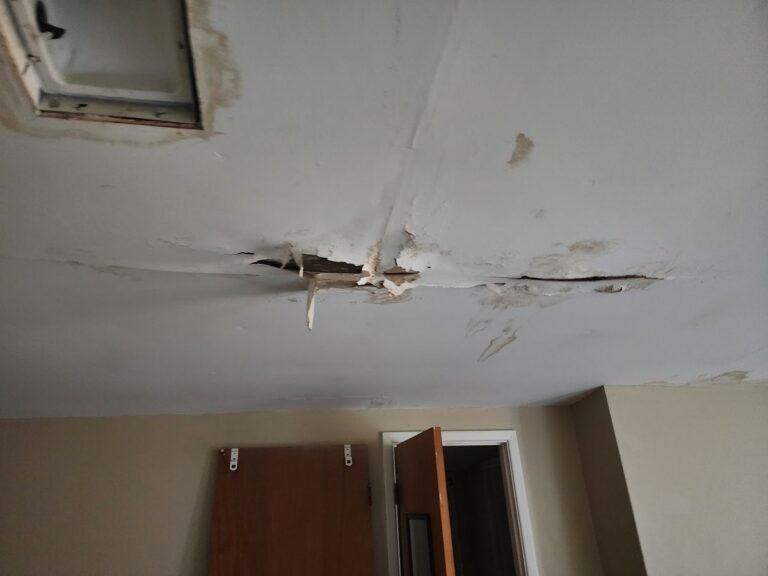
I still remember the first time I noticed a faint brown stain spreading across my ceiling. It didn’t look like much at first—just a small, uneven patch that could easily be ignored. But like most home problems, what starts quietly often grows loudly. Within a few weeks, that tiny stain turned into a slow drip during rainstorms, and suddenly I found myself scrambling with buckets, towels, and a growing sense of regret.
If you’ve ever dealt with a leaking roof, you already know: it’s never just about the water. It’s about the stress, the unexpected costs, the disruption to your daily life. And more than anything, it’s about wishing you had known a few simple tricks earlier—small things that could have saved time, money, and a lot of frustration.
This guide isn’t just a list of instructions. It’s a collection of lessons learned the hard way, practical fixes tested over time, and insights that don’t always make it into traditional manuals. Think of it as advice from someone who’s been there—standing under a drip at 2 a.m., wondering how things got this far.
Let’s walk through six secret tricks that can make a real difference when it comes to fixing and preventing roof leaks.
trick one: trace the leak backwards, not forwards
Most people instinctively look directly above a leak to find its source. It seems logical—water drips down, so the problem must be right above the stain. But roofs don’t work that way.
Water is sneaky. It travels along beams, insulation, and even nails before it finally shows itself. By the time you see a drip inside your home, the actual entry point could be several feet away.
The first time I tried to fix a leak, I patched the exact spot above the ceiling stain. It felt like a victory—until the next rainstorm proved me wrong. The leak persisted because I had missed the real source.
What works better is tracing the path backwards. Start inside your attic, if you have access. Look for damp insulation, water trails, or darkened wood. Follow those signs upward and outward. Often, you’ll find the true entry point near roof joints, flashing, or damaged shingles.
It takes a bit more time, but it’s the difference between a temporary fix and a lasting solution.
trick two: use water testing to pinpoint stubborn leaks
Some leaks only show up during heavy rain, making them hard to track. You might inspect your roof on a dry day and find nothing obvious. That’s where controlled water testing comes in.
This trick feels almost too simple, but it’s incredibly effective. With a helper, use a garden hose to simulate rainfall on specific sections of your roof. Start low and work your way up, soaking one area at a time.
Meanwhile, someone inside watches for signs of water entering. The moment a drip appears, you’ve narrowed down the problem area.
The key here is patience. Don’t rush from one section to another. Give each area a few minutes. Water takes time to travel, and moving too quickly can confuse the results.
This method helped me identify a tiny crack near a vent—something I would have never spotted by visual inspection alone.
trick three: temporary fixes can buy you valuable time
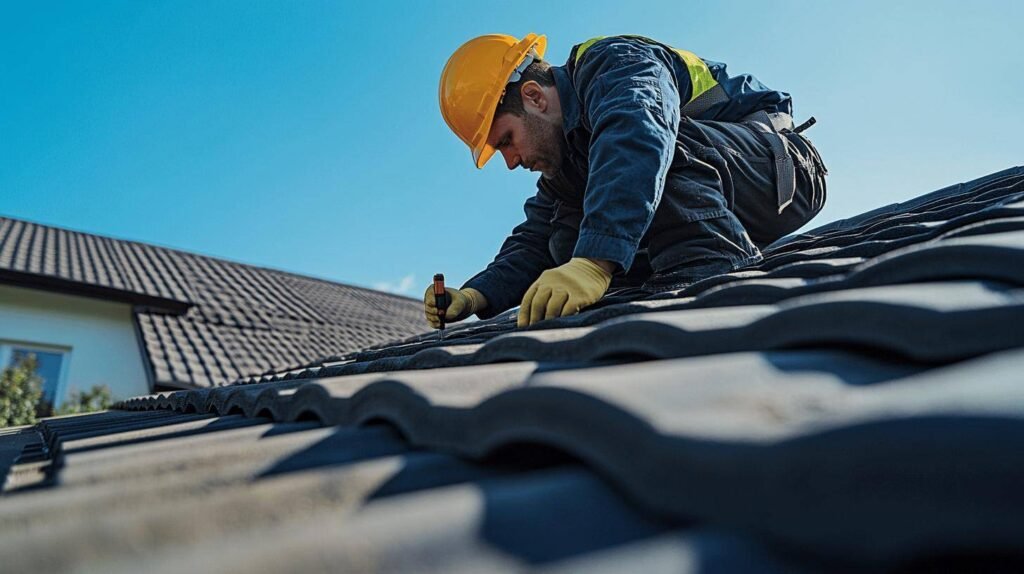
Not every leak can be fixed immediately. Maybe the weather isn’t cooperating, or you don’t have the right materials on hand. In those moments, knowing how to apply a temporary fix can prevent further damage.
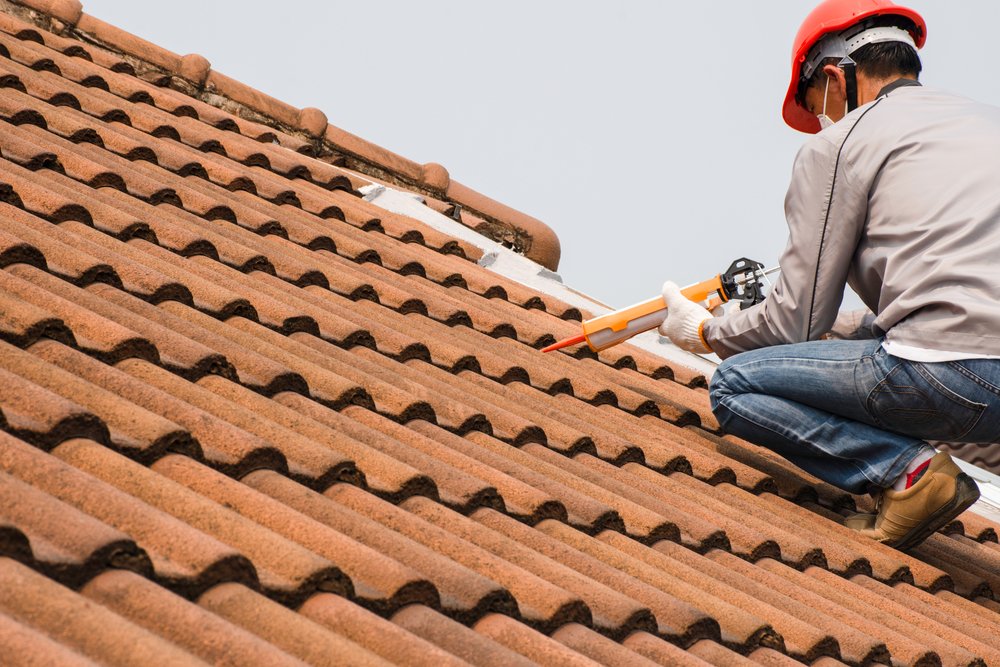
One of the simplest solutions is using roofing tape or a waterproof sealant. These products can create a quick barrier over small cracks or holes. They’re not meant to last forever, but they can hold up surprisingly well until you’re ready for a permanent repair.
Another underrated trick is using a tarp. If a large section of your roof is compromised, securing a tarp over the area can keep water out during storms. It’s not pretty, but it works.
I once relied on a tarp for nearly two weeks during a stretch of bad weather. It wasn’t ideal, but it protected my home long enough to plan a proper fix.
The lesson here is simple: don’t underestimate temporary solutions. They can be the difference between a minor issue and major structural damage.
trick four: flashing is often the real culprit
When people think about roof leaks, they usually blame shingles. And while damaged shingles can certainly cause problems, they’re not always the main issue.
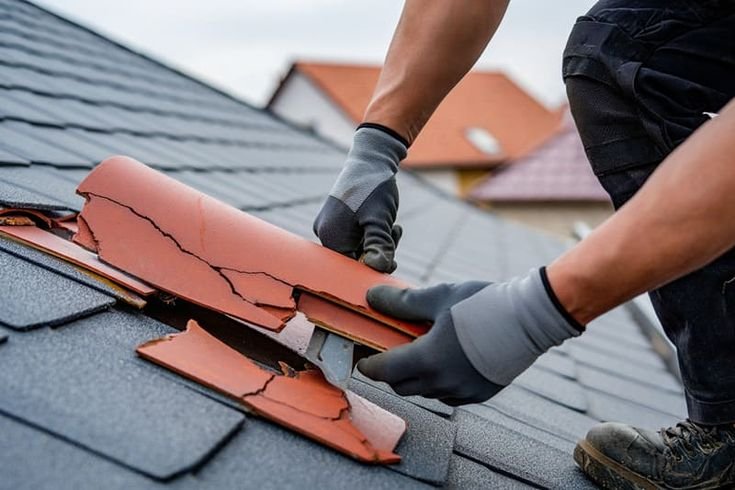
Flashing—the thin metal installed around roof features like chimneys, vents, and skylights—is often the weak point. Over time, flashing can loosen, crack, or corrode, creating small gaps where water can seep in.
What makes flashing tricky is that the damage isn’t always obvious. A slight bend or a tiny gap can be enough to cause a leak.
After struggling with recurring leaks, I finally took a closer look at the flashing around my chimney. Sure enough, there was a small separation where the metal met the brick. A bit of sealant fixed the problem instantly.
If you’re dealing with a persistent leak, don’t just focus on shingles. Inspect the flashing carefully. It might be the hidden cause you’ve been overlooking.
trick five: maintenance is more powerful than repair
This might not sound like a “fix” trick, but it’s one of the most important lessons I’ve learned. The best way to deal with roof leaks is to prevent them in the first place.
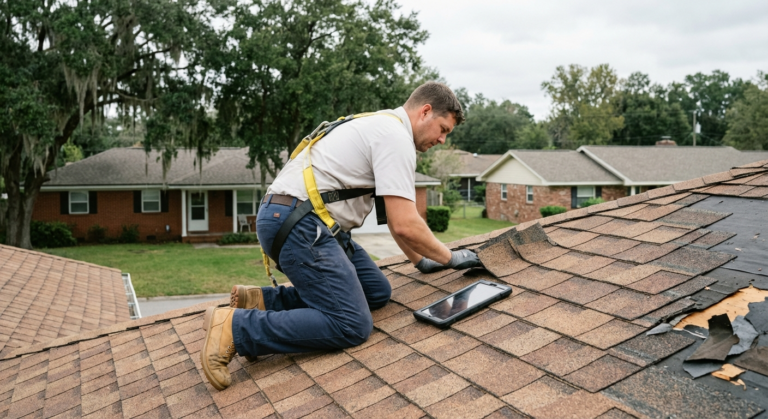
Regular maintenance can catch small issues before they turn into big problems. Cleaning gutters, removing debris, and inspecting your roof after storms can make a huge difference.
Clogged gutters, for example, can cause water to back up and seep under shingles. It’s a simple issue, but one that’s often ignored until it leads to leaks.
I used to think maintenance was optional—something to do when I had extra time. Now I see it differently. It’s an investment in peace of mind.
Even a quick visual check every few months can help you spot early warning signs and take action before damage spreads.
trick six: know when to call for help
There’s a certain satisfaction in fixing things yourself. But not every roof problem is a DIY project, and knowing your limits can save you from costly mistakes.
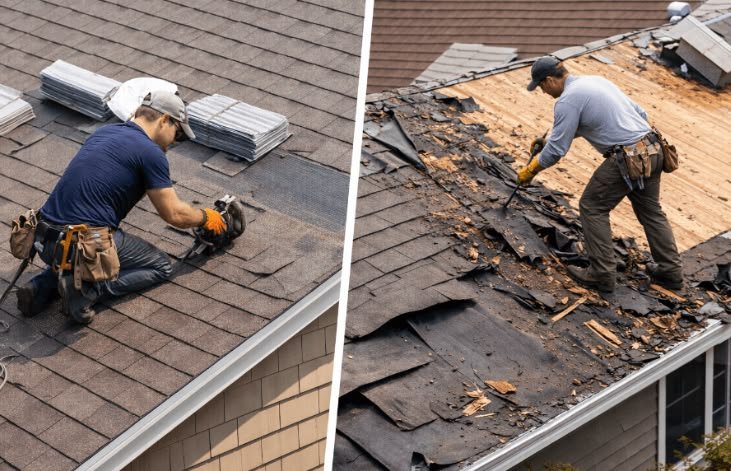
If you’re dealing with extensive damage, structural issues, or leaks that you can’t trace, it might be time to bring in a professional. They have the tools, experience, and perspective to handle complex situations.
I learned this the hard way after attempting a repair that ended up making things worse. What could have been a simple fix turned into a larger, more expensive project.
Calling for help isn’t a failure. It’s a smart decision when the situation calls for it.
Sometimes, the best trick is recognizing when it’s time to step back and let someone else take over.
bringing it all together
Roof leaks have a way of teaching lessons you never expected to learn. They force you to pay attention, to think creatively, and to appreciate the value of preparation.
Looking back, I realize that most of the stress I experienced could have been avoided with a bit of knowledge and a proactive approach. These six tricks aren’t complicated, but they’re powerful in their simplicity.
They remind us that fixing a roof isn’t just about materials and tools. It’s about understanding how things work, being patient in the process, and staying one step ahead of potential problems.
If you’re dealing with a leak right now, take a breath. It might feel overwhelming, but with the right approach, it’s manageable. And if you’re not facing one yet, consider this your opportunity to prepare.
Because when it comes to roofs, what you don’t know can cost you—but what you learn can save you.
frequently asked questions
what is the most common cause of roof leaks
The most common cause is damaged or missing shingles, but issues with flashing, clogged gutters, and worn sealant around vents and chimneys are also frequent contributors.
can i fix a roof leak myself without professional help
Yes, small leaks and minor damage can often be fixed with basic tools and materials. However, larger or more complex issues may require professional assistance to ensure a proper and lasting repair.
how long do temporary roof leak fixes last
Temporary fixes like sealants or tarps can last anywhere from a few days to several weeks, depending on weather conditions and the severity of the damage. They should always be followed by a permanent repair.
how can i tell if my roof is leaking if i don’t see water
Signs include water stains on ceilings, peeling paint, mold growth, and a musty smell in the attic. These indicators often appear before visible dripping occurs.
how often should i inspect my roof for potential leaks
It’s a good idea to inspect your roof at least twice a year, as well as after major storms. Regular checks help identify and address small problems early.
does insurance cover roof leak repairs
It depends on the cause of the leak. Damage from sudden events like storms is often covered, while issues resulting from neglect or lack of maintenance may not be included in your policy.
About the Author