6 Fast Roof Leak Fix Guide Methods to Keep Your Roof Leak-Free
6 Fast Roof Leak Fix Guide Methods to Keep Your Roof Leak-Free
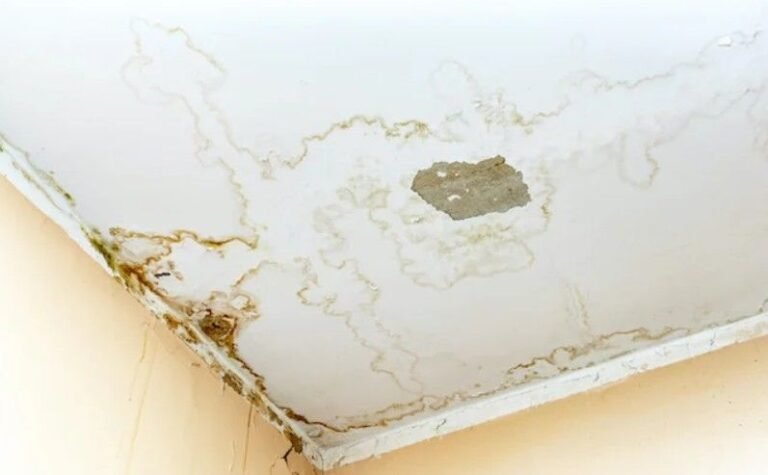
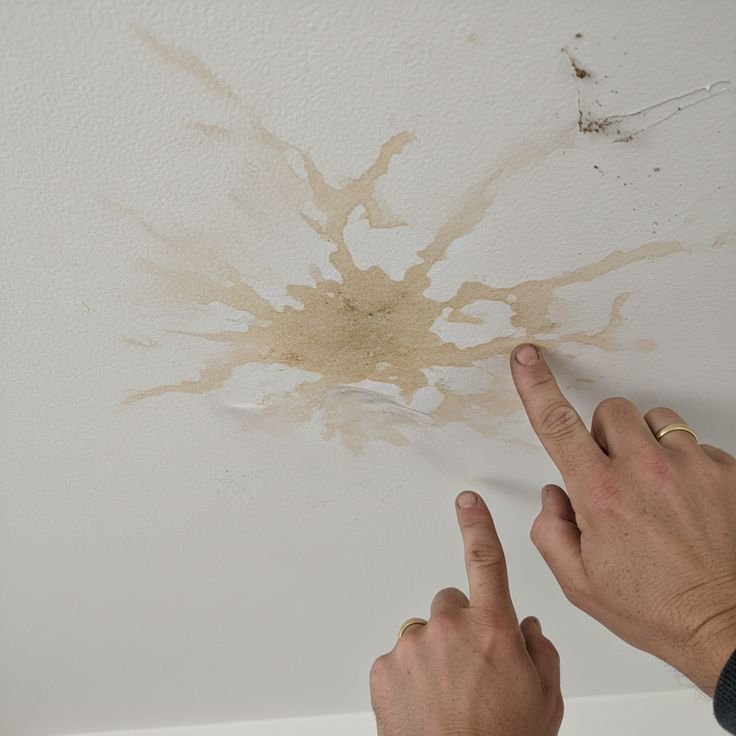
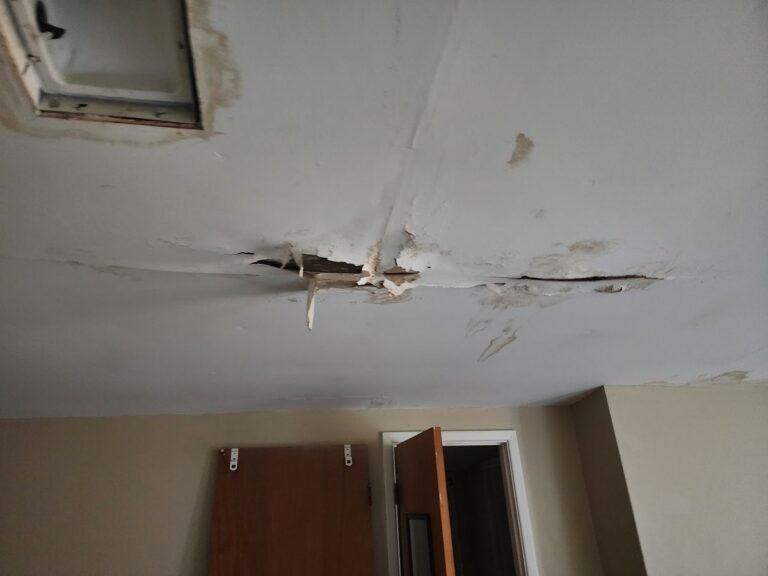
There’s a particular kind of frustration that comes with discovering a roof leak. It rarely announces itself at a convenient time. Instead, it shows up during a heavy downpour, a windy night, or just when you thought your home was in perfect shape. A small drip can quickly evolve into stained ceilings, peeling paint, mold growth, and costly repairs if ignored.
Over the years, homeowners have learned that speed matters. Acting fast doesn’t just reduce damage—it can often prevent a minor issue from becoming a major expense. This guide isn’t just a list of instructions; it’s a practical, experience-driven walkthrough of six fast and effective roof leak fix methods that can help you stay ahead of trouble.
You’ll find not only step-by-step ideas but also real-life insights, preventive thinking, and small details that make a big difference.
method 1: quick tarp protection as an emergency shield
Sometimes, the first step isn’t fixing the leak permanently—it’s stopping the damage immediately.
Picture this: it’s raining heavily, and water is dripping from your ceiling. You can’t wait for the weather to clear or a contractor to arrive. This is where a tarp becomes your best friend.
A heavy-duty waterproof tarp can act as a temporary barrier. It’s not glamorous, but it works surprisingly well when done correctly.
Start by identifying the general area where the leak is coming from. You don’t need pinpoint accuracy—just a rough zone. Once you’re on the roof (safely, of course), spread the tarp over that section, making sure it extends beyond the suspected leak area by a few feet in all directions.
Secure it tightly using nails or weighted objects like wooden boards. The key here is tension. A loose tarp can flap in the wind and let water seep underneath, defeating its purpose.
Inside the house, place buckets or containers to catch any remaining drips. This dual approach—external blocking and internal control—buys you valuable time.
What many people don’t realize is that tarping can last longer than expected if installed properly. It can hold up through several rainstorms while you prepare for a permanent fix.
method 2: sealing small cracks with roofing cement
Not all leaks require dramatic intervention. In fact, many begin as tiny cracks or gaps that slowly allow water to seep in.
Roofing cement is one of the quickest and most effective ways to handle these small issues. It’s thick, sticky, and designed to seal even irregular surfaces.
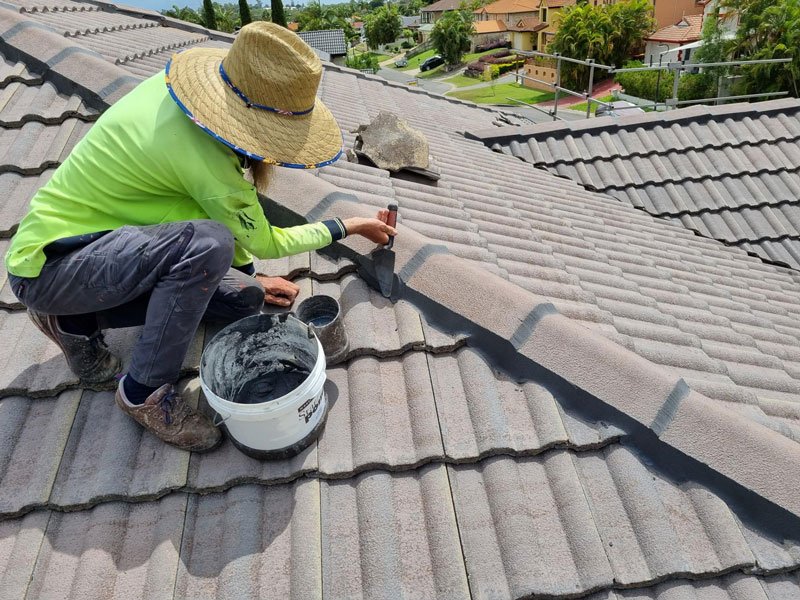
You’ll need a putty knife, gloves, and a bit of patience. Once you locate the crack or hole—often around vents, chimneys, or seams—clean the area first. Dirt and debris can weaken the seal.
Apply a generous layer of roofing cement over the damaged spot, pressing it firmly to ensure it fills every gap. For extra durability, you can embed a small piece of roofing fabric into the cement and then apply another layer on top.
This creates a reinforced patch that can withstand weather changes.
What makes this method appealing is its speed. You can complete the process in under an hour, and the results are immediate. While it’s considered a temporary fix, it can last for months—or even years—depending on conditions.
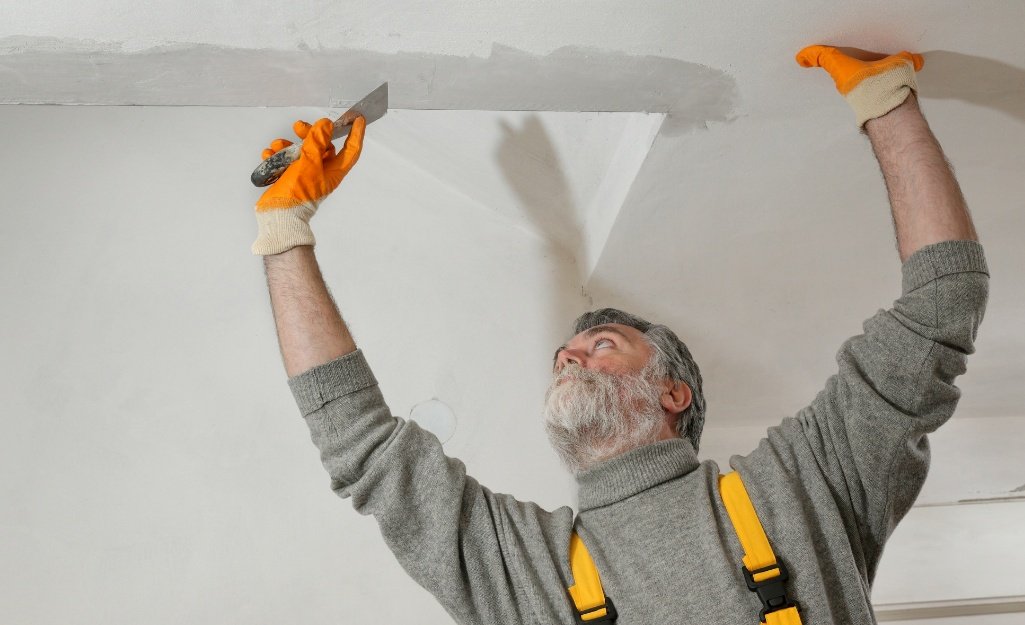
method 3: replacing damaged or missing shingles
Shingles are your roof’s first line of defense. When one goes missing or gets damaged, it leaves a vulnerable spot that invites water in.
Fortunately, replacing a shingle is not as complicated as it sounds.
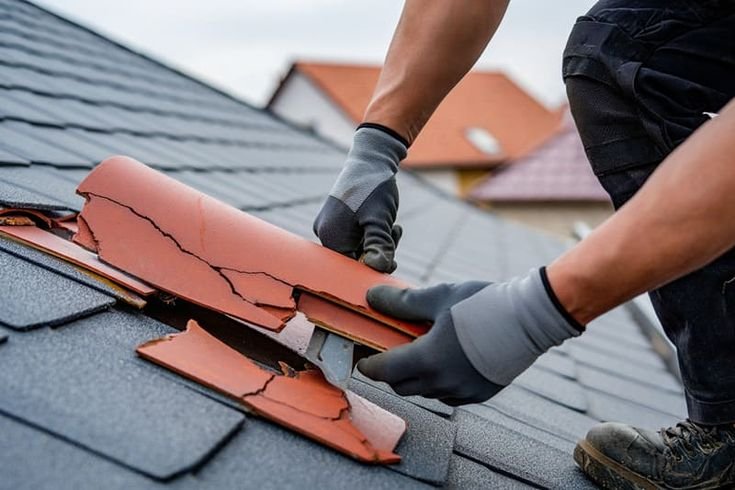
Start by carefully lifting the shingles above the damaged one. You’ll likely find nails holding it in place. Remove these nails gently to avoid damaging surrounding shingles.
Slide out the broken shingle and replace it with a new one of the same type and size. Secure it with roofing nails, then seal the edges with a small amount of roofing cement.
One thing that experienced homeowners often mention is the importance of matching shingles. Even a slight mismatch can affect how water flows across the roof.
If you don’t have spare shingles, you can sometimes take one from a less visible area temporarily.
This method is particularly effective because it restores the roof’s original structure rather than just patching it. It’s a straightforward fix that addresses the root of the problem.
method 4: fixing flashing issues around roof features
Flashing is one of those components most people don’t think about—until it fails.
These thin metal pieces are installed around chimneys, vents, skylights, and valleys to direct water away from critical areas. When flashing becomes loose, corroded, or improperly sealed, leaks are almost inevitable.
A quick fix involves resealing the flashing using roofing sealant or replacing small sections if necessary.
First, inspect the flashing for visible gaps or rust. If it’s slightly loose, you can secure it back in place with nails or screws. Then apply a waterproof sealant along the edges.
For minor damage, this approach works remarkably well. However, if the flashing is severely corroded or bent, replacing it is the better option.
What’s interesting is how often flashing issues are mistaken for general roof leaks. People tend to focus on shingles, overlooking the edges and joints where water actually sneaks in.
Paying attention to these details can save you from repeated leaks in the same spot.
method 5: clearing clogged gutters and drainage paths
It might seem surprising, but not all roof leaks start on the roof itself. Sometimes, the problem begins in the gutters.
When gutters are clogged with leaves, dirt, and debris, water can’t flow properly. Instead of draining away, it pools on the roof or backs up under the shingles.
The fix here is simple but incredibly effective.
Use a ladder to access your gutters and remove all debris. Flush them with water to ensure smooth flow. Check downspouts as well—they often hide blockages.
Once everything is clear, you’ll notice an immediate improvement in how water moves during rain.
This method isn’t just a quick fix—it’s also a preventive measure. Regular gutter cleaning can eliminate one of the most common causes of roof leaks.
Homeowners who make this a routine task often experience fewer issues overall.
method 6: applying waterproof roof coatings for added protection
If you’re looking for a fast yet slightly more comprehensive solution, waterproof roof coatings are worth considering.
These coatings create a protective layer over your roof, sealing minor cracks and preventing water penetration.
They’re especially useful for flat or low-slope roofs, where water tends to accumulate.
Application is straightforward. After cleaning the roof surface, use a roller or brush to apply the coating evenly. Some products require multiple layers for maximum effectiveness.
The result is a flexible, durable barrier that can extend the life of your roof.
What makes this method stand out is its dual benefit—it fixes existing minor leaks while also preventing future ones.
It’s not a substitute for major repairs, but it’s an excellent middle-ground solution for homeowners who want quick results with long-term impact.
practical tips that make all the difference
Beyond these six methods, there are a few practical habits that can significantly improve your roof’s health.
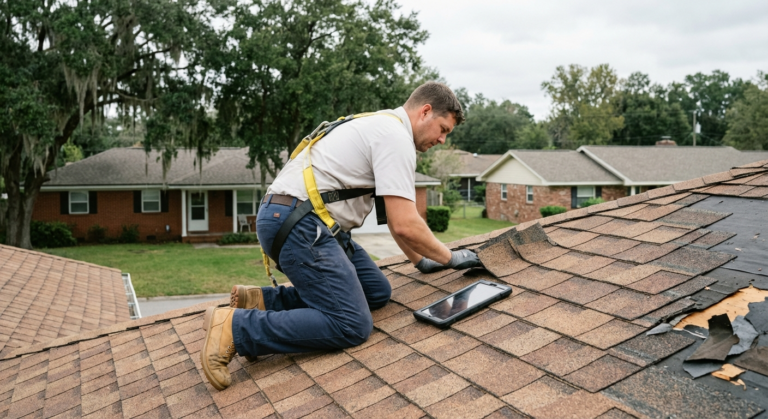
Always inspect your roof after major storms. Look for loose shingles, debris, or unusual wear. Early detection is your biggest advantage.
Keep an eye on your attic as well. Sometimes, the first signs of a leak appear there before they reach your ceiling.
Ventilation also plays a role. Poor airflow can lead to moisture buildup, which weakens roofing materials over time.
And perhaps most importantly, don’t ignore small issues. A tiny crack today can become a major repair tomorrow.
real-life perspective: why fast action matters
Many homeowners learn the hard way that delays are costly.
A small leak might seem harmless at first. You place a bucket under it, thinking you’ll deal with it later. Days turn into weeks, and before you know it, the ceiling starts to sag, paint peels off, and mold begins to grow.
The truth is, water damage spreads quietly. By the time it becomes visible, it’s often more extensive than expected.
Fast fixes don’t just save money—they protect your home’s structure and your peace of mind.
Even temporary solutions can make a huge difference when applied promptly.
when to call a professional
While these methods are effective, there are situations where professional help is necessary.
If the leak is widespread, if the roof structure is compromised, or if you’re unsure about safety, it’s best to consult an expert.
Climbing onto a roof can be risky, especially without proper equipment.
Professionals also have access to tools and materials that provide more permanent solutions.
Think of DIY fixes as your first line of defense—not the final answer for every problem.
final thoughts
A leak-free roof isn’t just about materials—it’s about attention, timing, and action.
The six methods outlined here aren’t complicated, but they’re powerful when used correctly. From emergency tarping to sealing cracks, replacing shingles, fixing flashing, clearing gutters, and applying coatings, each approach addresses a different aspect of roof care.
What ties them all together is speed.
Acting quickly can turn a potential disaster into a manageable task. It keeps your home safe, your repairs affordable, and your stress levels low.
In the end, maintaining a roof isn’t about perfection—it’s about consistency and awareness.
faq section
- how do i know where my roof is leaking from
Finding the exact source can be tricky because water often travels before dripping. Start by checking your attic for damp spots, mold, or light coming through. On the roof, look for damaged shingles, cracked flashing, or clogged gutters. - is a tarp enough to stop a roof leak permanently
No, a tarp is a temporary solution. It’s designed to prevent further damage until you can apply a more permanent fix. However, if installed properly, it can last through several storms. - can i fix a roof leak without professional help
Yes, many minor leaks can be fixed using methods like sealing cracks or replacing shingles. However, for major damage or safety concerns, it’s best to call a professional. - how often should i check my roof for leaks
It’s a good idea to inspect your roof at least twice a year and after major storms. Regular checks help catch small problems before they become serious. - what is the most common cause of roof leaks
Damaged shingles, faulty flashing, and clogged gutters are among the most common causes. Poor installation and aging materials can also contribute. - do roof coatings really work
Yes, waterproof roof coatings can be very effective for sealing minor leaks and preventing future issues. They’re especially useful for flat roofs and areas prone to water pooling.
If you stay proactive and use these fast methods when needed, keeping your roof leak-free becomes far less overwhelming—and far more manageable.
About the Author