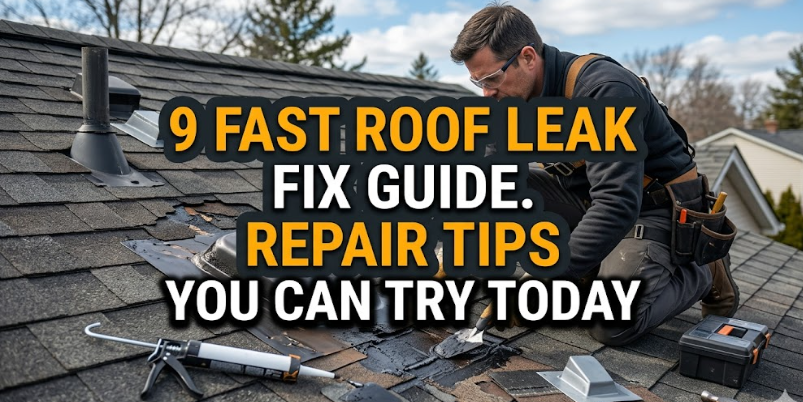
9 Fast Roof Leak Fix Guide Repair Tips You Can Try Today
9 Fast Roof Leak Fix Guide Repair Tips You Can Try Today
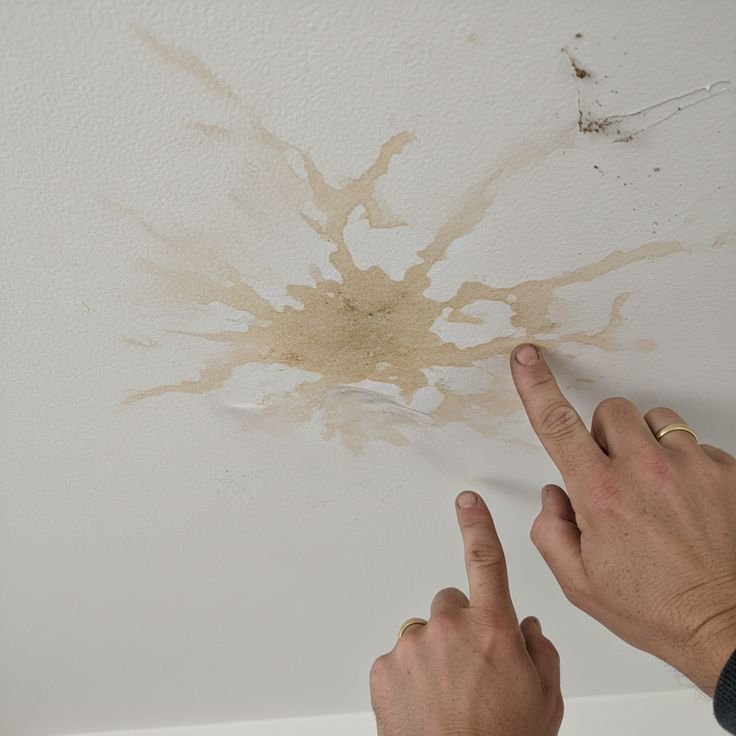
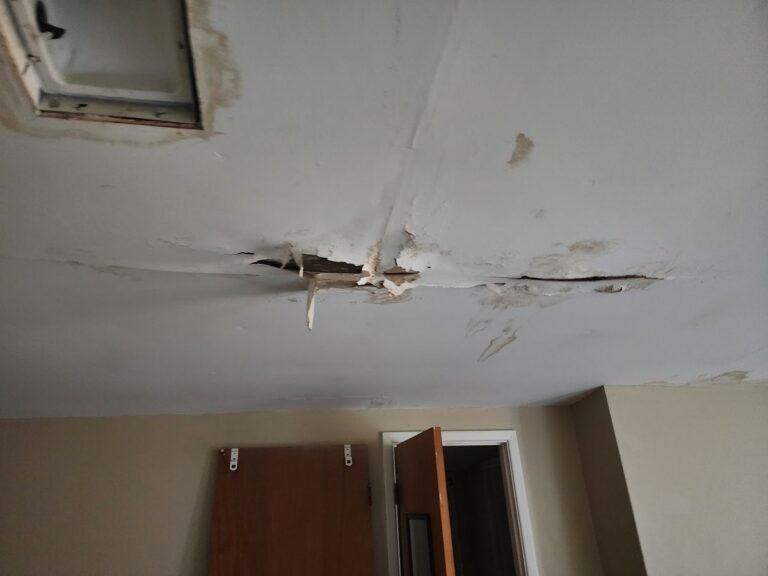
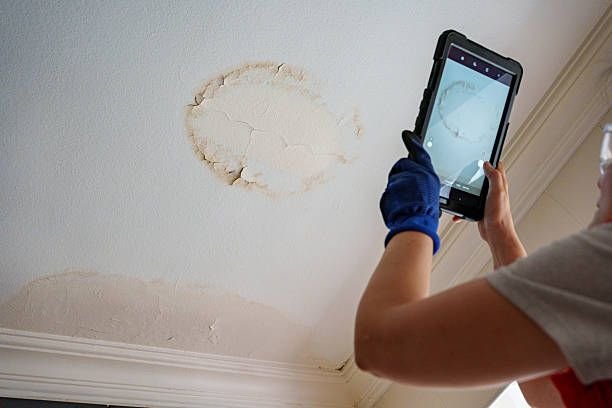
A leaking roof rarely announces itself politely. It shows up as a faint stain on the ceiling, a slow drip during a quiet night, or that unmistakable earthy smell that tells you something is off above your head. What makes roof leaks frustrating isn’t just the damage they cause—it’s how suddenly they demand attention. You can ignore a creaky door for weeks, but a roof leak insists on urgency.
This guide is built for that moment. It’s not about abstract advice or professional jargon. It’s about practical, fast, and realistic fixes you can try today, even if you’re not a roofing expert. Think of it as a conversation between someone who’s been there—on a ladder, in uncertain weather, with tools scattered around—and someone who just wants to stop the water before it becomes a bigger problem.
Before jumping into the fixes, it’s worth saying this: not every leak can or should be permanently fixed in a day. But almost every leak can be controlled, slowed, or temporarily sealed until you can arrange a long-term solution. That’s the goal here—buying you time while preventing further damage.
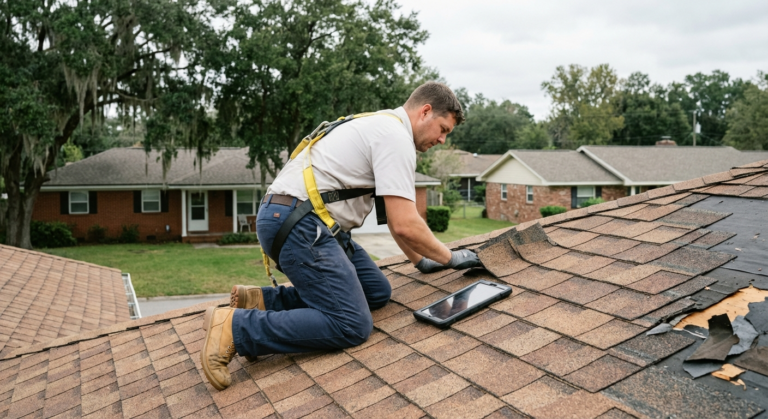
Tip 1: Start by tracing the real source of the leak
The first instinct is often to fix the spot where water is dripping inside. That’s understandable—but it’s also often wrong. Water has a habit of traveling along beams, insulation, and even wiring before it finally shows up.
So instead of guessing, take a methodical approach. If you can safely access your attic or roof space, bring a flashlight and look for signs of moisture. Dark stains, damp insulation, or even mold growth can guide you. If it’s raining, even better—you may be able to see the leak in action.
One trick that works surprisingly well is using a helper. One person stays inside watching for drips while the other runs water over sections of the roof using a hose. It’s simple, but effective. Move slowly, section by section, until the leak reveals itself.
Once you’ve identified the actual source, not just the symptom, you’re already halfway to solving the problem.
Tip 2: Apply roofing tape for quick sealing
Roofing tape is one of those underrated tools that feels almost too simple to work—until it does. It’s essentially a strong, weather-resistant adhesive strip designed to seal cracks and gaps instantly.
If you’ve found a small crack or split in roofing material, clean the area first. Dirt and moisture reduce adhesion. Dry it as much as possible, then press the tape firmly over the damaged spot. Apply pressure along the entire strip to ensure a tight seal.
This isn’t a permanent fix, but it can last surprisingly long if applied correctly. Think of it as putting a bandage on a wound—it stops the immediate bleeding so you can plan proper treatment later.
Tip 3: Use roofing sealant to patch small holes
For slightly larger issues—like nail holes, small punctures, or minor gaps—roofing sealant works better than tape. It’s thicker, more flexible, and designed to handle exposure to sunlight and rain.
Using a caulking gun, apply a generous amount of sealant over the damaged area. Spread it evenly with a putty knife if needed. The goal is to create a waterproof barrier that fills the gap completely.
If you’re dealing with shingles, you can lift the damaged one slightly, apply sealant underneath, and press it back down. This helps secure it while also sealing any hidden entry points for water.
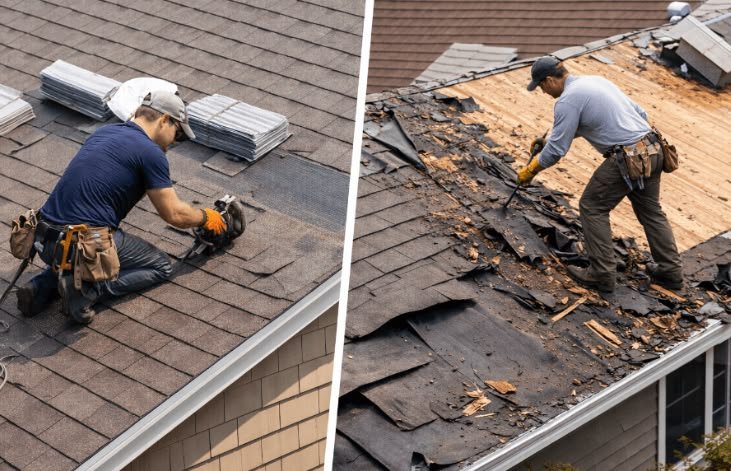
Tip 4: Replace or reposition damaged shingles
Sometimes the issue isn’t a hole—it’s a missing or displaced shingle. Strong winds, heavy rain, or simply aging materials can cause shingles to loosen or fall off.
If you have spare shingles (or can carefully reuse one that’s still intact), slide it into place where the old one was. Secure it with roofing nails and seal the edges with roofing cement.
If the shingle is still there but lifted, you can often fix it by applying a small amount of sealant underneath and pressing it back into place. Hold it down for a minute or two to ensure it sticks.
This is one of the more satisfying fixes—you can see immediate improvement, and it often resolves the leak entirely.
Tip 5: Clear clogged gutters and downspouts
It might seem unrelated at first, but clogged gutters are a major cause of roof leaks. When water can’t flow properly, it backs up under the roofing materials, finding its way inside.
Take a few minutes to inspect your gutters. Remove leaves, dirt, and debris. Flush them with water to ensure proper flow. Don’t forget the downspouts—these can get blocked too.
This is less of a “repair” and more of a preventive fix, but it can stop leaks that are caused by water buildup rather than structural damage.
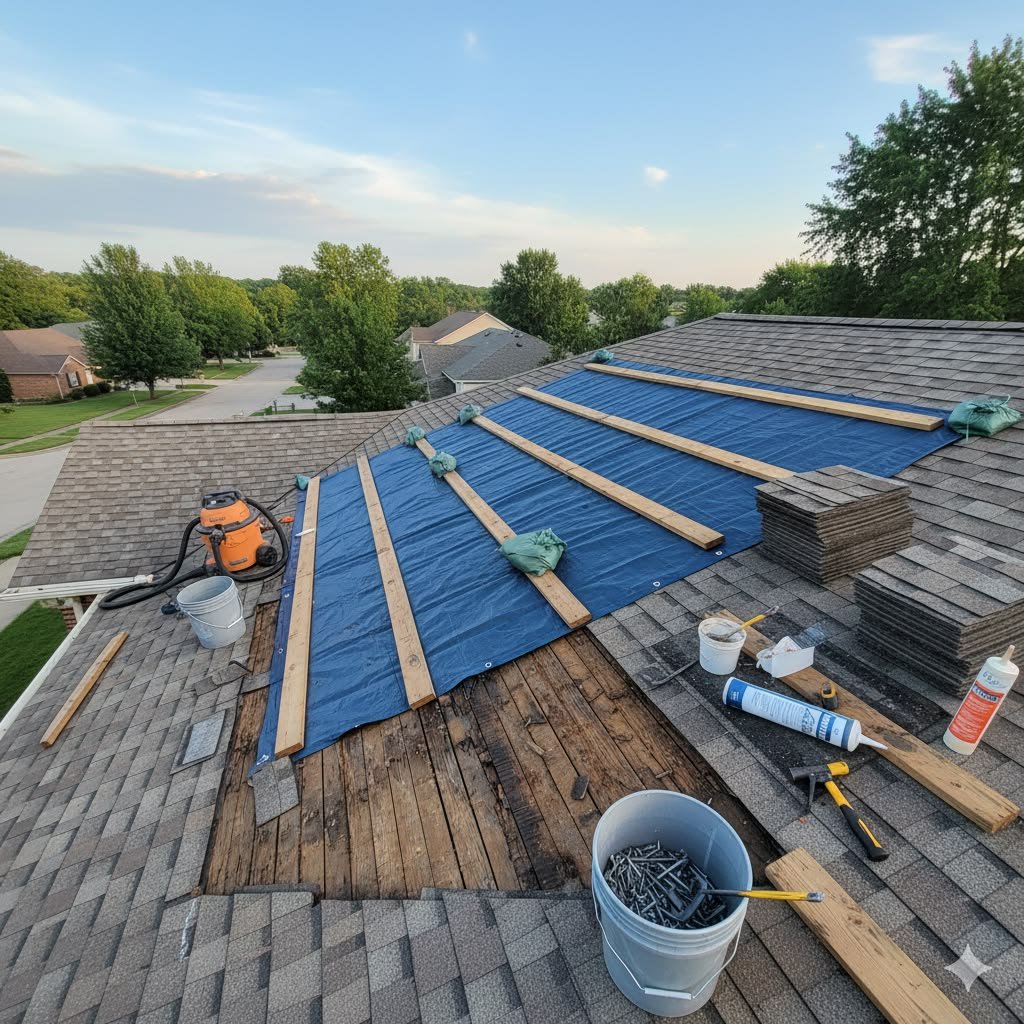
Tip 6: Install a temporary tarp for larger leaks
If the leak is too large for quick patching, a tarp can be your best friend. It’s not elegant, but it’s effective.
Choose a heavy-duty tarp and cover the damaged area, extending it well beyond the edges. Secure it tightly using nails, screws, or even weighted objects if you’re avoiding permanent fixtures.
The key is tension—make sure the tarp is pulled tight so water runs off instead of pooling. A loose tarp can actually make things worse by trapping water.
This is a classic emergency solution. It buys you time and protects your home while you plan a proper repair.
Tip 7: Check and reseal roof flashing
Flashing is the metal material placed around chimneys, vents, and roof edges to prevent water from seeping in. Over time, it can crack, loosen, or corrode.
Inspect these areas carefully. If you notice gaps or cracks, apply roofing sealant along the edges. Press the flashing back into place if it’s loose.
This is one of the most common sources of leaks, and fortunately, one of the easiest to fix quickly.
Tip 8: Address attic condensation issues
Not all “leaks” come from outside. Sometimes, the problem is condensation inside the attic. Poor ventilation can cause moisture to build up, eventually dripping down like a leak.
Check if your attic feels damp or stuffy. If so, improving ventilation can help. Open vents, install a temporary fan, or simply allow more airflow.
While this isn’t a traditional repair, it can solve the problem if condensation is the real culprit.
Tip 9: Keep an emergency repair kit ready
This isn’t a fix for today—it’s a strategy for every day after. Having a small kit ready can make future leaks far less stressful.
Include items like roofing tape, sealant, a putty knife, gloves, a flashlight, and a small tarp. Store it somewhere accessible.
When a leak happens, time matters. The faster you can respond, the less damage you’ll face. A prepared kit turns panic into action.
A brief reflection on speed versus permanence
There’s a quiet balance in all of this. Fast fixes are necessary, but they’re not always permanent. And that’s okay. The goal isn’t perfection—it’s control.
A small patch today can prevent a major repair tomorrow. A tarp today can save thousands in water damage. Each action, no matter how temporary, contributes to protecting your home.
The important thing is not to ignore the problem. Roof leaks don’t fix themselves, and waiting often makes things worse.
Frequently Asked Questions
- Can I fix a roof leak myself without professional help
Yes, many minor leaks can be handled with basic tools and materials like sealant, tape, or replacement shingles. However, larger or structural issues may require professional intervention. - How long do temporary roof repairs last
It depends on the method and conditions. Roofing tape and sealant can last weeks or even months, while tarps are usually short-term solutions meant to last until proper repairs are done. - Is it safe to fix a roof during rain
It’s generally not recommended due to the risk of slipping. If possible, wait for dry conditions. If the leak is urgent, consider indoor containment methods until it’s safe to go outside. - What’s the most common cause of roof leaks
Damaged shingles, cracked flashing, and clogged gutters are among the most common causes. Aging materials also play a significant role. - How do I know if the leak is serious
If the leak is spreading quickly, causing structural damage, or appearing in multiple areas, it’s likely serious and should be addressed professionally as soon as possible. - Should I replace the entire roof if I have a leak
Not necessarily. Many leaks are localized and can be repaired without replacing the entire roof. However, if the roof is old or has widespread damage, replacement might be more cost-effective in the long run.
In the end, dealing with a roof leak is less about having perfect knowledge and more about taking timely action. With the right approach and a bit of patience, you can manage the situation effectively—even on the same day it begins.
About the Author