10 Smart Roof Leak Fix Guide Repair Hacks to Save Money
10 smart roof leak fix guide repair hacks to save money
A leaking roof has a way of announcing itself at the worst possible moment. It might start as a faint stain on the ceiling, a slow drip during a storm, or that unmistakable damp smell that lingers longer than it should. What begins as a minor inconvenience can quickly grow into a costly repair if ignored. Yet, not every leak demands an expensive contractor visit right away. With the right mindset, a bit of patience, and some practical know-how, many roof leaks can be managed—or at least stabilized—without draining your wallet.
This guide is not just a list of tips. It’s a blend of practical hacks, real-world observations, and thoughtful strategies that help you approach roof leaks with confidence. Whether you’re dealing with shingles, flashing, gutters, or hidden moisture paths, the goal here is simple: save money while protecting your home.
understanding why roof leaks happen in the first place
Before jumping into repairs, it helps to understand what causes leaks. Roofs are constantly exposed to harsh conditions—sun, wind, rain, temperature shifts—and over time, materials naturally degrade. Small cracks form, sealants weaken, and fasteners loosen.
Common causes include damaged or missing shingles, clogged gutters, worn-out flashing around chimneys or vents, and even poor installation from the beginning. Sometimes, the leak isn’t directly above where you see the water. Water can travel along beams or insulation, making detection tricky.
Recognizing that leaks are often symptoms of a deeper issue will help you approach repairs more thoughtfully instead of rushing into quick fixes that don’t last.
hack 1: trace the leak backwards, not just downward
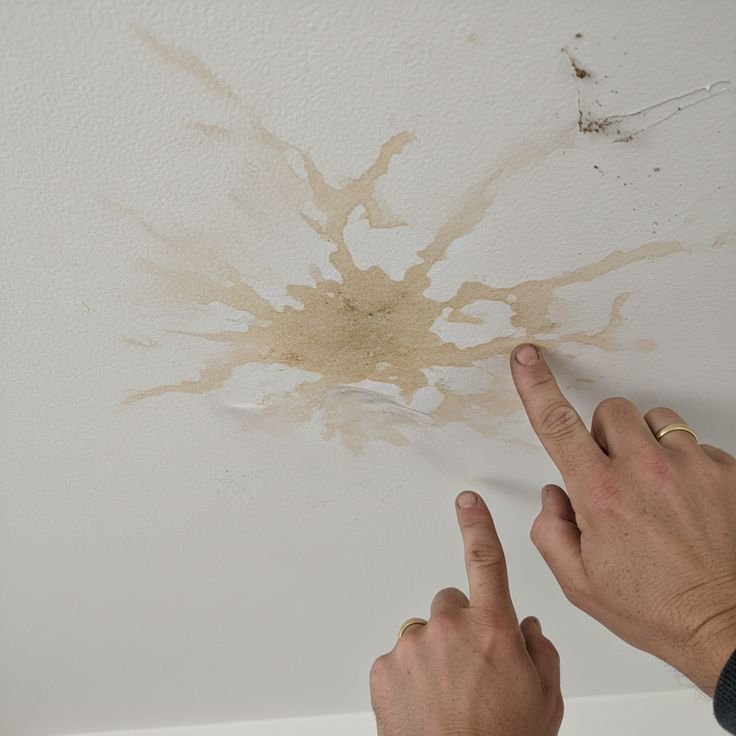
Most people look directly above the water stain and assume that’s where the problem lies. In reality, water rarely follows a straight path. It can enter at one point and travel several feet before appearing inside your home.
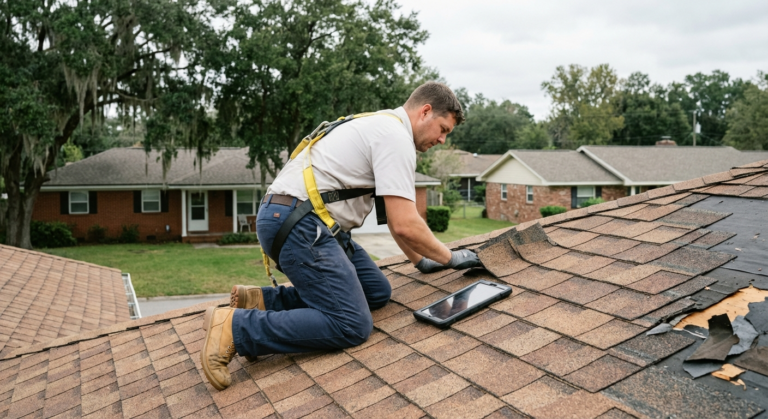
A smarter approach is to inspect your attic during daylight. Turn off artificial lights and look for sunlight filtering through cracks or holes. Then, use a flashlight to follow water stains along rafters or insulation.
If you can, simulate rainfall by having someone spray water on different roof sections while you observe from inside. This controlled method can pinpoint the exact entry point without guesswork.
hack 2: use roofing tape as a temporary but reliable fix
Roofing tape is often underestimated. It’s flexible, waterproof, and surprisingly durable when applied correctly. For small cracks, minor splits, or gaps around flashing, it can serve as a strong temporary solution.
Clean the surface thoroughly before applying the tape. Dirt, moisture, or debris will prevent proper adhesion. Press it firmly and smooth out any air bubbles. While it’s not a permanent replacement for proper repairs, it can buy you valuable time—especially during rainy seasons.
hack 3: repurpose household materials in emergencies
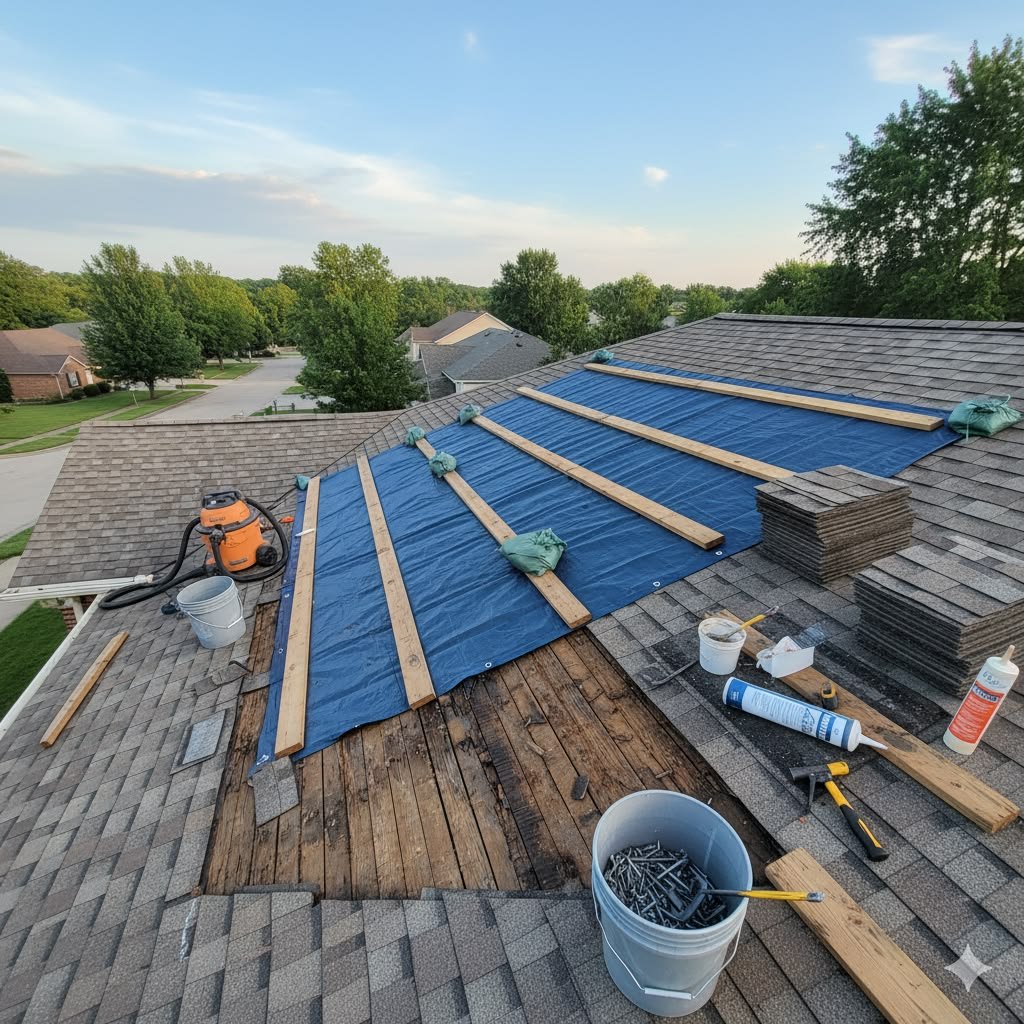
In situations where you need an immediate fix, you can use items already available at home. A heavy-duty plastic sheet, for instance, can act as a temporary barrier over a leaking section.
Secure it with nails or weights, ensuring it extends beyond the damaged area so water flows off safely. Even a thick garbage bag can help in a pinch.
Inside the house, placing a bucket under the leak is obvious, but adding a string from the ceiling to the bucket can guide the water and prevent splashing, reducing mess and further damage.
hack 4: seal small cracks with roof-friendly sealants
A good-quality roofing sealant can handle minor leaks effectively. These sealants are designed to withstand temperature changes and exposure to moisture.
Apply the sealant to cracks, gaps, or around flashing edges. Use a putty knife to spread it evenly and ensure it penetrates the crevice. The key is not to overdo it—too much sealant can trap moisture instead of sealing it out.
Choose a sealant compatible with your roofing material, whether it’s asphalt shingles, metal, or tile.
hack 5: fix flashing before replacing entire sections
Flashing is one of the most common sources of leaks, especially around chimneys, skylights, and vents. Instead of replacing large roof sections, inspect the flashing first.
Often, the issue lies in loose nails or deteriorated sealant. Tightening fasteners and resealing edges can restore its effectiveness.
If the flashing is bent or cracked, you may only need to replace that small piece rather than undertaking a full roof overhaul.
hack 6: clean gutters regularly to prevent overflow leaks
Clogged gutters cause water to back up and seep under the roof edges. This can lead to leaks that appear unrelated to the actual problem.
Make it a habit to clean gutters at least twice a year. Remove leaves, dirt, and debris, and ensure downspouts are clear.
Installing gutter guards can reduce maintenance and prevent future blockages. It’s a small investment that saves money in the long run.
hack 7: replace individual shingles instead of large areas
When shingles are damaged or missing, it’s tempting to think a large section needs replacement. In many cases, you can simply swap out the affected shingles.
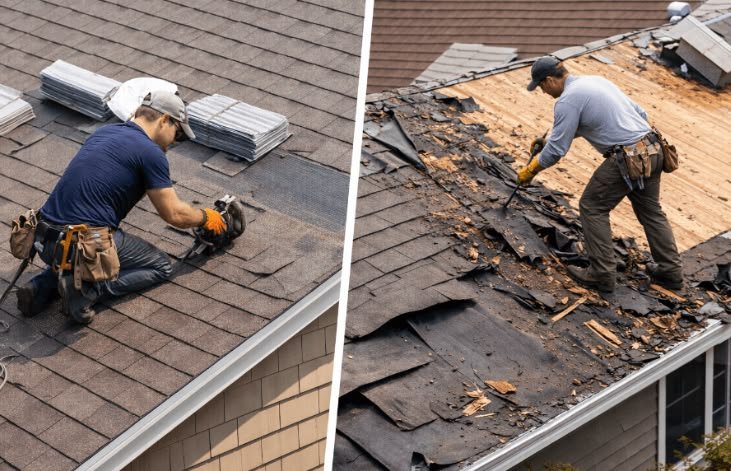
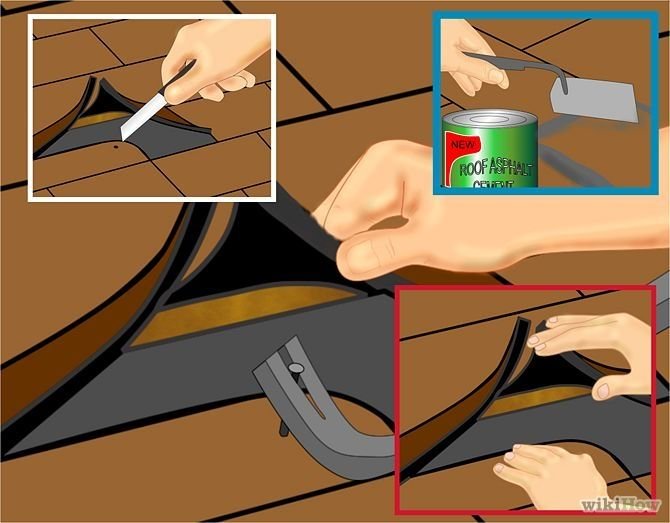
Carefully lift the surrounding shingles, remove the damaged one, and slide a new one into place. Secure it with roofing nails and seal the edges.
This targeted approach minimizes material costs and labor while maintaining the roof’s integrity.
hack 8: use attic insulation to spot hidden moisture
Insulation can reveal leaks that aren’t yet visible inside your living space. Damp or compressed insulation often indicates moisture intrusion.
Check your attic periodically and look for areas where insulation appears darker or feels wet. Addressing these spots early can prevent structural damage and mold growth.
Replacing small sections of insulation is far cheaper than dealing with widespread damage later.
hack 9: schedule repairs during dry weather
Timing matters. Attempting repairs during wet or windy conditions can lead to poor results and safety risks.
Wait for a clear, dry day to carry out repairs. This ensures better adhesion for sealants and tapes, and it allows you to work more safely and efficiently.
Planning ahead and keeping basic repair materials on hand can help you act quickly when the weather cooperates.
hack 10: know when to stop and call a professional
Saving money doesn’t mean taking unnecessary risks. If the leak is extensive, the roof structure is compromised, or you’re unsure about the repair, it’s wise to seek professional help.
Attempting complex repairs without proper knowledge can worsen the problem and lead to higher costs.
The smart approach is knowing your limits and balancing DIY efforts with expert intervention when needed.
practical checklist for budget-friendly roof maintenance
Instead of reacting to leaks, preventive maintenance can save significant money. A simple checklist can make a big difference:
inspect your roof visually every few months
check for loose or missing shingles
clear gutters and downspouts
examine flashing around roof features
look for signs of water damage inside your home
keep basic repair tools and materials ready
These small actions reduce the likelihood of major issues and extend the life of your roof.
the hidden cost of ignoring small leaks
It’s easy to dismiss a minor leak as something you’ll deal with later. However, even small leaks can lead to bigger problems over time.
Water can weaken wooden structures, damage insulation, and create conditions for mold growth. Electrical systems may also be at risk if water reaches wiring.
The cost of fixing these secondary issues often exceeds the expense of addressing the leak early. Acting quickly is not just practical—it’s economical.
balancing cost and quality in repairs
When trying to save money, it’s tempting to choose the cheapest materials available. However, low-quality products may fail quickly, leading to repeated repairs.
Investing in mid-range, reliable materials often provides better value. Look for products with good reviews and proven durability.
Think of it as a balance: spend wisely, not minimally.
real-world mindset: thinking like a problem solver
Roof repairs aren’t just about tools and materials—they’re about mindset. Instead of seeing a leak as a disaster, approach it as a problem to solve step by step.
Observe carefully, test your assumptions, and choose the simplest effective solution. This mindset reduces panic and helps you make better decisions.
Over time, you’ll develop confidence and skill, making future repairs easier and less costly.
conclusion: small actions, big savings
Fixing roof leaks doesn’t have to be overwhelming or expensive. By understanding the causes, using smart hacks, and maintaining your roof regularly, you can handle many issues yourself and save a significant amount of money.
The key lies in being proactive, resourceful, and realistic about your abilities. Small, timely actions often prevent large, costly repairs.
A well-maintained roof not only protects your home but also gives you peace of mind—something that’s truly priceless.
frequently asked questions
- how do i know if my roof leak is serious
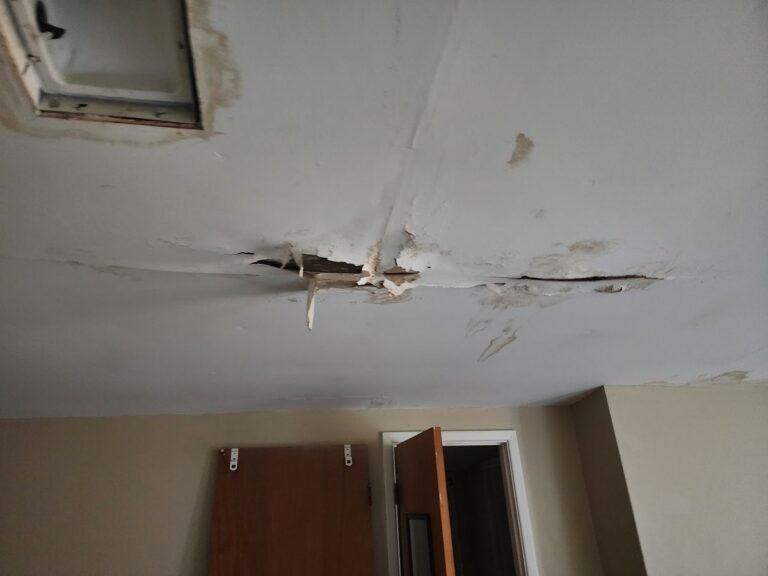
A serious leak often involves large water stains, sagging ceilings, or visible structural damage. If water is entering rapidly or affecting multiple areas, it’s best to seek professional help immediately. - can i fix a roof leak without going on the roof
Yes, some temporary fixes can be done from inside, such as sealing small gaps in the attic or placing barriers to redirect water. However, permanent repairs usually require roof access. - how long do temporary fixes like roofing tape last
Roofing tape can last several months if applied correctly, but it’s not a permanent solution. It’s best used to manage leaks until proper repairs can be made. - what is the cheapest way to fix a small roof leak
Using a roofing sealant or replacing a single damaged shingle are among the most cost-effective methods for minor leaks. - how often should i inspect my roof
It’s recommended to inspect your roof at least twice a year and after major storms to catch potential issues early. - is it worth repairing an old roof or should i replace it
If the damage is localized and the roof is generally in good condition, repairs are usually sufficient. However, if leaks are frequent and widespread, replacement may be more cost-effective in the long run.
About the Author