6 Proven Roof Leak Fix Guide Maintenance Ideas That Last Longer
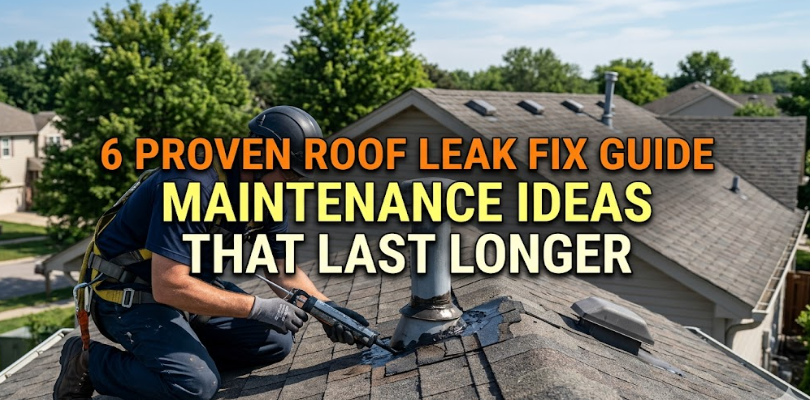
6 proven roof leak fix guide maintenance ideas that last longer
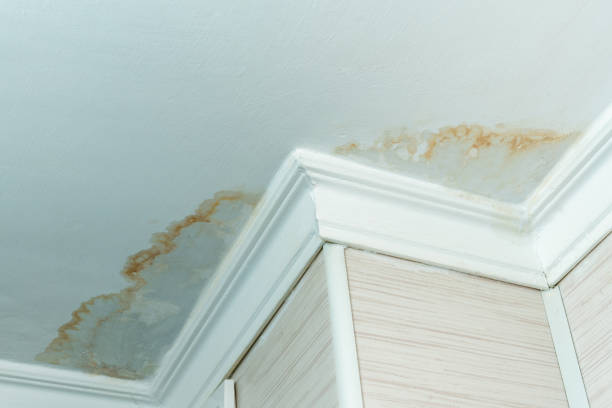
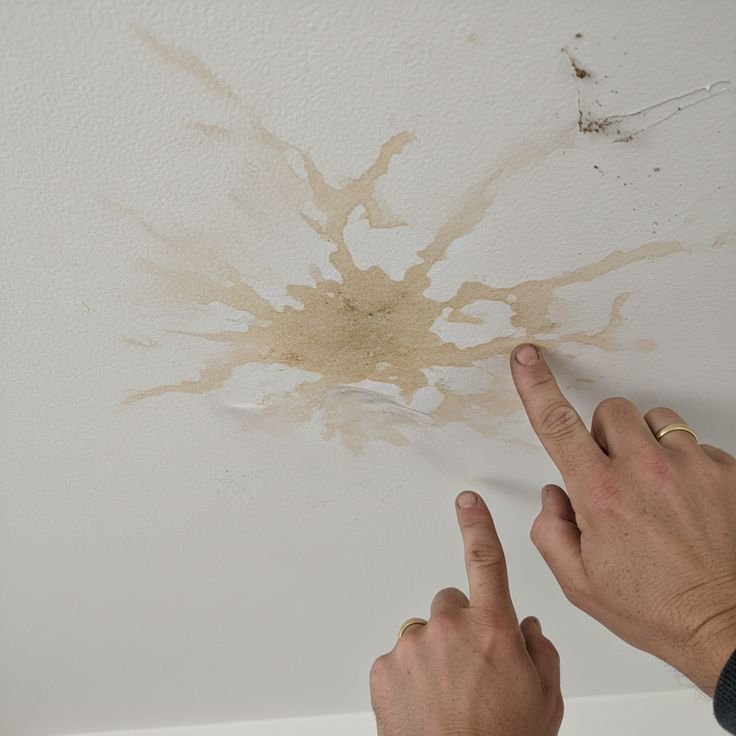
A leaking roof rarely announces itself politely. It begins quietly—a faint stain in the corner of a ceiling, a slight musty odor after rain, or the occasional drip that appears and disappears before you can fully understand it. By the time most homeowners react, the problem has already matured into something more complex than a quick fix. What makes roof leaks particularly frustrating is not just the damage they cause, but how easily they can be prevented with consistent, thoughtful maintenance.
This guide doesn’t just list fixes. It walks through ideas that stand the test of time—methods rooted in practical experience, not shortcuts. These are not temporary patches meant to hold for a season; they are strategies that extend the life of your roof and reduce the chances of recurring leaks. Along the way, you’ll find examples, small checklists, and realistic insights drawn from everyday scenarios.
understanding why roof leaks happen in the first place
Before diving into solutions, it’s worth understanding the “why.” Roof leaks aren’t always about age. A relatively new roof can leak just as easily as an old one if installation or maintenance has been neglected.
Common causes include:
- damaged or missing shingles
- clogged gutters causing water backup
- cracked flashing around chimneys or vents
- poor sealing around skylights
- accumulated debris holding moisture
- improper roof slope or drainage design
What ties these together is one simple concept: water finds a way. It doesn’t need a large opening—just a weakness.
idea 1: routine inspection with a purpose, not guesswork
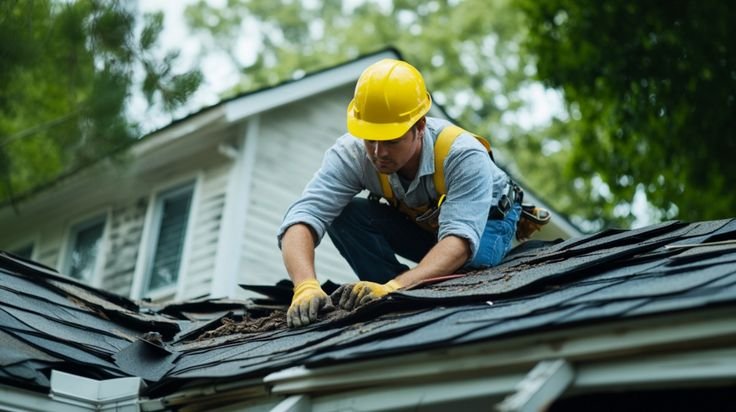
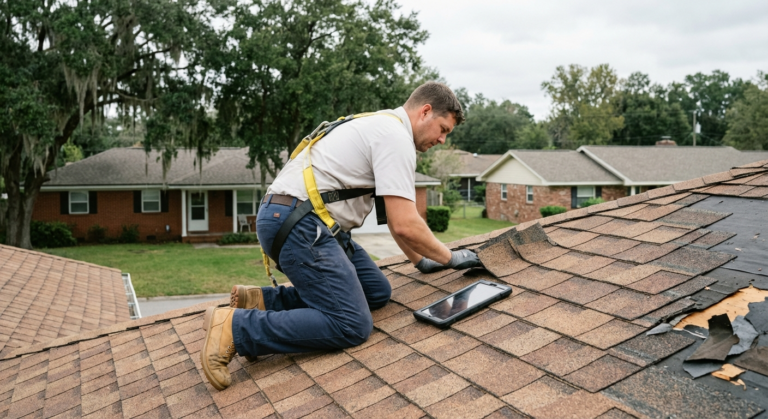
Many people say they “check” their roof, but in reality, they glance at it from the ground and assume everything is fine. Effective inspection is intentional.
Start with a seasonal rhythm. Twice a year—once before the rainy season and once after—is a good baseline. But don’t stop there. After heavy storms, strong winds, or hail, an extra inspection can prevent minor damage from becoming a major issue.
When inspecting, focus on specific points:
- edges of the roof where wind damage is most likely
- valleys where two roof slopes meet
- areas around chimneys, vents, and skylights
- spots where debris tends to collect
Instead of asking “does it look okay?”, ask more precise questions:
- are shingles lifting at the corners?
- do I see any dark patches indicating trapped moisture?
- is there any granule loss from shingles?
A practical tip: keep a simple notebook or digital record. Each inspection, jot down observations. Over time, patterns emerge. You might notice a particular area consistently showing early signs of wear—this becomes your priority zone.
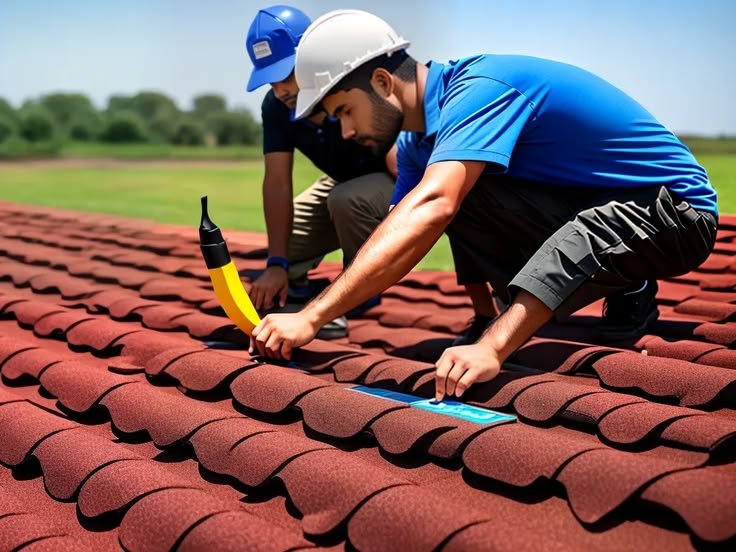
idea 2: maintaining gutters as if they are part of the roof
It’s easy to treat gutters as separate from the roof, but they play a critical role in preventing leaks. When gutters clog, water has nowhere to go. It backs up under shingles, seeps into the roof deck, and eventually finds its way inside.
Cleaning gutters is not glamorous, but it is one of the most effective preventive actions.
A good routine includes:
- clearing leaves, dirt, and debris every few months
- checking for sagging sections that disrupt water flow
- ensuring downspouts direct water away from the foundation
A small habit can make this easier: after cleaning, run water through the gutter with a hose. Watch how it flows. If water pools or moves slowly, you’ve identified a problem before it becomes serious.
For long-term durability, consider installing gutter guards. They don’t eliminate maintenance entirely, but they significantly reduce buildup.
idea 3: reinforcing flashing before it fails
Flashing is one of the most overlooked components of a roof. These thin metal pieces are installed around areas where the roof meets vertical structures—chimneys, walls, vents. Their job is to guide water away from seams.
The problem is that flashing often fails silently. It can crack, loosen, or corrode without obvious signs until a leak appears inside the house.
A lasting approach is to reinforce flashing proactively:
- inspect sealant around flashing for cracks or gaps
- reapply high-quality roofing sealant when needed
- check for rust or bending in metal flashing
Imagine flashing as the stitching of your roof. Even if the fabric (shingles) is intact, weak stitching can cause the entire system to fail.
One useful practice is to gently press around flashing edges during inspection. If it feels loose or shifts slightly, it’s time to secure it.
idea 4: managing roof ventilation and moisture balance
This idea is often underestimated because it’s not visible. Yet poor ventilation is a hidden cause of roof leaks.
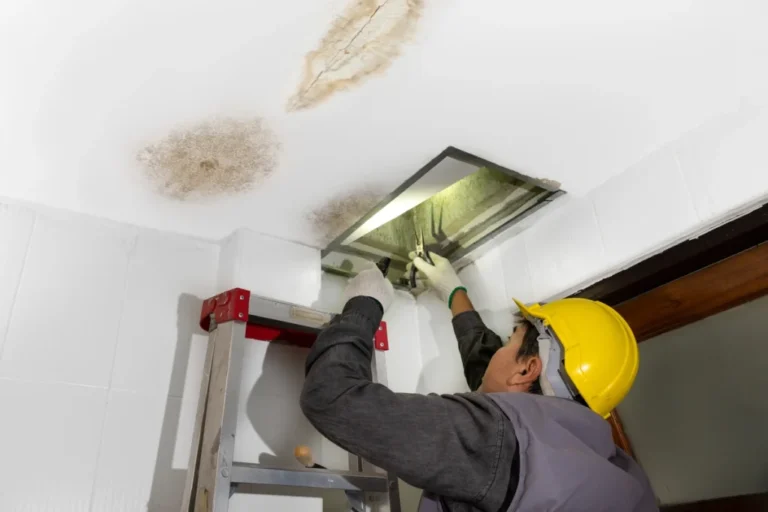
When warm air from inside the house rises and gets trapped in the attic, it creates condensation. Over time, this moisture can weaken the roof structure from the inside, leading to leaks that seem mysterious.
Good ventilation allows air to flow in and out, keeping temperature and moisture levels balanced.
Signs of poor ventilation include:
- excessive heat in the attic
- damp insulation
- mold or mildew growth
- ice dams forming in colder regions
Improving ventilation might involve:
- installing ridge vents or soffit vents
- ensuring existing vents are not blocked
- using attic fans where necessary
Think of ventilation as a quiet protector. You don’t see it working, but its absence creates conditions where leaks thrive.
idea 5: timely repair instead of delayed replacement
A common mistake homeowners make is waiting too long. A small crack in a shingle, a tiny gap in flashing, or a minor leak might seem harmless. But water damage compounds quickly.
The philosophy here is simple: repair early, not late.
Examples of timely actions:
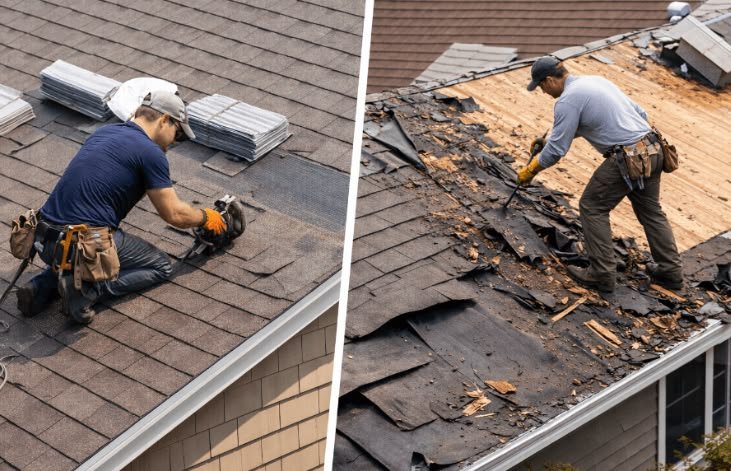
- replacing a few damaged shingles instead of ignoring them
- sealing a minor leak before it spreads to insulation and walls
- fixing loose nails or fasteners immediately
There’s a psychological aspect to this. Small problems feel easy to ignore because they don’t demand urgent attention. But addressing them early is what extends the life of your roof.
Consider setting a “48-hour rule.” If you notice a potential issue, take action within two days—whether it’s fixing it yourself or calling a professional.
idea 6: using durable materials and techniques for long-term fixes
Not all repairs are equal. Temporary fixes might stop a leak for a while, but they don’t solve the underlying problem.
When repairing, prioritize durability:
- use high-quality sealants designed for roofing
- choose shingles that match or exceed the existing roof’s quality
- ensure proper installation techniques are followed
For example, applying a cheap sealant might seem cost-effective, but if it cracks within months, you’ll be dealing with the same issue again.
A better approach is to think in terms of lifespan. Ask: will this repair last through multiple seasons? If the answer is uncertain, it’s worth investing a bit more time or money.
combining the ideas into a simple maintenance routine
Individually, each idea is powerful. Together, they form a system.
Here’s a practical monthly and seasonal routine:
monthly:
- quick visual check from the ground
- look for debris buildup or obvious damage
every 3–4 months:
- clean gutters
- inspect roof edges and valleys
twice a year:
- detailed inspection of shingles, flashing, and vents
- minor repairs and resealing as needed
after major storms:
- immediate inspection for damage
- address any issues within 48 hours
real-life scenario: how small actions prevent major damage
Imagine a homeowner who notices a small stain on the ceiling after a rainy day. Instead of ignoring it, they inspect the roof and find a loose shingle near a vent. They secure the shingle, reseal the flashing, and clean the nearby gutter.
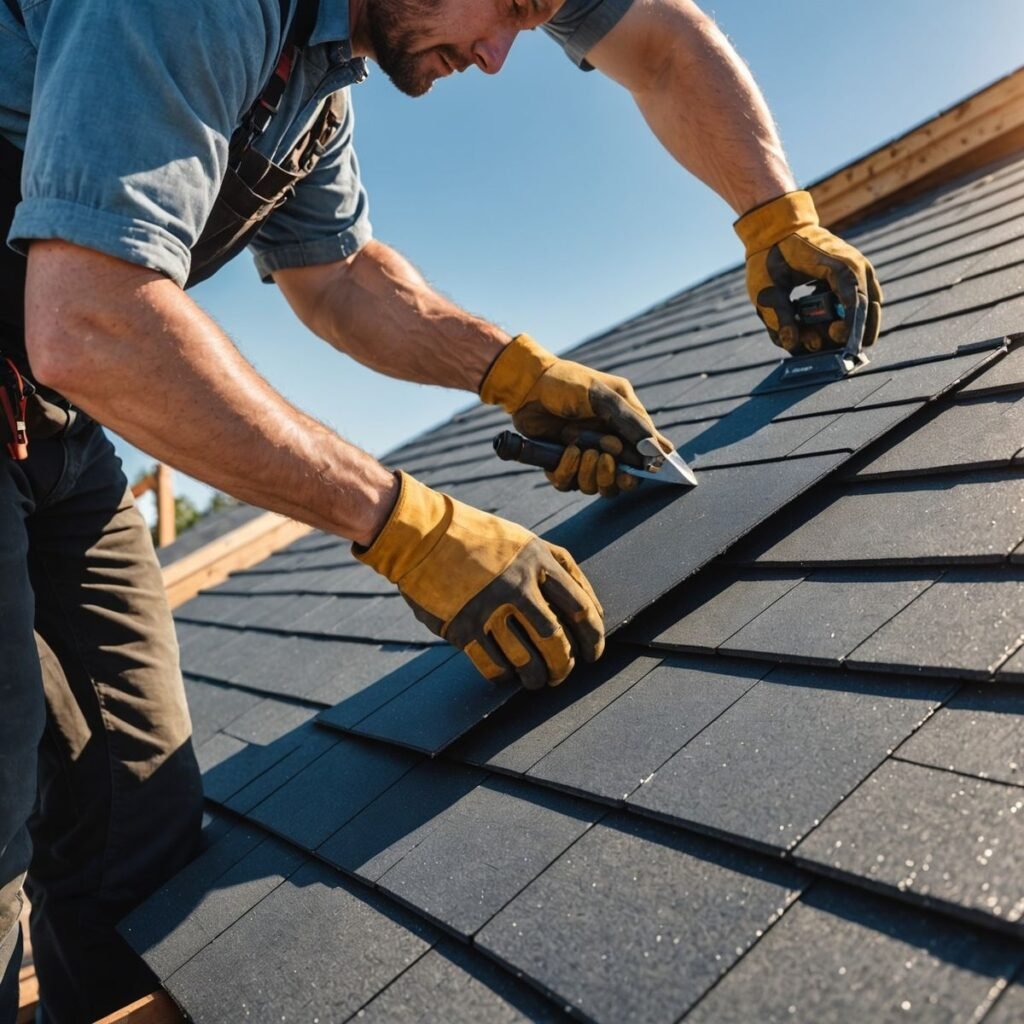
Total time spent: a couple of hours.
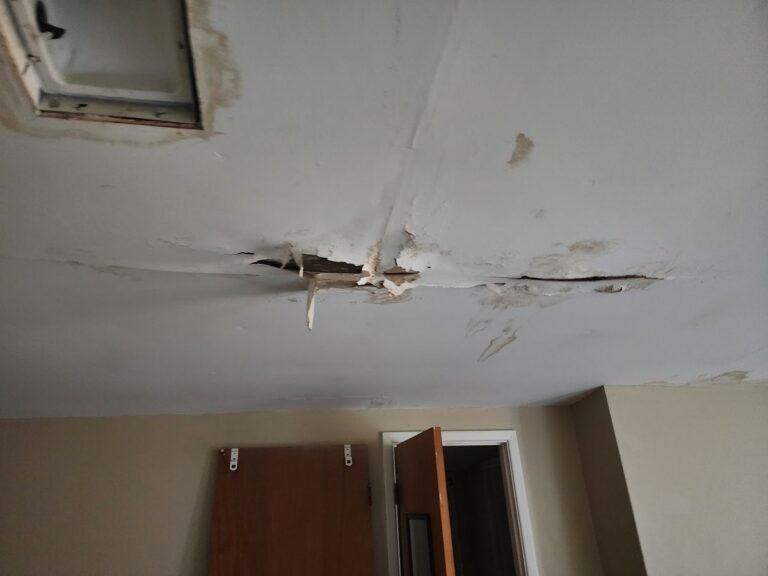
Now imagine the alternative: the stain is ignored. Over weeks, water seeps deeper, damaging insulation and wood. Mold begins to form. Eventually, repairs involve replacing sections of the roof and ceiling.
The difference isn’t luck—it’s timely action.
common mistakes that shorten the life of roof repairs
Even with good intentions, certain habits can undermine your efforts:
- relying solely on visual inspection without checking vulnerable areas
- using mismatched materials during repairs
- neglecting attic conditions
- postponing maintenance until visible damage appears
- overusing temporary patches instead of proper fixes
Avoiding these mistakes is just as important as following the right practices.
the mindset shift that makes maintenance effective
At its core, long-lasting roof maintenance is less about tools and more about mindset. It’s about seeing your roof as a system that needs consistent care rather than occasional attention.
Think of it like maintaining a vehicle. Regular oil changes and inspections keep it running smoothly. Skip them, and problems multiply.
Your roof works the same way.
faqs
- how often should i inspect my roof for leaks?
Ideally, you should perform a basic inspection every month and a detailed inspection twice a year. Additional checks after heavy storms are also important. - can i fix a roof leak myself or should i hire a professional?
Small issues like replacing a shingle or applying sealant can often be handled yourself. However, for complex leaks or structural concerns, hiring a professional is safer and more effective. - what is the most common cause of roof leaks?
Clogged gutters and damaged flashing are among the most common causes, as they directly affect how water is directed away from the roof. - how long do roof repairs typically last?
The lifespan of a repair depends on the materials and techniques used. High-quality repairs can last several years, while temporary fixes may only last a few months. - does roof ventilation really affect leaks?
Yes, poor ventilation can lead to moisture buildup inside the attic, which weakens the roof structure and contributes to leaks over time. - what should i do if i notice a water stain on my ceiling?
Act quickly. Inspect the roof, identify the source, and fix it within a short time frame. Delaying action can lead to more extensive damage.
In the end, maintaining a leak-free roof isn’t about reacting to problems—it’s about staying ahead of them. The ideas shared here are not complicated, but they require consistency. And that consistency is what turns short-term fixes into long-term protection.
About the Author